Acute Bacterial Skin and Skin Structure Infections (ABSSSI) Market
- According to DelveInsight, Acute Bacterial Skin and Skin-Structure Infection Market is expected to grow at a decent CAGR by 2034.
- The epidemiology of ABSSSI is poised to expand due to factors such as antibiotic resistance, an aging population, and an increase in invasive medical procedures, leading to a higher incidence and prevalence.
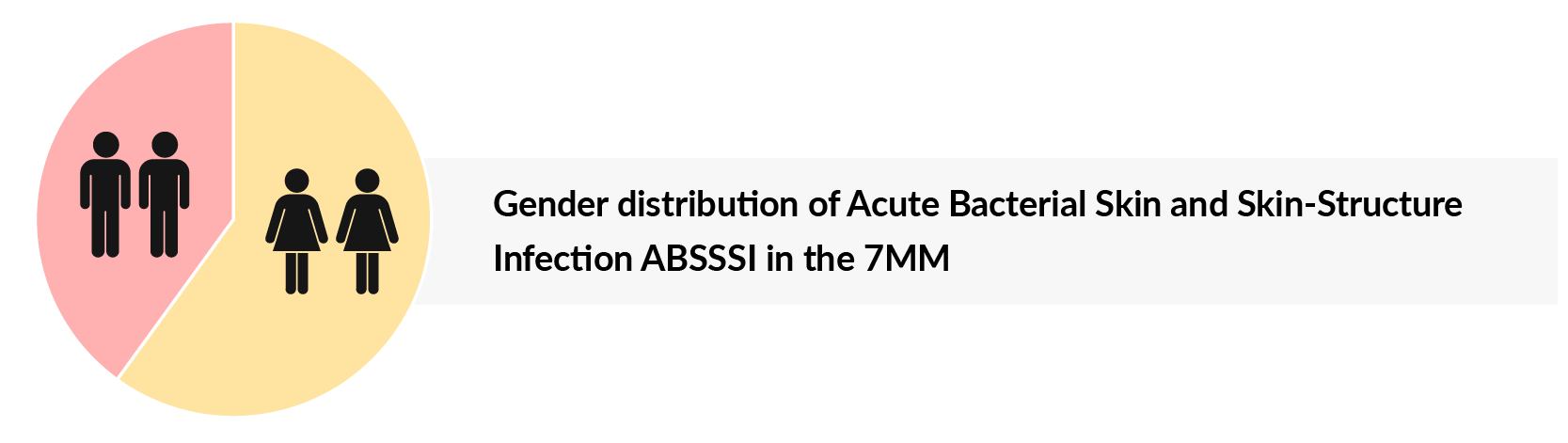
- ABSSSI affects both genders, but men tend to be slightly more affected due to factors such as occupational exposure, lifestyle differences, and hormonal influences, though the exact reasons may vary depending on individual risk factors and environmental factors.
- ABSSSI can occur at any age, older adults are often more susceptible due to age-related changes in the skin, underlying health conditions, and weakened immune systems, making them more prone to bacterial infections and complications. However, younger age groups can also be affected, especially those with compromised immune systems or underlying medical conditions.
- In July 2021, US Food and Drug Administration (FDA) granted approval for AbbVie's DALVANCE (dalbavancin) to treat acute bacterial skin and skin structure infections (ABSSSI) in pediatric patients from birth.
- Market dynamics in ABSSSI are expected to evolve with the introduction of new treatment options, changes in regulatory policies, and shifts in healthcare spending priorities, potentially leading to increased competition among pharmaceutical companies and improved patient outcomes
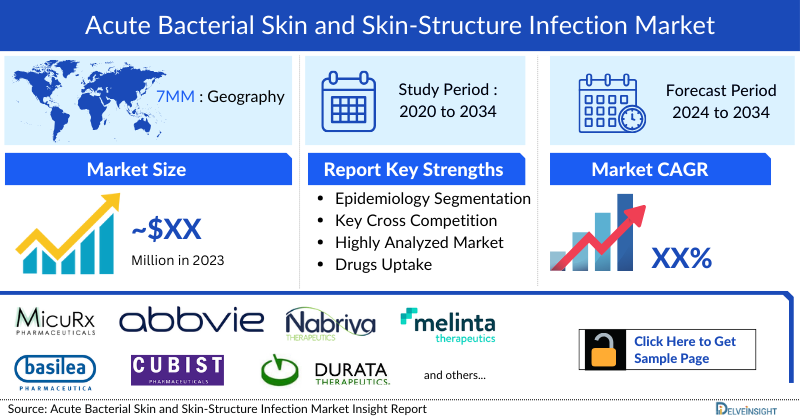
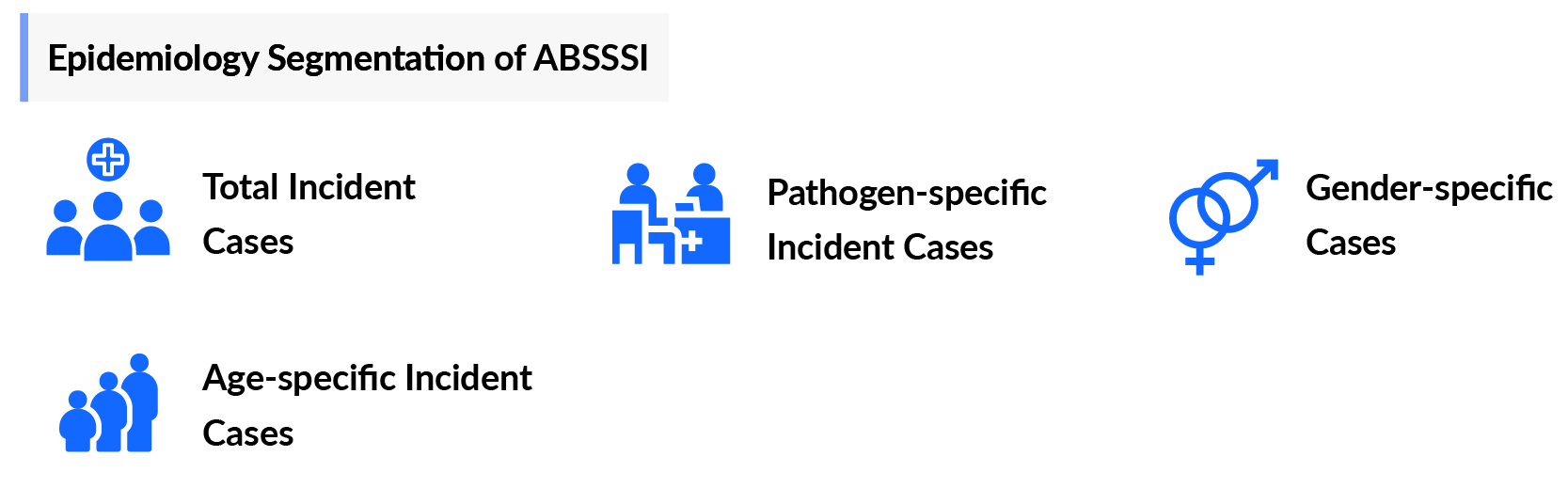
DelveInsight’s comprehensive report titled “Acute Bacterial Skin and Skin-Structure Infection Market Insights, Epidemiology, and Market Forecast 2034” offers a detailed analysis of Acute Bacterial Skin and Skin-Structure Infection (ABSSSI). The report presents historical and projected epidemiological data covering Total Incident Cases of ABSSSI in community/hospital settings , Age-specific Incident Cases of ABSSSI, Gender-specific Incident Cases of ABSSSI and Pathogen-specific Incident Cases of ABSSSI. In addition to epidemiology, the market report encompasses various aspects related to the patient population. These aspects include the diagnosis process, prescription patterns, physician perspectives, market accessibility, treatment options, and prospective developments in the market across seven major markets: the United States, EU4 (Germany, France, Italy, and Spain), the United Kingdom, and Japan, spanning from 2020 to 2034.
The ABSSSI market report analyzes the existing treatment practices and unmet medical requirements in Acute Bacterial Skin and Skin-Structure Infection (ABSSSI). It evaluates the market potential and identifies potential business prospects for enhancing therapies or interventions. This valuable information enables stakeholders to make well-informed decisions regarding product development and strategic planning for the market.
Acute Bacterial Skin and Skin-Structure Infection (ABSSSI) Treatment Market
Acute Bacterial Skin and Skin-Structure Infection (ABSSSI) refers to a broad spectrum of infections involving the skin and underlying soft tissues, typically caused by bacteria. These infections can range from mild to severe and are characterized by localized inflammation, redness, warmth, and sometimes purulent discharge. Common pathogens responsible for ABSSSI include Staphylococcus aureus (including methicillin-resistant strains, MRSA), Streptococcus pyogenes, and other Gram-positive and Gram-negative bacteria.
ABSSSI can manifest as cellulitis, erysipelas, wound infections, or abscesses, with risk factors including compromised immune function, diabetes, obesity, and previous skin trauma or surgery. Prompt identification and management are crucial to prevent complications such as systemic infection or tissue necrosis. Treatment typically involves antibiotics, often guided by culture and sensitivity testing, and supportive measures such as wound care and pain management. Adequate understanding of ABSSSI aids clinicians in selecting appropriate interventions to promote timely resolution and prevent further complications.
Acute Bacterial Skin and Skin-Structure Infection Diagnosis and Treatment Algorithm
Diagnosis of ABSSSI involves a thorough clinical assessment, including evaluation of symptoms such as localized pain, erythema, warmth, and swelling. Diagnostic procedures may include wound culture and sensitivity testing to identify the causative pathogens and determine antibiotic susceptibility. Imaging studies like ultrasound or MRI may be utilized to assess the extent of soft tissue involvement or to detect abscess formation. Additionally, laboratory tests such as complete blood count and inflammatory markers (e.g., C-reactive protein) aid in assessing the severity of infection and guiding treatment decisions. Morevover, diagnosing ABSSSI can be challenging due to varied presentations, overlapping symptoms with other skin conditions, and the necessity for accurate identification of causative bacteria for effective treatment.
Treatment for ABSSSI usually includes an antimicrobial therapy, surgical drainage, and antibiotic therapy.Treatment typically involves antibiotic therapy tailored to the identified pathogen and its susceptibility profile. Empirical antibiotic coverage targeting common pathogens, such as Staphylococcus aureus and Streptococcus pyogenes, is initiated pending culture results. Supportive measures such as wound care, pain management, and appropriate management of comorbidities are also essential components of treatment. In severe cases or those with complications like abscess formation, surgical intervention such as incision and drainage may be necessary. Close monitoring of clinical response and adjusting treatment as needed are crucial for successful management of ABSSSI.
Acute Bacterial Skin and Skin-Structure Infection (ABSSSI) Epidemiology
The epidemiology section on the Acute Bacterial Skin and Skin-Structure Infection Market report offers information on the patient populations, including historical and projected trends for each of the seven major markets. Examining key opinion leader views from physicians or clinical experts can assist in identifying the reasons behind historical and projected trends. The ABSSSI diagnosed patient pool, their trends, and the underlying assumptions are all included in this section of the report.
This section also presents the data with relevant tables and graphs, offering a clear and concise view of the prevalence of Acute Bacterial Skin and Skin-Structure Infection (ABSSSI) . Additionally, the report discloses the assumptions made during the analysis, ensuring data interpretation and presentation transparency. This epidemiological data is valuable for understanding the disease burden and its impact on the patient population across various regions.
Key Findings
- The highest rate of MRSA hospitalization was among the elderly—360.8 MRSA stays per 100,000 patients over 65 years of age which was more than three times higher for any other age group, 114.7 stays for infants, 19.2 for 1- to 17-year-olds, 58.1 for 18- to 44-year-olds, and 111.5 for 45- to 64-year-olds per 100,000.
- As per secondary analysis, ABSSSI accounted for almost 870,000 hospital admissions in the United States in 2004 which represents an increase of almost 30% in the incidence of this diagnosis over a 4-year period.
- Among nearly 5 million adult ABSSSI hospital admission, with admissions increasing 17.3% from 2005-2011. ABSSSI patients were primarily male (50.8%), white (60.3%), mean age 55.7 years.
- According to DelveInsight’s analysis, the incidence of ABSSSI Infection is higher in men than women.
- As per analysis, the microorganisms isolated most frequently from SSTIs were Staphylococcus aureus (29.2%), Pseudomonas aeruginosa (11.9%), E. coli (8.9%) and Enterococcus faecalis (7.4%).
-01.png)
Acute Bacterial Skin and Skin-Structure Infection Market Outlook
ABSSSI treatment aims to alleviate symptoms, enhance quality of life, halt disease progression, and prevent recurrence. Initial management, per IDSA guidelines, often involves oral antibiotics effective against streptococci for typical cellulitis cases. However, the prevalence of MRSA has led to a reevaluation of treatment strategies. Major treatment options for mild cases of non-purulent infections include penicillin, amoxicillin, amoxicillin-clavulanate, dicloxacillin, cephalexin, and clindamycin.
Oral and intravenous options for the treatment of ABSSSIs with activity against MRSA include several long-standing therapies, such as sulfamethoxazole-trimethoprim, clindamycin, minocycline, doxycycline, vancomycin, daptomycin, linezolid, ceftaroline, and telavancin. Antibiotics with activity against MRSA are considered when the infection is associated with penetrating trauma, such as IV drug use. Treatment duration and choice of antibiotic may vary depending on factors like severity, patient-specific characteristics, and antibiotic resistance patterns.
In response to the challenges posed by MRSA, newer antibiotics such as DALVANCE, ORBACTIV, and SIVEXTRO have emerged. These drugs offer extended dosing intervals due to their long half-lives, potentially improving patient compliance and treatment outcomes. Their efficacy against MRSA makes them valuable additions to the treatment armamentarium for ABSSSI.
Furthermore, oritavancin, a lipoglycopeptide antibiotic, presents a promising option. Its unique mechanism of action involves binding to the peptidoglycan precursor lipid II, leading to bacterial cell lysis. Oritavancin's long half-life allows for single-dose administration, simplifying treatment regimens and potentially enhancing patient adherence. Its broad spectrum of activity, including against MRSA, makes it a valuable asset in the management of ABSSSI, offering the potential for improved outcomes and reduced healthcare burden.
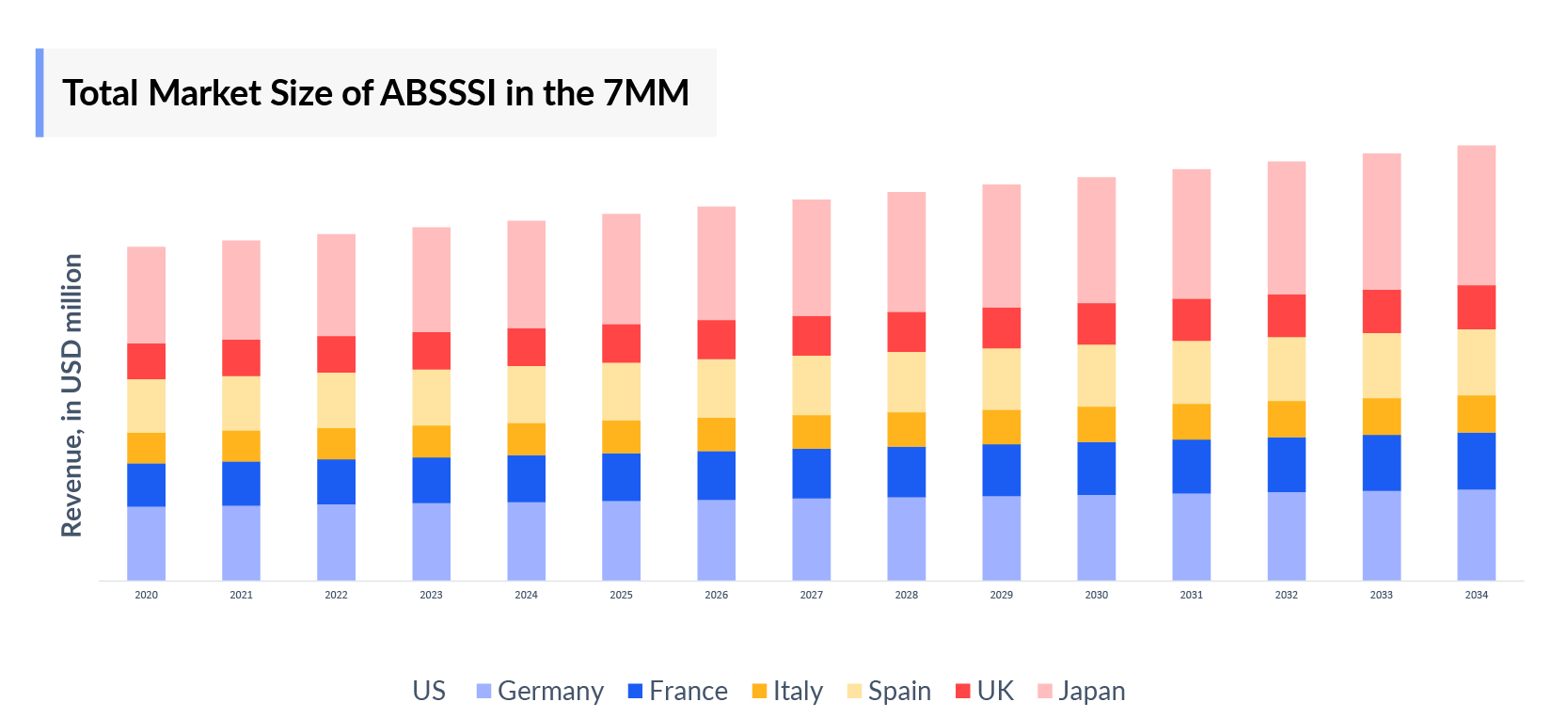
Ongoing research and persistent efforts offer promise for the development of increasingly efficacious treatments and, ultimately, a potential cure for Acute Bacterial Skin and Skin-Structure Infection (ABSSSI), a condition fraught with challenges. DelveInsight forecasts significant transformations in the Acute Bacterial Skin and Skin-Structure Infection Market across the 7MM throughout the study period spanning 2020 to 2034.
Acute Bacterial Skin and Skin-Structure Infection Drug Chapters
ABSSSI Marketed Drugs
DALVANCE (dalbavancin) : ABBVIE /Durata Therapeutics
DALVANCE (dalbavancin), developed by Durata Therapeutics, represents a groundbreaking therapy addressing the root cause of ABSSSI. Approved by the FDA in May 2014, DALVANCE is an intravenous long-acting lipoglycopeptide antibiotic. Its mechanism of action involves targeting cell wall synthesis in Gram-positive bacteria by binding to the D-alanyl-D-alanine terminus of lipid II, a key precursor in this process. Effective against a broad spectrum of Gram-positive bacteria, including MRSA and Streptococcus pyogenes, DALVANCE exhibits bactericidal activity.
What sets DALVANCE apart is its extended half-life, allowing for once-weekly dosing. This convenience not only simplifies treatment regimens but also holds the potential to enhance patient adherence and improve clinical outcomes in ABSSSI management.
ORBACTIV: Melinta Therapeutics
ORBACTIV, a product of The Medicines Company (now part of Melinta Therapeutics), represents a significant breakthrough in ABSSSI treatment. FDA-approved, it offers a novel approach to combating Gram-positive bacterial infections by inhibiting bacterial cell wall synthesis, particularly through binding to the peptidoglycan precursor lipid II. With demonstrated efficacy against various Gram-positive pathogens, including MRSA, ORBACTIV stands out for its unique pharmacokinetic profile, enabling once-daily dosing. This convenience not only simplifies treatment regimens but also holds the potential to enhance patient compliance and improve clinical outcomes in ABSSSI management.
Note: Detailed marketed therapies assessment and full list of therapies will be provided in the final report.
Emerging ABSSSI Drugs
The Acute Bacterial Skin and Skin-Structure Infection Market is expected to experience gradual changes during the forecast period.
MRX-4: MicuRx
MRX-4 is an injectable new oxazolidinone antibacterial agent, for the treatment of multidrug-resistant (MDR) which exhibits potent activity against gram-positive bacteria, including methicillin-resistant Staphylococcus aureus (MRSA), vancomycin-resistant Enterococcus (VRE), and penicillin-resistant Streptococcus pneumoniae (PRSP). In September 2018, the US FDA granted qualified infectious disease product status (QIDP) and fast track designation to contezolid acefosamil for the treatment of acute bacterial skin and skin structure infections (ABSSSI). Currenty, the drug is in Phase III of clinical development.
ZEVTERA (ceftobiprole): Basilea Pharmaceutica
ZEVTERA, developed by Basilea Pharmaceutica, is an intravenous cephalosporin antibiotic with rapid bactericidal activity against a broad spectrum of bacteria, including MSSA, MRSA, and susceptible Pseudomonas spp. It is currently approved for the treatment of hospital-acquired pneumonia. In August 2019, positive topline results from the TARGET study were reported, followed by similarly favorable outcomes from the ERADICATE study in June 2022. Subsequently, in April 2024, the US FDA granted approval for the New Drug Application (NDA) of ceftobiprole. This approval encompasses treatment indications for Staphylococcus aureus bacteremia (SAB), including right-sided infective endocarditis, acute bacterial skin and skin structure infections (ABSSSI), as well as community-acquired bacterial pneumonia (CABP).
Read our Blog: FDA Approves Basilea’s ZEVTERA Antibiotic for Three New Indications
Acute Bacterial Skin and Skin-Structure Infection Market Segmentation
DelveInsight’s ‘Acute Bacterial Skin and Skin-Structure Infection Market Insights, Epidemiology, and Market Forecast – 2034’ report provides a detailed outlook of the current and future Acute Bacterial Skin and Skin-Structure Infection Market, segmented within countries and by therapies. Further, the market of each region is then segmented by each therapy to provide a detailed view of the current and future market share of all therapies.
ABSSSI Market Size by Countries
The ABSSSI Market size is assessed separately for various countries, including the United States, EU4 (Germany, France, Italy, and Spain), the UK, and Japan. Among the 7MM, the United States held a significant share in 2023 in Acute Bacterial Skin and Skin-Structure Infection Market, primarily attributed to the country's higher prevalence of the condition and the elevated cost of the available treatments. This dominance is projected to persist, especially with the potential early introduction of new products.
Acute Bacterial Skin and Skin-Structure Infection Market Size by Therapies
ABSSSI Market Size by Therapies is categorized into current and emerging markets for the study period 2020–2034. Key market players, including MicuRx, Basilea Pharmaceuticals, Nabriva Therapeutics, and others, have demonstrated a keen interest in this disease and are actively pursuing the development of potential treatments.
Acute Bacterial Skin and Skin-Structure Infection Drugs Uptake
This section focuses on the sales uptake of potential Acute Bacterial Skin and Skin-Structure Infection (ABSSSI) drugs that have recently been launched or are anticipated to be launched in the Acute Bacterial Skin and Skin-Structure Infection Market between 2020 and 2034. It estimates the market penetration of Acute Bacterial Skin and Skin-Structure Infection (ABSSSI) drugs for a given country, examining their impact within and across classes and segments. It also touches upon the financial and regulatory decisions contributing to the probability of success (PoS) of the drugs in the Acute Bacterial Skin and Skin-Structure Infection Market.
Note: Detailed assessment of drug uptake will be provided in the full report on Acute Bacterial Skin and Skin-Structure Infection (ABSSSI).
Acute Bacterial Skin and Skin-Structure Infection Market Access and Reimbursement
DelveInsight’s ‘Acute Bacterial Skin and Skin-Structure Infection (ABSSSI) – Market Insights, Epidemiology, and Market Forecast – 2034’ report provides a descriptive overview of the market access and reimbursement scenario of Acute Bacterial Skin and Skin-Structure Infection (ABSSSI) .
This section includes a detailed analysis of the country-wise healthcare system for each therapy, enlightening the market access, reimbursement policies, and health technology assessments.
KOL Views
To keep up with current Acute Bacterial Skin and Skin-Structure Infection Market trends and fill gaps in secondary findings, we interview KOLs and SMEs’ working in the Acute Bacterial Skin and Skin-Structure Infection (ABSSSI) domain. Their opinion helps understand and validate current and emerging therapies and treatment patterns or Acute Bacterial Skin and Skin-Structure Infection Market trends. This will support the clients in potential upcoming novel treatments by identifying the overall scenario of the market and the Acute Bacterial Skin and Skin-Structure Infection (ABSSSI) unmet needs.
Acute Bacterial Skin and Skin-Structure Infection (ABSSSI) : KOL Insights
DelveInsight’s analysts connected with 50+ KOLs to gather insights; however, interviews were conducted with 15+ KOLs in the 7MM. These KOLs were from organizations, institutes, and hospitals, such as the Wayne State University and Detroit Medical Center, Detroit, Michigan, US; Pharmerit International, Bethesda, Maryland, US; Division of Microbiology and Infectious Diseases, Queen's Medical Centre, University Hospital Nottingham, Nottingham, UK; Hampshire Hospitals NHS Foundation Trust, Winchester, UK, among others.
“The incidence of acute skin infections in the United States is significant. Although Staphylococcus aureus and Streptococcus spp. are frequently responsible, there are instances where gram-negative bacteria and mixed infections may also occur.”
Note: Detailed assessment of KOL Views will be provided in the full report on Acute Bacterial Skin and Skin-Structure Infection (ABSSSI).
Competitive Intelligence Analysis
We conduct a Competitive and Market Intelligence analysis of the Acute Bacterial Skin and Skin-Structure Infection Market, utilizing various Competitive Intelligence tools such as SWOT analysis, Conjoint Analysis, and Market entry strategies. The inclusion of these analyses is contingent upon data availability, ensuring a comprehensive and well-informed assessment of the market landscape and competitive dynamics.
The emerging Acute Bacterial Skin and Skin-Structure Infection (ABSSSI) therapies are analyzed based on various attributes such as safety and efficacy in randomized clinical trials, order of entry and other market dynamics, and the unmet need they fulfill in the Acute Bacterial Skin and Skin-Structure Infection Market.
Note: Detailed assessment of SWOT Analysis and Conjoint Analsysis will be provided in the full report on Acute Bacterial Skin and Skin-Structure Infection (ABSSSI).
Acute Bacterial Skin and Skin-Structure Infection (ABSSSI) Pipeline Development Activities
The report offers an analysis of therapeutic candidates in Phase II and III stages and examines companies involved in developing targeted therapeutics for Acute Bacterial Skin and Skin-Structure Infection (ABSSSI). It provides valuable insights into the advancements and progress of potential treatments in clinical development for this condition.
Pipeline Development Activities
The report covers information on collaborations, acquisition and merger, licensing, patent details, and other information for emerging Acute Bacterial Skin and Skin-Structure Infection (ABSSSI) therapies.
Acute Bacterial Skin and Skin-Structure Infection Market Report Insights
- ABSSSI Patient Population
- ABSSSI Therapeutic Approaches
- ABSSSI Pipeline Analysis
- ABSSSI Market Size and Trends
- ABSSSI Market Opportunities
- Impact of Upcoming ABSSSI Therapies
Acute Bacterial Skin and Skin-Structure Infection Market Report Key Strengths
- 11 Years Forecast
- The 7MM Coverage
- Acute Bacterial Skin and Skin-Structure Infection (ABSSSI) Epidemiology Segmentation
- Key Cross Competition
- Highly Analyzed Acute Bacterial Skin and Skin-Structure Infection Market
- ABSSSI Drugs Uptake
Acute Bacterial Skin and Skin-Structure Infection Report Assessment
- Current ABSSSI Treatment Practices
- ABSSSI Unmet Needs
- ABSSSI Pipeline Product Profiles
- ABSSSI Market Attractiveness
- ABSSSI Market Drivers
- ABSSSI Maket Barriers
Key Questions
- How common is Acute Bacterial Skin and Skin-Structure Infection (ABSSSI) ?
- What are the key findings of Acute Bacterial Skin and Skin-Structure Infection (ABSSSI) epidemiology across the 7MM, and which country will have the highest number of patients during the study period (2020–2034)?
- What are the currently available treatments for Acute Bacterial Skin and Skin-Structure Infection (ABSSSI) ?
- What is the disease risk, burden, and unmet needs of Acute Bacterial Skin and Skin-Structure Infection (ABSSSI) ?
- At what CAGR is the Acute Bacterial Skin and Skin-Structure Infection Market and its epidemiology expected to grow in the 7MM during the forecast period (2024–2034)?
- How would the unmet needs impact the Acute Bacterial Skin and Skin-Structure Infection Market dynamics and subsequently influence the analysis of the related trends?
- What would be the forecasted patient pool of Acute Bacterial Skin and Skin-Structure Infection (ABSSSI) in the 7MM covering the United States, EU4 (Germany, France, Italy, and Spain), the UK, and Japan?
- Among EU4 and the UK, which country will have the highest number of patients during the forecast period (2024–2034)?
- How many companies are currently developing therapies for the treatment of Acute Bacterial Skin and Skin-Structure Infection (ABSSSI) ?