Asphyxia Epidemiology Summary
- Asphyxia Epidemiological evidence suggests a higher incidence among males than females, with a substantial proportion of affected individuals having underlying chronic comorbidities
- Many patients surviving severe asphyxia continue to experience long-term complications such as cognitive impairment, seizures, and motor dysfunction. Lack of standardized biomarkers and prognostic tools for early assessment of neurological injury severity and recovery potential.
Asphyxia Epidemiology Insights and Forecast
- Asphyxia is a life-threatening condition characterized by inadequate oxygen delivery to tissues, resulting in cellular hypoxia, metabolic dysfunction, and potential multi-organ failure. It may arise from airway obstruction, respiratory compromise, environmental oxygen deprivation, or conditions that impair oxygen transport and utilization. Without prompt intervention, severe asphyxia can lead to irreversible neurological injury or death.
- Early recognition remains a critical determinant of outcome. Delays in diagnosis, resuscitation, or restoration of adequate oxygenation are associated with increased mortality and a higher risk of long-term neurological sequelae.
Asphyxia Syndrome Epidemiology Forecast in the 7MM
DelveInsight's ‘Asphyxia Epidemiology Forecast – 2036’ report delivers an in-depth understanding of the asphyxia, historical and forecasted epidemiology in the United States, EU4 (Germany, Spain, Italy, and France) and the United Kingdom, and Japan.
Scope of Asphyxia Epidemiology | |
|
Study Period |
2022–2036 |
|
Historical Year |
2022–2025 |
|
Forecast Period |
2026–2036 |
|
Base Year |
2026 |
|
Geographies Covered |
|
|
Asphyxia Epidemiology CAGR (Forecast Period 2026–2036) |
~X% (2026–2036) |
|
Asphyxia Epidemiology Segmentation Analysis |
Asphyxia Patient Burden Assessment
|
Asphyxia Understanding and Diagnosis
Asphyxia Overview and Diagnosis
Asphyxia is a serious and potentially fatal condition caused by inadequate oxygen supply to the body, resulting in impaired tissue function and possible organ damage. It may occur due to airway blockage, respiratory insufficiency, reduced environmental oxygen, or disruption of oxygen transport within the bloodstream. Without immediate medical intervention, prolonged oxygen deprivation can lead to permanent brain injury, multiorgan failure, or death.
Asphyxia can develop in both acute and chronic forms and is commonly associated with conditions such as choking, drowning, strangulation, suffocation, toxic gas inhalation, severe respiratory disorders, and neuromuscular diseases affecting breathing.
Asphyxia Diagnosis is primarily clinical and requires rapid assessment of airway patency, breathing, circulation, oxygen saturation, and neurological status. Pulse oximetry is commonly used to evaluate oxygenation, while arterial blood gas (ABG) analysis helps assess hypoxemia, hypercapnia, and acid–base disturbances. Additional investigations may include chest radiography, CT imaging, bronchoscopy, or other tests to identify underlying causes such as airway obstruction, pulmonary disease, or trauma.
In cases of suspected toxic exposure, specific laboratory tests (e.g., carboxyhemoglobin levels for carbon monoxide poisoning) may be performed. For neonatal asphyxia, diagnosis is supported by low Apgar scores, umbilical cord blood gas analysis, evidence of metabolic acidosis, and signs of multi-organ dysfunction.
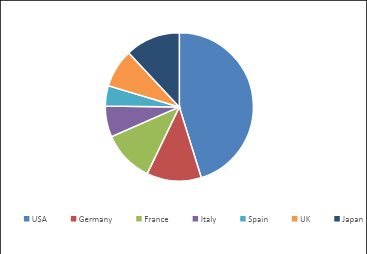
Total Diagnosed Incident Cases of Asphyxia in the 7MM in 2025
Asphyxia Epidemiology
Key Findings from Asphyxia Epidemiological Analysis and Forecast
- As per secondary analysis, males are more common than females, and most patients had chronic conditions.
- As per secondary analysis, the incidence of suffocation injuries treated in emergency departments was approximately 20 per 100,000 individuals.
- According to the secondary search, inhalation and ingestion of food causing obstruction of the respiratory tract or suffocation was the most common presentation (51.6%), followed by suicide and self-inflicted injury by hanging, strangulation, and suffocation (39.3%).
Scope of the Asphyxia Epidemiology Report
- The Asphyxia Epidemiology Report covers a segment of key events, an executive summary, a descriptive overview, explaining its causes, signs and symptoms, and pathogenesis.
- Comprehensive insight has been provided into the epidemiology segments and forecasts, the future growth potential of the diagnosis rate, and disease progression.
Get More Insights into the Report @ Asphyxia Treatment Market Size
Asphyxia Epidemiology Report Insights
- Asphyxia Patient Population Forecast
Asphyxia Epidemiology Report Key Strengths
- Epidemiology‑based (Epi‑based) Bottom‑up Forecasting
- Artificial Intelligence (AI)-Enabled Market Research Report
- 11-Year Forecast
Key Questions Answered in the Asphyxia Epidemiology Report
- What are the disease risks, burdens, and unmet needs of asphyxia?
- What will be the growth opportunities across the 7MM concerning the patient population with asphyxia?
- What is the Asphyxia Incidence in the US, EU4 (Germany, France, Italy, and Spain), the UK, and Japan?
- What is the historical and forecasted asphyxia patient pool in the US, EU4 (Germany, France, Italy, and Spain), the UK, and Japan?
Reasons to Buy the Asphyxia Epidemiology Report
- Insights on asphyxia burden and disease: Asphyxia Incidence, evolution in diagnosis, and factors contributing to the change in the epidemiology of the disease during the forecast years.
- To understand key opinion leaders’ perspectives around the diagnostic challenges to overcome barriers in the future.
- Detailed insights on various factors hampering disease diagnosis and other existing diagnostic challenges.
- Clear methodology, validated assumptions, and data-driven rationale to assess the asphyxia epidemiology analysis and patient population trends.
Stay updated with us for Recent Articles @ New DelveInsight Blogs