
Fibromyalgia Market
Key Highlights
- The Fibromyalgia market is expected to experience significant growth during the forecast period (2026–2036). The positive trend in market growth is a direct consequence of various market-driving factors such as the rising prevalence of fibromyalgia, technological advancements, increasing awareness of the disease, and the development of innovative treatment options.
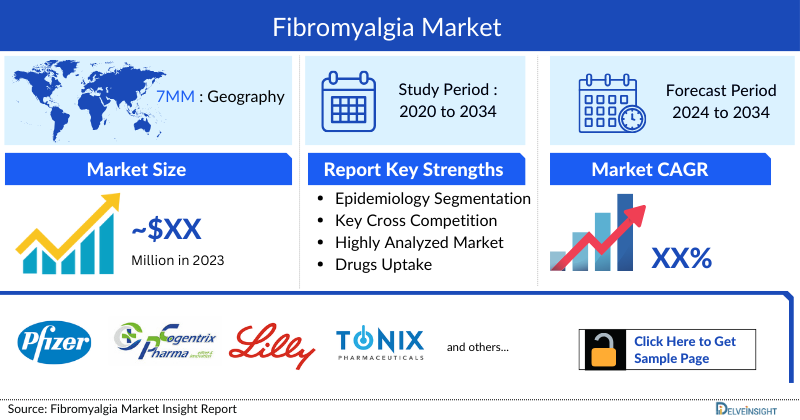
- The current fibromyalgia market is dominated by big pharmaceutical companies like Pfizer, Cogentrix Pharma, Eli Lilly and Company offering various approved therapies such as LYRICA, CYMBALTA, and SAVELLA for the treatment of fibromyalgia and is anticipated to experience significant growth in the coming years.
- To propel the market in the coming years, several companies like Tonix Pharmaceutical and UCB Biopharma SRL developing their assets like TNX102 SL and rozanolixizumab for fibromyalgia. Due to the anticipated approval of all emerging therapies that are under development in the coming years, the overall fibromyalgia therapeutics market is expected to grow at a significant CAGR over the forecast period [2026–2036].
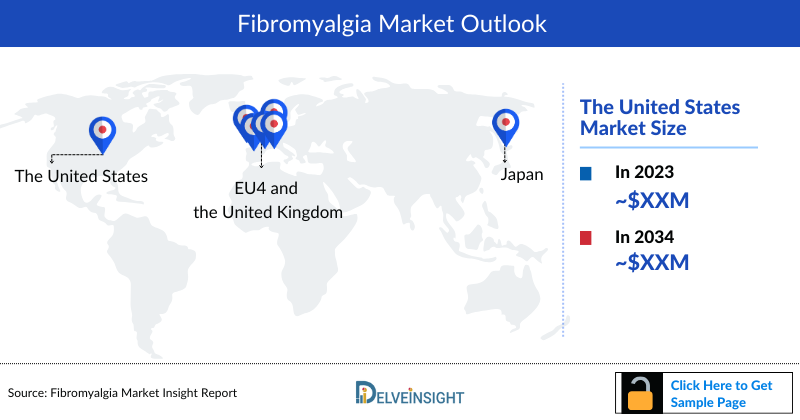
DelveInsight’s comprehensive report titled “Fibromyalgia— Market Insights, Epidemiology, and Market Forecast – 2036” offers a detailed analysis of Fibromyalgia. The report presents historical and projected epidemiological data covering total diagnosed prevalent cases of fibromyalgia, gender-specific cases of fibromyalgia, severity-specific cases of fibromyalgia, and treated cases of fibromyalgia In addition to epidemiology, the market report encompasses various aspects related to the patient population. These aspects include the diagnosis process, prescription patterns, physician perspectives, market accessibility, treatment options, and prospective developments in the market across seven major markets: the United States, EU4 (Germany, France, Italy, and Spain), the United Kingdom, and Japan, spanning from 2022 to 2036.
The report analyzes the existing treatment practices and unmet medical requirements in fibromyalgia. It evaluates the market potential and identifies potential business prospects for enhancing therapies or interventions. This valuable information enables stakeholders to make well-informed decisions regarding product development and strategic planning for the market.
Key Factors Driving Fibromyalgia Market
Patient Burden and Comorbidities: Fibromyalgia profoundly impairs a patient's overall quality of life, everyday physical functioning, and long-term symptom management. The clinical burden is heavily compounded by frequent, overlapping comorbidities, most notably anxiety, depression, chronic headaches, and non-restorative sleep disturbances.
Recent Regulatory Milestones: A major inflection point in the market was the US FDA approval of TONMYA (cyclobenzaprine HCl sublingual tablets). This represents a significant market event as it is the first newly approved therapy for fibromyalgia in over 15 years, shifting the established treatment paradigm.
Emerging Pipeline Analysis: The current developmental pipeline for fibromyalgia remains relatively limited, signaling slow clinical innovation. A notable investigational asset highlighted in development is ONO-1110 (currently in Phase IIa), which represents one of the few emerging assets that could alter the future therapeutic outlook.
Fibromyalgia Overview
Fibromyalgia, also known as fibromyalgia syndrome, is a prevalent and complex chronic pain illness that causes musculoskeletal pain, exhaustion, and localized soreness and has an impact on people’s emotional, physical, and social well-being. It is primarily caused by hereditary disorders, however, the exact reason is unknown. Chronic muscle pain, exhaustion, sleeping issues, and painful spots are the most prevalent fibromyalgia symptoms. Fibromyalgia patients may also experience despair, headaches, and difficulty concentrating. The etiology and pathogenesis of fibromyalgia are still not fully understood. Several factors such as dysfunction of the central and autonomic nervous systems, neurotransmitters, hormones, immune system, external stressors, psychiatric aspects, and others seem to be involved.
Fibromyalgia Diagnosis and Treatment Algorithm
There is no specific test to diagnose fibromyalgia, and the process involves ruling out other conditions that may present similar symptoms through a physical exam, discussion of symptoms, and potentially blood tests or imaging to rule out other possible causes of the symptoms. The diagnosis is often made by a healthcare provider after considering the patient's symptoms, and medical history, and ruling out other conditions with similar symptoms.
The treatments applied to fibromyalgia are varied, and most often consist of a combination of medications with lifestyle changes. The majority of physicians use an empirical approach, varying the drugs and dosages they administer until they find what works best for each patient. The US FDA has approved three drugs to treat fibromyalgia—LYRICA (pregabalin), CYMBALTA (duloxetine), and SAVELLA (milnacipran).
LYRICA is an anti-epileptic, while CYMBALTA and SAVELLA are antidepressants. Apart from these approved therapies, there are a variety of drugs and medications that treat the gamut of fibromyalgia symptoms. Treatments for fibromyalgia also include therapy, regular aerobic exercise, medicines, stress reduction, and others. Major players emerging at the global level are UCB Biopharma SRL, Tonix Pharmaceuticals, and others.
Fibromyalgia Epidemiology
The epidemiology section on the Fibromyalgia market report offers information on the patient populations, including historical and projected trends for each of the seven major markets. Examining key opinion leader views from physicians or clinical experts can assist in identifying the reasons behind historical and projected trends. The diagnosed patient pool, their trends, and the underlying assumptions are all included in this section of the report.
This section also presents the data with relevant tables and graphs, offering a clear and concise view of the prevalence of fibromyalgia. Additionally, the report discloses the assumptions made during the analysis, ensuring data interpretation and presentation transparency. This epidemiological data is valuable for understanding the disease burden and its impact on the patient population across various regions.
Key Findings
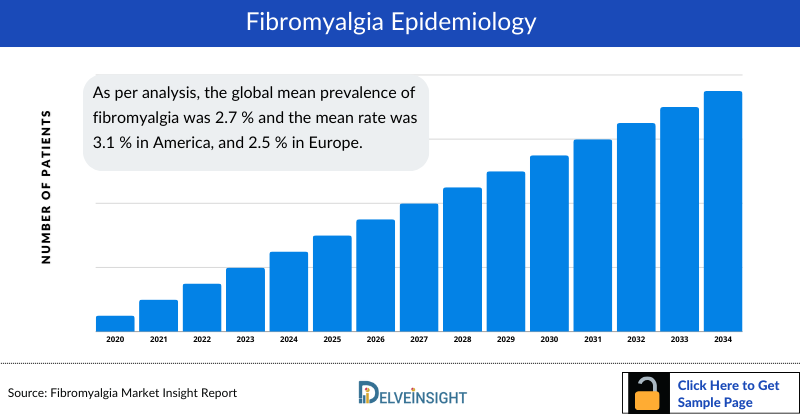
- As per analysis, the global mean prevalence of fibromyalgia was 2.7 % and the mean rate was 3.1 % in America, and 2.5 % in Europe.
- Based on our analysis it is estimated that the prevalence of fibromyalgia in the general population was estimated in the United States to be around 2% and it affects females more frequently than males.
- As per analysis, it is estimated that around 2 million people in Japan have fibromyalgia and it is common among women in their 30s and 40s.
- Our analysis suggests an overall age- and sex-adjusted prevalence for fibromyalgia was around 3% (around 5% in women and 2% in men). It was also found that peak prevalence in men was found in middle age whereas in women the prevalence steadily increases with age.
Fibromyalgia Market Outlook
Owing to the nature of the disease, the treatment landscape of the Fibromyalgia market is diverse and most often consists of a combination of medications with lifestyle changes. The majority of physicians use an empirical approach, varying the drugs and dosages they administer until they find what works best for each patient. In the US, the US FDA has approved three drugs to treat fibromyalgia. LYRICA (pregabalin), CYMBALTA (duloxetine), and SAVELLA (milnacipran) are the drugs approved by the US FDA for fibromyalgia.
Additionally, pain relievers such as acetaminophen and ibuprofen can help reduce pain, while physical therapy, occupational therapy, and counseling can play a significant role in managing the condition. Exercise, stress management, good sleep hygiene, and maintaining a healthy lifestyle are also crucial aspects of fibromyalgia treatment.
The fibromyalgia market is anticipated to undergo dynamic shifts in the coming years due to increased healthcare spending worldwide, with key global players including UCB Biopharma SRL, Tonix Pharmaceuticals, and Virios Therapeutics, Inc., among others, poised to drive these changes.
With ongoing research and continued dedication, the future holds hope for even more effective treatments and, ultimately, a cure for this challenging condition. According to DelveInsight, the fibromyalgia market in the 7MM is expected to change significantly during the study period 2022–2036.
Fibromyalgia Recent Developments
- In August 2025, the FDA approved Tonmya™ (cyclobenzaprine HCl sublingual tablets) as the first new therapy in over 15 years for fibromyalgia in adults. The non-opioid, once-daily analgesic is designed for rapid absorption.
- In March 2025, Tonix Pharmaceuticals announced that the FDA will not require an Advisory Committee meeting for its New Drug Application (NDA) for TNX-102 SL (cyclobenzaprine HCl sublingual tablets) for managing fibromyalgia. If approved, TNX-102 SL would be the first new treatment option for fibromyalgia patients in 15 years.
- In February 2025, Swing Therapeutics announced that Stanza, its digital therapeutic for treating fibromyalgia symptoms, received a positive coverage decision from Highmark Health. Highmark’s commercial members in Pennsylvania, West Virginia, Delaware, and New York now have access to the treatment by prescription, with insurance reimbursement.
- In December 2024, Tonix Pharmaceuticals Holding Corp. (Nasdaq: TNXP) announced FDA acceptance of its New Drug Application (NDA) for TNX-102 SL (cyclobenzaprine HCl sublingual tablets, 5.6 mg). This non-opioid, centrally-acting analgesic is intended for the management of fibromyalgia.
Fibromyalgia Drug Chapters
Marketed Fibromyalgia Drugs
LYRICA (pregabalin)
LYRICA (pregabalin) is marketed by Pfizer. Pregabalin, (S)-3-(aminomethyl)-5-methylhexanoic acid, is a pharmacologically active S-enantiomer of a racemic 3-isobutyl gamma amino butyric acid analogue. It is a well-established anticonvulsant and analgesic agent. Pregabalin is an antagonist of voltage-gated Ca2+ channels and specifically binds to the alpha-2-delta subunit to produce antiepileptic and analgesic actions. It successfully alleviates the symptoms of various types of neuropathic pain. The recommended dose for Fibromyalgia is 300 mg/day. It got its initial approval by the US FDA in 2004.
CYMBALTA (durotexine)
CYMBALTA (durotexine) is developed by Eli Lilly and Company. CYMBALTA blocks serotonin and norepinephrine from re-entering cells and therefore increases the levels of these substances. This process is thought to improve mood and relieve pain in patients with fibromyalgia. CYMBALTA is a capsule that is taken by mouth once a day. The recommended dose is 60 milligrams a day. However, sometimes doctors recommend taking 30 milligrams a day for the first week, before increasing you to the full dose. It got its initial approval by the US FDA in 2004.
|
Drug |
MoA |
RoA |
Company |
|
LYRICA (pregabalin) |
Binding to alpha2-delta site |
Oral |
Pfizer |
|
CYMBALTA (durotexine) |
Oral dual reuptake inhibitor that enhances the level of neurotransmitters. |
Oral |
Eli Lilly and Company |
|
XXX |
XX |
X |
XXX |
Note: Detailed marketed therapies assessment will be provided in the final report.
Emerging Fibromyalgia Drugs
The pipeline of fibromyalgia is quite robust with several products available in the developmental stage. There are several key players involved in the development of promising products such as ONO-1110: Ono Pharma
and others.
ONO-1110: Ono Pharma
ONO-1110 is an investigational oral small-molecule therapy being developed by Ono Pharmaceutical for the treatment of fibromyalgia. It is designed to act via endocannabinoid system modulation, a mechanism that may influence pain pathways and central sensitization.
ONO-1110 is currently being evaluated in a Phase IIa, randomized, double-blind, placebo-controlled, multicenter clinical trial in adult patients with fibromyalgia to assess its efficacy and safety compared with placebo. The study, which plans to enroll approximately 160 participants, remains active and recruiting, with results expected upon completion of the trial.
|
Drug |
MoA |
RoA |
Company |
Phase |
|
TNX102 SL |
Trimodal MOA addressing sleep disturbances. |
Oral |
Tonix Pharmaceutical |
III |
|
Rozanolixizumab |
FcRn inhibitor |
Oral |
UCB Biopharma SRL |
II |
|
XXX |
XX |
X |
XXX |
X |
Note: Detailed emerging therapies assessment will be provided in the final report.
Fibromyalgia Market Segmentation
DelveInsight’s ‘Fibromyalgia Market Insights, Epidemiology, and Market Forecast – 2036’ report provides a detailed outlook of the current and future fibromyalgia market, segmented within countries, by therapies, and by classes. Further, the market of each region is then segmented by each therapy to provide a detailed view of the current and future market share of all therapies.
Fibromyalgia Market Size by Countries
The Fibromyalgia market size is assessed separately for various countries, including the United States, EU4 (Germany, France, Italy, and Spain), the UK, and Japan. In 2022, the United States held a significant share of the overall 7MM (Seven Major Markets) Fibromyalgia market, primarily attributed to the country's higher prevalence of the condition and the elevated cost of the available treatments. This dominance is projected to persist, especially with the potential early introduction of new products.
Fibromyalgia Market Size by Therapies
Fibromyalgia Market Size by Therapies is categorized into current and emerging markets for the study period 2022–2036. One of the emerging drugs anticipated to launch during the forecast period is Rozanolixizumab by UCB Biopharma SRL.
Note: Detailed market segment assessment will be provided in the final report.
Fibromyalgia Drugs Uptake
This section focuses on the sales uptake of potential fibromyalgia drugs that have recently been launched or are anticipated to be launched in the fibromyalgia market between 2022 and 2036. It estimates the market penetration of fibromyalgia drugs for a given country, examining their impact within and across classes and segments. It also touches upon the financial and regulatory decisions contributing to the probability of success (PoS) of the drugs in the fibromyalgia market.
The emerging fibromyalgia therapies are analyzed based on various attributes such as safety and efficacy in randomized clinical trials, order of entry and other market dynamics, and the unmet need they fulfill in the fibromyalgia market.
Note: Detailed assessment of drug uptake and attribute analysis will be provided in the full report on fibromyalgia
Fibromyalgia Market Access and Reimbursement
DelveInsight’s ‘Fibromyalgia – Market Insights, Epidemiology, and Market Forecast – 2036’ report provides a descriptive overview of the market access and reimbursement scenario of fibromyalgia.
This section includes a detailed analysis of the country-wise healthcare system for each therapy, enlightening the market access, reimbursement policies, and health technology assessments.
KOL Views
To keep up with current Fibromyalgia market trends and fill gaps in secondary findings, we interview KOLs and SMEs working in the Fibromyalgia domain. Their opinion helps understand and validate current and emerging therapies and treatment patterns or fibromyalgia market trends. This will support the clients in potential upcoming novel treatments by identifying the overall scenario of the market and the fibromyalgia unmet needs.
Fibromyalgia: KOL Insights
DelveInsight’s analysts connected with 50+ KOLs to gather insights; however, interviews were conducted with 15+ KOLs in the 7MM. These KOLs were from organizations, institutes, and hospitals, such as Stanford Medicine, Mayo Clinic, and Lifespan/Brown University among others.
“The rising prevalence of fibromyalgia and awareness regarding its early diagnosis is the key fibromyalgia industry impacting factors”.
“Fibromyalgia is a chronic condition characterized by widespread musculoskeletal pain, fatigue, sleep disturbances, and cognitive difficulties. It is believed to involve the amplification of pain signals in the central nervous system”.
Note: Detailed assessment of KOL Views will be provided in the full report on fibromyalgia.
Competitive Intelligence Analysis
We conduct a Competitive and Market Intelligence analysis of the Fibromyalgia Market, utilizing various Competitive Intelligence tools such as SWOT analysis and Market entry strategies. The inclusion of these analyses is contingent upon data availability, ensuring a comprehensive and well-informed assessment of the market landscape and competitive dynamics.
Fibromyalgia Pipeline Development Activities
The report offers an analysis of therapeutic candidates in Phase II and III stages and examines companies involved in developing targeted therapeutics for fibromyalgia. It provides valuable insights into the advancements and progress of potential treatments in clinical development for this condition.
Pipeline Development Activities
The report covers information on collaborations, acquisition and merger, licensing, patent details, and other information for emerging Fibromyalgia therapies.
Fibromyalgia Report Insights
- Fibromyalgia Patient Population
- Therapeutic Approaches
- Fibromyalgia Pipeline Analysis
- Fibromyalgia Market Size and Trends
- Fibromyalgia Market Opportunities
- Impact of Upcoming Therapies
Fibromyalgia Report Key Strengths
- 11 Years Forecast
- The 7MM Coverage
- Fibromyalgia Epidemiology Segmentation
- Key Cross Competition
- Highly Analyzed Fibromyalgia Market
- Fibromyalgia Drugs Uptake
Fibromyalgia Report Assessment
- Fibromyalgia Current Treatment Practices
- Unmet Needs
- Fibromyalgia Pipeline Product Profiles
- Fibromyalgia Market Attractiveness
Key Questions
- How common is Fibromyalgia?
- What are the key findings of Fibromyalgia epidemiology across the 7MM, and which country will have the highest number of patients during the study period (2022–2036)?
- What are the currently available treatments for Fibromyalgia?
- What are the disease risks, burdens, and unmet needs of Fibromyalgia?
- At what CAGR is the Fibromyalgia market and its epidemiology is expected to grow in the 7MM during the forecast period (2026–2036)?
- How would the unmet needs impact the Fibromyalgia market dynamics and subsequently influence the analysis of the related trends?
- What would be the forecasted patient pool of Fibromyalgia in the 7MM covering the United States, EU4 (Germany, France, Italy, and Spain), the UK, and Japan?
- Among EU4 and the UK, which country will have the highest number of patients during the forecast period (2022–2036)?
- How many companies are currently developing therapies for the treatment of Fibromyalgia?