%20Vaccines.png&w=256&q=75)
Human Papillomavirus Vaccines Market Summary
- The global Human Papillomavirus vaccines market is expected to increase from USD 8,904.16 million in 2025 to USD 18,416.14 million by 2034, reflecting strong and market is growing at a CAGR of 8.48% during the forecast period from 2026 to 2034.
- The Human Papillomavirus Vaccines Market companies developing therapies include- Merck & Co., GlaxoSmithKline plc, Serum Institute of India, Xiamen Innovax Biotech Co., Ltd., Walvax Biotechnology Co., Ltd., Wantai BioPharm, and Bharat Biotech., and others.
Human Papillomavirus Vaccines Market and Epidemiology Analysis
- The rising burden of HPV-related cancers, particularly Cervical cancer, is creating a strong need for preventive solutions, directly increasing demand for HPV vaccines. At the same time, large-scale immunization programs supported by organizations like the World Health Organization and national governments are ensuring wider access and higher vaccination coverage. Growing awareness and screening initiatives are encouraging early vaccination, especially among adolescents, while the expansion of vaccination recommendations to males is significantly enlarging the target population. Collectively, these factors are driving higher adoption rates, expanding the eligible population base, and accelerating the overall growth of the HPV vaccines market globally.
- The leading companies operating in the Human Papillomavirus vaccines market include GlaxoSmithKline, Xiamen Innovax, Walvax Biotechnology, Merck & Co., Serum Institute of India, and others.
- North America is expected to dominate the Human Papillomavirus (HPV) vaccines market due to high awareness of HPV-related diseases, such as Cervical cancer, well-established immunization programs, and strong recommendations from health authorities like the Centers for Disease Control and Prevention. Additionally, the widespread adoption of advanced vaccines such as Gardasil 9, high healthcare expenditure, and early inclusion of both males and females in vaccination programs are further supporting the region’s market leadership.
- In the vaccine type segment of the Human Papillomavirus vaccines market, the quadrivalent category is estimated to account for the largest market share in 2025.
-Vaccines-Market-Analysis.png)
Request for unlocking the report of the @ Human Papillomavirus Vaccines Market
Human Papillomavirus Vaccines Market Size and Forecasts
|
Report Metrics |
Details |
|
2025 Market Size |
USD 8,904.16 million |
|
2034 Projected Market Size |
USD 18,416.14 million |
|
Growth Rate (2026-2034) |
8.48% CAGR |
|
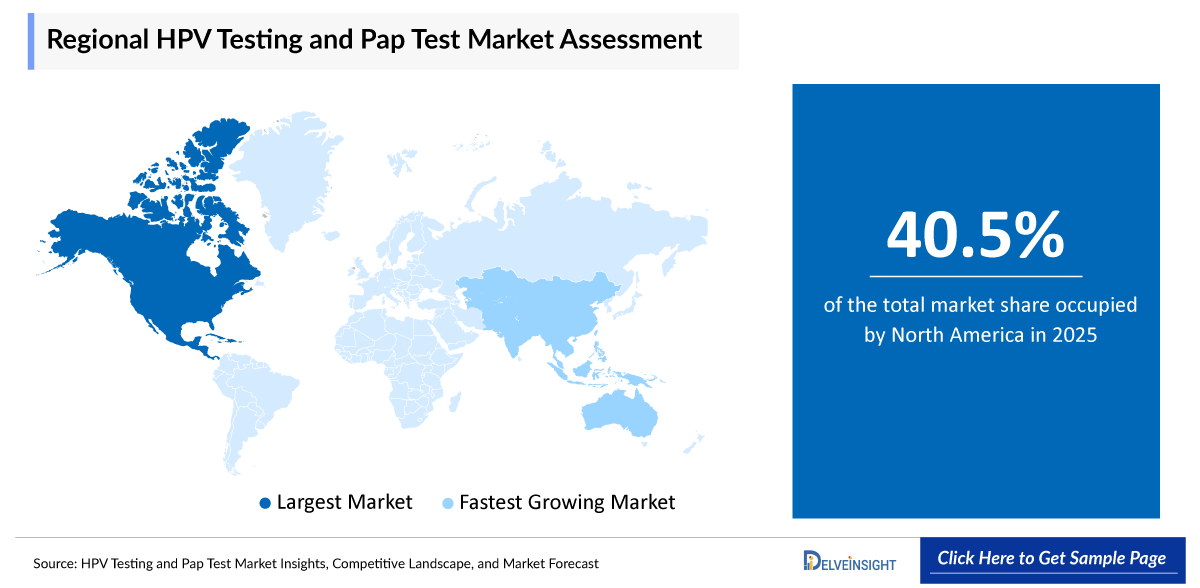
Largest Market |
North America |
|
Fastest Growing Market |
Asia-Pacific |
|
Market Structure |
Moderately Concentrated |
Factors Contributing to the Growth of the Human Papillomavirus Vaccines Market
- Rising burden of HPV-related cancers leading to a surge in Human Papillomavirus vaccines: The increasing incidence of Cervical cancer, along with anal, oropharyngeal, and other HPV-associated cancers, is a major growth driver. HPV is responsible for the majority of cervical cancer cases globally, especially in low- and middle-income countries, creating strong demand for preventive vaccination.
- Government immunization programs & policy support: National immunization initiatives and global programs led by organizations such as the World Health Organization and Gavi, the Vaccine Alliance, are significantly boosting vaccine adoption. Many countries are integrating HPV vaccines into routine immunization schedules for adolescents.
- Increasing awareness & screening initiatives: Growing awareness about HPV infections and preventive healthcare, along with cervical cancer screening programs (Pap tests and HPV testing), is encouraging early vaccination, particularly among adolescents and young adults.
- Expansion of vaccination to the male population: Earlier, HPV vaccination programs focused primarily on females. However, increasing awareness of HPV-related cancers in men (such as throat and anal cancers) has expanded vaccination recommendations to males, thereby enlarging the target population.
Human Papillomavirus Vaccines Market Report Segmentation
This Human Papillomavirus vaccines market report offers a comprehensive overview of the global Human Papillomavirus vaccines market, highlighting key trends, growth drivers, challenges, and opportunities. It covers detailed market segmentation by Vaccine Type (Bivalent, Quadrivalent, and Nonavalent), Indication (Cervical Cancer, Anal Cancer, Oropharyngeal (throat) Cancer, Vaginal & Vulvar Cancers, Penile Cancer, and Genital Warts), Gender (Male and Female), Distribution Channel (Government Suppliers, Hospitals, and Pharmacies), and geography. The report provides valuable insights into the competitive landscape, regulatory environment, and market dynamics across major markets, including North America, Europe, and Asia-Pacific. Featuring in-depth profiles of leading industry players and recent product innovations, this report equips businesses with essential data to identify market potential, develop strategic plans, and capitalize on emerging opportunities in the rapidly growing Human Papillomavirus vaccines market.
Human Papillomavirus (HPV) vaccines are preventive vaccines designed to protect against Human Papillomavirus infection, a common viral infection that can lead to several cancers and genital warts. These vaccines work by stimulating the immune system to recognize and fight high-risk HPV types, particularly those responsible for cervical cancer and other HPV-related diseases, thereby reducing the risk of infection and long-term complications.
The rising global burden of HPV-related cancers, particularly cervical cancer, is significantly increasing the demand for effective preventive measures such as HPV vaccines. Cervical cancer remains one of the leading causes of cancer-related mortality among women, especially in low- and middle-income countries, thereby creating an urgent need for large-scale vaccination programs. In response, governments and international organizations such as the World Health Organization are actively implementing national immunization strategies and awareness campaigns to improve vaccine accessibility and coverage. These initiatives, including school-based vaccination programs and public health funding, are playing a crucial role in boosting vaccine uptake.
Simultaneously, increasing awareness regarding HPV infections and the availability of screening methods such as Pap tests and HPV testing are encouraging early vaccination, particularly among adolescents, before exposure to the virus. This proactive approach toward preventive healthcare is further strengthening market growth. Moreover, the expansion of HPV vaccination recommendations to include males due to the growing recognition of HPV-related cancers in men, such as oropharyngeal and anal cancers, has significantly broadened the target population. As a result, the combined impact of rising disease burden, strong policy support, enhanced awareness, and expanding vaccination coverage across both genders is driving higher adoption rates and accelerating the overall growth of the global HPV vaccines market.
Get More Insights into the Report @ Human Papillomavirus Vaccines Market
What are the latest Human Papillomavirus vaccines market dynamics and trends?
The rising burden of HPV-related cancers, particularly cervical cancer, is significantly increasing the demand for effective preventive measures such as HPV vaccines worldwide.
According to the data provided by the International Agency for Research on Cancer (2025), in 2025, the estimated new cases of cervical cancer were 7,02,616, and the projections further estimated that these cases would rise to 9,08,612 by 2045.
Additionally, as per the data provided by the World Health Organization (2024), in 2019, HPV caused an estimated 6,20,000 cancer cases in women and 70,000 cancer cases in men. The increasing incidence of cancers of the Cervix uteri, particularly Cervical cancer caused by Human Papillomavirus infection, is a major factor driving the demand for HPV vaccines. Since HPV is the primary cause of cervical cancer, the growing disease burden has heightened the focus on preventive healthcare and early vaccination. Governments and healthcare organizations are increasingly promoting HPV immunization to reduce cancer incidence and mortality, which in turn is boosting vaccine adoption and contributing to the overall growth of the HPV vaccines market.
Additionally, Government immunization programs and increasing awareness with screening initiatives are collectively playing a crucial role in accelerating the growth of the HPV vaccines market by improving both access and demand simultaneously. Large-scale public health campaigns led by governments and supported by organizations like the World Health Organization are ensuring widespread availability of vaccines, often free of cost, thereby significantly increasing vaccination coverage. For instance, in February, 2026, India launched a nationwide HPV vaccination program targeting around 1.15 crore adolescent girls, providing free vaccines through public health facilities. Similarly, earlier initiatives such as the 2024 national budget announcement and subsequent rollout plans further strengthened policy support for HPV vaccination.
At the same time, awareness campaigns and screening programs such as Pap tests and periodic cervical screening are educating populations about early prevention and encouraging timely vaccination. Campaigns conducted between September 2024 and March 2025, focusing on education and outreach, have also improved public acceptance and participation. Together, these efforts create a strong ecosystem where increased awareness drives demand, while government support ensures supply and accessibility, ultimately boosting adoption rates and propelling the overall growth of the HPV vaccines market globally.
Furthermore, the expansion of HPV vaccination to the male population is significantly boosting the overall HPV vaccine market by broadening the target population and increasing overall vaccine demand. Traditionally focused on females for preventing cervical cancer, vaccination programs are now increasingly including boys due to growing evidence that HPV also causes cancers in men, such as oropharyngeal and anal cancers. For instance, a 2024 analysis presented at a major oncology forum showed that HPV vaccination in males led to a notable reduction in head and neck cancer incidence, strengthening the case for gender-neutral vaccination strategies. In line with this, global health guidelines now recommend vaccination for both boys and girls, particularly in the 9–14 age group, to maximize population-level protection. Furthermore, policy shifts toward gender-neutral approaches, such as those aligned with the WHO’s cervical cancer elimination targets and ongoing expansions in countries like India in 2025-2026, are accelerating adoption across both genders. Collectively, this inclusion of males not only enhances disease prevention but also substantially expands the eligible population base, thereby driving higher vaccination coverage and fueling the growth of the HPV vaccines market globally.
Thus, the factors mentioned above are expected to boost the overall market of Human Papillomavirus vaccines during the forecast period.
However, the vaccine hesitancy and safety concerns act as significant limiting factors for HPV vaccine adoption, as misinformation and fear of side effects reduce public confidence in vaccination programs. Despite strong clinical evidence supporting the safety and effectiveness of HPV vaccines like Gardasil 9, many parents and individuals remain reluctant to vaccinate adolescents due to misconceptions linking the vaccine to adverse health effects or concerns about promoting early sexual activity. This hesitation leads to lower vaccination coverage, delayed immunization, and incomplete dosage compliance, ultimately restraining the overall growth of the HPV vaccines market.
Human Papillomavirus Vaccines Market Segment Analysis
Human Papillomavirus Vaccines Market by Vaccine Type (Bivalent, Quadrivalent, and Nonavalent), Indication (Cervical Cancer, Anal Cancer, Oropharyngeal (throat) Cancer, Vaginal & Vulvar Cancers, Penile Cancer, and Genital Warts), Gender (Male and Female), Distribution Channel (Government Suppliers, Hospitals, and Pharmacies), and Geography (North America, Europe, Asia-Pacific, and Rest of the World)
By Vaccine Type: Quadrivalent in Human Papillomavirus vaccines expected to dominate the market with the largest revenue share
In the vaccine type segment of the Human Papillomavirus vaccines market, the quadrivalent category is contributing to 65% of total market revenue in 2025, by offering broader protection against multiple high-risk and low-risk strains of the Human Papillomavirus, thereby increasing its clinical value, adoption rate, and public health impact. A quadrivalent HPV vaccine typically protects against four HPV types, most commonly types 6, 11, 16, and 18, covering both cancer-causing strains (16 and 18, responsible for the majority of cervical cancer cases) and strains causing genital warts (6 and 11). This dual protection enhances its appeal among healthcare providers, governments, and patients, as it addresses both oncological and non-oncological disease burdens in a single immunization. For instance, Gardasil, developed by Merck & Co., Inc., has been widely adopted in national immunization programs across multiple countries, driving large-scale vaccination campaigns and increasing vaccine coverage rates. The ability of quadrivalent vaccines to reduce the incidence of cervical cancer, anal cancer, and genital warts simultaneously leads to improved cost-effectiveness, encouraging government funding and policy support. Additionally, their established safety and efficacy profiles have built strong trust among clinicians and patients, further accelerating market penetration. As a result, quadrivalent vaccines have acted as a critical transitional step between bivalent and nonavalent vaccines, expanding awareness, improving accessibility, and ultimately driving sustained growth in the global HPV vaccine market.
By Indication: Cervical cancer category dominates the market
Within the indication segment of the Human Papillomavirus vaccines market, the cervical cancer category is anticipated to dominate, accounting for around 60% of the market share in 2025, due to its strong epidemiological burden and direct link with Human Papillomavirus infection. Cervical cancer remains one of the most common cancers among women globally, particularly in low- and middle-income countries where screening access is limited, thereby creating a critical need for preventive strategies. Since persistent infection with high-risk HPV types, especially HPV 16 and 18, is responsible for the majority of cervical cancer cases, vaccines have emerged as a highly effective tool for reducing disease incidence and mortality. This strong clinical correlation has led governments, healthcare organizations, and global bodies such as the World Health Organization to prioritize cervical cancer prevention through large-scale vaccination programs, school-based immunization drives, and public awareness campaigns. Additionally, increasing screening initiatives, including Pap tests and HPV DNA testing, are further reinforcing the importance of early prevention and encouraging vaccine uptake among adolescents and young adults. The availability of both premium and cost-effective vaccines, such as Gardasil 9 and Cervavac, is also expanding access across different economic segments, thereby enhancing coverage. As a result, the strong focus on reducing cervical cancer incidence, combined with policy support, rising awareness, and expanding immunization programs, is significantly driving demand for HPV vaccines and contributing to the sustained growth of the overall market.
By Gender: Female Category Dominates the Market
Within the gender segment of the Human Papillomavirus vaccines market, the female category is anticipated to dominate, accounting for around 75% of the market share in 2025, due to the high disease burden and direct clinical association with Cervical cancer, which is primarily caused by Human Papillomavirus infection. Cervical cancer remains one of the leading causes of cancer-related deaths among women globally, particularly in developing regions where access to routine screening is limited. As a result, governments and global health organizations, including the World Health Organization, have prioritized vaccination programs targeting adolescent girls as a key strategy for cervical cancer prevention. Many national immunization programs focus primarily on females, often implementing school-based vaccination campaigns to achieve high coverage rates at an early age. Additionally, increased awareness among women regarding reproductive health and preventive care, along with the availability of effective vaccines such as Gardasil 9, is further supporting higher uptake in this segment. Although vaccination among males is rising, the strong policy focus, higher awareness, and direct disease risk in females continue to position this segment as the dominant contributor to the overall HPV vaccines market.
By Distribution Channel: Government Suppliers Category Dominates the Market
Within the distribution channel segment of the Human Papillomavirus vaccines market, the government suppliers category is anticipated to dominate due to the strong involvement of public health agencies in large-scale immunization programs. Governments across various countries procure HPV vaccines in bulk and distribute them through national vaccination initiatives, school-based programs, and public healthcare systems, ensuring wider coverage, especially in low- and middle-income populations. Additionally, support from global organizations such as the World Health Organization and Gavi, the Vaccine Alliance, further strengthens government-led distribution by providing funding, policy guidance, and subsidized vaccine access. This centralized procurement and distribution approach enhances affordability, increases vaccination rates, and ultimately drives the dominance of the government suppliers segment in the HPV vaccines market.
Human Papillomavirus Vaccines Market Regional Analysis
North America Human Papillomavirus Vaccines Market Trends
North America is expected to account for the highest proportion of 41% of the Human Papillomavirus vaccines market in 2025, out of all regions. North America is expected to dominate the Human Papillomavirus (HPV) vaccines market due to high awareness of HPV-related diseases, such as Cervical cancer, well-established immunization programs, and strong recommendations from health authorities like the Centers for Disease Control and Prevention. Additionally, the widespread adoption of advanced vaccines such as Gardasil 9, high healthcare expenditure, and early inclusion of both males and females in vaccination programs are further supporting the region’s market leadership.
According to the data provided by the American Cancer Society (2026), in 2026, about 13,490 new cases of invasive cervical cancer will be diagnosed in 2026, in the United States, and 4,200 women will die from cervical cancer.
Additionally, according to the data provided by the Centre for Disease Control and Prevention (2025), 39,300 cancers (79%) were attributable to HPV each year during 2018 to 2022 in the United States. The rising prevalence of HPV infections and the increasing incidence of cervical cancer are significantly boosting the overall market of HPV vaccines. Persistent infection with high-risk strains of Human Papillomavirus is the primary cause of cervical cancer, creating a strong need for preventive measures such as vaccination. Growing awareness about early prevention, along with government-led immunization programs and recommendations by organizations like the World Health Organization, has increased vaccine adoption, particularly among adolescents. Additionally, rising screening initiatives and public health campaigns are encouraging timely vaccination, thereby driving demand and contributing to the growth of the HPV vaccine market.
However, the government immunization programs and strong policy support, along with increasing awareness and screening initiatives, are significantly boosting the HPV vaccine market in North America. In the United States, agencies like the Centers for Disease Control and Prevention recommend routine HPV vaccination for adolescents aged 11–12 and actively promote uptake through national immunization campaigns, contributing to rising vaccination rates and market demand. Similarly, in Canada, publicly funded, school-based vaccination programs across provinces ensure wide and equitable access, with coverage reaching around 84% among adolescents, reflecting strong government support. Additionally, national cervical cancer elimination strategies emphasize regular screening and early detection alongside vaccination, while awareness campaigns encourage early immunization, thereby increasing adoption. These combined efforts, policy-driven funding, school-based delivery models, and expanding screening initiatives, are accelerating vaccine uptake and driving the growth of the HPV vaccine market across North America.
Collectively, these factors are expected to significantly drive the growth of the Human Papillomavirus vaccines market in the U.S. throughout the forecast period of 2026 to 2034.
Europe Human Papillomavirus Vaccines Market Trends
The Human Papillomavirus Vaccines market in Europe is witnessing strong and sustained growth due to the rising burden of cervical cancer and increasing emphasis on organized screening programs across the region. According to the data provided by the HPV Information Centre (2023), the estimates indicated that every year, 58,169 women were diagnosed with cervical cancer, and 25,989 would die from the disease in Europe.
Infection with Human Papillomavirus is highly prevalent and affects over 80% of people at some point, and is linked to around 60,000 cancer cases annually in Europe, including cervical cancer and other malignancies. To combat this, European countries have widely adopted national vaccination programs, with all EU/EEA nations now recommending HPV vaccination for both girls and boys, significantly expanding the target population. Additionally, strategic initiatives such as Europe’s Beating Cancer Plan aim to achieve up to 90% vaccination coverage and eliminate cervical cancer as a public health issue, further accelerating vaccine uptake. Strong regulatory support from agencies like the European Medicines Agency, availability of advanced vaccines, and increasing awareness regarding preventive healthcare are also contributing to market expansion.
Moreover, the increasing product development activities are further escalating the overall market in the European region. For instance, in March 2026, Merck, announced it will present new clinical and real-world data reaffirming the long-term effectiveness of the company’s 9-valent Human Papillomavirus (HPV) vaccine, GARDASIL®9 (Human Papillomavirus 9-valent Vaccine, Recombinant) and its 4-valent HPV vaccine, GARDASIL® (Human Papillomavirus 4-valent Vaccine, Recombinant) against certain HPV-related cancers and diseases at the EUROGIN International Multidisciplinary HPV Congress 2026 in Vienna, Austria, from March 18-21.
Together, these factors, high disease prevalence, policy-driven immunization programs, and growing public awareness, are driving consistent growth of the HPV vaccines market in Europe.
Asia-Pacific Human Papillomavirus Vaccines Market Trends
The Asia Pacific (APAC) region is emerging as a major growth driver for the Human Papillomavirus Vaccines market due to a combination of rising disease burden, expanding immunization programs, and improving healthcare infrastructure. Countries such as China, India, Japan, and Australia are witnessing a high prevalence of HPV infections and cervical cancer, which is significantly increasing the demand for preventive vaccines. According to the data provided by the International Agency for Research on Cancer (2026), in 2025, the estimated new cases of cervical cancer in India were 1,38,871, and the projections further estimated that these cases would rise to 2,12,623 by 2045.
Additionally, the governments across the region are actively introducing and expanding national immunization programs, with increased funding and policy support to include HPV vaccines in routine vaccination schedules, particularly for adolescent girls. Furthermore, growing awareness initiatives led by organizations such as the World Health Organization and local health authorities are improving screening and vaccination rates. The presence of a large target population, rising healthcare expenditure, and increasing access to healthcare services in rural and urban areas further contribute to market growth. Moreover, the entry of regional vaccine manufacturers offering cost-effective alternatives, along with strategic collaborations and approvals, is enhancing vaccine accessibility and affordability, thereby accelerating the overall expansion of the HPV vaccines market in APAC.
Furthermore, the increasing product development activities are further escalating the overall market. For instance, in May 2025, China's National Medical Products Administration (NMPA) approved Cecolin®9, the first HPV 9-valent vaccine in developing countries, which originated from China. As the second HPV 9-valent vaccine available worldwide, it breaks the long-standing global technological monopoly held by imported high-valency HPV vaccines.
Thus, the factors mentioned above are expected to boost the overall market of the HPV vaccine across the region during the forecast period.
Who are the major players in the Human Papillomavirus vaccine market?
The following are the leading companies in the Human Papillomavirus vaccines market. These companies collectively hold the largest market share and dictate industry trends.
- GlaxoSmithKline
- Xiamen Innovax
- Walvax Biotechnology
- Merck & Co.
- Serum Institute of India
- Others
How is the competitive landscape shaping the Human Papillomavirus vaccines market?
The competitive landscape of the Human Papillomavirus (HPV) vaccines market is characterized by a highly consolidated yet gradually evolving structure, dominated by a few global pharmaceutical leaders while witnessing increasing entry of regional and emerging players. Companies such as Merck & Co., Inc. and GlaxoSmithKline plc hold a significant share of the market, driven by their flagship vaccines like Gardasil 9 and Cervarix, strong global distribution networks, and continuous investment in research and development. At the same time, the market is becoming more competitive due to the entry of regional manufacturers such as Serum Institute of India and Walvax Biotechnology, which are offering cost-effective vaccines to cater to large-scale government immunization programs, especially in developing regions.
Moreover, competition is increasingly driven by product innovation and differentiation, with companies shifting from bivalent and quadrivalent vaccines toward nonavalent (9-valent) vaccines, as well as focusing on the development of single-dose regimens to improve compliance and reduce costs. Strategic initiatives such as partnerships, geographic expansion, and manufacturing scale-up are further intensifying competition, as firms aim to strengthen their global footprint and meet rising demand. Additionally, global organizations like the Gavi, the Vaccine Alliance, are actively promoting a diverse and competitive supplier base, encouraging new product entries and price competition to ensure wider accessibility. Overall, the HPV vaccines market is transitioning from a duopoly-dominated structure to a more dynamic and competitive environment, driven by innovation, affordability, and expanding participation from emerging market players.
Recent Developmental Activities in the Human Papillomavirus Vaccines Market
- In March 2026, Merck, announced it will present new clinical and real-world data reaffirming the long-term effectiveness of the company’s 9-valent Human Papillomavirus (HPV) vaccine, GARDASIL®9 (Human Papillomavirus 9-valent Vaccine, Recombinant) and its 4-valent HPV vaccine, GARDASIL® (Human Papillomavirus 4-valent Vaccine, Recombinant) against certain HPV-related cancers and diseases at the EUROGIN International Multidisciplinary HPV Congress 2026 in Vienna, Austria, from March 18-21.
- In May 2025, China's National Medical Products Administration (NMPA) approved Cecolin®9, the first HPV 9-valent vaccine in developing countries originating from China. As the second HPV 9-valent vaccine available worldwide, it breaks the long-standing global technological monopoly held by imported high-valency HPV vaccines.
- In August 2024, the World Health Organization (WHO) prequalified Walrinvax®, making it the fifth HPV product available for global procurement, aimed at increasing access and reducing costs for low- and middle-income countries.
|
Report Metrics |
Details |
|
Study Period |
2023 to 2034 |
|
Base Year |
2025 |
|
Forecast Period |
2026 to 2034 |
|
Human Papillomavirus Vaccines Market CAGR |
8.48% |
|
Key Companies in the Human Papillomavirus Vaccines Market |
GlaxoSmithKline, Xiamen Innovax, Walvax Biotechnology, Merck & Co., Serum Institute of India, and others. |
|
Human Papillomavirus Vaccines Market Segments |
by Vaccine Type, by Indication, by Gender, by Distribution Channel, and by Geography |
|
Human Papillomavirus Vaccines Regional Scope |
North America, Europe, Asia Pacific, Middle East, Africa, and South America |
|
Human Papillomavirus Vaccines Country Scope |
U.S., Canada, Mexico, Germany, United Kingdom, France, Italy, Spain, China, Japan, India, Australia, South Korea, and key Countries |
Human Papillomavirus Vaccines Market Segmentation
· Human Papillomavirus Vaccines by Vaccine Type Exposure
o Bivalent
o Quadrivalent
o Nonavalent
· Human Papillomavirus Vaccines Indication Exposure
o Cervical cancer
o Anal cancer
o Oropharyngeal (throat) cancer
o Vaginal & vulvar cancers
o Penile cancer
o Genital warts
· Human Papillomavirus Vaccines Gender Exposure
o Male
o Female
· Human Papillomavirus Vaccines Distribution Channel Exposure
o Government Suppliers
o Hospitals
o Pharmacies
· Human Papillomavirus Vaccines Geography Exposure
o North America Human Papillomavirus Vaccines Market
§ United States Human Papillomavirus Vaccines Market
§ Canada Human Papillomavirus Vaccines Market
§ Mexico Human Papillomavirus Vaccines Market
o Europe Human Papillomavirus Vaccines Market
§ United Kingdom Human Papillomavirus Vaccines Market
§ Germany Human Papillomavirus Vaccines Market
§ France Human Papillomavirus Vaccines Market
§ Italy Human Papillomavirus Vaccines Market
§ Spain Human Papillomavirus Vaccines Market
§ Rest of Europe Human Papillomavirus Vaccines Market
o Asia-Pacific Human Papillomavirus Vaccines Market
§ China Human Papillomavirus Vaccines Market
§ Japan Human Papillomavirus Vaccines Market
§ India Human Papillomavirus Vaccines Market
§ Australia Human Papillomavirus Vaccines Market
§ South Korea Human Papillomavirus Vaccines Market
§ Rest of Asia-Pacific Human Papillomavirus Vaccines Market
o Rest of the World Human Papillomavirus Vaccines Market
§ South America Human Papillomavirus Vaccines Market
§ Middle East Human Papillomavirus Vaccines Market
§ Africa Human Papillomavirus Vaccines Market
Human Papillomavirus Vaccines Market Recent Industry Trends and Milestones (2022-2026)
|
Category |
Key Developments |
|
Human Papillomavirus Vaccines Product Approval |
Xiamen Innovax: Cecolin®9 (NMPA approval) |
|
Company Strategy |
Merck & Co., Inc. focuses on continuous product innovation and lifecycle management, particularly with its Gardasil 9 (9-valent vaccine), which offers broader strain coverage. The company invests heavily in clinical trials, post-marketing surveillance, and regulatory expansion to maintain global leadership and ensure long-term efficacy and safety credibility. Serum Institute of India Pvt. Ltd. emphasizes affordability and large-scale production, targeting emerging markets with cost-effective vaccines such as Cervavac. Its strategy includes high-volume manufacturing, government partnerships, and global supply expansion, particularly across Asia and Africa. |
|
Emerging Technology |
Next-generation VLP (Virus-Like Particle) technology, Nonavalent and multivalent vaccine development, mRNA-based vaccine platforms, Therapeutic HPV vaccines, Single-dose vaccine regimens, and others |
Impact Analysis
AI-Powered Innovations and Applications:
AI-powered innovations are increasingly transforming the Human Papillomavirus (HPV) vaccines market by enhancing multiple stages of vaccine development, distribution, and post-marketing surveillance. Advanced artificial intelligence and machine learning algorithms are being used to identify optimal antigen targets and predict immune responses, significantly accelerating the design of next-generation HPV vaccines. Companies and research groups are leveraging AI platforms, including those developed by organizations like IBM and Google DeepMind, to analyze large genomic and epidemiological datasets, enabling faster and more precise vaccine candidate selection. Additionally, AI is improving clinical trial design and patient recruitment by identifying suitable populations and predicting trial outcomes, thereby reducing time and costs. In manufacturing, AI-driven analytics optimize production processes, quality control, and supply chain management, ensuring efficient large-scale vaccine availability. Furthermore, AI-powered tools are being used in disease surveillance and vaccination coverage tracking, helping governments and organizations to identify high-risk populations and improve immunization strategies. Overall, AI is playing a critical role in making HPV vaccines more effective, accessible, and scalable globally.
U.S. Tariff Impact Analysis on Human Papillomavirus Vaccines Market:
The U.S. tariff impact on the Human Papillomavirus (HPV) vaccines market is indirect but significant, as vaccines fall within the broader pharmaceutical supply chain. Recent U.S. trade policies, including tariffs on imported pharmaceutical products and inputs, have led to increased costs of raw materials such as active pharmaceutical ingredients (APIs) and vaccine components, thereby raising overall manufacturing and procurement costs. For instance, tariffs ranging from ~10% on general imports to as high as 100% on certain branded drugs have created pricing pressures across the pharmaceutical sector. This cost escalation can impact HPV vaccine pricing, especially for imported vaccines, potentially limiting affordability and access in the U.S. market.
Moreover, tariffs have disrupted global supply chains, as vaccine manufacturers rely heavily on cross-border sourcing of raw materials and intermediates, forcing companies to reconsider sourcing strategies or shift toward local manufacturing in the United States to avoid tariffs. While some pharmaceutical products may receive exemptions or reduced tariffs under specific agreements, policy uncertainty continues to create challenges for long-term planning. Additionally, increased operational costs due to tariffs may divert funds away from R&D and innovation, potentially slowing the development of next-generation HPV vaccines. However, in the long term, these tariffs may encourage domestic production and supply chain resilience, which could stabilize supply but at a potentially higher cost structure. Overall, U.S. tariffs are creating a mixed impact, raising costs and complexity in the short term while promoting localized manufacturing strategies in the HPV vaccines market.
How This Analysis Helps Clients
- Cost Management: By understanding the tariff landscape, clients can anticipate cost increases and adjust pricing strategies accordingly, ensuring profitability.
- Supply Chain Optimization: Clients can identify alternative sourcing options and diversify their supply chains to reduce dependency on high-tariff regions, enhancing resilience.
- Regulatory Navigation: Expert guidance on navigating the evolving regulatory environment helps clients maintain compliance and avoid potential legal challenges.
- Strategic Planning: Insights into tariff impacts enable clients to make informed decisions about manufacturing locations, partnerships, and market entry strategies.
Startup Funding & Investment Trends
|
Company Name |
Total Funding |
Stage of Development |
Main Product |
Core Technology |
|
Xiamen Innovax Biotech Co., Ltd. |
~RMB 800 million |
- |
Cecolin® (bivalent HPV vaccine), Cecolin® 9 (9-valent HPV vaccine) |
Recombinant virus-like particle (VLP) platform using the E. coli expression system |
Key Takeaways from the Human Papillomavirus Vaccines Market Report Study
- Market size analysis for the current Human Papillomavirus vaccines market size (2025), and market forecast for 8 years (2026 to 2034)
- Top key product/technology developments, mergers, acquisitions, partnerships, and joint ventures happened over the last 3 years.
- Key companies dominating the Human Papillomavirus vaccines market.
- Various opportunities available for the other competitors in the Human Papillomavirus vaccines market space.
- What are the top-performing segments in 2025? How will these segments perform in 2034?
- Which are the top-performing regions and countries in the current Human Papillomavirus vaccines market scenario?
- Which are the regions and countries where companies should have concentrated on opportunities for the Human Papillomavirus vaccines market growth in the future?

