Hyperphosphatemia Epidemiology
Hyperphosphatemia Insights and Trends
- Hyperphosphatemia is highly prevalent among patients with advanced CKD and ESRD, with risk increasing progressively as renal function declines due to impaired phosphate excretion.
- According to the NIDDK, CKD prevalence in the US increased from approximately 12% to 14% between 1988–1994 and 1999–2004 and has remained relatively stable thereafter; notably, nearly 90% of CKD patients remain unaware of their condition, contributing to delayed diagnosis and phosphate imbalance progression.
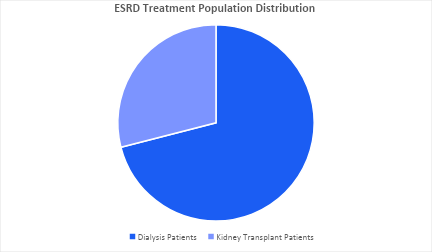
- The prevalence of ESRD has increased substantially over recent decades, with nearly 71% of ESRD patients receiving dialysis therapy, representing a major at-risk population for hyperphosphatemia and associated cardiovascular complications.
Hyperphosphatemia Epidemiology Forecast in the 7MM
- 2025 Diagnosed Prevalent Cases of Hyperphosphatemia: ~ XX
- 2036 Projected Diagnosed Prevalent Cases of Hyperphosphatemia: ~ XX
- Hyperphosphatemia Growth Rate (2026–2036): ~XX CAGR
DelveInsight's ‘Hyperphosphatemia Epidemiology Forecast - 2036’ report delivers an in-depth understanding of the Hyperphosphatemia, historical and forecasted epidemiology, in the United States, EU4 (Germany, Spain, Italy, and France) and the United Kingdom, and Japan.
|
Study Period
|
2022–2036
|
|
Historical Year
|
2022–2025
|
|
Forecast Period
|
2026–2036
|
|
Base Year
|
2026
|
|
Geographies Covered
|
|
|
Hyperphosphatemia Epidemiology CAGR
(Forecast period)
|
~XX% (2026–2036)
|
|
Hyperphosphatemia Epidemiology Segmentation Analysis
|
Patient Burden Assessment
-
Total Prevalent Cases of Chronic Kidney Disease (CKD)
-
Total Diagnosed Prevalent Cases of CKD
-
Stage-specific Distribution of CKD
-
Total Prevalent Cases of End-Stage Renal Disease (ESRD)
-
Number of ESRD patients undergoing Dialysis
-
Total Prevalent Cases of Hyperphosphatemia
|
Hyperphosphatemia Understanding and Diagnosis Algorithm
Hyperphosphatemia Overview and Diagnosis
Hyperphosphatemia is a metabolic disorder characterized by elevated serum phosphate levels, most commonly occurring in patients with advanced chronic kidney disease (CKD) and end-stage renal disease (ESRD) due to impaired renal phosphate excretion. The condition is strongly associated with CKD-mineral and bone disorder (CKD-MBD), secondary hyperparathyroidism, vascular calcification, and increased cardiovascular risk. Persistent hyperphosphatemia contributes significantly to morbidity and mortality in dialysis patients. Current management includes dietary phosphate restriction, dialysis optimization, and phosphate binders; however, long-term phosphate control remains challenging because of high pill burden and tolerability issues. The growing CKD and dialysis population continues to increase the clinical and economic burden of hyperphosphatemia.
Further details are provided in the report.
Hyperphosphatemia Diagnosis
Hyperphosphatemia is diagnosed primarily through serum phosphate testing, with elevated phosphate levels indicating impaired phosphate regulation, most commonly in patients with advanced CKD and ESRD. Diagnosis is supported by evaluation of kidney function, serum calcium, parathyroid hormone (PTH), and vitamin D levels to assess associated CKD-mineral and bone disorder (CKD-MBD). Routine phosphate monitoring is recommended in dialysis and advanced CKD patients due to the strong association of persistent hyperphosphatemia with vascular calcification, cardiovascular complications, and increased mortality risk.
Further details are provided in the report.
Hyperphosphatemia Epidemiology
Key Findings from Hyperphosphatemia Epidemiological Analysis and Forecast
- According to DelveInsight, in 2025, in the United States, the prevalent cases of CKD were found to be highest in the age group 65 and above with approximately 1,961,000 cases and followed by age group 45–64 with approximately 1,056,000 cases.
- There are five stages of CKD defined as Stage 1–5. As per the CDC estimates, the prevalence of ESRD doubled between 1990 and 2016. Secondary findings in 2016 suggested a point prevalence of 2,206 per million population for the ESRD treated pool; the prevalence of dialysis treatment was 1,553 per million, whereas the prevalence of functioning kidney transplant was 653 per million. Furthermore, nearly 71% of patients are on dialysis, and 29% live with a kidney transplant.
- In a large community-based cohort study from the QICKD trial, hyperphosphatemia (>1.50 mmol/L) was observed in 4.3% of patients with CKD stages I–II and 22.4% of patients with CKD stages III–V who experienced cardiovascular events, highlighting the increasing burden of hyperphosphatemia with worsening CKD severity.
- Hyperphosphatemia is observed in approximately 1.4% of patients with CKD stages I–II, while its prevalence increases to around 2.3% in patients with CKD stages III–IV.
- Elevated serum phosphate levels are associated with increased risks of vascular calcification, cardiovascular disease, all-cause mortality, and hospitalization, particularly among dialysis-dependent CKD populations.
- Hyperphosphatemia is a common laboratory abnormality encountered by nephrologists. In patients with ESRD, the prevalence of hyperphosphatemia varies from 50 to 74%. Among children with oncologic disorders who received liposomal amphotericin, nearly 45% of children developed hyperphosphatemia.
Scope of the Report
- The report covers a segment of a descriptive overview of hyperphosphatemia, explaining their causes, signs and symptoms, and pathogenesis.
- Comprehensive insight has been provided into the epidemiology segments and forecasts, the future growth potential of the diagnosis rate, and disease progression.
Report Insights
Hyperphosphatemia Patient Population Forecast
Report Key Strengths
- Epidemiology‑based (Epi‑based) Bottom‑up Forecasting
- 11-year Forecast
- Patient Burden Trends (by geography)
FAQs
- What are the disease risks, burdens, and unmet needs of hyperphosphatemia? What will be the growth opportunities across the 7MM concerning the patient population with hyperphosphatemia?
- What is the historical and forecasted Hyperphosphatemia patient pool in the US, EU4 (Germany, France, Italy, and Spain), the UK, and Japan?
Reasons to Buy
- Insights on patient burden/disease prevalence, evolution in diagnosis, and factors contributing to the change in the epidemiology of the disease during the forecast years.
- To understand key opinion leaders’ perspectives around the diagnostic challenges to overcome barriers in the future.
- Detailed insights on various factors hampering disease diagnosis and other existing diagnostic challenges.
1 Key Insights
2 Report Introduction
3 Executive Summary of Hyperphosphatemia
4 Epidemiology Forecast Methodology of Hyperphosphatemia
5 Hyperphosphatemia Epidemiology Overview at a Glance
5.1 Patient Share (%) Distribution by Country in 2025 in the 7MM
5.2 Patient Share (%) Distribution by Country in 2036 in the 7MM
6 Disease Background And Overview of Hyperphosphatemia
6.1 Introduction
6.2 Causes
6.3 Signs and Symptoms
6.4 Developmental and Clinical Aspects
6.5 Pathophysiology
6.6 Clinical manifestations
6.7 Diagnosis
7 Epidemiology and Patient Population of Hyperphosphatemia
7.1 Key Findings
7.2 Assumptions and Rationale: The 7MM
7.2.1 Total Incident cases of Hyperphosphatemia in the 7MM
7.3 The US
7.3.1 Total Prevalent Cases of Hyperphosphatemia in the United States
7.3.2 Total Diagnosed Prevalent Cases of Chronic Kidney Disease in the United States
7.3.3 Stage-specific Distribution of Chronic Kidney Disease in the United States
7.3.4 Total Prevalent Cases of End-Stage Renal Disease in the United States
7.3.5 Number of ESRD Patients Undergoing Dialysis in the United States
7.3.6 Total Prevalent Cases of Hyperphosphatemia in the United States
7.4 EU4 and the UK
7.4.1 Total Prevalent Cases of Hyperphosphatemia in EU4 and the UK
7.4.2 Total Diagnosed Prevalent Cases of Chronic Kidney Disease in EU4 and the UK
7.4.3 Stage-specific Distribution of Chronic Kidney Disease in EU4 and the UK
7.4.4 Total Prevalent Cases of End-Stage Renal Disease in EU4 and the UK
7.4.5 Number of ESRD Patients Undergoing Dialysis in EU4 and the UK
7.4.6 Total Prevalent Cases of Hyperphosphatemia in EU4 and the UK
7.5 Japan
7.5.1 Total Prevalent Cases of Hyperphosphatemia in Japan
7.5.2 Total Diagnosed Prevalent Cases of Chronic Kidney Disease in Japan
7.5.3 Stage-specific Distribution of Chronic Kidney Disease in Japan
7.5.4 Total Prevalent Cases of End-Stage Renal Disease in Japan
7.5.5 Number of ESRD Patients Undergoing Dialysis in Japan
7.5.6 Total Prevalent Cases of Hyperphosphatemia in Japan
8 Patient Journey of Hyperphosphatemia
9 KOL views
10 Appendix
10.1 Bibliography
10.2 Report Methodology
11 DelveInsight Capabilities
12 Disclaimer
13 About DelveInsight
List of Tables:
List of Table
Table 1: Summary of Hyperphosphatemia, Market, Epidemiology, and Key Events (2021-2030)
Table 2: Total Prevalent Cases of Hyperphosphatemia in 7MM, China and Taiwan (2021-2034)
Table 3: Prevalent Cases of CKD in the United States (2021-2034)
Table 4: Diagnosed Prevalent Cases of CKD in the United States (2021-2034)
Table 5: Stage-specific Distribution of CKD in the United States (2021-2034)
Table 6: Prevalent Cases of ESRD in the United States (2021-2034)
Table 7: Number of ESRD Patients Undergoing Dialysis in the United States (2021-2034)
Table 8: Prevalent Cases of Hyperphosphatemia in the United States (2021-2034)
Table 9: Prevalent Cases of CKD in Germany (2021-2034)
Table 10: Diagnosed Prevalent Cases of CKD in Germany (2021-2034)
Table 11: Stage-specific Distribution of CKD in Germany (2021-2034)
Table 12: Prevalent Cases of ESRD in Germany (2021-2034)
Table 13: Number of ESRD Patients Undergoing Dialysis in Germany (2021-2034)
Table 14: Prevalent Cases of Hyperphosphatemia in Germany (2021-2034)
Table 15: Prevalent Cases of CKD in France (2021-2034)
Table 16: Diagnosed Prevalent Cases of CKD in France (2021-2034)
Table 17: Stage-specific Distribution of CKD in France (2021-2034)
Table 18: Prevalent Cases of ESRD in France (2021-2034)
Table 19: Number of ESRD Patients Undergoing Dialysis in France (2021-2034)
Table 20: Prevalent Cases of Hyperphosphatemia in France (2021-2034)
Table 21: Prevalent Cases of CKD in Italy (2021-2034)
Table 22: Diagnosed Prevalent Cases of CKD in Italy (2021-2034)
Table 23: Stage-specific Distribution of CKD in Italy (2021-2034)
Table 24: Prevalent Cases of ESRD in Italy (2021-2034)
Table 25: Number of ESRD Patients Undergoing Dialysis in Italy (2021-2034)
Table 26: Prevalent Cases of Hyperphosphatemia in Italy (2021-2034)
Table 27: Prevalent Cases of CKD in Spain (2021-2034)
Table 28: Diagnosed Prevalent Cases of CKD in Spain (2021-2034)
Table 29: Stage-specific Distribution of CKD in Spain (2021-2034)
Table 30: Prevalent Cases of ESRD in Spain (2021-2034)
Table 31: Number of ESRD Patients Undergoing Dialysis in Spain (2021-2034)
Table 32: Prevalent Cases of Hyperphosphatemia in Spain (2021-2034)
Table 33: Prevalent Cases of CKD in the United Kingdom (2021-2034)
Table 34: Diagnosed Prevalent Cases of CKD in the United Kingdom (2021-2034)
Table 35: Stage-specific Distribution of CKD in the United Kingdom (2021-2034)
Table 36: Prevalent Cases of ESRD in the United Kingdom (2021-2034)
Table 37: Number of ESRD Patients Undergoing Dialysis in the United Kingdom (2021-2034)
Table 38: Prevalent Cases of Hyperphosphatemia in the United Kingdom (2021-2034)
Table 39: Prevalent Cases of CKD in Japan (2021-2034)
Table 40: Diagnosed Prevalent Cases of CKD in Japan (2021-2034)
Table 41: Stage-specific Distribution of CKD in Japan (2021-2034)
Table 42: Prevalent Cases of ESRD in Japan (2021-2034)
Table 43: Number of ESRD Patients Undergoing Dialysis in Japan (2021-2034)
Table 44: Prevalent Cases of Hyperphosphatemia in Japan (2021-2034)
Table 45: Prevalent Cases of CKD in China (2021-2034)
Table 46: Diagnosed Prevalent Cases of CKD in China (2021-2034)
Table 47: Stage-specific Distribution of CKD in China (2021-2034)
Table 48: Prevalent Cases of ESRD in China (2021-2034)
Table 49: Number of ESRD Patients Undergoing Dialysis in China (2021-2034)
Table 50: Prevalent Cases of Hyperphosphatemia in China (2021-2034)
Table 51: Prevalent Cases of CKD in Taiwan (2021-2034)
Table 52: Diagnosed Prevalent Cases of CKD in Taiwan (2021-2034)
Table 53: Stage-specific Distribution of CKD in Taiwan (2021-2034)
Table 54: Prevalent Cases of ESRD in Taiwan (2021-2034)
Table 55: Number of ESRD Patients Undergoing Dialysis in Taiwan (2021-2034)
Table 56: Prevalent Cases of Hyperphosphatemia in Taiwan (2021-2034)
List of Figures:
List of Figures
Figure 1: Total Prevalent Cases of Hyperphosphatemia in 7MM, China and Taiwan (2021-2034)
Figure 2: Prevalent Cases of CKD in the United States (2021-2034)
Figure 3: Diagnosed Prevalent Cases of CKD in the United States (2021-2034)
Figure 4: Stage-specific Distribution of CKD in the United States (2021-2034)
Figure 5: Prevalent Cases of ESRD in the United States (2021-2034)
Figure 6: Number of ESRD Patients Undergoing Dialysis in the United States (2021-2034)
Figure 7: Prevalent Cases of Hyperphosphatemia in the United States (2021-2034)
Figure 8: Prevalent Cases of CKD in Germany (2021-2034)
Figure 9: Diagnosed Prevalent Cases of CKD in Germany (2021-2034)
Figure 10: Stage-specific Distribution of CKD in Germany (2021-2034)
Figure 11: Prevalent Cases of ESRD in Germany (2021-2034)
Figure 12: Number of ESRD Patients Undergoing Dialysis in Germany (2021-2034)
Figure 13: Prevalent Cases of Hyperphosphatemia in Germany (2021-2034)
Figure 14: Prevalent Cases of CKD in France (2021-2034)
Figure 15: Diagnosed Prevalent Cases of CKD in France (2021-2034)
Figure 16: Stage-specific Distribution of CKD in France (2021-2034)
Figure 17: Prevalent Cases of ESRD in France (2021-2034)
Figure 18: Number of ESRD Patients Undergoing Dialysis in France (2021-2034)
Figure 19: Prevalent Cases of Hyperphosphatemia in France (2021-2034)
Figure 20: Prevalent Cases of CKD in Italy (2021-2034)
Figure 21: Diagnosed Prevalent Cases of CKD in Italy (2021-2034)
Figure 22: Stage-specific Distribution of CKD in Italy (2021-2034)
Figure 23: Prevalent Cases of ESRD in Italy (2021-2034)
Figure 24: Number of ESRD Patients Undergoing Dialysis in Italy (2021-2034)
Figure 25: Prevalent Cases of Hyperphosphatemia in Italy (2021-2034)
Figure 26: Prevalent Cases of CKD in Spain (2021-2034)
Figure 27: Diagnosed Prevalent Cases of CKD in Spain (2021-2034)
Figure 28: Stage-specific Distribution of CKD in Spain (2021-2034)
Figure 29: Prevalent Cases of ESRD in Spain (2021-2034)
Figure 30: Number of ESRD Patients Undergoing Dialysis in Spain (2021-2034)
Figure 31: Prevalent Cases of Hyperphosphatemia in Spain (2021-2034)
Figure 32: Prevalent Cases of CKD in the United Kingdom (2021-2034)
Figure 33: Diagnosed Prevalent Cases of CKD in the United Kingdom (2021-2034)
Figure 34: Stage-specific Distribution of CKD in the United Kingdom (2021-2034)
Figure 35: Prevalent Cases of ESRD in the United Kingdom (2021-2034)
Figure 36: Number of ESRD Patients Undergoing Dialysis in the United Kingdom (2021-2034)
Figure 37: Prevalent Cases of Hyperphosphatemia in the United Kingdom (2021-2034)
Figure 38: Prevalent Cases of CKD in Japan (2021-2034)
Figure 39: Diagnosed Prevalent Cases of CKD in Japan (2021-2034)
Figure 40: Stage-specific Distribution of CKD in Japan (2021-2034)
Figure 41: Prevalent Cases of ESRD in Japan (2021-2034)
Figure 42: Number of ESRD Patients Undergoing Dialysis in Japan (2021-2034)
Figure 43: Prevalent Cases of Hyperphosphatemia in Japan (2021-2034)
Figure 44: Prevalent Cases of CKD in China (2021-2034)
Figure 45: Diagnosed Prevalent Cases of CKD in China (2021-2034)
Figure 46: Stage-specific Distribution of CKD in China (2021-2034)
Figure 47: Prevalent Cases of ESRD in China (2021-2034)
Figure 48: Number of ESRD Patients Undergoing Dialysis in China (2021-2034)
Figure 49: Prevalent Cases of Hyperphosphatemia in China (2021-2034)
Figure 50: Prevalent Cases of CKD in Taiwan (2021-2034)
Figure 51: Diagnosed Prevalent Cases of CKD in Taiwan (2021-2034)
Figure 52: Stage-specific Distribution of CKD in Taiwan (2021-2034)
Figure 53: Prevalent Cases of ESRD in Taiwan (2021-2034)
Figure 54: Number of ESRD Patients Undergoing Dialysis in Taiwan (2021-2034)
Figure 55: Prevalent Cases of Hyperphosphatemia in Taiwan (2021-2034)