
hypertrophic cardiomyopathy epidemiology forecast
- HCM is a chronic, often inherited cardiac disorder characterized by unexplained left ventricular hypertrophy, which can lead to left ventricular outflow tract obstruction, impaired cardiac function, and an increased risk of arrhythmias.
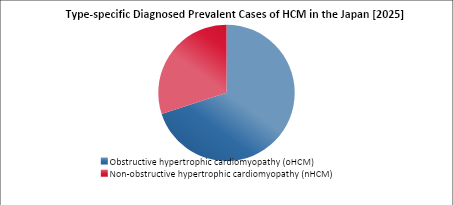
- Obstructive HCM (oHCM) represents the majority of clinically diagnosed cases.
- Males are more affected by HCM than females. Also, the cases are projected to increase by 2036 in the United States.
- Although many patients with HCM remain asymptomatic, common clinical manifestations include chest pain, dyspnea, palpitations, lightheadedness, and syncope, often exacerbated by physical exertion. Major complications of HCM include heart failure, atrial fibrillation, myocardial ischemia, and sudden cardiac death.
- Diagnosis of HCM remains challenging due to its heterogeneous clinical presentation, overlap with other cardiovascular conditions, and wide variability in disease severity. Limited access to specialized cardiac care centers, along with the absence of validated biomarkers to reliably predict disease progression, continues to represent significant unmet needs in patient management.
Hypertrophic Cardiomyopathy (HCM) Epidemiology Forecast in the 7MM
- 2025 Prevalent Cases of HCM: ~10,900,000
- HCM Growth Rate (2026–2036): ~XX% CAGR
DelveInsight's ‘Hypertrophic Cardiomyopathy (HCM) Epidemiology Forecast 2036’ report delivers an in-depth understanding of the HCM, historical and forecasted epidemiology, in the United States, EU4 (Germany, Spain, Italy, and France) and the United Kingdom, and Japan.
|
Study Period |
2022–2036 |
|
Historical Year |
2022–2025 |
|
Forecast Period |
2026–2036 |
|
Base Year |
2026 |
|
Geographies Covered |
|
|
Hypertrophic Cardiomyopathy (HCM) Epidemiology CAGR (Forecast period) |
~XX% (2026–2036) |
|
Hypertrophic Cardiomyopathy (HCM) Epidemiology Segmentation Analysis |
Patient Burden Assessment
|
Hypertrophic Cardiomyopathy (HCM) Understanding and Diagnosis Algorithm
Hypertrophic Cardiomyopathy (HCM) Overview
HCM is a chronic and progressive genetic cardiovascular disorder characterized by abnormal thickening of the heart muscle, particularly the left ventricle and interventricular septum. The disease is commonly associated with mutations in sarcomeric protein genes, leading to impaired cardiac relaxation, increased myocardial stiffness, and in some cases obstruction of blood flow from the left ventricle. HCM can present as obstructive or non-obstructive disease and may cause symptoms such as shortness of breath, chest pain, fatigue, palpitations, dizziness, and syncope. In severe cases, the condition may increase the risk of arrhythmias, heart failure, stroke, and sudden cardiac death, particularly in younger individuals and athletes.
Further details are provided in the report.
Hypertrophic Cardiomyopathy (HCM) Diagnosis
Diagnosis of HCM involves a combination of clinical evaluation, family history assessment, imaging studies, and genetic testing. Echocardiography remains the primary diagnostic tool for identifying left ventricular hypertrophy, left ventricular outflow tract (LVOT) obstruction, and diastolic dysfunction. Cardiac magnetic resonance imaging (MRI) is increasingly utilized for detailed structural assessment and fibrosis detection, while electrocardiography (ECG) may help identify arrhythmias and conduction abnormalities. Genetic testing and family screening play an important role in identifying inherited disease patterns and enabling early diagnosis among at-risk relatives. Risk stratification for sudden cardiac death is also a critical component of disease assessment in HCM patients.
Further details are provided in the report.
Hypertrophic Cardiomyopathy (HCM) Epidemiology
Key Findings from Hypertrophic Cardiomyopathy (HCM) Epidemiological Analysis and Forecast
- According to DelveInsight’s estimate total prevalent cases of HCM in the 7MM was approximately 10,900,000 in 2025.
- In 2025, the US (~50%) accounted for the highest diagnosed prevalent cases of HCM in the 7MM.
- There were ~70% diagnosed prevalent cases of oHCM, and ~30% diagnosed prevalent cases of nHCM in 2025 in US.
- Among the EU4 and the UK, Germany accounted for the highest diagnosed prevalent cases of HCM in 2025.
Scope of the Report
- The report covers a segment of a descriptive overview of HCM, explaining their causes, signs and symptoms, and pathogenesis.
- Comprehensive insight has been provided into the epidemiology segments and forecasts, the future growth potential of the diagnosis rate, and disease progression.
Report Insights
Hypertrophic Cardiomyopathy (HCM) Patient Population Forecast
Report Key Strengths
- Epidemiology‑based (Epi‑based) Bottom‑up Forecasting
- 11-year Forecast
- Patient Burden Trends (by Geography)
FAQs
- What are the disease risks, burdens, and unmet needs of HCM? What will be the growth opportunities across the 7MM concerning the patient population with HCM?
- What is the historical and forecasted HCM patient pool in the US, EU4 (Germany, France, Italy, and Spain), the UK, and Japan?
Reasons to Buy
- Insights on patient burden/disease prevalence, evolution in diagnosis, and factors contributing to the change in the epidemiology of the disease during the forecast years.
- To understand key opinion leaders’ perspectives around the diagnostic challenges to overcome barriers in the future.
- Detailed insights on various factors hampering disease diagnosis and other existing diagnostic challenges.

-pipeline.png&w=256&q=75)

