
Lipodystrophy Epidemiology
Lipodystrophy - Epidemiology Forecast 2036
Lipodystrophy Insights and Trends
- Lipodystrophy is a rare group of disorders characterized by the selective loss or abnormal distribution of adipose tissue, resulting in significant metabolic complications, including insulin resistance, diabetes mellitus, hypertriglyceridemia, and hepatic steatosis.
- The disease comprises multiple forms, including congenital generalized lipodystrophy, familial partial lipodystrophy, acquired generalized lipodystrophy, and acquired partial lipodystrophy, each associated with distinct genetic, clinical, and metabolic characteristics.
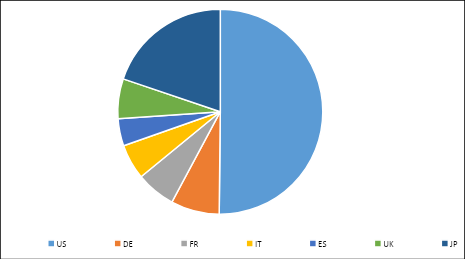
- The prevalence of lipodystrophy across the 7MM remains low, with notable geographic variation driven by differences in genetic background, disease awareness, and diagnostic capabilities. Generalized forms are considered ultra-rare, with US, estimates for diagnosed lipodystrophy accounting for approximately 3.07 cases per million, with 0.23 cases per million for congenital generalized lipodystrophy and 2.84 cases per million for partial lipodystrophy.
- Lipodystrophy can occur at any age depending on the underlying subtype, with congenital forms typically presenting in childhood and acquired forms often emerging later in life.
- The pathophysiology of lipodystrophy is characterized by a deficiency or dysfunction of adipose tissue, leading to ectopic fat deposition, leptin deficiency, metabolic dysregulation, and progressive end-organ complications.
- Improved recognition of disease manifestations, advances in genetic testing, and broader adoption of specialized diagnostic tools have contributed to increased identification of lipodystrophy cases in recent years.
- Genetic mutations affecting adipocyte development and function, autoimmune mechanisms, and other acquired factors are considered key contributors to disease onset and progression, although disease mechanisms vary substantially across subtypes.
- Beyond adipose tissue abnormalities, lipodystrophy is frequently associated with systemic complications affecting the liver, pancreas, cardiovascular system, and endocrine metabolism, contributing substantially to overall disease burden and long-term morbidity.
- Growing understanding of the genetic and molecular basis of lipodystrophy continues to refine epidemiological characterization, improve disease classification, and enhance identification of distinct patient populations across the lipodystrophy spectrum.
Lipodystrophy Epidemiology Forecast
DelveInsight’s “Lipodystrophy – Epidemiology Forecast – 2036’ report delivers an in-depth understanding of Lipodystrophy historical and forecasted epidemiology trends in the United States, EU4 (Germany, Spain, Italy, and France), the United Kingdom, and Japan.
The Lipodystrophy epidemiology report provides a comprehensive analysis of prevalent cases, capturing the number of patients across the 7MM. It includes detailed segmentation by type, gender, and age along with regional distribution. The report evaluates historical and forecasted prevalence trends (2026–2036), highlighting variations in disease occurrence and diagnosis patterns, and offering insights into the evolving burden of newly diagnosed lipodystrophy cases.
Geography Covered
- North America: The United States
- Europe: Germany, France, Italy, and Spain and the United Kingdom
- Asia-Pacific: Japan
|
Study Period |
2022–2036 |
|
Historical Year |
2022–2025 |
|
Forecast Period |
2026–2036 |
|
Base Year |
2025 |
|
Geographies Covered |
|
|
Lipodystrophy Epidemiology Segmentation Analysis |
Patient Burden Assessment
|
|
Analysis |
|
Lipodystrophy Understanding
Lipodystrophy Overview and Diagnosis
Lipodystrophy is a rare group of disorders characterized by the selective loss or abnormal distribution of adipose tissue, resulting in profound metabolic disturbances, including severe insulin resistance, diabetes mellitus, hypertriglyceridemia, hepatic steatosis, and leptin deficiency. The disease encompasses several clinically distinct forms, including congenital generalized lipodystrophy, familial partial lipodystrophy, acquired generalized lipodystrophy, and acquired partial lipodystrophy. Although the underlying causes vary across subtypes, disease development is associated with genetic defects affecting adipocyte development and function, autoimmune processes, or acquired adipose tissue loss. The heterogeneous nature of lipodystrophy contributes to substantial variability in disease presentation, severity, metabolic complications, and long-term outcomes.
The diagnosis of lipodystrophy relies on a combination of clinical evaluation, body fat distribution assessment, metabolic profiling, imaging studies, and genetic testing when appropriate. Key diagnostic tools include measurement of serum leptin levels, glucose and lipid parameters, liver function assessments, and imaging techniques such as dual-energy X-ray absorptiometry (DEXA) and magnetic resonance imaging (MRI) to evaluate adipose tissue distribution. Advances in genetic testing have improved disease classification and diagnostic accuracy, particularly for distinguishing inherited forms from acquired subtypes. Given the risk of progressive metabolic dysfunction and end-organ complications, including liver disease, pancreatitis, cardiovascular disease, and diabetes-related morbidity, early diagnosis and comprehensive clinical assessment are critical for improving long-term patient outcomes and reducing disease burden.
Further details related to country-based variations are provided in the report…
Lipodystrophy Epidemiology
Key Findings from Lipodystrophy Epidemiological Analysis and Forecast
- The prevalence of lipodystrophy is extremely low, with estimated clinical prevalence of lipodystrophy in the US being 1 in 20,000 individuals, with an estimated genetic prevalence of ~1 in 7,000 in the general population.
- In the UK, The prevalence of lipodystrophy in England varies from approximately 0.05 to 1 person per 100,000 population depending on subtype.
- Among the EU4 countries, the estimated prevalence of all lipodystrophies in Spain is 2.78 cases per million, with 77% of patients having partial lipodystrophy and 23% having generalized lipodystrophy. While, the estimated national prevalence in France is 1.6 per million for generalized lipodystrophy and 6.4 per million for partial lipodystrophy, with 58% of patients being female.
- In Japan, the total number of generalized and partial lipodystrophy is ~100 cases, underscoring the substantial challenges associated with disease recognition, diagnosis, and patient identification.
- Major factors contributing to regional differences in the prevalence and burden of lipodystrophy across the 7MM include variations in genetic background, disease subtype distribution, diagnostic capabilities, and physician awareness. The epidemiology of lipodystrophy is expected to evolve during the forecast period (2026–2036), driven by increasing adoption of genetic testing, improved recognition of inherited and acquired forms of the disease, advances in diagnostic technologies, and growing awareness of the long-term metabolic, hepatic, and cardiovascular complications associated with adipose tissue dysfunction.
Further details are provided in the report.
Total Diagnosed Prevalent Cases of Lipodystrophy in the 7MM in 2025
Industry Experts and Physician Views for Lipodystrophy
To keep up with lipodystrophy epidemiology trends, we take Key Opinion Leaders (KOLs) and Subject Matter Experts (SMEs) opinions working in the domain through primary research to fill the data gaps and validate our secondary research. Industry experts were contacted for insights on the lipodystrophy epidemiology, prevalence trends, regional distribution, patient demographics, diagnostic rates, and real-world disease burden patterns in lipodystrophy, including MD, PhD, Instructor, Postdoctoral Researcher, Professor, Researcher, and others.
DelveInsight’s analysts connected with 10+ KOLs to gather insights at country level. Centers such as the Memorial Sloan Kettering Cancer Center, University of California San Francisco, State University of New York Upstate Medical University, etc. were contacted.
Their opinion helps understand and validate lipodystrophy epidemiological trends, highlight key gaps in diagnosis and disease burden, provide deeper epidemiological context, and support strategic decisions for patient identification and disease monitoring in lipodystrophy.
|
Region |
Key Opinion Leaders (KOLs) and Subject Matter Experts (SMEs) |
|
United States |
“Although lipodystrophy is considered ultra-rare, its true prevalence is likely underestimated due to frequent misdiagnosis and overlap with more common metabolic disorders.” |
|
Japan |
“Increasing awareness of the link between adipose tissue dysfunction and metabolic complications has strengthened recognition of lipodystrophy as a systemic disorder rather than a purely cosmetic condition.” |
Scope of the Report
- The report covers a segment of key epidemiological highlights, an executive summary, and a descriptive overview of lipodystrophy, including its causes, risk factors, and factors influencing disease occurrence.
- Comprehensive insights are provided into prevalence trends and forecasts, along with the future growth potential of prevalence rates and evolving patterns of disease detection across the 7MM.
- Additionally, the report includes detailed segmentation of prevalent cases by type, gender and age offering a granular view of the epidemiological landscape.
- A thorough assessment of historical and forecasted prevalence data, along with underlying assumptions and methodology, is included, providing a clear understanding of disease burden across the 7MM.
- The report provides strategic insights by highlighting trends in prevalence, diagnostic gaps, and regional variations, supported by expert opinions and epidemiological analysis to better understand and project the lipodystrophy disease burden.
Report Insights
-
Lipodystrophy prevalence forecast, epidemiological burden, segmentation, trends, and opportunity assessment.
Report Key Strengths
- Epidemiology‑based (EPI ‑ based) bottom‑up forecasting
- Artificial Intelligence (AI) - enabled epidemiology research report
- 11-year forecast
- Lipodystrophy epidemiological outlook (North America, Europe, Asia-Pacific)
- Lipodystrophy Burden trends (by geography)
Report Assessment
- Lipodystrophy Diagnostic Trends
- Lipodystrophy Epidemiological Gaps
- Lipodystrophy Development Trends
- Lipodystrophy Emerging Research Focus
- Lipodystrophy Disease Burden Attractiveness
- Lipodystrophy Qualitative Epidemiological Insights
FAQs
- What was the lipodystrophy prevalent patient population and distribution (%) in 2025, and how will it evolve by 2036? What factors are driving these trends?
- What are the anticipated variations in prevalence and diagnosis rates across different geographies?
- What will be the future diagnosis and epidemiological trends of lipodystrophy?
- What are the disease risks, burden, and key epidemiological gaps in lipodystrophy? What are the growth opportunities based on the patient population across the 7MM?
- How will changes in prevalence and diagnosis impact the overall epidemiological landscape?
- What are the current diagnosis practices and epidemiology trends of lipodystrophy in the US, Europe, UK, and Japan?
Reasons to Buy
- The report will help in developing strategies by understanding the latest trends and changing epidemiology of lipodystrophy.
- Bottom-up forecasting builds from the prevalent patient population, delivering a robust, data-driven epidemiological approach.
- Insights on patient burden/prevalence, evolution in diagnosis, and factors contributing to changes in disease epidemiology during the forecast years.
- Understand the epidemiological opportunities across varying geographies and growth potential over the coming years.
- Identifying key trends in disease prevalence will help anticipate shifts in the epidemiological landscape.
- Detailed analysis and segmentation of prevalent cases to provide visibility around high-burden patient groups.
- To understand KOLs’ perspectives on diagnosis challenges and gaps in disease identification.
- Detailed insights on epidemiological unmet needs to support improved disease tracking and diagnosis strategies.
- This Artificial Intelligence (AI)-enabled report summarizes complex epidemiological datasets into clear, actionable insights for stakeholders, investors, and healthcare providers.


-pipeline.png&w=256&q=75)

