
Osteomyelitis Epidemiology Summary
- According to DelveInsight estimates, in 2025, the United States accounted for the highest number of diagnosed incident Osteomyelitis cases among the 7MM, with approximately 9.8 million cases, while Spain accounted for the lowest number of incident cases, with nearly 2,500 cases.
- Osteomyelitis is a serious inflammatory bone infection caused by bacterial, fungal, or mycobacterial pathogens and can present as either acute or chronic disease. The condition may arise through hematogenous spread, contiguous infection from adjacent tissues, trauma, surgery, prosthetic implants, or diabetic foot ulcers, often resulting in progressive bone destruction, chronic pain, impaired mobility, and significant healthcare burden.
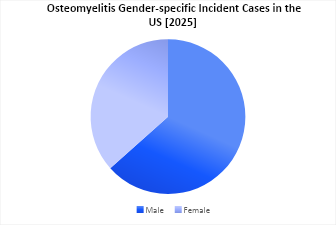
- Osteomyelitis is a prevalent condition that affects males and females in equal numbers.
- Osteomyelitis more commonly affects people younger than 20, or adults older than 50 years of age.
- Patients typically present with localized bone pain, tenderness, swelling, erythema, and fever. Chronic osteomyelitis often manifests as persistent pain, non-healing wounds, exposed bone, or draining sinus tracts.
- Early diagnosis and prompt multidisciplinary management help reduce complications such as chronic infection, recurrence, bone destruction, and amputation.
- The United States is expected to account for the largest share of the Osteomyelitis patient population and market size across the 7MM.
- The burden of Osteomyelitis is expected to increase during the forecast period, supported by the aging population, rising prevalence of diabetes mellitus, increasing incidence of peripheral vascular disease.
- According to secondary research among the total diagnosed cases of osteomyelitis in Germany, 47.6% were diagnosed as chronic, 33.2% as acute and 19.2% as unspecified osteomyelitis. Men were often affected than women with 63.4% of all cases compared to 36.6%. The largest proportion of patients comprised the age group 60–69 years (22.1%), followed by 70–79 years (21.7%). A trend towards more osteomyelitis diagnoses in older patients was observed.
- According to various studies, the age- and sex-adjusted annual incidence of osteomyelitis was 21.8 per 100,000 person-years, higher in men and increasing with age. While rates stayed stable in younger populations, incidence nearly tripled in those over 60, largely due to a rise in diabetes-related cases from 2.3 to 7.6 per 100,000 person-years between 1969–1979 and 2000–2009.
Osteomyelitis Epidemiology Forecast in the United States
- 2025 Incident Cases of Osteomyelitis: ~XXXX
- 2036 Incident Cases of Osteomyelitis: XXXX
- Osteomyelitis Growth Rate (2026–2036): XX% CAGR
DelveInsight's ‘Osteomyelitis – Epidemiology Forecast – 2036’ report delivers an in-depth understanding of the Osteomyelitis, historical and forecasted epidemiology in the United States, EU4 (Germany, Spain, Italy, and France) and the United Kingdom, and Japan.
|
Study Period |
2022–2036 |
|
Historical Year |
2022–2025 |
|
Forecast Period |
2026–2036 |
|
Base Year |
2026 |
|
Geographies Covered |
|
|
Osteomyelitis CAGR (Study period/Forecast period) |
XX% (2026-2036) |
|
Osteomyelitis Epidemiology Segmentation Analysis |
Patient Burden Assesment
|
Osteomyelitis Understanding and Diagnosis Algorithm
Osteomyelitis Overview and Diagnosis
Osteomyelitis is a serious inflammatory bone infection caused primarily by bacterial pathogens, most commonly Staphylococcus aureus, although fungal and mycobacterial infections may also occur. The disease may be acute or chronic and can arise through hematogenous spread, contiguous soft tissue infection, trauma, surgery, orthopedic implants, or diabetic foot ulcers. Clinical manifestations include localized bone pain, swelling, erythema, wound drainage, fever, and impaired mobility. If left untreated, chronic osteomyelitis can result in persistent infection, bone destruction, sinus tract formation, recurrent hospitalizations, and significant morbidity. Despite advances in antimicrobial therapy and surgery, treatment remains challenging due to biofilm formation, poor antibiotic penetration into bone, and a high risk of recurrence.
Osteomyelitis Diagnosis
Diagnosis of Osteomyelitis is based on a combination of clinical evaluation, laboratory investigations, microbiological testing, and imaging studies. Patients commonly present with localized bone pain, swelling, fever, or chronic wound drainage, particularly following trauma, surgery, diabetic foot ulcers, or orthopedic implant-related infections. Laboratory tests include ESR, C-reactive protein (CRP), complete blood count, and blood cultures, while MRI is the preferred imaging modality for early detection. Bone biopsy with microbiological culture remains the gold standard for confirming the diagnosis and guiding targeted antimicrobial therapy. Advances in imaging and molecular diagnostics are expected to improve diagnostic accuracy and facilitate earlier intervention.
Further details are provided in the report.
Osteomyelitis Epidemiology
Key Findings from Osteomyelitis Epidemiological Analysis and Forecast
- According to DelveInsight estimates, in 2025, the United States accounted for the highest number of diagnosed incident Osteomyelitis cases among the 7MM, with approximately 9.8 million cases, while Spain accounted for the lowest number of incident cases, with nearly 2,500 cases.
- According to estimates based on DelveInsight’s epidemiology model, Germany accounted for the highest number of diagnosed incident Osteomyelitis cases among the EU4 and the UK in 2025. This patient population is expected to increase steadily during the forecast period due to the growing burden of diabetes, aging populations, and rising orthopedic procedures.
- According to DelveInsight estimates, Japan recorded approximately 15,500 diagnosed incident Osteomyelitis cases in 2025. The incident patient population is anticipated to increase gradually through 2036 owing to demographic aging and increasing prevalence of diabetes and chronic comorbidities.
- According to secondary research, Osteomyelitis demonstrates a bimodal age distribution, occurring more commonly in individuals younger than 20 years and adults older than 50 years. The older adult population accounts for a substantial proportion of cases due to increased rates of diabetes, vascular disease, trauma, and orthopedic interventions.
- The age- and sex-adjusted annual incidence of osteomyelitis was 21.8 per 100,000 person-years, higher in men and increasing with age. While rates stayed stable in younger populations, incidence nearly tripled in those over 60, largely due to a rise in diabetes-related cases from 2.3 to 7.6 per 100,000 person-years between 1969–1979 and 2000–2009.
- Among the total diagnosed cases of osteomyelitis in Germany, 47.6% were diagnosed as chronic, 33.2% as acute and 19.2% as unspecified osteomyelitis. Men were often affected than women with 63.4% of all cases compared to 36.6%. The largest proportion of patients comprised the age group 60–69 years (22.1%), followed by 70–79 years (21.7%). A trend towards more osteomyelitis diagnoses in older patients was observed.
Scope of the Report
The report covers a segment of an executive summary, a descriptive overview of Osteomyelitis, explaining its causes, signs and symptoms, and pathogenesis.
- Comprehensive insight has been provided into the epidemiology segments and forecasts, the future growth potential of the diagnosis rate, and disease progression.
Report Insights
Osteomyelitis Patient Population Forecast
Report Key Strengths
- Epidemiology‑based (epi‑based) Bottom‑up Forecasting
- 11-year Forecast
- Patient Burden Trends (by geography)
FAQs
- What are the disease risks, burdens, and unmet needs of osteomyelitis? What will be the growth opportunities across the 7MM concerning the patient population with osteomyelitis?
- What is the historical and forecasted osteomyelitis patient pool in the US, EU4 (Germany, France, Italy, and Spain), the UK, and Japan?
Reasons to Buy
- Insights on patient burden/disease prevalence, evolution in diagnosis, and factors contributing to the change in the epidemiology of the disease during the forecast years.
- To understand key opinion leaders’ perspectives around the diagnostic challenges to overcome barriers in the future.
- Detailed insights on various factors hampering disease diagnosis and other existing diagnostic challenges.



