
Pharmacogenomic Testing Service Market Summary
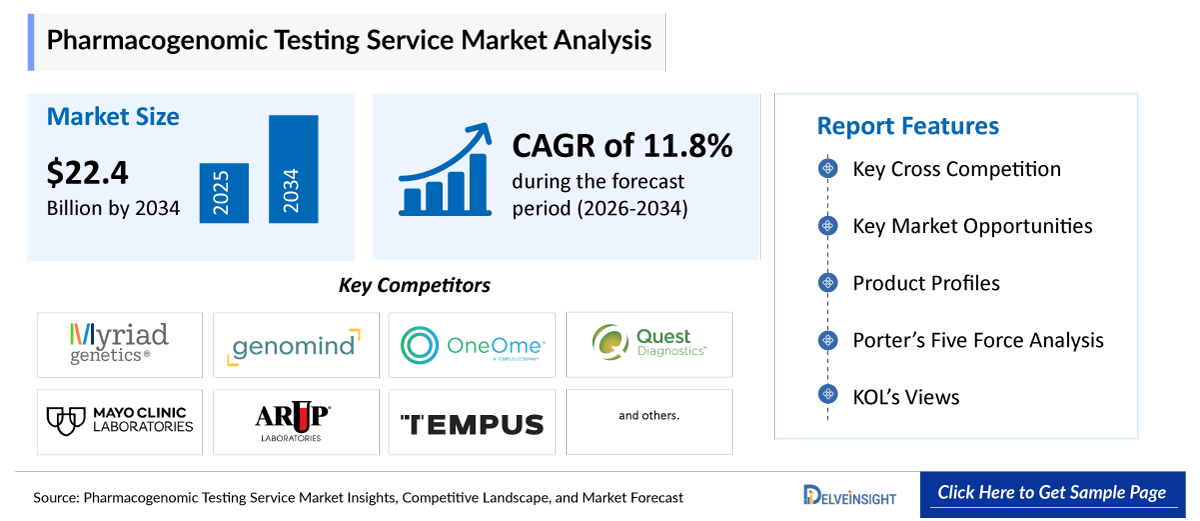
- The global pharmacogenomic testing service market is expected to increase from USD 8.1 billion in 2025 to USD 22.4 billion by 2034, reflecting strong and sustained growth.
- The global pharmacogenomic testing service market is growing at a CAGR of 11.8% during the forecast period from 2026 to 2034.
- The growing adoption of personalized medicine, rising incidence of adverse drug reactions (ADRs), increasing prevalence of chronic diseases, and expansion of targeted therapies and precision oncology are collectively driving the growth of the Pharmacogenomic Testing Services market by increasing the need for individualized treatment strategies. Pharmacogenomic testing helps healthcare providers identify the most effective medications and optimal dosages based on a patient's genetic profile, reducing the risk of adverse drug reactions and improving treatment outcomes. As the number of patients requiring long-term treatment for chronic conditions such as cancer, cardiovascular diseases, and psychiatric disorders continues to rise, the demand for pharmacogenomic-guided prescribing is increasing. Furthermore, the growing use of targeted therapies in oncology, which often require genetic testing to determine patient eligibility and treatment response, is further accelerating the adoption of pharmacogenomic testing services across healthcare systems worldwide.
- The leading companies operating in the pharmacogenomic testing service market include Myriad Genetics, Inc., Genomind, LLC, OneOme, LLC, Quest Diagnostics Incorporated, Laboratory Corporation of America Holdings (Labcorp), Mayo Clinic Laboratories, ARUP Laboratories, Inc., Tempus AI, Inc., Invitae Corporation, Fulgent Genetics, Inc., Admera Health, LLC, Precision Medicine Group, LLC, Genelex Corporation (YouScript), Coriell Life Sciences, Sonic Healthcare Limited, Eurofins Scientific SE, Natera, Inc., Castle Biosciences, Inc., Personalis, Inc., Nebula Genomics, Inc., Color Health, Inc., Ambry Genetics Corporation, Blueprint Genetics Oy, CENTOGENE N.V., Molecular You Corporation, Genetic Technologies Limited, Dxcover Limited, Macrogen, Inc., BGI Genomics Co., Ltd., Novogene Co., Ltd., and others.
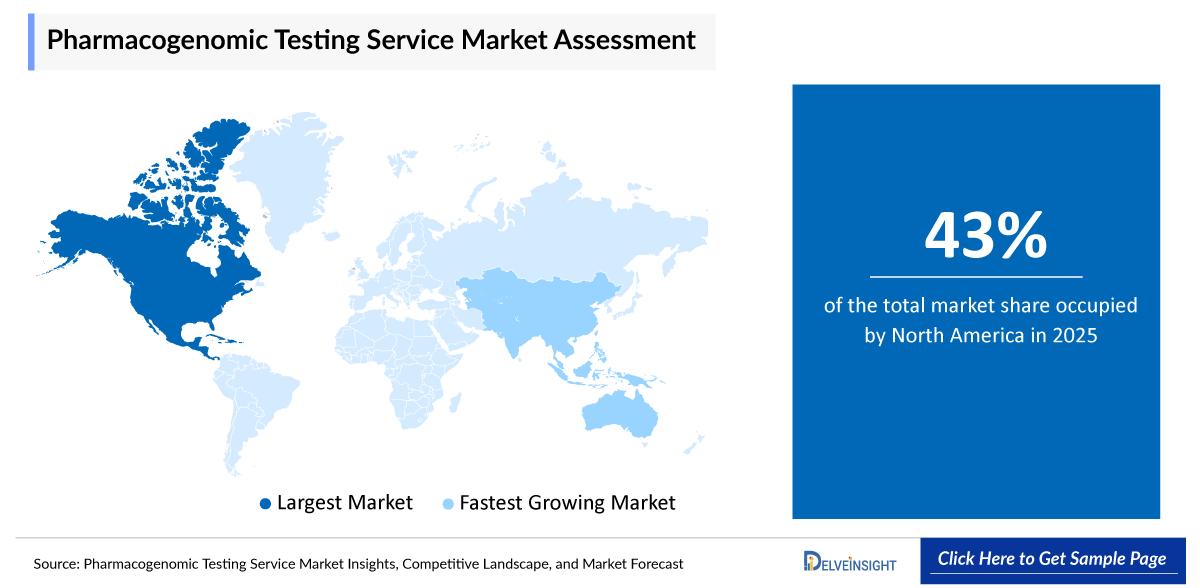
- North America is expected to dominate the Pharmacogenomic Testing Services market due to its advanced healthcare infrastructure, high adoption of precision medicine, strong presence of leading pharmacogenomic testing companies, and increasing integration of genetic testing into clinical practice. The region benefits from significant investments in genomics research, favorable reimbursement policies, and growing awareness among healthcare providers regarding the role of pharmacogenomics in improving drug efficacy and reducing adverse drug reactions. Additionally, the rising prevalence of chronic diseases, increasing use of targeted therapies in oncology, and supportive initiatives from organizations such as the U.S. Food and Drug Administration and the Clinical Pharmacogenetics Implementation Consortium are further driving the adoption of pharmacogenomic testing services across North America.
- In the service type segment of the pharmacogenomic testing service market, the reactive pharmacogenomic testing category is estimated to account for the largest market share in 2025.
Request for unlocking the report of the @Pharmacogenomic Testing Service Market
Pharmacogenomic Testing Service Market Size and Forecasts
|
Report Metrics |
Details |
|
2025 Market Size |
USD 8.1 billion |
|
2034 Projected Market Size |
USD 22.4 billion |
|
Growth Rate (2026-2034) |
11.8% CAGR |
|
Largest Market |
North America |
|
Fastest Growing Market |
Asia-Pacific |
|
Market Structure |
Moderately Concentrated |
Factors Contributing to the Growth of the Pharmacogenomic Testing Service Market
- Growing adoption of personalized medicine leading to a surge in pharmacogenomic testing service: Healthcare providers are increasingly moving away from the "one-size-fits-all" approach to treatment. Pharmacogenomic testing helps identify the most effective medication and dosage for each patient based on their genetic profile, improving treatment outcomes and reducing trial-and-error prescribing. This shift toward precision medicine is one of the strongest drivers of market growth.
- The rising incidence of Adverse Drug Reactions (ADRs) is escalating the market of pharmacogenomic testing services. Adverse drug reactions remain a significant healthcare challenge worldwide, leading to hospitalizations, increased healthcare costs, and patient morbidity. Pharmacogenomic testing can identify patients who may be at higher risk of drug toxicity or poor drug response, enabling safer prescribing decisions and reducing medication-related complications.
- Increasing prevalence of chronic diseases: The growing burden of chronic conditions such as cancer, cardiovascular diseases, psychiatric disorders, diabetes, and neurological disorders is increasing the demand for long-term medication management. Pharmacogenomic testing helps optimize treatment regimens for these patients, supporting wider adoption across healthcare settings.
- Expansion of targeted therapies and precision oncology: The rapid development of targeted therapies, particularly in oncology, has significantly increased the use of pharmacogenomic testing. Many cancer treatments require genetic testing to determine whether patients possess specific biomarkers or mutations that predict treatment response, making companion diagnostic testing an essential component of modern cancer care.
Pharmacogenomic Testing Service Market Report Segmentation
This pharmacogenomic testing service market report offers a comprehensive overview of the global pharmacogenomic testing service market, highlighting key trends, growth drivers, challenges, and opportunities. It covers detailed market segmentation by Service Type (Preemptive Pharmacogenomic Testing, Reactive Pharmacogenomic Testing, Companion Diagnostic Testing, and Others), Technique (Polymerase Chain Reaction (PCR), DNA Microarrays, and Others), Gene Type (CYP2D6, CYP2C19, CYP2C9, and Other Gene Panel), Therapeutic Area (Oncology, Cardiology, Psychiatry, Neurology, and Others), Sample Type (Blood, Buccal (Cheek) Swab, and Saliva), Testing Approach (Single-Gene Testing, Multi-Gene Panel Testing, and Whole Exome Sequencing-Based Testing), End-User (Hospitals and Clinics, Diagnostic Laboratories, and Others), and geography. The report provides valuable insights into the competitive landscape, regulatory environment, and market dynamics across major markets, including North America, Europe, and Asia-Pacific. Featuring in-depth profiles of leading industry players and recent product innovations, this report equips businesses with essential data to identify market potential, develop strategic plans, and capitalize on emerging opportunities in the rapidly growing pharmacogenomic testing service market.
Pharmacogenomic (PGx) testing services are healthcare services that analyze a person's genetic makeup to determine how they are likely to respond to specific medications. The goal is to help healthcare providers select the most effective drug and dosage while reducing the risk of adverse drug reactions. Pharmacogenomics combines pharmacology (the study of drugs) and genomics (the study of genes). These tests identify genetic variations that influence how the body absorbs, metabolizes, transports, and responds to medications.
The growing adoption of personalized medicine, rising incidence of adverse drug reactions (ADRs), increasing prevalence of chronic diseases, and expansion of targeted therapies and precision oncology are collectively driving significant growth in the Pharmacogenomic Testing Services market. As healthcare systems increasingly focus on delivering personalized and effective treatments, pharmacogenomic testing has emerged as a valuable tool for tailoring medication choices and dosages according to an individual's genetic profile. This approach helps healthcare providers identify patients who are likely to respond favorably to specific drugs while minimizing the risk of ineffective treatments and serious adverse drug reactions.
The increasing burden of chronic diseases such as cancer, cardiovascular disorders, neurological conditions, and psychiatric illnesses is further contributing to market expansion, as these conditions often require long-term and complex medication regimens. Pharmacogenomic testing enables clinicians to optimize treatment strategies, improve patient outcomes, and reduce healthcare costs associated with medication-related complications. In addition, the rapid growth of precision oncology and targeted therapies has created a strong demand for genetic testing services, as many modern cancer treatments require the identification of specific genetic biomarkers to determine patient eligibility and predict therapeutic response. Combined with advancements in genomic technologies and growing awareness among healthcare professionals, these factors are accelerating the adoption of pharmacogenomic testing services across hospitals, clinics, diagnostic laboratories, and research institutions worldwide.
Get More Insights into the Report @Pharmacogenomic Testing Service Market
What are the latest pharmacogenomic testing service market dynamics and trends?
The growing adoption of personalized medicine and the rising incidence of adverse drug reactions (ADRs) are among the most significant factors driving the growth of the Pharmacogenomic Testing Services market. Healthcare systems worldwide are increasingly shifting from a traditional "one-size-fits-all" treatment approach toward personalized medicine, where therapies are tailored according to an individual's genetic profile, lifestyle, and disease characteristics. Pharmacogenomic testing plays a crucial role in this transition by helping physicians predict how patients will respond to specific medications, enabling the selection of the most effective drug and appropriate dosage while minimizing the risk of treatment failure. At the same time, the growing burden of adverse drug reactions is creating a strong need for pharmacogenomic-guided prescribing. According to the Central Drugs Standard Control Organisation (CDSCO) received 1,387 adverse drug reaction (ADR) and 3,784 adverse events following immunization (AEFI) during the first nine months of 2025 were reported in India.
Additionally, in January 2026, the Clinical Pharmacogenetics Implementation Consortium (CPIC) published its updated guideline for thiopurine dosing based on TPMT and NUDT15 genotypes, providing refined recommendations for drugs such as azathioprine, mercaptopurine, and thioguanine. The updated guidance emphasized genotype-based dose adjustments to reduce severe adverse effects such as myelosuppression, highlighting the growing importance of pharmacogenomic testing in routine clinical practice.
Furthermore, healthcare providers are increasingly implementing preemptive pharmacogenomic testing programs to identify genetic variants before medications are prescribed, allowing clinicians to make safer and more effective treatment decisions throughout a patient's lifetime. For instance, in September 2025, Quest Diagnostics introduced an advanced pharmacogenomic laboratory testing service designed to help healthcare providers understand how a patient's genetic profile influences their response to medications. The service analyzes 17 genes and multiple immune-related alleles and supports prescribing decisions across psychiatry, neurology, cardiology, oncology, rheumatology, pain management, and transplant medicine. The launch reflects the growing integration of pharmacogenomics into routine clinical care and personalized medicine programs.
Thus, the factors mentioned above are expected to boost the overall market of pharmacogenomic testing services during the forecast period from 2026 to 2034.
However, limited clinical evidence for some drug-gene pairs and ongoing regulatory and standardization challenges are collectively restraining the growth of the Pharmacogenomic Testing Services market by creating uncertainty around the clinical utility and consistent implementation of pharmacogenomic testing. While strong evidence exists for certain gene-drug interactions, many potential associations still require further clinical validation to demonstrate their impact on treatment outcomes. This can make healthcare providers hesitant to incorporate pharmacogenomic testing into routine practice. Additionally, variations in regulatory requirements, testing methodologies, reporting formats, and clinical guidelines across different countries and organizations can lead to inconsistencies in test quality and result interpretation. Together, these factors slow physician adoption, limit reimbursement opportunities, and hinder the widespread integration of pharmacogenomic testing services into standard healthcare workflows.
Pharmacogenomic Testing Service Market Segment Analysis
Pharmacogenomic Testing Service Market Service Type (Preemptive Pharmacogenomic Testing, Reactive Pharmacogenomic Testing, Companion Diagnostic Testing, and Others), Technique (Polymerase Chain Reaction (PCR), DNA Microarrays, and Others), Gene Type (CYP2D6, CYP2C19, CYP2C9, and Other Gene Panel), Therapeutic Area (Oncology, Cardiology, Psychiatry, Neurology, and Others), Sample Type (Blood, Buccal (Cheek) Swab, and Saliva), Testing Approach (Single-Gene Testing, Multi-Gene Panel Testing, and Whole Exome Sequencing-Based Testing), End-User (Hospitals and Clinics, Diagnostic Laboratories, and Others), and Geography (North America, Europe, Asia-Pacific, and Rest of the World)
By Service Type: Reactive Pharmacogenomic Testing Category Dominates the Market
In the service type segment of the pharmacogenomic testing service market, the reactive pharmacogenomic testing category is estimated to account for the largest market share of 55% in 2025. This testing approach is performed when a patient is about to start a new medication, experiences treatment failure, or develops adverse drug reactions, making it highly relevant to real-world clinical practice. As healthcare providers increasingly seek to improve treatment outcomes while reducing medication-related complications, reactive pharmacogenomic testing is becoming an essential tool for guiding prescribing decisions. The service enables clinicians to identify genetic variations that affect drug metabolism, efficacy, and toxicity, allowing them to select the most appropriate medication and dosage for individual patients. The growing prevalence of chronic diseases such as cancer, cardiovascular disorders, neurological conditions, and psychiatric illnesses has further increased the demand for reactive pharmacogenomic testing, as these patients often require complex medication regimens and are at a higher risk of adverse drug reactions. In addition, the rising incidence of polypharmacy, particularly among elderly populations, is encouraging healthcare providers to adopt pharmacogenomic-guided prescribing to minimize drug interactions and optimize therapeutic outcomes.
Recent industry developments highlight the increasing adoption of reactive pharmacogenomic testing. In May 2026, Foundation Medicine, in collaboration with Fulgent Genetics, announced the launch of FoundationOne® PGx, a pharmacogenetic testing solution designed to identify genetic variations affecting drug metabolism and dosing decisions, particularly in oncology patients. The offering includes clinically actionable genes such as DPYD and aims to support safer and more effective treatment selection.
These developments, combined with growing physician awareness, expanding clinical evidence for gene-drug interactions, and increasing integration of pharmacogenomic information into prescribing guidelines, are strengthening the adoption of reactive pharmacogenomic testing worldwide. As healthcare systems continue to prioritize personalized medicine and seek to reduce the clinical and economic burden of adverse drug reactions, the reactive pharmacogenomic testing segment is expected to remain a key contributor to the overall growth of the Pharmacogenomic Testing Services market.
By Technique: Polymerase Chain Reaction Category Dominates the Market
In the technique segment of the pharmacogenomic testing service market, the polymerase chain reaction category is estimated to account for the largest market share of 48% in 2025, due to its high accuracy, rapid turnaround time, cost-effectiveness, and widespread adoption across clinical laboratories and healthcare institutions. PCR-based pharmacogenomic testing is extensively used to identify specific genetic variants associated with drug metabolism, efficacy, and toxicity, making it a preferred technology for routine clinical applications. Compared to advanced sequencing technologies, PCR offers a simpler workflow, requires less data analysis, and delivers faster results, which is particularly important when physicians need timely information to make medication and dosing decisions. The technology is widely utilized for testing clinically actionable pharmacogenes such as CYP2D6, CYP2C19, CYP2C9, TPMT, NUDT15, and DPYD, which are commonly associated with treatments in oncology, cardiology, psychiatry, neurology, and pain management. In addition, PCR-based assays are highly scalable and can be implemented in both large reference laboratories and smaller hospital-based diagnostic facilities, further supporting their widespread use. The growing emphasis on reducing adverse drug reactions, improving treatment outcomes, and expanding personalized medicine initiatives has continued to drive demand for PCR-based pharmacogenomic testing services globally.
Recent developments further highlight the strong position of PCR technology in the pharmacogenomics market. In May 2026, Labcorp launched an expanded DPYD Genotyping Test, which detects all DPYD Tier 1 and Tier 2 variants recommended by the Association for Molecular Pathology (AMP) to identify cancer patients at risk of severe toxicity from fluoropyrimidine chemotherapy. The test supports safer and more personalized cancer treatment by enabling clinicians to adjust therapy based on a patient's genetic profile. Furthermore, in May 2026, Yourgene Health launched the Yourgene Insight DPYD Assay, a PCR-based pharmacogenetic test designed to identify cancer patients with DPD deficiency before chemotherapy treatment. The enhanced assay expanded variant coverage from six to nineteen DPYD variants and enables same-day results, supporting faster clinical decision-making and improved patient safety. These developments demonstrate the continued reliance on PCR technology for delivering rapid, reliable, and clinically actionable pharmacogenomic insights, reinforcing its leading position within the Pharmacogenomic Testing Services market.
By Gene Type: CYP2D6 Category Dominates the Market
In the gene type segment of the pharmacogenomic testing service market, the CYP2D6 category is estimated to account for the largest market share of 27% in 2025. CYP2D6 is significantly boosting the growth of the Pharmacogenomic Testing Services market due to its critical role in the metabolism of approximately 20-25% of commonly prescribed medications across multiple therapeutic areas, including psychiatry, pain management, cardiology, and oncology. Variations in the CYP2D6 gene can cause individuals to metabolize drugs either too slowly, too rapidly, or at a normal rate, which can directly affect treatment efficacy and the risk of adverse drug reactions. As healthcare providers increasingly adopt personalized medicine approaches, CYP2D6 testing has become one of the most frequently ordered pharmacogenomic tests to guide medication selection and dosing decisions. The growing prevalence of depression, anxiety disorders, chronic pain conditions, and cardiovascular diseases has further increased the demand for CYP2D6-guided prescribing. For example, CYP2D6 testing is commonly used to optimize the use of antidepressants such as fluoxetine, manufactured by Eli Lilly and Company, and paroxetine, manufactured by GlaxoSmithKline plc, helping physicians determine whether patients are likely to respond effectively or require alternative therapies. In pain management, CYP2D6 testing is widely utilized before prescribing codeine and tramadol, as genetic variations can influence how efficiently these drugs are converted into their active forms, affecting both pain relief and safety outcomes. Similarly, in cardiology, CYP2D6 testing can support dosing decisions for medications such as metoprolol, manufactured by AstraZeneca PLC. Recognizing the growing clinical importance of CYP2D6, leading pharmacogenomic testing providers such as Myriad Genetics, Inc. (GeneSight), Genomind, LLC, OneOme, LLC, Quest Diagnostics Incorporated, and Laboratory Corporation of America Holdings routinely include CYP2D6 in their core pharmacogenomic testing panels. As clinical evidence linking CYP2D6 variants to drug response continues to expand and healthcare systems increasingly focus on reducing adverse drug reactions and improving treatment outcomes, CYP2D6 remains one of the most commercially important genes driving demand for pharmacogenomic testing services worldwide.
By Therapeutic Area: Oncology Category Dominates the Market
In the therapeutic area segment of the pharmacogenomic testing service market, the oncology category is estimated to account for the largest market share of 37% in 2025. The segment's leadership is primarily driven by the increasing adoption of precision oncology, where genetic profiling is routinely used to guide treatment selection, optimize therapeutic outcomes, and reduce exposure to ineffective therapies.
The widespread integration of pharmacogenomic testing into cancer care has been supported by the growing number of targeted therapies and companion diagnostics approved by regulatory agencies. Many oncology drugs require or strongly recommend biomarker testing before treatment initiation, making pharmacogenomic analysis a standard component of clinical decision-making. Tests evaluating genetic alterations in genes such as EGFR, KRAS, BRAF, BRCA1/2, ALK, and others are increasingly utilized to identify patients most likely to benefit from specific targeted therapies.
Additionally, the high clinical and economic burden of cancer has encouraged healthcare providers and payers to invest in genomic testing solutions that improve treatment efficacy and minimize costly adverse events. The expanding availability of next-generation sequencing (NGS)-based panels, coupled with growing reimbursement support and increasing physician awareness, has further accelerated adoption across oncology settings.
While psychiatry and cardiology are witnessing rapid growth due to increasing recognition of gene-drug interactions affecting antidepressants, antipsychotics, antiplatelet agents, and anticoagulants, oncology continues to maintain its dominant position owing to its mature precision medicine ecosystem, robust clinical evidence base, and strong regulatory support for biomarker-driven therapies.
Key Factors Supporting Oncology's Market Leadership:
- High adoption of precision medicine and personalized cancer treatment approaches.
- Increasing number of FDA-, EMA-, and PMDA-approved targeted therapies linked to genetic biomarkers.
- Strong utilization of companion diagnostics for treatment selection.
- Growing implementation of comprehensive genomic profiling and NGS-based testing.
- Favorable reimbursement policies for oncology biomarker testing in major healthcare markets.
- Rising global cancer incidence and demand for more effective treatment strategies.
As precision oncology continues to evolve, the oncology segment is expected to remain the largest revenue contributor throughout the forecast period, although psychiatry and cardiology are anticipated to exhibit faster growth rates due to expanding clinical adoption of pharmacogenomic-guided prescribing.
By Sample Type: Blood Category Dominates the Market
In the sample type segment of the pharmacogenomic testing service market, the blood category is estimated to account for the largest market share of 57% in 2025, due to its high accuracy, reliability, and widespread acceptance in clinical settings. Blood samples provide high-quality DNA, enabling precise detection of genetic variants associated with drug metabolism and response. They are commonly used in hospitals, diagnostic laboratories, and oncology centers for pharmacogenomic testing related to cancer therapies, cardiovascular medications, and other complex treatment regimens. Additionally, blood-based testing is often preferred for comprehensive multi-gene panels and companion diagnostic applications, as it supports robust genetic analysis and consistent results. The growing adoption of precision medicine, increasing demand for personalized treatment strategies, and expanding use of pharmacogenomic testing in routine clinical practice are further driving the demand for blood-based testing services worldwide.
By Testing Approach: Multi-Gene Panel Testing Category Dominates the Market
In the testing approach segment of the pharmacogenomic testing service market, the multi-gene panel testing category is estimated to account for the largest market share of 53% in 2025, because it enables healthcare providers to evaluate multiple clinically relevant genes simultaneously through a single test, providing a more comprehensive assessment of a patient's likely response to medications. Unlike single-gene testing, which evaluates only one genetic marker at a time, multi-gene panels can analyze several pharmacogenes such as CYP2D6, CYP2C19, CYP2C9, TPMT, NUDT15, DPYD, SLCO1B1, and UGT1A1 in a single assay. This broader approach improves clinical decision-making by identifying multiple drug-gene interactions that may influence medication efficacy, dosing requirements, and the risk of adverse drug reactions. As healthcare systems increasingly adopt personalized medicine strategies, physicians prefer multi-gene panel testing because it provides actionable insights for numerous current and future medications, reducing the need for repeated testing and supporting long-term patient management. The growing prevalence of chronic diseases, rising use of complex medication regimens, and increasing demand for precision prescribing are further accelerating the adoption of multi-gene pharmacogenomic panels.
Several leading companies have strengthened the market through advanced multi-gene panel offerings. For example, the GeneSight® Psychotropic Test from Myriad Genetics, Inc. analyzes multiple pharmacogenes, including CYP2D6 and CYP2C19, to guide the selection of psychiatric medications. Similarly, the RightMed® Test from OneOme, LLC evaluates numerous pharmacogenes associated with a wide range of medications across multiple therapeutic areas. Additionally, the recent developments are further boosting the overall market. For instance, in May 2026, Foundation Medicine, in collaboration with Fulgent Genetics, Inc., announced the launch of FoundationOne® PGx, a comprehensive pharmacogenetic testing solution designed to identify multiple genetic variants affecting drug metabolism and treatment response. These advancements demonstrate the industry's shift toward comprehensive multi-gene testing solutions, which provide greater clinical value and are increasingly becoming the preferred testing approach in pharmacogenomic services. As the evidence supporting pharmacogenomic-guided therapy continues to expand, multi-gene panel testing is expected to remain the dominant and fastest-growing testing approach within the pharmacogenomic testing services market.
By End-Users: Hospitals and Clinics Category Dominates the Market
The hospitals and clinics category significantly boosts the Pharmacogenomic Testing Services market because these healthcare settings are the primary point of care where medication decisions are made and pharmacogenomic testing results are directly applied to patient treatment. Hospitals and clinics increasingly use pharmacogenomic testing to guide drug selection, optimize dosing, reduce adverse drug reactions, and improve treatment outcomes for patients with cancer, cardiovascular diseases, psychiatric disorders, and other chronic conditions. The growing adoption of precision medicine programs, increasing integration of pharmacogenomic data into clinical workflows, and rising demand for personalized therapies are further driving the utilization of pharmacogenomic testing services across hospitals and clinics worldwide.
Pharmacogenomic Testing Service Market Regional Analysis
North America Pharmacogenomic Testing Service Market Trends
North America is poised to secure the largest share of 43% in the global Pharmacogenomic Testing Service market in 2025, driven by a confluence of factors. North America is poised to dominate the pharmacogenomic testing services market owing to its highly advanced healthcare infrastructure, strong adoption of precision medicine, favorable reimbursement environment, and the presence of leading pharmacogenomics companies, diagnostic laboratories, and research institutions. The region, particularly the United States, has been at the forefront of integrating pharmacogenomic testing into routine clinical practice across psychiatry, oncology, cardiology, neurology, and pain management. Growing awareness among healthcare providers regarding the benefits of pharmacogenomic-guided prescribing, coupled with increasing efforts to reduce adverse drug reactions and healthcare costs, has significantly accelerated market adoption. Furthermore, the region benefits from extensive genomics research funding, widespread availability of next-generation sequencing and molecular diagnostic technologies, and strong support from organizations such as the FDA and professional pharmacogenomics consortia that continue to expand the clinical use of gene-based prescribing guidelines. For instance, in October 2025, Golden Helix, Inc. received a Phase II Small Business Innovation Research (SBIR) grant from the NIH to advance its pharmacogenomics workflow platform for identifying biomarkers and optimizing treatment selection.
Additionally, the increasing prevalence of chronic diseases, rising demand for personalized therapies, and growing implementation of pharmacogenomic testing programs across hospitals and health systems are further strengthening North America's leadership position in the market. Recent developments further highlight the region's continued innovation in pharmacogenomics and precision medicine. In May 2025, California-based Helix expanded its pharmacogenomic testing portfolio with the launch of new PGx tests, including the PGx Fluoropyrimidines DPYD Test, designed to identify patients at risk of severe toxicity from certain chemotherapy treatments, as well as a pharmacogenomic test supporting treatment decisions for Alzheimer's therapies. This development underscores the growing use of pharmacogenomics across oncology and neurology in North America. Additionally, in May 2026, Labcorp introduced an expanded DPYD Genotyping Test capable of detecting all AMP-recommended Tier 1 and Tier 2 DPYD variants, helping clinicians identify cancer patients at risk of severe fluoropyrimidine chemotherapy-related side effects and enabling safer, more personalized cancer treatment. These ongoing investments, product launches, and large-scale implementation initiatives continue to reinforce North America's dominant position in the global pharmacogenomic testing services market.
Europe Pharmacogenomic Testing Service Market Trends
Europe is playing a pivotal role in the growth of the pharmacogenomic testing service market due to its strong focus on precision medicine, expanding genomic research initiatives, favorable healthcare reimbursement policies, and increasing adoption of personalized therapies across countries such as Germany, the United Kingdom, France, the Netherlands, and the Nordic nations. The region benefits from extensive government-backed genomic programs, including national genome sequencing initiatives and collaborations between academic institutions, hospitals, and biotechnology companies, which are accelerating the integration of pharmacogenomic testing into routine clinical practice. Furthermore, the implementation of the EU In Vitro Diagnostic Regulation (IVDR) is improving the quality and reliability of genetic testing services, increasing physician confidence and patient adoption. Europe's growing burden of cancer, cardiovascular diseases, and neurological disorders is also driving demand for pharmacogenomic testing to optimize drug selection and reduce adverse drug reactions.
Recent developments further highlight Europe's momentum in this market. UK-based Genedrive plc achieved a major milestone in May 2024 for its Genedrive CYP2C19-ID point-of-care pharmacogenetic test, supporting future CE-IVD certification and broader European adoption for guiding clopidogrel therapy in stroke patients.
Furthermore, the major companies are driving the European pharmacogenomic testing service market, including QIAGEN with its QIAseq Pharmacogenomics Panels, Roche Diagnostics with AVENIO NGS solutions, Thermo Fisher Scientific with Applied Biosystems PGx Analysis Solutions, Agilent Technologies with SureSelect Pharmacogenomics Panels, and genedrive plc with its CYP2C19-ID Test. These companies continue to invest in advanced sequencing technologies, companion diagnostics, and pharmacogenomic services, strengthening Europe's position as one of the fastest-growing regional markets for pharmacogenomic testing.
Asia-Pacific Pharmacogenomic Testing Service Market Trends
The Asia-Pacific region is emerging as a major growth driver in the pharmacogenomic testing service market due to its large and genetically diverse population, rising healthcare expenditure, increasing prevalence of chronic diseases, and growing adoption of precision medicine across countries such as China, Japan, South Korea, India, Singapore, and Australia. Governments and healthcare organizations throughout the region are investing heavily in genomic research, national biobank programs, and personalized healthcare initiatives to improve treatment outcomes and reduce adverse drug reactions. Rapid advancements in next-generation sequencing (NGS) technologies, expanding clinical research activities, and increasing awareness among healthcare professionals regarding the benefits of pharmacogenomics are further accelerating market growth.
The region is also witnessing a surge in partnerships between hospitals, academic institutions, and biotechnology companies to integrate pharmacogenomic testing into routine clinical practice, particularly in oncology, cardiology, psychiatry, and rare disease management. In addition, the growing availability of affordable genetic testing services and supportive regulatory frameworks is encouraging broader adoption across both developed and developing economies. Countries such as Japan and South Korea are leading the implementation of pharmacogenomics in clinical decision-making, while China and India are investing significantly in large-scale genomic databases and precision medicine programs. Furthermore, the increasing presence of regional and global market players, coupled with expanding healthcare infrastructure and rising demand for personalized therapies, is positioning Asia-Pacific as one of the fastest-growing and most promising regions in the global pharmacogenomic testing service market.
Who are the major players in the pharmacogenomic testing service market?
The following are the leading companies in the pharmacogenomic testing service market. These companies collectively hold the largest market share and dictate industry trends.
- Myriad Genetics, Inc.
- Genomind, LLC
- OneOme, LLC
- Quest Diagnostics Incorporated
- Laboratory Corporation of America Holdings (Labcorp)
- Mayo Clinic Laboratories
- ARUP Laboratories, Inc.
- Tempus AI, Inc.
- Invitae Corporation
- Fulgent Genetics, Inc.
- Admera Health, LLC
- Precision Medicine Group, LLC
- Genelex Corporation (YouScript)
- Coriell Life Sciences
- Sonic Healthcare Limited
- Eurofins Scientific SE
- Natera, Inc.
- Castle Biosciences, Inc.
- Personalis, Inc.
- Nebula Genomics, Inc.
- Color Health, Inc.
- Ambry Genetics Corporation
- Blueprint Genetics Oy
- CENTOGENE N.V.
- Molecular You Corporation
- Genetic Technologies Limited
- Dxcover Limited
- Macrogen, Inc.
- BGI Genomics Co., Ltd.
- Novogene Co., Ltd.
- Others
How is the competitive landscape shaping the pharmacogenomic testing service market?
The competitive landscape of the pharmacogenomic testing service market is characterized by intense competition among global diagnostic companies, genomic testing providers, biotechnology firms, and specialized precision medicine companies that are continuously investing in advanced sequencing technologies, artificial intelligence-driven data analysis, and expanded testing portfolios. Market participants are focusing on strategic collaborations with healthcare providers, pharmaceutical companies, research institutions, and academic centers to strengthen their market presence and accelerate the adoption of pharmacogenomic testing in clinical practice. Companies are also expanding their service offerings to include comprehensive multi-gene panels, companion diagnostics, and personalized treatment support solutions for oncology, cardiology, psychiatry, pain management, and rare diseases. Technological advancements in next-generation sequencing (NGS), microarray platforms, and bioinformatics tools are enabling faster, more accurate, and cost-effective testing services, intensifying competition among providers.
In addition, mergers, acquisitions, product launches, and regulatory approvals are becoming key strategies for gaining a competitive advantage and expanding geographic reach. Leading companies such as QIAGEN, Thermo Fisher Scientific, F. Hoffmann-La Roche Ltd, Agilent Technologies, Illumina, Inc., Myriad Genetics, Inc., and Eurofins Scientific are strengthening their positions through innovation, expanded laboratory networks, and precision medicine partnerships. As healthcare systems increasingly adopt personalized medicine approaches and demand for optimized drug therapies continues to grow, competition is expected to intensify, driving further innovation and market expansion in the pharmacogenomic testing service industry.
Recent Developmental Activities in the Pharmacogenomic Testing Service Market
- In May 2026, Foundation Medicine, in collaboration with Fulgent Genetics, announced the launch of FoundationOne® PGx, a pharmacogenetic testing solution designed to identify genetic variations affecting drug metabolism and dosing decisions, particularly in oncology patients.
- In May 2026, Labcorp launched an expanded DPYD Genotyping Test, which detects all DPYD Tier 1 and Tier 2 variants recommended by the Association for Molecular Pathology (AMP) to identify cancer patients at risk of severe toxicity from fluoropyrimidine chemotherapy.
- In May 2026, Yourgene Health launched the Yourgene Insight DPYD Assay, a PCR-based pharmacogenetic test designed to identify cancer patients with DPD deficiency before chemotherapy treatment.
- In October 2025, Golden Helix, Inc. received a Phase II Small Business Innovation Research (SBIR) grant from the NIH to advance its pharmacogenomics workflow platform for identifying biomarkers and optimizing treatment selection.
- In September 2025, Quest Diagnostics launched its Advanced Pharmacogenomics (PGx) Offering, a laboratory testing service designed to help clinicians understand patients' genetic responses to medications and support personalized prescribing decisions across psychiatry, neurology, cardiology, oncology, pain management, and other specialties.
- In May 2025, California-based Helix expanded its pharmacogenomic testing portfolio with the launch of new PGx tests, including the PGx Fluoropyrimidines DPYD Test, designed to identify patients at risk of severe toxicity from certain chemotherapy treatments, as well as a pharmacogenomic test supporting treatment decisions for Alzheimer's therapies.
|
Report Metrics |
Details |
|
Study Period |
2023 to 2034 |
|
Base Year |
2025 |
|
Forecast Period |
2026 to 2034 |
|
Pharmacogenomic Testing Service Market CAGR (2026-2034) |
11.8% |
|
Key Companies in the Pharmacogenomic Testing Service Market |
Myriad Genetics, Inc., Genomind, LLC, OneOme, LLC, Quest Diagnostics Incorporated, Laboratory Corporation of America Holdings (Labcorp), Mayo Clinic Laboratories, ARUP Laboratories, Inc., Tempus AI, Inc., Invitae Corporation, Fulgent Genetics, Inc., Admera Health, LLC, Precision Medicine Group, LLC, Genelex Corporation (YouScript), Coriell Life Sciences, Sonic Healthcare Limited, Eurofins Scientific SE, Natera, Inc., Castle Biosciences, Inc., Personalis, Inc., Nebula Genomics, Inc., Color Health, Inc., Ambry Genetics Corporation, Blueprint Genetics Oy, CENTOGENE N.V., Molecular You Corporation, Genetic Technologies Limited, Dxcover Limited, Macrogen, Inc., BGI Genomics Co., Ltd., Novogene Co., Ltd., and others. |
|
Pharmacogenomic Testing Service Market Segments |
by Service Type, by Technique, by Gene Type, by Therapeutic Area, by Sample Type, by Testing Approach, by End-Users, and by Geography |
|
Pharmacogenomic Testing Service Regional Scope |
North America, Europe, Asia Pacific, Middle East, Africa, and South America |
|
Pharmacogenomic Testing Service Country Scope |
U.S., Canada, Mexico, Germany, United Kingdom, France, Italy, Spain, China, Japan, India, Australia, South Korea, and key Countries |
Pharmacogenomic Testing Service Market Segmentation
-
Pharmacogenomic Testing Service by Service Type Exposure
-
Preemptive Pharmacogenomic Testing
-
Reactive Pharmacogenomic Testing
-
Companion Diagnostic Testing
-
Others
-
Pharmacogenomic Testing Service by Technique Exposure
-
Polymerase Chain Reaction (PCR)
-
DNA Microarrays
-
Others
-
Pharmacogenomic Testing Service by Gene Type Exposure
-
CYP2D6
-
CYP2C19
-
CYP2C9
-
Other Gene Panel
-
Pharmacogenomic Testing Service by Therapeutic Area Exposure
-
Oncology
-
Cardiology
-
Psychiatry
-
Neurology
-
Others
-
Pharmacogenomic Testing Service by Sample Type Exposure
-
Blood
-
Buccal (Cheek) Swab
-
Saliva
-
Pharmacogenomic Testing Service by Testing Approach Exposure
-
Single-Gene Testing
-
Multi-Gene Panel Testing
-
Whole Exome Sequencing-Based Testing
-
Pharmacogenomic Testing Service End-Users Exposure
-
Hospitals and Clinics
-
Diagnostic Laboratories
-
Others
-
Pharmacogenomic Testing Service Geography Exposure
-
United States Pharmacogenomic Testing Service Market
-
Canada Pharmacogenomic Testing Service Market
-
Mexico Pharmacogenomic Testing Service Market
-
United Kingdom Pharmacogenomic Testing Service Market
-
Germany Pharmacogenomic Testing Service Market
-
France Pharmacogenomic Testing Service Market
-
Italy Pharmacogenomic Testing Service Market
-
Spain Pharmacogenomic Testing Service Market
-
Rest of Europe Pharmacogenomic Testing Service Market
-
China Pharmacogenomic Testing Service Market
-
Japan Pharmacogenomic Testing Service Market
-
India Pharmacogenomic Testing Service Market
-
Australia Pharmacogenomic Testing Service Market
-
South Korea Pharmacogenomic Testing Service Market
-
Rest of Asia-Pacific Pharmacogenomic Testing Service Market
-
South America Pharmacogenomic Testing Service Market
-
Middle East Pharmacogenomic Testing Service Market
-
Africa Pharmacogenomic Testing Service Market
-
-
North America Pharmacogenomic Testing Service Market
-
Europe Pharmacogenomic Testing Service Market
-
Asia-Pacific Pharmacogenomic Testing Service Market
-
Rest of the World Pharmacogenomic Testing Service Market
Pharmacogenomic Testing Service Market Recent Industry Trends and Milestones (2022-2026)
|
Category |
Key Developments |
|
Pharmacogenomic Testing Service Product Launch |
Labcorp launched an expanded DPYD Genotyping Test, Yourgene Health launched the Yourgene Insight DPYD Assay, Quest Diagnostics launched its Advanced Pharmacogenomics (PGx) Offering, a laboratory testing service. |
|
Pharmacogenomic Testing Service Expansion |
California-based Helix expanded its pharmacogenomic testing portfolio with the launch of new PGx tests. |
|
Company Strategy |
Myriad Genetics, Inc.
QIAGEN N.V.
|
|
Emerging Technology |
Next-Generation Sequencing (NGS), Whole Genome Sequencing (WGS), Whole Exome Sequencing (WES), Targeted Gene Panel Testing, Long-Read Sequencing, Single-Cell Genomics, AI-Powered Genomic Data Analysis, Machine Learning-Based Drug Response Prediction, Pharmacogenomic Decision Support Systems (CDSS), Multi-Omics Integration (Genomics, Transcriptomics, Proteomics, Metabolomics), Liquid Biopsy-Based Pharmacogenomics, CRISPR-Based Functional Genomics, Digital PCR (dPCR), and others |
Key takeaways from the pharmacogenomic testing service market report study
- Market size analysis for the current pharmacogenomic testing service market size (2025), and market forecast for 8 years (2026 to 2034)
- Top key product/technology developments, mergers, acquisitions, partnerships, and joint ventures happened over the last 3 years.
- Key companies dominating the pharmacogenomic testing service market.
- Various opportunities available for the other competitors in the pharmacogenomic testing service market space.
- What are the top-performing segments in 2025? How these segments will perform in 2034?
- Which are the top-performing regions and countries in the current pharmacogenomic testing service market scenario?
- Which are the regions and countries where companies should have concentrated on opportunities for the pharmacogenomic testing service market growth in the future?
Frequently Asked Questions for the Pharmacogenomic Testing Service Market
-
What is the growth rate of the pharmacogenomic testing service market?
-
The pharmacogenomic testing service market is estimated to grow at a CAGR of 11.8% during the forecast period from 2026 to 2034.
-
What is the market for pharmacogenomic testing services?
-
The global pharmacogenomic testing service market is expected to increase from USD 8.1 billion in 2025 to USD 22.4 billion by 2034.
-
Which region has the highest share in the pharmacogenomic testing service market?
-
North America is expected to dominate the Pharmacogenomic Testing Services market due to its advanced healthcare infrastructure, high adoption of precision medicine, strong presence of leading pharmacogenomic testing companies, and increasing integration of genetic testing into clinical practice. The region benefits from significant investments in genomics research, favorable reimbursement policies, and growing awareness among healthcare providers regarding the role of pharmacogenomics in improving drug efficacy and reducing adverse drug reactions. Additionally, the rising prevalence of chronic diseases, increasing use of targeted therapies in oncology, and supportive initiatives from organizations such as the U.S. Food and Drug Administration and the Clinical Pharmacogenetics Implementation Consortium are further driving the adoption of pharmacogenomic testing services across North America.
-
What are the drivers for the pharmacogenomic testing service market?
-
The growing adoption of personalized medicine, rising incidence of adverse drug reactions (ADRs), increasing prevalence of chronic diseases, and expansion of targeted therapies and precision oncology are collectively driving the growth of the Pharmacogenomic Testing Services market by increasing the need for individualized treatment strategies. Pharmacogenomic testing helps healthcare providers identify the most effective medications and optimal dosages based on a patient's genetic profile, reducing the risk of adverse drug reactions and improving treatment outcomes. As the number of patients requiring long-term treatment for chronic conditions such as cancer, cardiovascular diseases, and psychiatric disorders continues to rise, the demand for pharmacogenomic-guided prescribing is increasing. Furthermore, the growing use of targeted therapies in oncology, which often require genetic testing to determine patient eligibility and treatment response, is further accelerating the adoption of pharmacogenomic testing services across healthcare systems worldwide.
-
Who are the key players operating in the pharmacogenomic testing service market?
-
Some of the key market players operating in the pharmacogenomic testing service market include Myriad Genetics, Inc., Genomind, LLC, OneOme, LLC, Quest Diagnostics Incorporated, Laboratory Corporation of America Holdings (Labcorp), Mayo Clinic Laboratories, ARUP Laboratories, Inc., Tempus AI, Inc., Invitae Corporation, Fulgent Genetics, Inc., Admera Health, LLC, Precision Medicine Group, LLC, Genelex Corporation (YouScript), Coriell Life Sciences, Sonic Healthcare Limited, Eurofins Scientific SE, Natera, Inc., Castle Biosciences, Inc., Personalis, Inc., Nebula Genomics, Inc., Color Health, Inc., Ambry Genetics Corporation, Blueprint Genetics Oy, CENTOGENE N.V., Molecular You Corporation, Genetic Technologies Limited, Dxcover Limited, Macrogen, Inc., BGI Genomics Co., Ltd., Novogene Co., Ltd., and others.

