
Takayasu Arteritis - Epidemiology Forecast - 2036
Takayasu Arteirits Insights and Trends
- Takayasu arteritis is a rare large-vessel vasculitis with a significant clinical burden.
- Takayasu arteritis has no cure, but early diagnosis, appropriate treatment, and ongoing monitoring can support favorable outcomes. Magnetic resonance angiography (MRA) and computed tomography angiography (CTA) are key imaging modalities for diagnosis and monitoring vascular changes over time.
- As per the Vasculitis Foundation, Takayasu arteritis has ~8 cases/million worldwide.
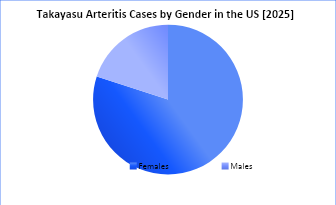
- It is rare in children and common among females.
- Nonspecific early symptoms such as fatigue, fever, malaise, and arthralgia often mimic infectious, autoimmune, or other inflammatory disorders, resulting in prolonged diagnostic delays.
- There is a critical need for validated biomarkers capable of detecting early inflammation, predicting relapse, and guiding treatment decisions.
Takayasu Arteirits Epidemiology Forecast in the 7MM
- 2025 Prevalent of Takayasu Arteirits: ~XX
- 2036 Projected Takayasu Arteirits Prevalent Cases: ~XX
Takayasu Arteirits Growth Rate (2026–2036): ~XX% CAGR
DelveInsight's ‘Takayasu Arteirits – Epidemiology Forecast – 2036’ report delivers an in-depth understanding of the Takayasu arteirits, historical and forecasted epidemiology, in the United States, EU4 (Germany, Spain, Italy, and France) and the United Kingdom, and Japan.
|
Study Period |
2022–2036 |
|
Historical Year |
2022–2025 |
|
Forecast Period |
2026–2036 |
|
Base Year |
2026 |
|
Geographies Covered |
|
|
Takayasu Arteirits Epidemiology CAGR (Forecast period) |
~XX% (2026–2036) |
|
Takayasu Arteirits Epidemiology Segmentation Analysis |
Patient Burden Assessment
|
Takayasu Arteirits Understanding and Diagnosis Algorithm
Takayasu Arteirits Overview
Takayasu arteritis is a rare, chronic, large-vessel granulomatous vasculitis that primarily affects the aorta and its major branches, leading to arterial wall inflammation, stenosis, occlusion, dilation, or aneurysm formation. The disease commonly affects young women, particularly those under 50 years of age, and can result in severe complications such as hypertension, limb ischemia, stroke, coronary artery involvement, and organ dysfunction. The exact cause of takayasu arteritis remains unclear. However, genetic susceptibility and abnormal immune activation, involving pathways such as IL-6, TNF-α, and JAK/STAT signaling, are believed to contribute to disease development.
Further details are provided in the report.
Takayasu Arteirits Diagnosis
Diagnosis of takayasu arteritis is challenging due to its heterogeneous presentation and the absence of a single definitive diagnostic test. Clinical evaluation includes assessment of constitutional symptoms (fever, fatigue, weight loss), vascular symptoms (limb claudication, reduced pulses, blood pressure differences), and signs of arterial inflammation. Imaging techniques such as CT angiography (CTA), magnetic resonance angiography (MRA), conventional angiography, and 18F-FDG PET imaging are essential for detecting vascular wall thickening, stenosis, aneurysms, and active inflammation. Laboratory markers, including erythrocyte sedimentation rate (ESR) and C-reactive protein (CRP), are used to monitor inflammatory activity, although they may not always correlate with disease progression.
Further details are provided in the report.
Takayasu Arteirits Epidemiology
Key Findings from Takayasu Arteirits Epidemiological Analysis and Forecast
- The estimated prevalence in the US is approximately 8.4 cases per million.
- European prevalence estimates range from approximately 4.7 to 33 cases per million.
- The age group where Takaysu arteritis onsets is between 15–40 years.
- Predominantly Takayasu arteritis affects those of 20–40 years of age, among which women makes upto 80–90% of the cases.
- Takayasu arteritis is rare, affecting 2–3 people per million annually and occurring ~8 times more often in females. Although symptoms often begin during adolescence, diagnosis typically occurs around age 29.
Scope of the Report
- The report covers a segment of a descriptive overview of Takayasu arteirits, explaining their causes, signs and symptoms, and pathogenesis.
- Comprehensive insight has been provided into the epidemiology segments and forecasts, the future growth potential of the diagnosis rate, and disease progression.
Report Insights
Takayasu Arteirits Patient Population Forecast
Report Key Strengths
- Epidemiology‑based (Epi‑based) Bottom‑up Forecasting
- 11-year Forecast
- Patient Burden Trends (by geography)
FAQs
- What are the disease risks, burdens, and unmet needs of Takayasu arteirits? What will be the growth opportunities across the 7MM concerning the patient population with Takayasu arteirits?
- What is the historical and forecasted Takayasu arteirits patient pool in the US, EU4 (Germany, France, Italy, and Spain), the UK, and Japan?
Reasons to Buy
- Insights on patient burden/disease prevalence, evolution in diagnosis, and factors contributing to the change in the epidemiology of the disease during the forecast years.
- To understand key opinion leaders’ perspectives around the diagnostic challenges to overcome barriers in the future.
- Detailed insights on various factors hampering disease diagnosis and other existing diagnostic challenges.