autosomal recessive congenital ichthyosis epidemiology forecast
- Autosomal recessive congenital ichthyoses (ARCI) are genetically driven skin disorders marked by varying levels of scaling and often accompanied by redness. Symptom severity differs among individuals due to mutations in different genes, and the condition significantly impacts patients’ quality of life.
- The rising number of ARCI cases can be attributed to several factors. Improved genetic testing and diagnostic techniques have led to better identification and classification of the disorder. Additionally, increased awareness, higher rates of consanguineous marriages in certain populations, and better survival of affected infants due to advances in neonatal care contribute to the apparent increase in prevalence.
- According to the secondary analysis, the estimated prevalence of ARCI varies from one case per 139,000 to 300,000 individuals.
- The rarity and clinical heterogeneity of ARCI often lead to delayed diagnosis and misclassification, particularly in regions with limited access to specialized dermatological and genetic services.
ARCI Epidemiology Forecast in the 7MM
DelveInsight's ‘ARCI – Epidemiology Forecast – 2036’ report delivers an in-depth understanding of the ARCI, historical and forecasted epidemiology in the United States, EU4 (Germany, Spain, Italy, and France) and the United Kingdom, and Japan.
|
Study Period
|
2022–2036
|
|
Historical Year
|
2022–2025
|
|
Forecast Period
|
2026–2036
|
|
Base Year
|
2026
|
|
Geographies Covered
|
- North America: The US;
- Europe: Germany, France, Italy, Spain, and the UK;
- Asia-Pacific: Japan
|
|
ARCI Epidemiology CAGR
(Forecast period; 2026–2036)
|
~X% (2026–2036)
|
|
ARCI Epidemiology Segmentation Analysis
|
ARCI Patient Burden Assessment
- Total prevalent cases of ARCI
- Diagnosed prevalent cases of ARCI
- Subtype-specific prevalence of ARCI
- Mutation-specific prevalence of ARCI
- Age-specific prevalent cases of ARCI
|
ARCI Understanding and Diagnosis
ARCI Overview and Diagnosis
ARCI are a group of chronic, inherited skin disorders characterized by widespread scaling and varying levels of redness (erythema), typically presenting at birth or in early infancy. These conditions encompass multiple non syndromic ichthyosis subtypes, each with distinct clinical features and severity. Harlequin ichthyosis represents the most severe and potentially life-threatening form, while lamellar ichthyosis and congenital ichthyosiform erythroderma (CIE) are less severe yet still impactful. Additionally, intermediate phenotypes exist, presenting with variable scale size, texture, and degrees of erythema. ARCI is caused by mutations in various genes involved in skin barrier formation, including TGM1, ABCA12, ALOX12B, ALOXE3, NIPAL4, CYP4F22, PNPLA1, CERS3, LIPN, and SULT2B1.
Diagnosing ARCI involves a thorough clinical evaluation, including history of neonatal features such as a collodion membrane, ectropion/eclabium, and signs of systemic complications. Physical examination focuses on scale characteristics, erythema, xerosis, alopecia, nail dystrophy, and joint deformities. Eye and growth assessments are also vital. A three-generation family history is reviewed, though absence of affected relatives does not rule out ARCI. Genetic diagnosis may involve gene-targeted panels or comprehensive genomic sequencing to identify causative mutations.
Further details are provided in the report.
ARCI Epidemiology
Key Findings from ARCI Epidemiological Analysis and Forecast
- Based on a secondary analysis, the estimated prevalence of ARCI varies from one case per 139,000 to 300,000 individuals.
- In France, estimates suggest that moderate to severe types of ARCI affect 1–7 people per 100,000.
- As per secondary analysis, Mutations in eleven genes are associated with the development of ARCI out of which 32%–68% of cases develop due to germline mutations in the transglutaminase (TG) 1 gene, TGM1.
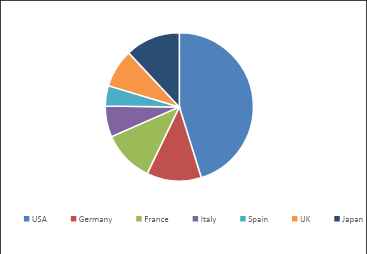
Total Diagnosed Prevalent Cases of ARCI in the 7MM in 2025
Scope of the Report
- The report covers a segment of key events, an executive summary, a descriptive overview of ARCI, explaining its causes, signs and symptoms, and pathogenesis.
- Comprehensive insight has been provided into the epidemiology segments and forecasts, the future growth potential of the diagnosis rate, and disease progression.
Report Insights
ARCI Patient Population Forecast
Report Key Strengths
- Epidemiology‑based (Epi‑based) Bottom‑up Forecasting
- Artificial Intelligence (AI)-Enabled Market Research Report
- 11-Year Forecast
FAQs
- What are the disease risks, burdens, and unmet needs of ARCI? What will be the growth opportunities across the 7MM concerning the patient population with ARCI?
- What is the ARCI prevalence in the US, EU4 (Germany, France, Italy, and Spain), the UK, and Japan?
- What is the historical and forecasted ARCI patient pool in the US, EU4 (Germany, France, Italy, and Spain), the UK, and Japan?
Reasons to Buy
- Insights on ARCI burden and disease prevalence, evolution in diagnosis, and factors contributing to the change in the epidemiology of the disease during the forecast years.
- To understand key opinion leaders’ perspectives around the diagnostic challenges to overcome barriers in the future.
- Detailed insights on various factors hampering disease diagnosis and other existing diagnostic challenges.
- Clear methodology, validated assumptions, and data-driven rationale to assess the ARCI epidemiology analysis and patient population trends.
1. Key Insights
2. Executive Summary of Autosomal Recessive Congenital Ichthyosis
3. Autosomal Recessive Congenital Ichthyosis: Disease Background and Overview
3.1. Introduction
3.2. Sign and Symptoms
3.3. Pathophysiology
3.4. Risk Factors
3.5. Diagnosis
4. Patient Journey
5. Epidemiology and Patient Population
5.1. Epidemiology Key Findings
5.2. Assumptions and Rationale: 7MM
5.3. Epidemiology Scenario: 7MM
5.3.1. Autosomal Recessive Congenital Ichthyosis Epidemiology Scenario in the 7MM (2021-2034)
5.4. United States Epidemiology
5.4.1. Autosomal Recessive Congenital Ichthyosis Epidemiology Scenario in the United States (2021-2034)
5.5. EU-5 Country-wise Epidemiology
5.5.1. Germany Epidemiology
5.5.1.1. Autosomal Recessive Congenital Ichthyosis Epidemiology Scenario in Germany (2021-2034)
5.5.2. France Epidemiology
5.5.2.1. Autosomal Recessive Congenital Ichthyosis Epidemiology Scenario in France (2021-2034)
5.5.3. Italy Epidemiology
5.5.3.1. Autosomal Recessive Congenital Ichthyosis Epidemiology Scenario in Italy (2021-2034)
5.5.4. Spain Epidemiology
5.5.4.1. Autosomal Recessive Congenital Ichthyosis Epidemiology Scenario in Spain (2021-2034)
5.5.5. United Kingdom Epidemiology
5.5.5.1. Autosomal Recessive Congenital Ichthyosis Epidemiology Scenario in the United Kingdom (2021-2034)
5.6. Japan Epidemiology
5.6.1. Autosomal Recessive Congenital Ichthyosis Epidemiology Scenario in Japan (2021-2034)
6. Treatment Algorithm, Current Treatment, and Medical Practices
6.1. Autosomal Recessive Congenital Ichthyosis Treatment and Management
6.2. Autosomal Recessive Congenital Ichthyosis Treatment Algorithm
7. KOL Views
8. Unmet Needs
9. Appendix
9.1. Bibliography
9.2. Report Methodology
10. DelveInsight Capabilities
11. Disclaimer
12. About DelveInsight
*The table of contents is not exhaustive; will be provided in the final report
List of Tables:
List of Tables
Table 1: Autosomal Recessive Congenital Ichthyosis Epidemiology in 7MM (2021-2034)
Table 2: Autosomal Recessive Congenital Ichthyosis Diagnosed and Treatable Cases in 7MM (2021-2034)
Table 3: Autosomal Recessive Congenital Ichthyosis Epidemiology in the United States (2021-2034)
Table 4: Autosomal Recessive Congenital Ichthyosis Diagnosed and Treatable Cases in the United States (2021-2034)
Table 5: Autosomal Recessive Congenital Ichthyosis Epidemiology in Germany (2021-2034)
Table 6: Autosomal Recessive Congenital Ichthyosis Diagnosed and Treatable Cases in Germany (2021-2034)
Table 7: Autosomal Recessive Congenital Ichthyosis Epidemiology in France (2021-2034)
Table 8: Autosomal Recessive Congenital Ichthyosis Diagnosed and Treatable Cases in France (2021-2034)
Table 9: Autosomal Recessive Congenital Ichthyosis Epidemiology in Italy (2021-2034)
Table 10: Autosomal Recessive Congenital Ichthyosis Diagnosed and Treatable Cases in Italy (2021-2034)
Table 11: Autosomal Recessive Congenital Ichthyosis Epidemiology in Spain (2021-2034)
Table 12: Autosomal Recessive Congenital Ichthyosis Diagnosed and Treatable Cases in Spain (2021-2034)
Table 13: Autosomal Recessive Congenital Ichthyosis Epidemiology in the United Kingdom (2021-2034)
Table 14: Autosomal Recessive Congenital Ichthyosis Diagnosed and Treatable Cases in the United Kingdom (2021-2034)
Table 15: Autosomal Recessive Congenital Ichthyosis Epidemiology in Japan (2021-2034)
Table 16: Autosomal Recessive Congenital Ichthyosis Diagnosed and Treatable Cases in Japan (2021-2034)
List of Figures:
List of Figures
Figure 1 Autosomal Recessive Congenital Ichthyosis Epidemiology in 7MM (2021-2034)
Figure 2 Autosomal Recessive Congenital Ichthyosis Diagnosed and Treatable Cases in 7MM (2021-2034)
Figure 3 Autosomal Recessive Congenital Ichthyosis Epidemiology in the United States (2021-2034)
Figure 4 Autosomal Recessive Congenital Ichthyosis Diagnosed and Treatable Cases in the United States (2021-2034)
Figure 5 Autosomal Recessive Congenital Ichthyosis Epidemiology in Germany (2021-2034)
Figure 6 Autosomal Recessive Congenital Ichthyosis Diagnosed and Treatable Cases in Germany (2021-2034)
Figure 7 Autosomal Recessive Congenital Ichthyosis Epidemiology in France (2021-2034)
Figure 8 Autosomal Recessive Congenital Ichthyosis Diagnosed and Treatable Cases in France (2021-2034)
Figure 9 Autosomal Recessive Congenital Ichthyosis Epidemiology in Italy (2021-2034)
Figure 10 Autosomal Recessive Congenital Ichthyosis Diagnosed and Treatable Cases in Italy (2021-2034)
Figure 11 Autosomal Recessive Congenital Ichthyosis Epidemiology in Spain (2021-2034)
Figure 12 Autosomal Recessive Congenital Ichthyosis Diagnosed and Treatable Cases in Spain (2021-2034)
Figure 13 Autosomal Recessive Congenital Ichthyosis Epidemiology in the United Kingdom (2021-2034)
Figure 14 Autosomal Recessive Congenital Ichthyosis Diagnosed and Treatable Cases in the United Kingdom (2021-2034)
Figure 15 Autosomal Recessive Congenital Ichthyosis Epidemiology in Japan (2021-2034)
Figure 16 Autosomal Recessive Congenital Ichthyosis Diagnosed and Treatable Cases in Japan (2021-2034)
*The table of contents is not exhaustive; will be provided in the final report