Autosomal Recessive Congenital Ichthyosis Market
- The ARCI market is anticipated to sustain a steady Compound Annual Growth Rate (CAGR) during the forecast period (2025–2036). This growth in market revenue is primarily propelled by a rising prevalence of psychiatric disorders, an aging patient population, and increased R&D in novel therapies.
- ARCI are a skin pathology due to genetic causes characterized by a variable degree of desquamation, accompanied by erythema. The degree of symptoms is variable, different altered genes are involved, and the symptoms drastically affect patients’ quality of life.
- Based on a secondary analysis, the estimated prevalence of ARCI varies from one case per 139,000 to 300,000 individuals.
- Topical treatments are a first-choice strategy due to their ease of application and cost; however, enteral administration of retinoids offers greater efficacy, although with certain limitations. Despite the treatment alternatives, ARCI will persist throughout life, disabling people.
- Despite advances in supportive care, ARCI remains an area of considerable unmet need due to the absence of disease-modifying therapies capable of correcting the underlying genetic defects. Future treatment paradigms are increasingly focused on precision medicine approaches, including gene therapies, RNA-based therapeutics, and targeted molecular interventions designed to restore skin barrier function and address disease pathology at its source outcomes.
- The ARCI treatment landscape is evolving as companies develop therapies that target the underlying genetic causes of the disease. Among the emerging candidates, KB105, developed by Krystal Biotech, is a gene therapy designed to address the TGM1 gene defect, highlighting the growing focus on disease-modifying treatments and improved patient outcomes.
- The future ARCI treatment landscape is expected to evolve gradually as advances in genetic diagnostics and a growing understanding of disease biology support the development of targeted therapeutic approaches. Increased research activity in rare dermatologic disorders and emerging gene-based platforms may improve diagnostic precision and facilitate earlier identification of patients. While current management remains largely symptomatic, investigational therapies aimed at addressing the underlying genetic defects have the potential to expand treatment options over time.
-Market-Key-Insights.png)
DelveInsight’s comprehensive report titled “ARCI Market Insights, Epidemiology, and Market Forecast 2036” offers a detailed analysis of ARCI. The report presents historical and projected epidemiological data covering total prevalent cases of ARCI, total diagnosed prevalent cases of ARCI, age specific cases of ARCI, sub-type specific cases of ARCI, mutation specific cases of ARCI, and treated cases of ARCI .In addition to epidemiology, the market report encompasses various aspects related to the patient population. These aspects include the diagnosis process, prescription patterns, physician perspectives, market accessibility, treatment options, and prospective developments in the market across seven major markets: the United States, EU4 (Germany, France, Italy, and Spain), the United Kingdom, and Japan, spanning from 2022 to 2036.
The report analyzes the existing treatment practices and unmet medical requirements in ARCI. It evaluates the market potential and identifies potential business prospects for enhancing therapies or interventions. This valuable information enables stakeholders to make well-informed decisions regarding product development and strategic planning for the market.
|
Study Period |
2022–2036 |
|
Forecast Period |
2025–2036 |
|
Geographies Covered |
US, EU4 (Germany, France, Italy, and Spain) and the UK, and Japan |
|
ARCI Epidemiology |
|
|
ARCI Market |
|
|
Market Analysis |
|
|
ARCI Market players |
|
|
Future opportunity |
As demand grows for effective and disease-modifying interventions in ARCI management, there is a significant opportunity for therapies and technologies that enable targeted skin barrier restoration, improved symptomatic control, and reduced risk of long-term complications. Innovations in gene therapy, RNA-based therapeutics, novel topical drug delivery systems, and next-generation keratolytic agents are expected to transform standard dermatological care practices while improving outcomes across diverse patient populations and clinical settings. |
ARCI Understanding and Treatment Algorithm
ARCI Overview and Diagnosis
ARCI are a group of chronic, inherited skin disorders characterized by widespread scaling and varying levels of redness (erythema), typically presenting at birth or in early infancy. These conditions encompass multiple non syndromic ichthyosis subtypes, each with distinct clinical features and severity. Harlequin ichthyosis represents the most severe and potentially life-threatening form, while lamellar ichthyosis and congenital ichthyosiform erythroderma (CIE) are less severe yet still impactful. Additionally, intermediate phenotypes exist, presenting with variable scale size, texture, and degrees of erythema. ARCI is caused by mutations in various genes involved in skin barrier formation, including TGM1, ABCA12, ALOX12B, ALOXE3, NIPAL4, CYP4F22, PNPLA1, CERS3, LIPN, and SULT2B1.
Diagnosing ARCI involves a thorough clinical evaluation, including history of neonatal features such as a collodion membrane, ectropion/eclabium, and signs of systemic complications. Physical examination focuses on scale characteristics, erythema, xerosis, alopecia, nail dystrophy, and joint deformities. Eye and growth assessments are also vital. A three-generation family history is reviewed, though absence of affected relatives does not rule out ARCI. Genetic diagnosis may involve gene-targeted panels or comprehensive genomic sequencing to identify causative mutations.
Further details related to country-based variations are provided in the report…
Current ARCI Treatment Landscape
Management of Autosomal Recessive Congenital Ichthyosis (ARCI) is primarily symptomatic and supportive, with the goals of improving quality of life, maintaining skin barrier function, and preventing disease-related complications. Treatment typically requires a multidisciplinary approach involving dermatologic, nutritional, ophthalmologic, otolaryngologic, and infectious disease care. Core management strategies include intensive skin hydration with emollients, keratolytic agents to reduce scaling and hyperkeratosis, and systemic retinoids for selected patients with severe disease. Additional supportive measures include temperature regulation to mitigate impaired thermoregulation, nutritional support to meet increased metabolic demands, and vigilant infection prevention and management. In neonates, specialized neonatal intensive care, including humidity-controlled environments, fluid and electrolyte monitoring, and infection surveillance, is often critical. Adjunctive interventions may include physical therapy to maintain mobility, ocular lubrication for ectropion-related complications, and regular ENT assessments to address auditory impairment caused by keratin debris accumulation. Psychosocial support, patient advocacy programs, and access to disability resources are also important components of comprehensive long-term care.
Further details related to country-based variations are provided in the report…
ARCI Epidemiology
The epidemiology section of the ARCI market report offers information on the patient populations, including historical and projected prevalence trends for each of the seven major markets. Examining key opinion leader views from dermatologists, geneticists, and clinical experts can assist in identifying the reasons behind historical and projected trends. The diagnosed patient pool, their trends, and the underlying assumptions are all included in this section of the report.
This section also presents the data with relevant tables and graphs, offering a clear and concise view of the prevalence of ARCI. Additionally, the report discloses the assumptions made during the analysis, ensuring data interpretation and presentation transparency. This epidemiological data is valuable for understanding the disease burden and its long-term impact on the patient population across various regions, given the chronic and lifelong nature of this rare genetic skin disorder.
Key Findings
- Based on a secondary analysis, the estimated prevalence of ARCI varies from one case per 139,000 to 300,000 individuals.
- In France, estimates suggest that moderate to severe types of ARCI affect 1–7 people per 100,000.
- According to secondary sources, the diagnosed and treated ARCI patient population in Japan was estimated at 220 cases, with the estimate ranging from 180 to 260 cases.
- The epidemiology of ARCI is expected to change during the forecast period (2025-2036).
ARCI Market Outlook
The ARCI therapeutics market is further expected to increase by the major drivers, such as the rising prevalence population, technological advancements, and upcoming therapies in the forecast period (2025–2036).
With ongoing research and continued dedication, the future holds hope for even more effective treatments and, ultimately, a cure for this challenging condition. According to DelveInsight, the ARCI market in the 7MM is expected to change significantly during the forecast period 2025–2036.
ARCI Drug Chapters
As of 2026, there are no approved disease-modifying therapies that specifically target the underlying genetic causes of Autosomal Recessive Congenital Ichthyosis (ARCI). Management continues to rely on long-term symptomatic and supportive care aimed at improving skin barrier function, reducing hyperkeratosis and scaling, alleviating discomfort, and preventing complications. Standard treatment approaches include the regular use of emollients and moisturizers, keratolytic agents, topical therapies, and systemic retinoids in selected patients with moderate-to-severe disease. Additional supportive measures, such as infection prevention, hydration maintenance, temperature regulation, ocular care, and multidisciplinary management, remain important components of patient care. Despite these interventions, many patients experience persistent disease burden, significant treatment-related inconvenience, and reduced quality of life. Consequently, substantial unmet needs remain, driving interest in the development of targeted therapies, including gene-based and other precision medicine approaches, that aim to address the underlying molecular defects responsible for ARCI.
Note: Detailed marketed therapies assessment will be provided in the final report
Emerging ARCI Drugs
The ARCI treatment landscape is expected to evolve steadily, driven by the growing focus on genetic medicine and improved management of skin barrier dysfunction. Although the pipeline remains limited, emerging therapies such as KB105, and gene-editing based approaches are demonstrating promising potential in reducing hyperkeratosis, improving skin barrier function, and enhancing long-term quality of life for patients living with this chronic genetic skin disorder. Ongoing research efforts and advancements in targeted and combination therapies are expected to support the development of more effective and potentially curative treatment strategies for ARCI and its various subtypes.
KB105: Krystal Biotech
KB105 is a redosable, off-the-shelf gene therapy engineered to topically deliver two copies of the TGM1 gene directly onto exfoliated skin. Its primary goal is to locally supplement TGM1 protein at the application site, aiming to correct genetic deficiencies and improve the visible symptoms of the condition, thereby promoting targeted phenotypic improvement.
In 2026, the Company expects to initiate the Phase II portion of its KB105 Phase I/II JADE-1 trial evaluating KB105 for the treatment of TGM1-deficient lamellar ichthyosis in pediatric patients in 2026.
|
Drug |
MoA |
RoA |
Company |
Logo |
Phase |
|
KB105 |
TGM1 gene replacement |
Topical administration |
Krystal Biotech |
|
II |
|
XX |
XX |
X |
XXX |
|
XXX |


Note: Detailed emerging therapies assessment will be provided in the final report.
ARCI Market Segmentation
DelveInsight’s ‘ARCI – Market Insights, Epidemiology, and Market Forecast – 2036’ report provides a detailed outlook of the current and future market, ARCI segmented within countries, by therapies, and by classes. Further, the market of each region is then segmented by each therapy to provide a detailed view of the current and future market share of all therapies.
ARCI Market Size by Countries
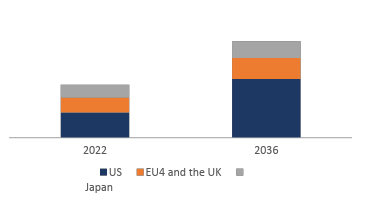
The ARCI market size is assessed separately for various countries, including the United States, EU4 (Germany, France, Italy, and Spain), the UK, and Japan. In 2025, the United States held a significant share of the overall 7MM (Seven Major Markets) ARCI market, primarily attributed to the country’s higher prevalence of the condition and the elevated cost of the available treatments. This dominance is projected to persist, especially with the potential early introduction of new products.
|
Country-wise Market Size Distribution of ARCI |
|
|
ARCI Market Size by Therapies
ARCI Market Size by Therapies is categorized into current and emerging markets for the study period 2022–2036.
|
Market Share Distribution of ARCI by Therapies in 2036 |
|
|

Note: Detailed market segment assessment will be provided in the final report.
ARCI Drugs Uptake
This section focuses on the sales uptake of potential ARCI drugs that have recently been launched or are anticipated to be launched in the ARCI market between 2022 and 2036. It estimates the market penetration of ARCI for a given country, examining their impact within and across classes and segments. It also touches upon the financial and regulatory decisions contributing to the probability of success (PoS) of the drugs in the ARCI market.
The emerging ARCI therapies are analyzed based on various attributes such as safety and efficacy in randomized clinical trials, order of entry and other market dynamics, and the unmet need they fulfill in the ARCI market.
Note: Detailed assessment of drug uptake and attribute analysis will be provided in the full report on ARCI.
ARCI Market Access and Reimbursement
DelveInsight’s ‘ARCI – Market Insights, Epidemiology, and Market Forecast – 2036’ report provides a descriptive overview of the market access and reimbursement scenario of ARCI.
This section includes a detailed analysis of the country-wise healthcare system for each therapy, enlightening the market access, reimbursement policies, and health technology assessments.
KOL Views
To keep up with current ARCI market trends and fill gaps in secondary findings, we interview KOLs and SMEs’ working in the ARCI domain. Their opinion helps understand and validate current and emerging therapies and treatment patterns or ARCI market trends. This will support the clients in potential upcoming novel treatments by identifying the overall scenario of the market and the ARCI unmet needs.
ARCI: KOL Insights
DelveInsight’s analysts connected with 50+ KOLs to gather insights; however, interviews were conducted with 15+ KOLs in the 7MM. These KOLs were from organizations, institutes, and hospitals, such as Mercer University, US, University Hospital Tübingen, Germany, University of Barcelona, Barcelona, Spain, ellvitge-Idibell University Hospital, Barcelona, Spain, University of Leeds, Leeds, UK, and University of Occupational and Environmental Health, Japan, among others.
“ARCI remains substantially underdiagnosed, particularly in regions with limited access to genetic testing and specialized dermatologic care. Many patients do not receive a confirmed molecular diagnosis, which can delay accurate disease classification, genetic counseling, prognostic assessment, and eligibility for emerging genotype-directed therapies.
The psychosocial burden of ARCI is frequently underestimated. Beyond the visible skin symptoms, patients often experience social stigma, emotional distress, heat intolerance, chronic discomfort, and challenges in educational and workplace settings. These factors can significantly affect quality of life throughout childhood and adulthood.”
Note: Detailed assessment of KOL Views will be provided in the full report on ARCI.
Competitive Intelligence Analysis
We conduct a Competitive and Market Intelligence analysis of the ARCI Market, utilizing various Competitive Intelligence tools such as SWOT analysis and Market entry strategies. The inclusion of these analyses is contingent upon data availability, ensuring a comprehensive and well-informed assessment of the market landscape and competitive dynamics.
ARCI Pipeline Development Activities
The report offers an analysis of therapeutic candidates in Phase II and III stages and examines companies involved in developing targeted therapeutics for ARCI. It provides valuable insights into the advancements and progress of potential treatments in clinical development for this condition.
Pipeline Development Activities
The report covers information on collaborations, acquisition and merger, licensing, patent details, and other information for emerging ARCI therapies.
ARCI Report Insights
- ARCI Patient Population
- Therapeutic Approaches
- ARCI Pipeline Analysis
- ARCI Market Size and Trends
- ARCI Market Opportunities
- Impact of Upcoming Therapies
ARCI Report Key Strengths
- 10 Years Forecast
- The 7MM Coverage
- ARCI Epidemiology Segmentation
- Key Cross Competition
- Highly Analyzed ARCI Market
- ARCI Drugs Uptake
ARCI Report Assessment
- ARCI Current Treatment Practices
- Unmet Needs
- ARCI Pipeline Product Profiles
- ARCI Market Attractiveness
Key Questions
- How common is ARCI?
- What are the key findings of ARCI epidemiology across the 7MM, and which country will have the highest number of patients during the study period (2022–2036)?
- What are the currently available treatments for ARCI?
- What are the disease risk, burden, and unmet needs of ARCI?
- At what CAGR is the ARCI market and its epidemiology is expected to grow in the 7MM during the forecast period (2025–2036)?
- How would the unmet needs impact the ARCI market dynamics and subsequently influence the analysis of the related trends?
- What would be the forecasted patient pool of ARCI in the 7MM covering the United States, EU4 (Germany, France, Italy, and Spain), the UK, and Japan?
- Among EU4 and the UK, which country will have the highest number of patients during the forecast period (2025–2036)?
- How many companies are currently developing therapies for the treatment of ARCI?
Reasons to buy
- The report will help in developing business strategies by understanding the latest trends and changing treatment dynamics driving the ARCI Market.
- Insights on patient burden/disease prevalence, evolution in diagnosis, and factors contributing to the change in the epidemiology of the disease during the forecast years.
- To understand the existing market opportunity in varying geographies and the growth potential over the coming years.
- Distribution of historical and current patient share based on real-world prescription data along with reported sales of current treatment in the US, EU4 (Germany, France, Italy, and Spain), the United Kingdom, and Japan.
- Identification of strong upcoming players in the market will help in devising strategies that will help in getting ahead of competitors.
- Detailed analysis and ranking of class-wise potential current and emerging therapies under the conjoint analysis section to provide visibility around leading classes.
- Highlights of Access and Reimbursement policies of approved therapies, barriers to accessibility of off-label expensive therapies, and patient assistance programs.
- To understand the perspective of Key Opinion Leaders around the accessibility, acceptability, and compliance-related challenges of existing treatment to overcome barriers in the future.
- Detailed insights on the unmet needs of the existing market so that the upcoming players can strengthen their development and launch strategy.