Bacterial Pneumonia Market Summary
Bacterial Pneumonia Market & Epidemiology Analysis
- Bacterial pneumonia continues to be one of the leading infectious causes of hospitalization and mortality globally, particularly affecting vulnerable groups such as children under five, the elderly population, and individuals with compromised immune systems or chronic illnesses.
- Streptococcus pneumoniae remains the most common bacterial pathogen in community-acquired pneumonia (CAP). However, the growing prevalence of multidrug-resistant organisms such as Klebsiella pneumoniae and methicillin-resistant Staphylococcus aureus (MRSA) is complicating empirical therapy choices and driving the need for rapid diagnostics and novel antimicrobial agents.
- While CAP is more prevalent, hospital-acquired pneumonia (HAP) and ventilator-associated pneumonia (VAP) are associated with significantly higher morbidity and mortality rates, especially in critical care settings. This highlights an urgent need for improved infection prevention strategies in healthcare facilities.
- Patients with chronic respiratory diseases (e.g., COPD), diabetes, cardiovascular conditions, or immunosuppression face a disproportionately higher risk of severe disease and poor clinical outcomes, underscoring the importance of targeted preventive and therapeutic interventions.
- Despite available antibiotics, rising antimicrobial resistance, limited new drug approvals, and high mortality rates in severe cases, there is an urgent unmet need for novel therapies, adjunctive treatments, and precision medicine approaches to improve patient outcomes.
- Novel agents such as AON-D21 (Aptarion Biotech), AV-001 (Vasomune Therapeutics), and others are currently under investigation for bacterial pneumonia, aiming to address unmet needs in severe and resistant cases.
Request for Unlocking the Sample Page of the "Bacterial Pneumonia Treatment Market"
Key Factors Driving the Bacterial Pneumonia Market Growth
-
Rising Global Incidence of Respiratory Infections
Increased exposure to pathogens, seasonal outbreaks, and growing environmental risk factors continue to elevate the prevalence of bacterial pneumonia worldwide.
-
Increasing Geriatric Population
Older adults have a significantly higher susceptibility to bacterial respiratory diseases due to weakened immunity, driving consistent demand for effective therapies.
-
Growing Burden of Chronic Comorbidities
Conditions such as diabetes, COPD, asthma, cardiovascular disorders, and immunosuppressive diseases elevate the risk and severity of bacterial pneumonia, thus expanding the patient pool.
-
Advancements in Diagnostic Capabilities
Modern diagnostics—rapid PCR tests, biomarkers, imaging techniques, and antibiotic susceptibility profiling—enable faster and more accurate diagnosis, supporting timely treatment decisions.
-
Emergence of Multidrug-Resistant (MDR) Bacterial Strains
Rising antibiotic resistance is creating a critical need for novel antimicrobials, driving pharmaceutical R&D and accelerating market expansion.
-
Introduction of Next-Generation Antibiotics
Innovative antibacterial agents targeting MDR pathogens and offering improved efficacy and safety profiles are strengthening the therapeutic landscape.
-
Increasing Hospitalization and Ventilator-Associated Cases
Higher rates of hospitalization and intensive care admissions—especially post-pandemic—contribute to more cases of hospital-acquired and ventilator-associated pneumonia.
-
Growing Awareness and Preventive Healthcare Initiatives
Public health programs promoting vaccination, early diagnosis, and preventive strategies are improving disease detection rates, thereby supporting market growth.
-
Expansion of Healthcare Infrastructure in Developing Regions
Improved access to medical facilities, enhanced diagnostic services, and better treatment availability are accelerating market uptake in emerging economies.
DelveInsight’s "Bacterial Pneumonia Treatment Market Insight, Epidemiology, and Market Forecast – 2034" report delivers an in-depth understanding of bacterial pneumonia, historical and forecasted epidemiology, as well as the bacterial pneumonia market trends in the United States, EU4 (Germany, France, Italy, and Spain) and the United Kingdom, and Japan.
The Bacterial Pneumonia Treatment Market Report provides current treatment practices, emerging drugs, bacterial pneumonia share of individual therapies, and current and forecasted bacterial pneumonia market size from 2020 to 2034, segmented by seven major markets. The report also covers current bacterial pneumonia treatment practices/algorithms and unmet medical needs to curate the best of the opportunities and assess the underlying potential of the market.
Scope of the Bacterial Pneumonia Market | |
|
Study Period |
2020–2034 |
|
Forecast Period |
2025–2034 |
|
Geographies Covered |
US, EU4 (Germany, France, Italy, and Spain) and the UK, and Japan |
|
Bacterial Pneumonia Epidemiology |
Segmented by
|
|
Bacterial Pneumonia Companies |
|
|
Bacterial Pneumonia Therapies |
|
|
Bacterial Pneumonia Market |
Segmented by
|
|
Analysis |
|
Bacterial Pneumonia Disease Understanding and Treatment Algorithm
Bacterial Pneumonia Overview
Bacterial pneumonia is a lung infection caused by various bacterial pathogens, leading to inflammation and fluid accumulation in the alveoli. It can present as community-acquired bacterial pneumonia (CABP), hospital-acquired bacterial pneumonia (HABP), or ventilator-associated bacterial pneumonia (VABP), with severity ranging from mild to life-threatening. Common symptoms include fever, cough with sputum, chest pain, and difficulty breathing. Streptococcus pneumoniae remains the most frequent cause of community-acquired cases, while multidrug-resistant organisms like Acinetobacter baumannii and Pseudomonas aeruginosa are major contributors to hospital-acquired infections. Diagnosis typically involves clinical evaluation, chest imaging, and microbiological tests. Prompt initiation of appropriate therapy is crucial to reduce complications, hospital stays, and mortality.
Bacterial Pneumonia Diagnosis
The diagnosis of bacterial pneumonia involves a combination of clinical assessment, imaging studies, and laboratory tests to confirm infection and identify the causative organism. A physical examination may reveal abnormal lung sounds, such as crackles or decreased breath sounds. Chest X-ray is the primary imaging tool used to detect lung infiltrates, consolidation, or pleural effusion, while computed tomography (CT) scans are reserved for complex or unclear cases. Laboratory tests, including complete blood count (CBC) and inflammatory markers such as C-reactive protein (CRP) or procalcitonin, help assess infection severity. Microbiological tests, such as sputum culture, blood culture, or polymerase chain reaction (PCR)-based assays, are performed to identify the pathogen and guide antibiotic selection. In hospitalized or critically ill patients, rapid diagnostic techniques and antigen detection tests for pathogens like Streptococcus pneumonia may be used to enable timely, targeted therapy.
Further details related to diagnosis will be provided in the report…
Bacterial Pneumonia Treatment
The treatment of bacterial pneumonia primarily focuses on the timely initiation of appropriate antibiotic therapy, along with supportive care to relieve symptoms and prevent complications. The choice of antibiotic depends on factors such as the type of pneumonia community-acquired, hospital-acquired, or ventilator-associated, the suspected or confirmed pathogen, local resistance patterns, patient comorbidities, and illness severity. For mild community-acquired pneumonia, oral antibiotics like macrolides (e.g., azithromycin) or doxycycline are often prescribed, whereas severe cases or those requiring hospitalization may require intravenous beta-lactams, fluoroquinolones, or combination therapies. Newer FDA-approved antibiotics such as XENLETA, NUZYRA, and XACDURO are reserved for resistant or difficult-to-treat infections, especially in hospital settings. Supportive measures include oxygen therapy for hypoxemia, antipyretics for fever, and intravenous fluids if needed.
Further details related to treatment will be provided in the report…
Bacterial Pneumonia Epidemiology
The Bacterial Pneumonia epidemiology chapter in the report provides historical as well as forecasted epidemiology segmented by the total incident cases of bacterial pneumonia, gender-specific cases of bacterial pneumonia, age-specific cases of bacterial pneumonia, and type-specific cases of bacterial pneumonia in the 7MM market covering the United States, EU4 (Germany, France, Italy, and Spain) and the United Kingdom, and Japan from 2020 to 2034.
Key findings from the Bacterial Pneumonia Epidemiological Forecast
- In the US, lower respiratory tract infections surpass all other infections in terms of morbidity and mortality, with approximately 649 to 847 CAP cases per 100,000. In Europe, the incidence varies from 206 to 470 cases per 100,000 patients per year.
- In the US, there are an estimated 2.2 to 8 million hospitalized cases annually.
- In the US, the annual CAP incidence rate is estimated at 248 cases per 10,000 adults.
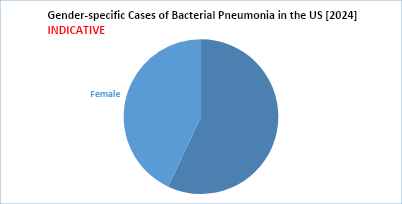
- The disease is more prevalent in males than females and is associated with a higher risk of adverse outcomes in men. In 2024, approximately 57% of community-acquired bacterial pneumonia (CABP) cases in the US occurred in males, compared to 43% in females.
- In Europe, 25% of the population is over 60 years old, and this is anticipated to reach 35% by 2050.
Bacterial Pneumonia Drug Analysis
Bacterial Pneumonia Marketed Drugs
-
XACDURO (sulbactam; durlobactam): Entasis Therapeutics
XACDURO is a combination of sulbactam, a beta-lactam antibacterial, and durlobactam, a beta-lactamase inhibitor, approved in patients 18 years of age and older for the treatment of HABP/VABP caused by susceptible isolates of Acinetobacter baumannii-calcoaceticus complex (Acinetobacter).
In May 2023, Innoviva Specialty Therapeutics, a subsidiary of Innoviva, announced that the US Food and Drug Administration (FDA) approved XACDURO for patients 18 years of age and older for the treatment of HABP/VABP caused by susceptible isolates of Acinetobacter baumannii-calcoaceticus complex (Acinetobacter).
-
XENLETA (lefamulin): Meitheal Pharmaceuticals
XENLETA is a first-in-class, semi-synthetic pleuromutilin antibiotic for systemic administration in humans. It is designed to inhibit the synthesis of bacterial protein, which is required for bacteria to grow. XENLETA’s binding occurs with high affinity, high specificity, and at molecular sites that are different than other antibiotic classes.
In December 2024, Meitheal Pharmaceuticals announced that it had secured exclusive commercial rights in the US to XENLETA through an exclusive license and supply agreement with its parent company, Hong Kong King-Friend Industrial. HKF has acquired global rights to XENLETA (with the exception of Greater China) from Nabriva Therapeutics. Through the acquisition, HKF has obtained substantially all global assets related to XENLETA, including results of development and regulatory activities.
|
Key Cross of Marketed Therapies in Bacterial Pneumonia | ||||
|
Drug |
Company |
MoA |
Patient Segment |
Initial Approval |
|
XACDURO |
Entasis Therapeutics |
Beta-lactamase inhibitors |
Patients 18 years of age and older for the treatment of HABP/VABP |
2023 |
|
NUZYRA |
Paratek Pharmaceuticals |
Protein synthesis inhibitors |
Adult patients with CABP |
2018 |
|
XENLETA |
Meitheal Pharmaceuticals |
Peptidyl transferase modulators |
Adults with CABP |
2019 |
|
FETROJA |
Shionogi |
Cell wall inhibitors |
Patients 18 years of age or older for the treatment of HABP/VABP |
2019 |
Bacterial Pneumonia Emerging Drugs
-
AON-D21: Aptarion Biotech
AON-D21 neutralizes complement factor C5a, a central player of the immune system. C5a is believed to trigger excessive immune responses in severe inflammatory diseases and infections, often causing multi-organ failure and death. Aptarion’s lead drug candidate AON-D21 is currently being tested in a Phase II clinical trial in patients diagnosed with severe community-acquired pneumonia.
-
AV-001: Vasomune Therapeutics
AV-001 is a novel investigational medicine that targets the Tie2 receptor, a transmembrane protein most highly expressed on the surface of endothelial cells in the vasculature. It is currently in Phase II of development for patients hospitalized with pneumonia due to COVID-19 or other respiratory infections, including bacterial pneumonia.
In May 2024, Vasomune Therapeutics announced that the US FDA granted Fast Track designation for AV-001 for the prevention or treatment of moderate-to-severe ARDS in patients hospitalized with viral and/or bacterial respiratory infections.
|
Comparison of Emerging Drugs Under Development | ||||
|
Drug |
Company |
Phase |
MoA |
Indication |
|
AON-D21 |
Aptarion Biotech |
II |
Complement C5a receptor antagonists |
Severe CAP |
|
AV-001 |
Vasomune Therapeutics |
II |
Tie2 receptor agonist |
Moderate-to-severe ARDS in patients hospitalized with viral and/or bacterial respiratory infections. |
Note: Detailed emerging therapies assessment will be provided in the final report.
Bacterial Pneumonia Drug Class Insight
Marketed therapies for Bacterial Pneumonia mainly involve beta-lactamase inhibitors (XACDURO), protein synthesis inhibitors (NUZYRA), peptidyl transferase modulators (XENLETA), and others. Emerging therapies are exploring complement C5a receptor antagonists, Tie2 receptor agonist mechanisms to provide more precise and sustained symptom control.
- Beta-lactamase inhibitors
Beta-lactamase inhibitors are a class of drugs designed to block the activity of beta-lactamase enzymes produced by certain bacteria, which inactivate beta-lactam antibiotics like penicillins, cephalosporins, and carbapenems. By inhibiting these enzymes, beta-lactamase inhibitors protect the antibiotic from enzymatic degradation, thereby restoring its antibacterial activity and expanding its spectrum of action against resistant organisms. Commonly used beta-lactamase inhibitors include clavulanic acid, sulbactam, and tazobactam, which are typically combined with beta-lactam antibiotics such as amoxicillin, ampicillin, or piperacillin. Newer agents like avibactam, relebactam, and vaborbactam have been developed to target extended-spectrum and carbapenemase-producing organisms, offering enhanced activity against multidrug-resistant Gram-negative bacteria. These combinations play a crucial role in treating serious infections such as hospital-acquired pneumonia, intra-abdominal infections, and complicated urinary tract infections caused by resistant pathogens.
Bacterial Pneumonia Market Outlook
The therapeutic landscape for bacterial pneumonia, a common respiratory infection caused by pathogens such as Streptococcus pneumoniae, Haemophilus influenzae, and Staphylococcus aureus, has evolved significantly, though conventional antibiotics remain the cornerstone of treatment. Historically, broad-spectrum antibiotics, including beta-lactams, macrolides, and fluoroquinolones, have been the mainstay, aiming to eradicate the infection and prevent complications such as sepsis or respiratory failure. Supportive care, including oxygen therapy and hydration, continues to play a critical role, particularly in severe cases.
For multidrug-resistant or severe infections, newer interventions and combination therapies have emerged to enhance efficacy and reduce mortality. Investigational agents such as AON-D21 and AV-001 are being explored for their novel mechanisms of action, including targeting bacterial virulence factors and modulating host immune responses, offering potential advantages over traditional antibiotics. These therapies aim not only to clear infection but also to mitigate tissue damage and systemic inflammation.
Despite these advances, most current treatments address the infection rather than the underlying host-pathogen interactions that drive disease severity. Emerging strategies focus on precision therapies that consider pathogen resistance profiles, host immune status, and disease severity. Agents targeting specific bacterial signaling pathways, virulence mechanisms, or host immune modulation are under investigation to improve clinical outcomes, reduce antibiotic resistance, and enhance patient quality of life.
Bacterial Pneumonia Drugs Uptake
This section focuses on the uptake rate of potential Bacterial Pneumonia drugs expected to be launched in the market during 2025–2034. The landscape of bacterial pneumonia treatment has experienced a profound transformation with the uptake of novel drugs. These innovative therapies are redefining standards of care. Furthermore, the increased uptake of these transformative drugs is a testament to the unwavering dedication of physicians, oncology professionals, and the entire healthcare community in their tireless pursuit of advancing cancer care. This momentous shift in treatment paradigms is a testament to the power of research, collaboration, and human resilience.
Bacterial Pneumonia Pipeline Development Activities
The Bacterial Pneumonia Therapeutics Market Report provides insights into different therapeutic candidates in the Phase III and Phase II stages. It also analyzes key Bacterial Pneumonia Companies involved in developing targeted therapeutics. The report covers detailed information on collaborations, acquisitions and mergers, licensing, and patent details for bacterial pneumonia emerging therapies.
Latest KOL- Views on Bacterial Pneumonia
To keep up with current market trends, we take KOLs and SMEs' opinions working in the domain through primary research to fill the data gaps and validate our secondary research. Some of the leaders like MD, Professor and Vice Chair of the Department of Biotechnology and Director, PhD, and others. Their opinion helps to understand and validate current and emerging therapies and treatment patterns or bacterial pneumonia market trends. This will support the clients in potential upcoming novel treatments by identifying the overall scenario of the market and the unmet needs.
Delveinsight’s analysts connected with 15+ KOLs to gather insights; however, interviews were conducted with 5+ KOLs in the 7MM. Centers such as the Washington University School of Medicine, University Medical Center Hamburg-Eppendorf, and University Graduate School of Medicine, etc. were contacted. Their opinion helps understand and validate bacterial pneumonia epidemiology and market trends.
|
KOL Views |
|
“The use of corticosteroids in bacterial pneumonia remains controversial and may be considered in patients experiencing persistent hypotension with presumed adrenal insufficiency. Increasing evidence suggests the potential utility of corticosteroids in the intensive care population, showing benefits in preventing progression to mechanical ventilation and reducing mortality by 28 days when administered within 24 hours of severe CAP development.” - MD, Staten Island University Hospital, US |
Bacterial Pneumonia Qualitative Analysis Report
We perform qualitative and market intelligence analysis using various approaches, such as SWOT and conjoint analysis. In the SWOT analysis, strengths, weaknesses, opportunities, and threats in terms of disease diagnosis, patient awareness, patient burden, competitive landscape, cost-effectiveness, and geographical accessibility of therapies are provided. These pointers are based on the Analyst’s discretion and assessment of the patient burden, cost analysis, and existing and evolving treatment landscape.
Conjoint Analysis analyzes multiple approved and emerging therapies based on relevant attributes such as safety, efficacy, frequency of administration, designation, route of administration, and order of entry. Scoring is given based on these parameters to analyze the effectiveness of therapy. The analyst analyzes multiple emerging therapies based on relevant attributes such as safety, efficacy, frequency of administration, route of administration, and order of entry.
In efficacy, the trial’s primary and secondary outcome measures are evaluated. Further, the therapies’ safety is evaluated, wherein the acceptability, tolerability, and adverse events are majorly observed, and it sets a clear understanding of the side effects posed by the drug in the trials.
Bacterial Pneumonia Market Access and Reimbursement
Reimbursement may be referred to as the negotiation of a price between a manufacturer and a payer that allows the manufacturer access to the market. It is provided to reduce the high costs and make the essential drugs affordable. Health technology assessment (HTA) plays an important role in reimbursement decision-making and recommending the use of a drug. These recommendations vary widely throughout the seven major markets, even for the same drug. In the US healthcare system, both Public and Private health insurance coverage are included. Also, Medicare and Medicaid are the largest government-funded programs in the US. The major healthcare programs, including Medicare, Medicaid, Health Insurance Program (CHIP), and the state and federal health insurance marketplaces, are overseen by the Centers for Medicare & Medicaid Services (CMS). Other than these, Pharmacy Benefit Managers (PBMs) and third-party organizations that provide services and educational programs to aid patients are also present.
The Bacterial Pneumonia Therapeutics Market Report further provides detailed insights on the country-wise accessibility and reimbursement scenarios, cost-effectiveness scenario of currently used therapies, programs making accessibility easier and out-of-pocket costs more affordable, insights on patients insured under federal or state government prescription drug programs, etc.
Further detailed analysis will be provided in the report….
Bacterial Pneumonia Market Report Scope
- The Bacterial Pneumonia Therapeutics Market Report covers a descriptive overview, explaining its causes, signs and symptoms, pathogenesis, and currently available therapies.
- Comprehensive insight has been provided into bacterial pneumonia epidemiology and treatment.
- Additionally, an all-inclusive account of both the current and emerging therapies for bacterial pneumonia is provided, along with the assessment of new therapies, which will have an impact on the current treatment landscape.
- A detailed review of the bacterial pneumonia market, historical and forecasted, is included in the report, covering the 7MM drug outreach.
- The report provides an edge while developing business strategies, by understanding trends shaping and driving the 7MM bacterial pneumonia market.
Bacterial Pneumonia Market Report Insights
- Patient-based Bacterial Pneumonia Market Forecasting
- Therapeutic Approaches
- Bacterial Pneumonia Pipeline Drugs Analysis
- Bacterial Pneumonia Market Size and Trends
- Bacterial Pneumonia Drugs Market Opportunities
- Impact of Upcoming Therapies
Bacterial Pneumonia Market Report Key Strengths
- 10-Year Bacterial Pneumonia Market Forecast
- 7MM Coverage
- Bacterial Pneumonia Epidemiology Segmentation
- Key Cross Competition
- Highly Analyzed Bacterial Pneumonia Drugs Market
- Bacterial Pneumonia Drugs Uptake
Bacterial Pneumonia Market Report Assessment
- Current Bacterial Pneumonia Treatment Practices
- Bacterial Pneumonia Unmet Needs
- Bacterial Pneumonia Pipeline Product Profiles
- Bacterial Pneumonia Drugs Market Attractiveness
- Bacterial Pneumonia Qualitative Analysis (SWOT and Conjoint Analysis)
Key Questions Answered in the Bacterial Pneumonia Market Report
- What was the bacterial pneumonia market share (%) distribution in 2020, and what would it look like in 2034?
- What would be the bacterial pneumonia market size, as well as market size by therapies across the 7MM during the study period (2020–2034)?
- What are the key findings about the market across the 7MM, and which country will have the largest bacterial pneumonia market size during the study period (2020–2034)?
- At what CAGR, the bacterial pneumonia market expected to grow at the 7MM level during the study period (2020–2034)?
- What would be the bacterial pneumonia market growth till 2034?
- What are the disease risks, burdens, and unmet needs of bacterial pneumonia?
- What is the historical bacterial pneumonia patient pool in the United States, the EU4 (Germany, France, Italy, and Spain), the UK, and Japan?
- What will be the growth opportunities across the 7MM concerning the patient population of bacterial pneumonia?
- Among the 7MM, which country would have the most incident cases of bacterial pneumonia?
- At what CAGR is the population expected to grow across the 7MM during the study period (2020–2034)?
- How many companies are developing therapies for the treatment of bacterial pneumonia?
- How many emerging therapies are in the mid-stage and late-stage of development for the treatment of bacterial pneumonia?
- What are the key collaborations (industry–industry, industry-academia), mergers and acquisitions, and licensing activities related to bacterial pneumonia therapies?
- What are the recent novel therapies, targets, Bacterial Pneumonia mechanisms of action, and technologies developed to overcome the limitations of existing therapies?
- What are the clinical studies going on for bacterial pneumonia and their status?
- What are the key designations that have been granted for the emerging therapies for bacterial pneumonia?
- What is the 7MM historical and forecasted market of bacterial pneumonia?
Reasons to Buy the Bacterial Pneumonia Market Report
- The Bacterial Pneumonia Therapeutics Market Report will help in developing business strategies by understanding trends shaping and driving the bacterial pneumonia drugs market.
- To understand the future Bacterial Pneumonia Drugs Market competition in the bacterial pneumonia market and insightful review of the SWOT analysis of bacterial pneumonia.
- Organize sales and marketing efforts by identifying the best opportunities for bacterial pneumonia in the US, EU4 (Germany, France, Italy, and Spain), the United Kingdom, and Japan.
- Identification of strong upcoming Bacterial Pneumonia Companies in the market will help in devising strategies that will help in getting ahead of competitors.
- To understand the future market competition in bacterial pneumonia.
Stay updated with us for Recent Articles