Fecal Incontinence Epidemiology
- Fecal incontinence is a distressing and often underreported condition characterized by the recurrent involuntary passage of liquid or solid stool. Anal incontinence is a broader term that encompasses fecal incontinence as well as the involuntary leakage of flatus and mucus.
Fecal Incontinence Epidemiology Insights and Trends
- A large proportion of patients have coexisting pelvic floor disorders, neurological conditions, or bowel dysfunction, highlighting the multifactorial nature of the disease and the need for individualized management approaches.
- Urge fecal incontinence is generally reported as the most common subtype, accounting for approximately 40–60% of cases, followed by mixed fecal incontinence, while passive fecal incontinence represents a smaller proportion of the patient population.
Fecal Incontinence Epidemiology Forecast in the 7MM
| 2025 Fecal Incontinence Diagnosed Prevalent Cases | ~ USD XX million |
| 2036 Projected Fecal Incontinence Diagnosed Prevalent Cases | ~ USD XX million |
| Fecal Incontinence Growth Rate (2026–2036) | ~XX% CAGR |
DelveInsight's ‘Fecal Incontinence – Epidemiology Forecast – 2036’ report delivers an in-depth understanding of the fecal incontinence, historical and forecasted epidemiology in the United States, EU4 (Germany, Spain, Italy, and France), and the United Kingdom, and Japan.
Scope of the Fecal Incontinence Epidemiology Report | |
|
Study Period |
2022–2036 |
|
Historical Year |
2022–2025 |
|
Forecast Period |
2026–2036 |
|
Base Year |
2026 |
|
Geographies Covered |
|
|
Fecal Incontinence Epidemiology CAGR (Forecast period) |
~XX % (2026–2036) |
|
Fecal Incontinence Epidemiology Segmentation Analysis |
Patient Burden Assessment
|
Fecal Incontinence Understanding and Diagnostic Algorithm
Fecal Incontinence Overview and Diagnosis
Fecal incontinence is the inability to control bowel movements, resulting in the accidental leakage of stool. The condition can range from occasional leakage during the passage of gas to complete loss of bowel control. Fecal incontinence is often associated with factors such as anal sphincter dysfunction, nerve damage, reduced rectal compliance, pelvic floor disorders, aging, and chronic gastrointestinal conditions.
Despite its significant impact on quality of life, emotional well-being, and social functioning, fecal incontinence remains underreported and undertreated due to stigma and embarrassment surrounding the condition.
The diagnosis of fecal incontinence involves a comprehensive clinical evaluation, including a detailed medical history, assessment of symptom severity and frequency, and physical examination. Diagnostic investigations may include anorectal manometry to assess sphincter function, endoanal ultrasonography or magnetic resonance imaging (MRI) to evaluate structural abnormalities, and additional tests to assess rectal sensation and pelvic floor function. Identifying the underlying cause of fecal incontinence is critical for appropriate patient management and treatment selection.
Get More Insights into the Report @ Fecal Incontinence Treatment Market Size
Fecal Incontinence Epidemiology
Key Findings from Fecal Incontinence Epidemiological Analysis and Forecast
- Fecal incontinence is a chronic and often stigmatized disorder involving the involuntary passage of stool, which can significantly impair quality of life. Its prevalence is estimated at 7–15% in the general population and increases with age, particularly among women.
- The prevalence of fecal incontinence is estimated at approximately 9% among women compared with 8% among men in the adult population.
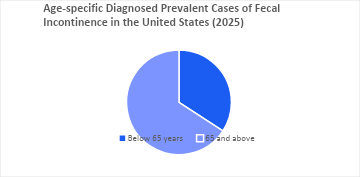
- The prevalence of fecal incontinence increases with age, making older adults the most affected population. Large population-based surveys estimate a prevalence of 3–7% among individuals aged 65 years and older, while rates may reach up to 50% among elderly residents of nursing homes, highlighting the substantial burden of the condition in advanced age groups.
Scope of the Fecal Incontinence Epidemiology Report
- The Fecal Incontinence Epidemiology Report covers a segment of an executive summary, a descriptive overview of fecal incontinence, explaining its causes, signs and symptoms, and pathogenesis.
- Comprehensive insight has been provided into the Fecal Incontinence epidemiology segments and forecasts, the future growth potential of the diagnosis rate, and disease progression.
Fecal Incontinence Epidemiology Report Insights
- Fecal Incontinence Patient Population Forecast
For More Information on the Report @ Fecal Incontinence Pipeline Drugs
Fecal Incontinence Epidemiology Report Key Strengths
- Epidemiology‑based (epi‑based) Bottom‑up Forecasting
- 11-year Forecast
- Patient Burden Trends (by geography)
Key Questions Answered in the Fecal Incontinence Epidemiology Report
- What are the disease risks, burdens, and unmet needs of fecal incontinence?
- What will be the growth opportunities across the 7MM concerning the patient population with fecal incontinence?
- What is the historical and forecasted fecal incontinence patient pool in the US, EU4 (Germany, France, Italy, and Spain), the UK, and Japan?
Reasons to Buy the Fecal Incontinence Epidemiology Report
- Insights on patient burden/disease: Fecal Incontinence Prevalence, evolution in diagnosis, and factors contributing to the change in the epidemiology of the disease during the forecast years.
- To understand key opinion leaders’ perspectives on the diagnostic challenges to overcome barriers in the future.
- Detailed insights into various factors hampering disease diagnosis and other existing diagnostic challenges.
Stay updated with us for Recent Articles @ New DelveInsight Blogs