Generic Drugs Market Summary
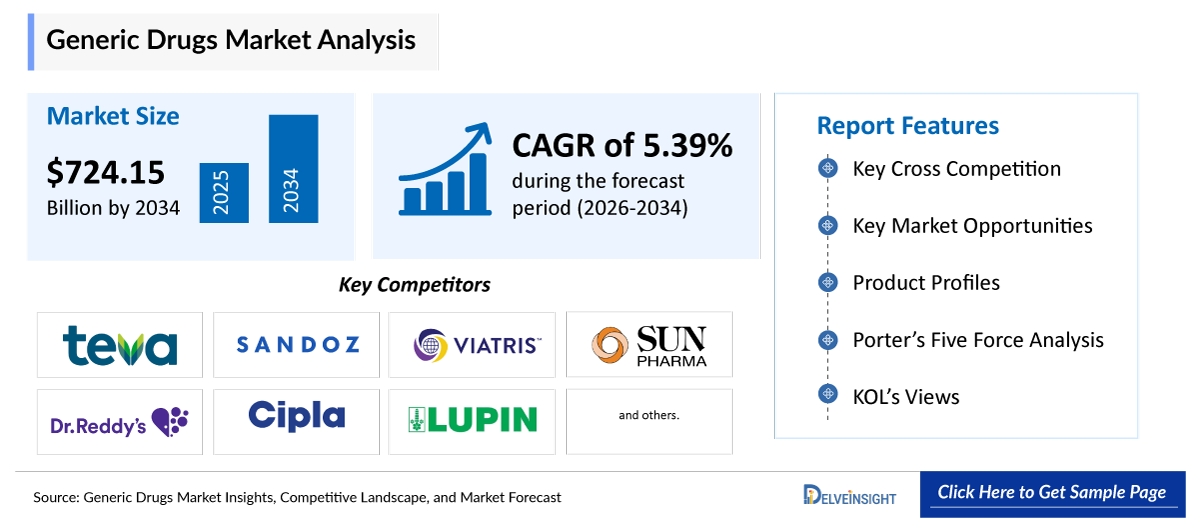
- The global generic drugs market is expected to increase from USD 453.61 billion in 2025 to USD 724.15 billion by 2034, reflecting strong and sustained growth.
- The global generic drugs market is growing at a CAGR of 5.39% during the forecast period from 2026 to 2034.
- The growth of the generic drugs market is being significantly driven by the rising prevalence of chronic diseases, the continuous expiration of patents for branded pharmaceuticals, and the increasing demand for affordable healthcare solutions. The growing burden of chronic conditions such as cardiovascular diseases, diabetes, cancer, respiratory disorders, and neurological diseases has led to a substantial increase in long-term medication use worldwide, creating strong demand for cost-effective treatment options.
- At the same time, the expiration of patents for numerous blockbuster branded drugs has enabled generic manufacturers to introduce therapeutically equivalent alternatives at significantly lower prices, expanding market opportunities and increasing patient access to essential medicines. Furthermore, escalating healthcare expenditures are prompting governments, insurers, and healthcare providers to implement cost-containment measures and promote generic substitution programs to reduce pharmaceutical spending. As a result, generic drugs are increasingly being adopted across both developed and emerging markets due to their proven efficacy, safety, and affordability. The combined impact of growing chronic disease prevalence, expanding patent-expiry opportunities, and strong demand for lower-cost therapies is accelerating the adoption of generic medicines and driving sustained growth in the global generic drugs market.
- The leading companies operating in the generic drugs market include Teva Pharmaceutical Industries Ltd., Sandoz Group AG, Viatris Inc., Sun Pharmaceutical Industries Limited, Dr. Reddy's Laboratories Limited, Cipla Limited, Lupin Limited, Aurobindo Pharma Limited, Hikma Pharmaceuticals PLC, Fresenius Kabi AG, Amneal Pharmaceuticals, Inc., Alkem Laboratories Limited, Zydus Lifesciences Limited, Torrent Pharmaceuticals Limited, Glenmark Pharmaceuticals Limited, Apotex Inc., STADA Arzneimittel AG, KRKA, d. d., Novo mesto, Laboratorios Cinfa, S.A., Laboratorios Normon, S.A., Aspen Pharmacare Holdings Limited, Taro Pharmaceutical Industries Ltd., Endo International plc, ANI Pharmaceuticals, Inc., Mallinckrodt plc, Aptahem AB, Celltrion, Inc., Biocon Biologics Limited, Samsung Bioepis Co., Ltd., Intas Pharmaceuticals Limited, Abbott Laboratories, Sanofi S.A., Pfizer Inc., Bayer Aktiengesellschaft (Bayer AG), and others.
- North America is expected to dominate the Generic Drugs market due to the high prevalence of chronic diseases, widespread adoption of cost-effective generic medications, and a well-established healthcare infrastructure. The region benefits from favorable regulatory pathways for generic drug approvals, strong government support for generic substitution, and the presence of leading generic pharmaceutical manufacturers. Additionally, increasing healthcare expenditure and ongoing patent expirations of branded drugs continue to drive demand for generic medicines across the United States and Canada.
- In the product type segment of the generic drugs market, the simple generics category is estimated to account for the largest market share in 2025.
Request for unlocking the report of the @ Generic Drugs Market
Generic Drugs Market Size and Forecasts
|
Report Metrics |
Details |
|
2025 Market Size |
USD 453.61 billion |
|
2034 Projected Market Size |
USD 724.15 billion |
|
Growth Rate (2026-2034) |
5.39% CAGR |
|
Largest Market |
North America |
|
Fastest Growing Market |
Asia-Pacific |
|
Market Structure |
Moderately Concentrated |
Factors Contributing to the Growth of the Generic Drugs Market
- Rising prevalence of chronic diseases: The increasing incidence of chronic conditions such as cardiovascular diseases, diabetes, cancer, respiratory disorders, and neurological diseases is driving demand for long-term medication therapies. Generic drugs offer a cost-effective treatment option, making them a preferred choice for patients, healthcare providers, and payers.
- The continuous expiration of patents for branded pharmaceuticals: One of the primary drivers of the generic drugs market is the continuous expiration of patents for branded pharmaceuticals. When patent protection expires, generic manufacturers can introduce lower-cost alternatives, increasing competition and expanding patient access. The patent expiry of major drugs across cardiovascular, diabetes, oncology, and central nervous system (CNS) therapies continues to create significant opportunities for generic drug manufacturers.
- Growing demand for affordable healthcare and cost-containment measures: Escalating healthcare expenditures worldwide are encouraging governments, insurers, and healthcare systems to promote generic drug utilization. Generic medicines typically cost significantly less than branded drugs while providing equivalent therapeutic benefits, helping reduce overall healthcare spending.
Generic Drugs Market Report Segmentation
This generic drugs market report offers a comprehensive overview of the global generic drugs market, highlighting key trends, growth drivers, challenges, and opportunities. It covers detailed market segmentation by Product Type (Simple Generics, Specialty Generics, Complex Generics), Route of Administration (Oral, Injectable, Topical, and Others), Prescription Type (Branded and Over-the-Counter), Therapeutic Application (Cardiovascular Diseases, Oncology, Diabetes, Neurology, Infectious Diseases, Respiratory Disorders, Gastrointestinal Disorders, Dermatology, Pain Management, and Others), Distribution Channel (Hospital Pharmacies, Retail Pharmacies, Online Pharmacies), and geography. The report provides valuable insights into the competitive landscape, regulatory environment, and market dynamics across major markets, including North America, Europe, and Asia-Pacific. Featuring in-depth profiles of leading industry players and recent product innovations, this report equips businesses with essential data to identify market potential, develop strategic plans, and capitalize on emerging opportunities in the rapidly growing generic drugs market.
Generic drugs are pharmaceutical medications that contain the same active ingredients, strength, dosage form, and therapeutic effects as their branded counterparts. They are introduced after the patent protection of the original drug expires and are approved based on their bioequivalence, safety, and efficacy. Generic drugs provide a cost-effective alternative to branded medicines, helping improve patient access to treatment while reducing overall healthcare costs.
The growth of the generic drugs market is being significantly driven by the rising prevalence of chronic diseases, the continuous expiration of patents for branded pharmaceuticals, and the increasing demand for affordable healthcare solutions. The growing burden of chronic conditions such as cardiovascular diseases, diabetes, cancer, respiratory disorders, and neurological disorders has led to a substantial increase in long-term medication use worldwide, creating strong demand for cost-effective treatment options. As populations age and lifestyle-related diseases become more common, the need for accessible and affordable therapies continues to rise.
At the same time, the expiration of patents for numerous blockbuster branded drugs has enabled generic manufacturers to introduce therapeutically equivalent alternatives at significantly lower prices, expanding market opportunities and increasing patient access to essential medicines. These patent expirations have opened the door for greater competition, allowing healthcare systems to reduce drug expenditures while maintaining treatment quality. Furthermore, escalating healthcare costs are prompting governments, insurers, and healthcare providers to implement cost-containment measures, encourage generic substitution, and establish favorable reimbursement policies to reduce pharmaceutical spending. Regulatory agencies across major markets have also streamlined approval pathways for generic medicines, supporting faster market entry and broader product availability. In addition, increasing healthcare awareness, expanding insurance coverage, and improving healthcare infrastructure in emerging economies are further accelerating generic drug adoption.
As a result, generic medicines are gaining widespread acceptance among physicians, pharmacists, and patients due to their proven efficacy, safety, and affordability. The combined impact of growing chronic disease prevalence, expanding patent-expiry opportunities, supportive regulatory frameworks, and strong demand for lower-cost therapies is accelerating the adoption of generic medicines and driving sustained growth in the global generic drugs market.
Get More Insights into the Report @ Generic Drugs Market
What are the latest generic drugs market dynamics and trends?
The rising prevalence of cancer, chronic, and autoimmune disorders is significantly increasing the demand for generic drugs.
Cancer: According to the data provided by the International Agency for Research on Cancer (2026), the projections suggest that the new cases of cancer would rise to 32.6 million by 2045. Cancer treatment often involves prolonged and expensive drug regimens, making cost-effective generic alternatives highly attractive to healthcare providers and patients. As patents expire for several oncology drugs, generic manufacturers are introducing affordable versions that improve treatment accessibility. Examples include generic versions of Lenalidomide, Imatinib, Capecitabine, and Temozolomide. The growing global cancer burden and increasing demand for affordable oncology care are accelerating the adoption of generic anticancer drugs.
Diabetes: According to the data provided by the International Diabetes Federation (2026), in 2025, approximately 590 million people worldwide had diabetes, and the projections further estimated that these cases would rise to 853 million by 2050. Diabetes requires long-term management through oral medications and, in some cases, insulin therapy, creating a substantial and recurring demand for cost-effective treatments. The growing number of diabetic patients, coupled with increasing healthcare expenditures, has encouraged the adoption of generic antidiabetic medications. Widely used generic drugs include Metformin, which remains the first-line treatment for Type 2 diabetes, as well as generic versions of glimepiride, pioglitazone, and sitagliptin in various markets. The need for affordable lifelong therapy is a key factor driving generic drug utilization in diabetes management.
Neurological Conditions: According to the data provided by the World Health Organization (2025), neurological conditions are the leading cause of ill health and disability, affecting over 1 in 3 people worldwide. The rising prevalence of neurological disorders such as epilepsy, Parkinson’s disease, Alzheimer's disease, neuropathic pain, and migraine is contributing to the expansion of the generic drugs market. Many neurological conditions require long-term pharmacological treatment, making affordability a critical consideration for patients and healthcare systems. Generic drugs provide effective therapeutic alternatives while reducing treatment costs. Common generic neurological medications include Gabapentin for neuropathic pain and epilepsy, generic levetiracetam for seizure disorders, generic donepezil for Alzheimer's disease, and generic pramipexole for Parkinson’s disease. The increasing prevalence of age-related neurological disorders is expected to further drive demand for these generic therapies.
Cardiovascular Disorders: According to data published by the British Heart Foundation (2024), approximately 640 million people globally were affected by heart and circulatory diseases, with these numbers anticipated to rise in the coming years. The same source notes that around 67 million individuals were diagnosed with heart or circulatory diseases each year. Cardiovascular diseases are among the leading causes of mortality worldwide and often require lifelong treatment, resulting in continuous demand for affordable medications. Generic drugs help reduce the financial burden on patients and healthcare systems while ensuring long-term treatment adherence. Common generic cardiovascular drugs include Atorvastatin for high cholesterol, Amlodipine for hypertension, Losartan for blood pressure management, and Clopidogrel for the prevention of cardiovascular events. The large patient population and chronic nature of these diseases continue to support strong demand for generic cardiovascular therapies.
Orthopedic & Musculoskeletal Conditions: According to the data provided by the Global
Alliance for Musculoskeletal Health (2026), approximately, 619 million population across
The world had Back pain, 203 million had neck pain, 595 million had osteoarthritis, 494 million had musculoskeletal conditions, and 18 million had rheumatoid arthritis. The growing incidence of orthopedic and musculoskeletal conditions, including osteoarthritis, rheumatoid arthritis, osteoporosis, lower back pain, and sports injuries, is supporting the growth of the generic drugs market. Aging populations, sedentary lifestyles, obesity, and increasing participation in physical activities have contributed to a higher prevalence of musculoskeletal disorders globally. Patients often require long-term pain management and anti-inflammatory therapies, creating significant demand for affordable generic medicines. Common generic drugs used in this segment include generic diclofenac, generic aceclofenac, generic ibuprofen, generic naproxen, and generic alendronate for osteoporosis management. The need for accessible and cost-effective treatment options continues to drive the adoption of generic drugs in orthopedic and musculoskeletal care.
Additionally, the continuous expiration of patents for branded pharmaceuticals is a key factor driving the growth of the generic drugs market, as it enables manufacturers to introduce lower-cost versions of previously patented medicines. Once patent exclusivity expires, generic companies can develop bioequivalent alternatives, increasing market competition, reducing treatment costs, and expanding patient access to essential therapies. Recent developments highlight this trend. In January 2025, the FDA approved generic versions of regorafenib (generic of Stivarga) by Teva and esomeprazole for suspension (generic of Nexium) by Cipla, creating new opportunities in oncology and gastrointestinal treatment markets. In March 2025, FDA approvals for generic rivaroxaban (generic of Xarelto) by Lupin and Taro expanded access to cardiovascular therapies, while generic apalutamide (generic of Erleada) by Zydus strengthened the oncology generics segment. Additionally, the loss of exclusivity of several blockbuster drugs continues to encourage generic competition and broader adoption of affordable medicines worldwide. Thus, the factors mentioned above are expected to boost the overall market of generic drugs during the forecast period.
However, the intense price competition and stringent regulatory requirements are key factors limiting the growth of the generic drugs market. The presence of multiple manufacturers offering the same generic products often leads to significant price erosion, reducing profit margins and limiting revenue growth for companies. At the same time, generic drug manufacturers must comply with rigorous regulatory standards related to bioequivalence, product quality, manufacturing practices, and safety, which require substantial investments in research, testing, and compliance. Together, these factors increase operational costs while putting downward pressure on pricing, making it challenging for manufacturers to maintain profitability and sustain long-term market growth.
Generic Drugs Market Segment Analysis
Generic Drugs Market by Product Type (Simple Generics, Specialty Generics, and Complex Generics), Route of Administration (Oral, Injectable, Topical, and Others), Prescription Type (Branded and Over-the-Counter), Therapeutic Application (Cardiovascular Diseases, Oncology, Diabetes, Neurology, Infectious Diseases, Respiratory Disorders, Gastrointestinal Disorders, Dermatology, Pain Management, and Others), Distribution Channel (Hospital Pharmacies, Retail Pharmacies, Online Pharmacies), and Geography (North America, Europe, Asia-Pacific, and Rest of the World)
By Product Type: Simple generics are expected to dominate the market with the largest revenue share.
In the product type segment of the generic drugs market, the simple generics category is contributing to 65% of total market revenue in 2025, due to its widespread use, large patient population, lower development costs, and high prescription volumes across major therapeutic areas. Simple generics are conventional small-molecule drugs that are relatively easy to manufacture and obtain regulatory approval for compared to complex generics or specialty generics. These products are extensively prescribed for chronic conditions such as hypertension, diabetes, cardiovascular diseases, gastrointestinal disorders, infections, and neurological conditions, creating a consistent and recurring demand worldwide. Common examples include generic versions of atorvastatin, metformin, amlodipine, losartan, omeprazole, and gabapentin, which are among the most frequently prescribed medicines globally. The affordability of simple generics enables healthcare systems, insurers, and governments to reduce pharmaceutical expenditures while expanding patient access to essential treatments. In addition, the continuous expiration of patents for blockbuster drugs is creating new opportunities for generic manufacturers to introduce low-cost alternatives and expand their product portfolios. Recent regulatory approvals further highlight the growth of this segment. In January 2025, the FDA approved Cipla's first generic version of esomeprazole magnesium for suspension, a generic equivalent of Nexium, for the treatment of erosive esophagitis. In March 2025, the FDA approved Zydus Pharmaceuticals' generic eluxadoline tablets, equivalent to Viberzi, for irritable bowel syndrome with diarrhea (IBS-D). Additionally, in May 2025, multiple manufacturers, including Lupin, Dr. Reddy's Laboratories, Alembic Pharmaceuticals, and Macleods Pharmaceuticals, received FDA approvals for generic rivaroxaban tablets, equivalent to Xarelto, expanding access to affordable cardiovascular therapies. These approvals, combined with increasing demand for cost-effective medicines and rising chronic disease prevalence, continue to strengthen the dominance of the simple generics segment within the global generic drugs market.
By Route of Administration: Oral category dominates the market.
Within the route of administration segment of the generic drugs market, the oral category is anticipated to dominate, accounting for around 60% of the market share in 2025, due to its convenience, high patient compliance, cost-effectiveness, ease of administration, and extensive use across a wide range of therapeutic areas. Oral dosage forms such as tablets, capsules, powders, and oral suspensions are the most commonly prescribed formulations for chronic and acute diseases, including cardiovascular disorders, diabetes, gastrointestinal conditions, neurological disorders, infectious diseases, and oncology. Unlike injectable therapies, oral medications do not require healthcare professional assistance for administration, making them more accessible and suitable for long-term treatment. The lower manufacturing costs, ease of transportation and storage, longer shelf life, and widespread acceptance among patients further contribute to the dominance of oral generic drugs. In addition, the increasing prevalence of chronic diseases worldwide has significantly increased demand for oral medications, as patients often require daily treatment over extended periods.
The expiration of patents for numerous blockbuster oral drugs has also enabled generic manufacturers to launch affordable alternatives and expand their product portfolios. Recent developments further demonstrate the strength of this segment. In January 2025, the FDA approved Teva Pharmaceuticals' first generic version of regorafenib tablets, equivalent to Stivarga, for the treatment of colorectal cancer, gastrointestinal stromal tumors, and hepatocellular carcinoma. In January 2025, Alkem Laboratories received FDA approval for azilsartan medoxomil and chlorthalidone tablets, the generic equivalent of Edarbyclor, for hypertension treatment. In January 2025, Hetero Labs obtained approval for eltrombopag olamine tablets, the generic version of Promacta, used for thrombocytopenia and aplastic anemia. Additionally, in May 2025, Lupin received FDA approval for raltegravir potassium tablets, the generic equivalent of Isentress HD, for the treatment of HIV-1 infection. These approvals highlight the continued expansion of oral generic therapies across oncology, cardiovascular, hematology, and infectious disease indications, reinforcing the oral segment's leading position in the global generic drugs market.
By Prescription Type: Branded are expected to dominate the market with the largest revenue share.
In the prescription type segment of the generic drugs market, the branded category is contributing to 70% of total market revenue in 2025. Branded drugs are a major driver of growth in the generic drugs market because they establish large, clinically validated treatment markets that generic manufacturers can enter once patent exclusivity expires. Pharmaceutical companies invest heavily in research, development, clinical trials, and commercialization to bring innovative branded therapies to market, creating strong physician confidence and widespread patient adoption. As these products become standard treatments, they generate significant demand that is later captured by generic manufacturers through lower-cost alternatives, thereby expanding patient access and prescription volumes. This dynamic is particularly evident as more branded drugs are expected to lose patent protection between 2025 and 2030, creating substantial opportunities for generic drug companies.
A notable example is semaglutide, originally marketed as Ozempic and Wegovy by Novo Nordisk, whose patent expiry in India in March 2026 enabled multiple generic manufacturers to launch affordable versions, significantly increasing access to diabetes and obesity treatments. Similarly, in June, 2024, Teva Pharmaceutical Industries launched the first U.S. generic version of liraglutide following the loss of exclusivity for Novo Nordisk’s Victoza, expanding patient access to GLP-1 therapies. In April 2025, the patent expiry of Jardiance (empagliflozin) led to the launch of 71 generic brands in India within a month, resulting in substantial price reductions and broader treatment accessibility.
As a result, successful branded drugs continuously serve as the foundation for future generic markets, enabling manufacturers to capitalize on established demand, reduce healthcare costs, improve treatment affordability, and drive sustained growth in the global generic drugs market.
By Therapeutic Application: Cardiovascular Disease category dominates the market
Within the therapeutic application segment of the generic drugs market, the cardiovascular diseases category is anticipated to dominate, accounting for around 25% of the market share in 2025, owing to the high global prevalence of hypertension, coronary artery disease, heart failure, atrial fibrillation, and other cardiovascular disorders that require long-term or lifelong treatment. Cardiovascular diseases remain one of the leading causes of morbidity and mortality worldwide, resulting in a large and continuously growing patient population that depends on daily medication for disease management and prevention of complications. The widespread use of cost-effective generic drugs such as atorvastatin, rosuvastatin, amlodipine, losartan, telmisartan, clopidogrel, and rivaroxaban has significantly increased treatment accessibility while reducing healthcare expenditures for patients and healthcare systems.
In addition, favorable government policies promoting generic substitution, increasing awareness of preventive cardiovascular care, and the expiration of patents for several blockbuster cardiovascular drugs have further accelerated market growth. The cardiovascular segment also benefits from high prescription volumes and strong patient adherence due to the chronic nature of these conditions. Recent developments highlight the continued expansion of cardiovascular generics. In January 2025, Alkem Laboratories received U.S. FDA approval for azilsartan medoxomil and chlorthalidone tablets, the generic equivalent of Edarbyclor, for the treatment of hypertension. In March 2025, Lupin Pharmaceuticals and Taro Pharmaceutical Industries received FDA approval for generic rivaroxaban 2.5 mg tablets, equivalent to Xarelto, for reducing the risk of major cardiovascular events in patients with coronary artery disease and peripheral artery disease. These developments, coupled with the growing burden of cardiovascular diseases and the increasing adoption of cost-effective treatment options, continue to strengthen the dominance of the cardiovascular diseases segment in the global generic drugs market.
By Distribution Channel: Hospital pharmacies category dominates the market
Hospital pharmacies play a crucial role in boosting the generic drugs market by serving as a primary distribution channel for affordable medications used in the treatment of acute and chronic diseases. Hospitals frequently procure generic drugs in bulk to reduce healthcare costs while maintaining treatment quality and ensuring broad patient access to essential medicines. The increasing number of hospital admissions related to cardiovascular diseases, diabetes, cancer, infectious diseases, and neurological disorders has further increased the demand for cost-effective generic therapies. Additionally, hospital formulary programs, generic substitution policies, and government initiatives promoting the use of generics have accelerated their adoption within healthcare facilities, supporting the continued growth of the generic drugs market.
Generic Drugs Market Regional Analysis
North America Generic Drugs Market Trends
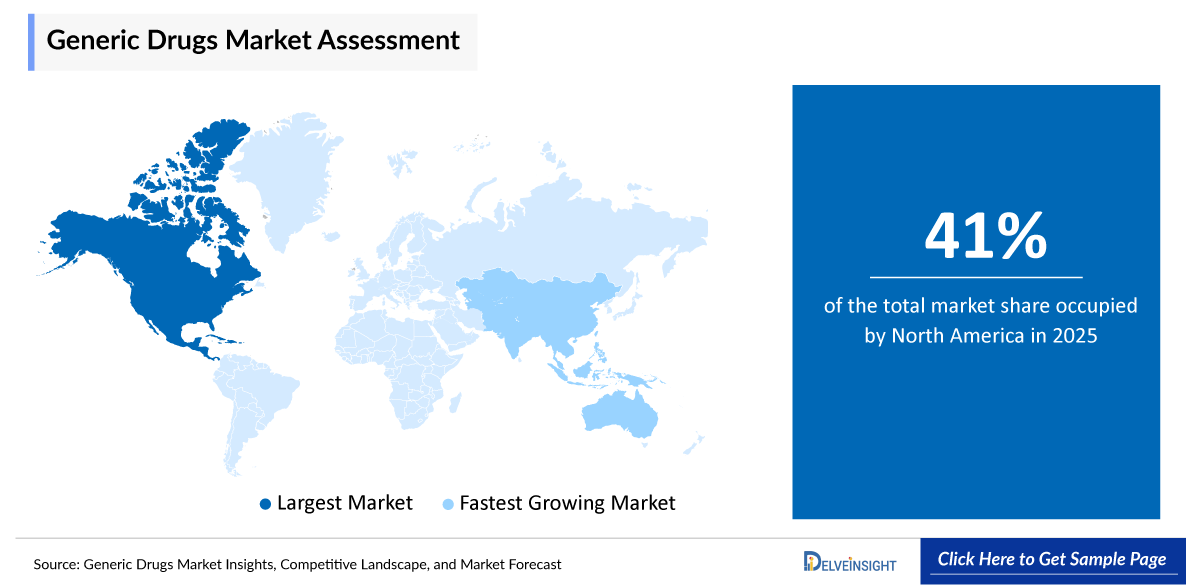
North America is expected to account for the highest proportion of 41% of the generic drugs market in 2025, out of all regions. North America is expected to dominate the Generic Drugs market due to the high prevalence of chronic diseases, widespread adoption of cost-effective generic medications, and a well-established healthcare infrastructure. The region benefits from favorable regulatory pathways for generic drug approvals, strong government support for generic substitution, and the presence of leading generic pharmaceutical manufacturers. Additionally, increasing healthcare expenditure and ongoing patent expirations of branded drugs continue to drive demand for generic medicines across the United States and Canada.
As per the data from GLOBOCAN (2026), the estimated new cases of cancer would rise to 3.83 million by 2045 in North America.
Additionally, according to the American Heart Association (2024), approximately 9.7 million adults were living with undiagnosed diabetes, while 29.3 million have been diagnosed. According to an article published by the Centers for Disease Control and Prevention (2024), approximately 6.2 million adults were suffering from heart failure in the United States.
Cancer and diabetes are collectively boosting the growth of the generic drugs market due to their rising global prevalence and the need for long-term, cost-effective treatment options. Diabetes requires lifelong medication management, driving consistent demand for generic antidiabetic drugs such as metformin and glimepiride. Similarly, the increasing incidence of cancer has led to greater utilization of affordable generic oncology therapies, including generic versions of drugs such as imatinib, capecitabine, and lenalidomide. As healthcare systems seek to reduce treatment costs while maintaining access to essential medicines, the adoption of generic drugs for both cancer and diabetes continues to increase, supporting overall market expansion.
Additionally, in North America, the continuous expiration of patents for branded pharmaceuticals and the growing demand for affordable healthcare and cost-containment measures are significantly boosting the generic drugs market. As patents expire on high-revenue branded medicines, generic manufacturers gain the opportunity to introduce lower-cost bioequivalent alternatives, increasing competition and improving patient access to essential treatments. At the same time, rising healthcare expenditures in the United States and Canada are encouraging governments, insurers, hospitals, and pharmacy benefit managers to promote the use of generic medicines to reduce pharmaceutical spending. The strong emphasis on healthcare affordability has accelerated generic substitution across major therapeutic areas such as cardiovascular diseases, diabetes, oncology, and infectious diseases.
Recent developments reflect these trends. In January, 2025, the U.S. FDA approved Teva Pharmaceuticals’ first generic version of regorafenib tablets (generic of Stivarga), expanding access to more affordable cancer treatment options. In January, 2025, Alkem Laboratories received FDA approval for generic azilsartan medoxomil and chlorthalidone tablets (generic of Edarbyclor) for hypertension management, while in March, 2025, Lupin and Taro received approvals for generic rivaroxaban tablets (generic of Xarelto), strengthening the availability of lower-cost cardiovascular therapies.
Furthermore, the FDA continues to prioritize first generic approvals to increase market competition and reduce drug costs for patients. Supporting the affordability trend, the U.S. government announced the expansion of the TrumpRx platform in May 2026 to include more than 600 generic medicines, further promoting access to lower-cost prescription drugs and reinforcing the growing role of generics in healthcare cost-containment strategies. Together, these factors are accelerating generic drug adoption and strengthening North America's leadership in the global generic drugs market.
Europe Generic Drugs Market Trend
The European Generic Drugs market is witnessing strong and sustained growth due to the increasing demand for affordable healthcare, rising prevalence of chronic diseases, growing pressure on public healthcare budgets, and a highly supportive regulatory environment that encourages faster access to cost-effective medicines. Governments and healthcare authorities across Europe are actively promoting generic drug adoption to reduce pharmaceutical expenditures while maintaining broad patient access to essential therapies for cardiovascular diseases, diabetes, cancer, respiratory disorders, and neurological conditions. In addition, the continuous expiration of patents for branded medicines is creating significant opportunities for generic manufacturers to introduce lower-cost alternatives and expand their product portfolios. A major catalyst for market growth was the Council of the European Union's agreement on the Pharma Package in June 2025, which aims to improve access to safe, effective, and affordable medicines while strengthening the competitiveness of the European pharmaceutical sector. Importantly, the proposal expanded and clarified the Bolar exemption, enabling generic manufacturers to undertake studies, regulatory submissions, and procurement preparations before patent expiry, thereby supporting earlier market entry of generic medicines. Furthermore, in December 2025, the European Parliament and the Council reached a provisional agreement on the landmark pharmaceutical reform package, designed to accelerate patient access to medicines, improve affordability, strengthen supply security, and facilitate faster introduction of generic products following the loss of exclusivity of branded drugs. The reform also provides greater regulatory clarity for generic manufacturers and supports competition throughout the European pharmaceutical market. Additionally, ongoing efforts to address medicine shortages and strengthen pharmaceutical supply chains across Europe are further supporting the long-term growth of the generic drugs sector. Collectively, these regulatory reforms, increasing healthcare cost-containment initiatives, growing chronic disease burden, and favorable policies promoting earlier generic entry are expected to drive robust expansion of the European Generic Drugs market over the coming years.
Asia-Pacific Generic Drugs Market Trends
The Asia Pacific (APAC) region is emerging as a major growth driver for the Generic Drugs market due to its large and expanding population, rising burden of chronic and infectious diseases, increasing healthcare expenditure, and growing demand for affordable treatment options. The region is experiencing a significant increase in the prevalence of cardiovascular diseases, diabetes, cancer, respiratory disorders, and neurological conditions, creating substantial demand for long-term medication therapies. As healthcare costs continue to rise, governments and healthcare providers across countries such as India, China, Japan, and South Korea are increasingly promoting the use of generic medicines to improve patient access while reducing pharmaceutical expenditures. The region also serves as a global hub for generic drug manufacturing, supported by a strong presence of leading pharmaceutical companies, cost-efficient production capabilities, and a well-established supply chain for active pharmaceutical ingredients (APIs). Furthermore, expanding healthcare infrastructure, increasing health insurance coverage, growing awareness of affordable treatment alternatives, and favorable government initiatives aimed at improving access to essential medicines are accelerating generic drug adoption across both urban and rural populations. Continuous patent expirations of branded drugs, rising investments in pharmaceutical manufacturing, and increasing exports of generic medicines from major producing countries further contribute to market growth. As a result, APAC is expected to remain one of the fastest-growing and most influential regions in the global generic drugs market throughout the forecast period.
Who are the major players in the generic drugs market?
The following are the leading companies in the generic drugs market. These companies collectively hold the largest market share and dictate industry trends.
- Teva Pharmaceutical Industries Ltd.
- Sandoz Group AG
- Viatris Inc.
- Sun Pharmaceutical Industries Limited
- Dr. Reddy's Laboratories Limited
- Cipla Limited
- Lupin Limited
- Aurobindo Pharma Limited
- Hikma Pharmaceuticals PLC
- Fresenius Kabi AG
- Amneal Pharmaceuticals, Inc.
- Alkem Laboratories Limited
- Zydus Lifesciences Limited
- Torrent Pharmaceuticals Limited
- Glenmark Pharmaceuticals Limited
- Apotex Inc.
- STADA Arzneimittel AG
- KRKA, d. d.
- Novo mesto
- Laboratorios Cinfa, S.A.
- Laboratorios Normon S.A.
- Aspen Pharmacare Holdings Limited
- Taro Pharmaceutical Industries Ltd.
- Endo International plc
- ANI Pharmaceuticals, Inc.
- Mallinckrodt plc
- Aptahem AB
- Celltrion, Inc.
- Biocon Biologics Limited
- Samsung Bioepis Co., Ltd.
- Intas Pharmaceuticals Limited
- Abbott Laboratories
- Sanofi S.A.
- Pfizer Inc.
- Bayer Aktiengesellschaft (Bayer AG)
- Others
How is the competitive landscape shaping the generic drugs market?
The competitive landscape of the generic drugs market is highly dynamic and characterized by the presence of numerous global and regional pharmaceutical manufacturers competing on the basis of pricing, product portfolio expansion, regulatory approvals, manufacturing capabilities, and geographic reach. Leading companies such as Teva Pharmaceutical Industries Ltd., Sandoz Group AG, Viatris Inc., Sun Pharmaceutical Industries Limited, Dr. Reddy's Laboratories Limited, Cipla Limited, and Aurobindo Pharma Limited are continuously investing in research and development, manufacturing expansion, and product launches to strengthen their market positions. Companies are increasingly focusing on securing approvals for first-to-file generics, complex generics, and high-value specialty generic products to differentiate themselves in an intensely competitive environment. Strategic partnerships, acquisitions, and licensing agreements are also becoming common as manufacturers seek to expand their product portfolios and enter new geographic markets. In addition, the continuous expiration of patents for branded drugs is creating new opportunities for market participants to launch cost-effective alternatives and capture market share. The growing emphasis on supply chain resilience, regulatory compliance, and quality manufacturing standards is further shaping competition, while strong demand for affordable medicines continues to encourage both established pharmaceutical companies and emerging manufacturers to expand their presence in the global generic drugs market.
Recent Developmental Activities in the Generic Drugs Market
- In May 2026, the U.S. government announced the expansion of the TrumpRx platform to include more than 600 generic medicines, further promoting access to lower-cost prescription drugs and reinforcing the growing role of generics in healthcare cost-containment strategies
- In May 2025, multiple manufacturers, including Lupin, Dr. Reddy's Laboratories, Alembic Pharmaceuticals, and Macleods Pharmaceuticals, received FDA approvals for generic rivaroxaban tablets, equivalent to Xarelto, expanding access to affordable cardiovascular therapies.
- In May 2025, Lupin received FDA approval for raltegravir potassium tablets, the generic equivalent of Isentress HD, for the treatment of HIV-1 infection.
- In March 2025, FDA approvals for generic rivaroxaban (generic of Xarelto) by Lupin and Taro expanded access to cardiovascular therapies.
- In March 2025, the FDA approved Zydus Pharmaceuticals' generic eluxadoline tablets, equivalent to Viberzi, for irritable bowel syndrome with diarrhea (IBS-D).
- In January 2025, the FDA approved generic versions of regorafenib (generic of Stivarga) by Teva and esomeprazole for suspension (generic of Nexium) by Cipla, creating new opportunities in oncology and gastrointestinal treatment markets.
- In January 2025, the FDA approved Cipla's first generic version of esomeprazole magnesium for suspension, a generic equivalent of Nexium, for the treatment of erosive esophagitis.
- In January 2025, Alkem Laboratories received FDA approval for azilsartan medoxomil and chlorthalidone tablets, the generic equivalent of Edarbyclor, for hypertension treatment.
- In January 2025, Hetero Labs obtained approval for eltrombopag olamine tablets, the generic version of Promacta, used for thrombocytopenia and aplastic anemia.
|
Report Metrics |
Details |
|
Study Period |
2023 to 2034 |
|
Base Year |
2025 |
|
Forecast Period |
2026 to 2034 |
|
Generic Drugs Market CAGR |
5.39% |
|
Key Companies in the Generic Drugs Market |
Teva Pharmaceutical Industries Ltd., Sandoz Group AG, Viatris Inc., Sun Pharmaceutical Industries Limited, Dr. Reddy's Laboratories Limited, Cipla Limited, Lupin Limited, Aurobindo Pharma Limited, Hikma Pharmaceuticals PLC, Fresenius Kabi AG, Amneal Pharmaceuticals, Inc., Alkem Laboratories Limited, Zydus Lifesciences Limited, Torrent Pharmaceuticals Limited, Glenmark Pharmaceuticals Limited, Apotex Inc., STADA Arzneimittel AG, KRKA, d. d., Novo mesto, Laboratorios Cinfa, S.A., Laboratorios Normon, S.A., Aspen Pharmacare Holdings Limited, Taro Pharmaceutical Industries Ltd., Endo International plc, ANI Pharmaceuticals, Inc., Mallinckrodt plc, Aptahem AB, Celltrion, Inc., Biocon Biologics Limited, Samsung Bioepis Co., Ltd., Intas Pharmaceuticals Limited, Abbott Laboratories, Sanofi S.A., Pfizer Inc., Bayer Aktiengesellschaft (Bayer AG), and others. |
|
Generic Drugs Market Segments |
by Product Type, by Route of Administration, by Prescription Type, by Therapeutic Application, by Distribution Channel, and by Geography |
|
Generic Drugs Regional Scope |
North America, Europe, Asia Pacific, Middle East, Africa, and South America |
|
Generic Drugs Country Scope |
U.S., Canada, Mexico, Germany, United Kingdom, France, Italy, Spain, China, Japan, India, Australia, South Korea, and key Countries |
Generic Drugs Market Segmentation
-
Generic Drugs by Product Type Exposure
-
Simple Generics
-
Specialty Generics
-
Complex Generics
-
Generic Drugs by Route of Administration Exposure
-
Oral
-
Injectable
-
Topical
-
Others
-
Generic Drugs by Prescription Type Exposure
-
Branded
-
Over-the-counter
-
Generic Drugs by Therapeutic Application Exposure
-
Cardiovascular Diseases
-
Oncology
-
Diabetes
-
Neurology
-
Infectious Diseases
-
Respiratory Disorder
-
Gastrointestinal Disorders
-
Dermatology
-
Pain Management
-
Others
-
Generic Drugs Distribution Channel Exposure
-
Hospital Pharmacies
-
Retail Pharmacies
-
Online Pharmacies
-
Generic Drugs Geography Exposure
-
United States Generic Drugs Market
-
Canada Generic Drugs Market
-
Mexico Generic Drugs Market
-
United Kingdom Generic Drugs Market
-
Germany Generic Drugs Market
-
France Generic Drugs Market
-
Italy Generic Drugs Market
-
Spain Generic Drugs Market
-
Rest of Europe Generic Drugs Market
-
China Generic Drugs Market
-
Japan Generic Drugs Market
-
India Generic Drugs Market
-
Australia Generic Drugs Market
-
South Korea Generic Drugs Market
-
Rest of Asia-Pacific Generic Drugs Market
-
South America Generic Drugs Market
-
Middle East Generic Drugs Market
-
Africa Generic Drugs Market
-
-
North America Generic Drugs Market
-
Europe Generic Drugs Market
-
Asia-Pacific Generic Drugs Market
-
Rest of the World Generic Drugs Market
Generic Drugs Market Recent Industry Trends and Milestones (2023-2026)
| Category | Key Developments |
|
Generic Drugs Product Approvals |
Lupin received FDA approval for raltegravir potassium tablets, FDA-approved generic rivaroxaban, and FDA-approved Zydus Pharmaceuticals' generic eluxadoline tablets. |
|
Company Strategy |
Teva Pharmaceutical Industries Ltd.
Sandoz Group AG
|
|
Emerging Technology |
Artificial Intelligence (AI)-driven drug development, Machine Learning (ML)-based formulation optimization, Continuous Manufacturing, Advanced Process Analytical Technology (PAT), Quality by Design (QbD), Complex Generic Drug Development Platforms, 3D Printing of Pharmaceuticals, Nanotechnology-based Drug Delivery Systems, Hot-Melt Extrusion Technology, Spray Drying Technology, Long-Acting Injectable Formulations, Controlled-Release and Extended-Release Drug Technologies, Liposomal Drug Formulations, Transdermal Drug Delivery Systems, Inhalation Drug Delivery Technologies, Digital Manufacturing and Industry 4.0 Solutions, Robotic Process Automation (RPA) in Pharmaceutical Manufacturing, Advanced Bioequivalence Testing Technologies, Real-World Evidence (RWE) Analytics, Predictive Manufacturing Analytics, Continuous Tablet Manufacturing, and others |
Key takeaways from the generic drugs market report study
- Market size analysis for the current generic drugs market size (2025), and market forecast for 8 years (2026 to 2034)
- Top key product/technology developments, mergers, acquisitions, partnerships, and joint ventures happened over the last 3 years.
- Key companies dominating the generic drugs market.
- Various opportunities available for the other competitors in the generic drugs market space.
- What are the top-performing segments in 2025? How these segments will perform in 2034?
- Which are the top-performing regions and countries in the current generic drugs market scenario?
- Which are the regions and countries where companies should have concentrated on opportunities for the generic drugs market growth in the future.
Startup Funding & Investment Trends
|
Company Name |
Total Funding |
Stage of Development |
Main Product |
Core Technology |
|
Truemeds |
$85M |
- |
Generic Drug Platform |
To expand its generic drug recommendation platform across India's massive healthcare market of over 400 million chronic patients. |