Neuroendocrine Carcinoma Market Summary
Neuroendocrine Carcinoma (NEC) Insights and Trends
- The NEC market is witnessing strong growth across the major markets, with Japan estimated to account for more than USD 90 million for Pulmonary NEC (SCLC) and around USD 8 million for extrapulmonary NEC (excluding NEPC) in 2025, driven by the increasing adoption of innovative therapies and continued advancements in treatment, while the United States and the EU4 (Germany, France, Italy, and Spain) and the United Kingdom are also expected to contribute significantly to market growth during the study period.
- A significant proportion of the NEC burden is observed in elderly individuals and males, with most patients presenting with extensive-stage disease at diagnosis, highlighting the need for earlier detection, broader access to effective immunotherapies and targeted therapies, and innovative treatment strategies to improve survival and long-term disease management.
- SCLC has witnessed the highest therapeutic progress among NECs, with a strong clinical pipeline and multiple recent approvals.
- The treatment paradigm has evolved from chemotherapy ? chemo-immunotherapy ? targeted therapies, improving outcomes in both limited- and extensive-stage disease.
- Compared with Pulmonary NEC (SCLC), extrapulmonary NEC (excluding NEPC) (epNEC) remains a highly underserved and under-researched disease, with limited epidemiological data and no dedicated registry to estimate true disease burden.
- The treatment of NEC includes platinum-based chemotherapy, immune checkpoint inhibitors such as durvalumab (IMFINZI) and atezolizumab (TECENTRIQ) for first-line therapy, as well as lurbinectedin (ZEPZELCA) and tarlatamab (IMDELLTRA) for maintenance or relapsed disease, aiming to prolong survival, delay disease progression, and improve quality of life.
- Platinum-based chemotherapy (etoposide/irinotecan + cisplatin/carboplatin) remains the standard first-line treatment, with no approved therapies specifically indicated for epNEC.
- In Japan, atezolizumab, durvalumab, and tarlatamab have significantly expanded treatment options. Durvalumab is the only immunotherapy approved across both LS-NEC and ES-SCLC.
- The approval of tarlatamab has established DLL3 as the first clinically validated therapeutic target in SCLC, paving the way for a new generation of DLL3-directed therapies and reshaping the treatment landscape for relapsed disease. By 2036, the DLL3 class is expected to dominate the NEC Japan market (mainly DLL3 bispecific antibodies).
- A high prevalence of actionable biomarkers in SCLC, including DLL3 (~80%), B7-H3 (~70%), and SLFN11 (~50%), supports the growing shift toward biomarker-driven treatment strategies and targeted patient segmentation.
- In 2025, Japan accounted for 2,474 incident cases of EP-NEC (excluding NEPC), representing a notable proportion of high-grade neuroendocrine malignancies within the broader NEN landscape. By 2036, the number of cases is expected to grow to 2,752 reflecting an increasing recognition of EP-NEC.
- The diagnosis and clinical assessment of NEC involve histopathological confirmation with immunohistochemistry, imaging techniques such as CT, PET-CT, and brain MRI for staging, and clinical evaluation to classify limited-stage or extensive-stage disease. Molecular biomarker assessment and ongoing imaging are increasingly used to guide treatment selection, monitor response, and detect disease progression.
- The emerging NEC pipeline is focused on DLL3- and B7-H3-targeted therapies, antibody-drug conjugates (ADCs), bispecific T-cell engagers, and novel immunotherapy combinations designed to improve survival and overcome treatment resistance. Key candidates include Ifinatamab Deruxtecan (I-DXd), Zocilurtatug pelitecan (ZL-1310), Risvutatug rezetecan (GSK5764227), PF-08634404, Obrixtamig, Pumitamig, ABBV-706, BL-M14D1, Sacituzumab Govitecan, Serplulimab, Olaparib (LYNPARZA) + Pembrolizumab (KEYTRUDA), and Atigotatug + nivolumab, which are being evaluated across first-line and relapsed settings to improve clinical outcomes and expand treatment options for patients with SCLC.
- The pipeline of epNEC is dominated by DLL3-targeted therapies, including obrixtamig, zocilurtatug pelitecan, gocatamig, and tarlatamab. Among these, obrixtamig is the only candidate currently being evaluated in the first-line setting, while the others primarily target relapsed or platinum-refractory disease, addressing a major unmet need.
Neuroendocrine Carcinoma (NEC) Market Size and Forecast in the 7MM
- 2025 NEC Market Size: ~USD XXXX million
- 2036 NEC Market Size: ~USD XXXX million
- NEC Growth Rate (2026–2036): ~XX% CAGR
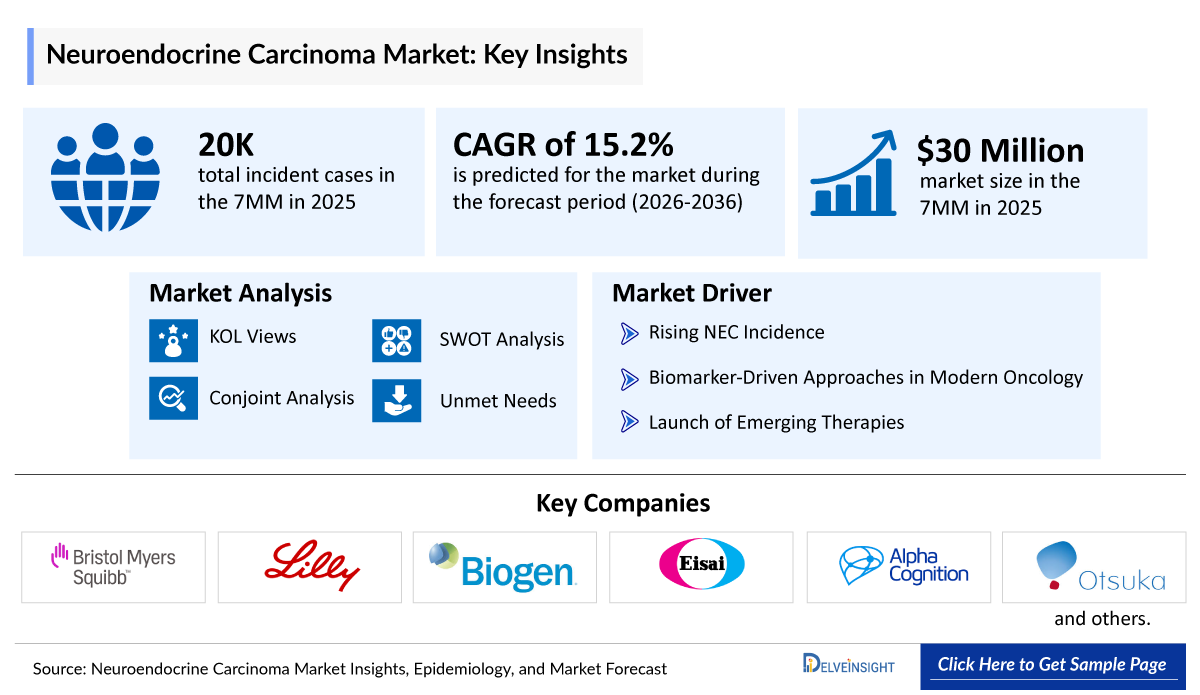
DelveInsight's ‘Neuroendocrine Carcinoma (NEC) – Market Insights, Epidemiology and Market Forecast – 2036’ report delivers an in-depth understanding of the Pulmonary NEC (SCLC) and extrapulmonary NEC (excluding NEPC), historical and forecasted epidemiology, as well as the NEC market trends in the United States, EU4 (Germany, Spain, Italy, and France) and the United Kingdom, and Japan.
The NEC market report delivers a comprehensive analysis of the current treatment landscape, including standards of care, clinical practices, and evolving therapeutic algorithms. It evaluates, NEC patient burden trends, revenue & market share dynamics, peak patient share & therapy uptake analysis, and provides an in-depth market size assessment, and growth rate projections (Historical & Forecast 2022–2036) across global regions. The report highlights key unmet medical needs in NEC and maps the competitive and clinical landscape to uncover high-value opportunities, providing a clear outlook on future market growth potential.
|
Study Period |
2022–2036 |
|
Historical Year |
2022–2025 |
|
Forecast Period |
2026–2036 |
|
Base Year |
2026 |
|
Geographies Covered |
|
|
Neuroendocrine Carcinoma (NEC) Market CAGR (Study period/Forecast period) |
XX% (2026–2036) |
|
Neuroendocrine Carcinoma (NEC) Epidemiology Segmentation Analysis |
Patient Burden Assessment
|
|
Neuroendocrine Carcinoma (NEC) Companies |
|
|
Neuroendocrine Carcinoma (NEC) Therapies |
|
|
Neuroendocrine Carcinoma (NEC) Market |
Segmented by
|
|
Analysis |
|
Key Factors Driving the Neuroendocrine Carcinoma (NEC) Market
Rising Neuroendocrine Carcinoma (NEC) Incidence
The increasing incidence of NEC, particularly among males, is a primary driver of NEC market expansion, supported by improved diagnostic capabilities, growing adoption of immunotherapy and targeted therapies, increasing clinical research activity, and continued pipeline innovation addressing significant unmet medical needs.
Rising Opportunities in Neuroendocrine Carcinoma (NEC) Therapeutic Development
Growing recognition of NEC and significant unmet needs in advanced disease are driving the development of DLL3-targeted therapies, antibody-drug conjugates (ADCs), bispecific T-cell engagers, and novel immunotherapies to improve survival and expand targeted treatment options.
Emerging Neuroendocrine Carcinoma (NEC) Competitive Landscape
Pulmonary NEC / Small Cell Lung Cancer (SCLC)
The NEC pipeline is rapidly evolving with innovative therapies such as Ifinatamab Deruxtecan (I-DXd), Zocilurtatug pelitecan (ZL-1310), Risvutatug rezetecan (GSK5764227), PF-08634404, Obrixtamig, Pumitamig, ABBV-706, BL-M14D1, Sacituzumab Govitecan, Serplulimab, Olaparib (LYNPARZA) + Pembrolizumab (KEYTRUDA), and Atigotatug + nivolumab, which aim to improve survival and overcome treatment resistance through DLL3- and B7-H3-targeted therapies, ADCs, bispecific T-cell engagers, immunotherapies, and combination approaches.
Extrapulmonary NEC (excluding NEPC)
The extrapulmonary NEC (excluding NEPC) pipeline is evolving with innovative therapies such as Obrixtamig (BI 764532), IMDELLTRA (tarlatamab), Zocilurtatug pelitecan (ZL-1310), Gocatamig (MK-6070), Peluntamig (PT217), IDE849, MT-4561, Clesitamig (RO7616789), and Voyager-V1 plus pembrolizumab, which aim to improve clinical outcomes through DLL3-targeted, immunotherapy-based, and other novel mechanisms of action.
Neuroendocrine Carcinoma (NEC) Understanding and Treatment Algorithm
Neuroendocrine Carcinoma (NEC) Overview and Diagnosis
NEC is a rare, aggressive malignancy that arises from neuroendocrine cells found throughout the body, most commonly in the lungs, gastrointestinal tract, and pancreas. It is characterized by rapid growth, a high propensity for early metastasis, and poor differentiation in most cases. Symptoms vary depending on the primary tumor site but may include abdominal pain, weight loss, fatigue, cough, or bowel disturbances, while advanced disease can lead to organ dysfunction. NEC is driven by complex genetic and molecular alterations, although the exact causes remain unclear. Diagnosis is based on clinical presentation, imaging studies, histopathological examination, immune-histochemical markers, and assessment of tumor proliferation using the Ki-67 index.
Pulmonary NEC / Small Cell Lung Cancer (SCLC)
Pulmonary NEC primarily includes SCLC and large-cell neuroendocrine carcinoma (LCNEC), with SCLC representing the most common subtype. SCLC is a highly aggressive neuroendocrine malignancy of the lung that is strongly associated with cigarette smoking. It is characterized by rapid growth, early metastatic dissemination, high proliferative activity, and frequent recurrence. SCLC accounts for approximately 15% of all lung cancers and is associated with a poorer prognosis than most other lung cancer subtypes.
Pulmonary NEC/SCLC is diagnosed through clinical evaluation, imaging studies, histopathological examination, and immunohistochemical analysis to confirm neuroendocrine differentiation and determine disease stage. Diagnostic evaluation includes contrast-enhanced CT of the chest and abdomen, PET-CT, and brain MRI for staging, followed by tissue biopsy with immunohistochemical markers such as synaptophysin, chromogranin A, CD56, and INSM1. Additional molecular biomarker testing, including DLL3, SLFN11, and B7-H3, may be performed to identify patients eligible for targeted therapies and clinical trials while supporting treatment decisions.
Extrapulmonary NEC (excluding NEPC)
EP-NEC refers to high-grade NECs that arise outside the lungs, excluding neuroendocrine prostate cancer (NEPC). These tumors most commonly originate in the gastrointestinal tract, pancreas, hepatobiliary system, genitourinary tract, head and neck, and gynecological organs. EP-NECs are rare, biologically aggressive malignancies characterized by poor differentiation, rapid progression, and early distant metastasis. Similar to pulmonary NEC, they are classified into small-cell and large-cell subtypes based on histopathological features and generally have an unfavorable prognosis due to their aggressive clinical behavior.
EP-NEC (excluding NEPC) is diagnosed through clinical evaluation, histopathological examination, and imaging studies. Diagnosis is confirmed using tumor biopsy with neuroendocrine markers such as synaptophysin, chromogranin A, and INSM1, along with assessment of the Ki-67 proliferation index. Additional investigations, including CT, MRI, PET imaging, and molecular profiling when appropriate, help determine the primary tumor site, disease extent, prognosis, and treatment strategy.
Note: Further details are provided in the report.
Neuroendocrine Carcinoma (NEC) Treatment
Pulmonary NEC/SCLC
The primary goals of pulmonary NEC/SCLC treatment are to prolong survival, delay disease progression, and improve quality of life. Current management includes platinum-based chemotherapy combined with immune checkpoint inhibitors such as IMFINZI (durvalumab) and TECENTRIQ (atezolizumab), with ZEPZELCA (lurbinectedin) and IMDELLTRA (tarlatamab) used in relapsed disease. Emerging therapies, including ifinatamab deruxtecan, zocilurtatug pelitecan, and risvutatug rezetecan, aim to improve clinical outcomes through targeted mechanisms such as DLL3- and B7-H3-directed therapies.
Extrapulmonary NEC (excluding NEPC)
The primary goals of EP-NEC (excluding NEPC) treatment are to control disease progression, prolong survival, and improve quality of life. Current management relies on platinum-based chemotherapy, with immune checkpoint inhibitors and lurbinectedin used in selected settings. Emerging DLL3-targeted therapies, ADCs, and bispecific T-cell engagers are expected to expand treatment options and improve outcomes in relapsed disease.
Note: Further details related to country-based variations are provided in the report.
Neuroendocrine Carcinoma (NEC) Unmet Needs
The section “unmet needs of Neuroendocrine Carcinoma (NEC)” outlines the critical gaps between the current state of patient care, diagnosis, and the ideal & effective management of the disease. It highlights the obstacles experienced by patients, clinicians, and researchers and identifies potential solutions for future progress.
Pulmonary NEC/SCLC
- High relapse rates and persistently poor survival despite first-line immunotherapy
- Delayed access to globally approved later-line therapies
- No established standard of care beyond second-line therapy
- High risk of brain metastasis in ED-SCLC with limited preventive strategies, and others…..
Extrapulmonary NEC (excluding NEPC)
- Delayed and complex diagnosis continues to obscure early identification of NEC
- Limited therapeutic effectiveness reflects the biological complexity of NEC
- Scarcity of targeted therapies highlights a significant innovation gap in NEC
- Limited clinical trial participation restricts access to emerging NEC therapies, and others…..
Note: Comprehensive unmet needs insights and their strategic implications are provided in the full report.
Neuroendocrine Carcinoma (NEC) Epidemiology
Key Findings from Neuroendocrine Carcinoma (NEC) Epidemiological Analysis and Forecast
Pulmonary NEC/SCLC
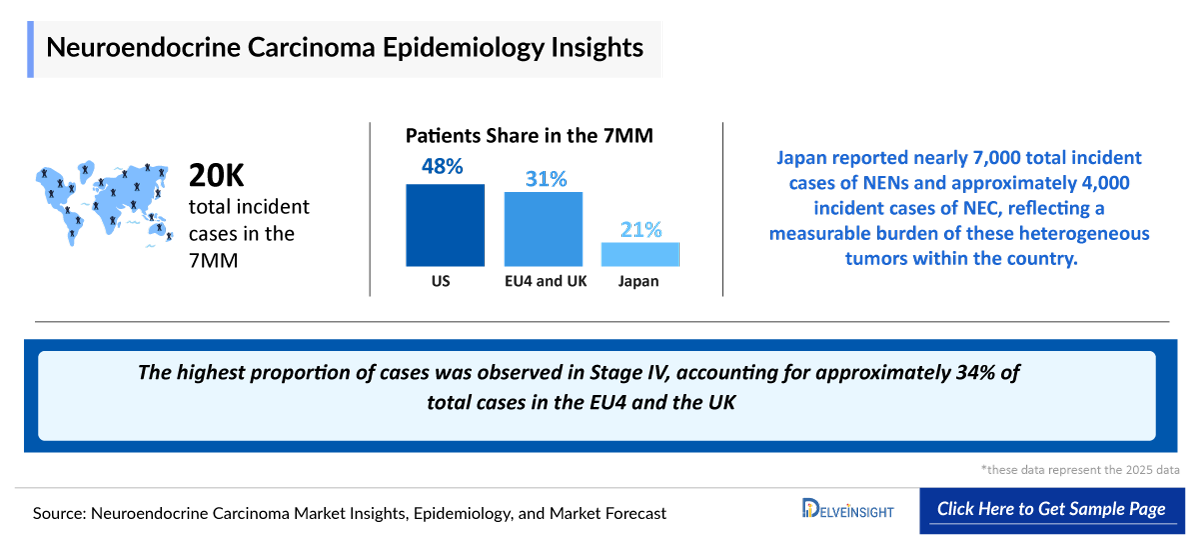
- The incidence of SCLC across the 7MM is expected to increase throughout the study period (2022–2036), driven by the aging population, continued tobacco exposure in high-risk groups, and improved diagnostic and disease reporting practices.
- Among the 7MM, in 2025 the United States accounts for the highest incident cases of NEC compared with the EU4 & UK and Japan, and this burden is expected to increase over the forecast period.
- In 2025, the incident cases of NEC were substantially higher among males than females in the United States.
- In United States, the majority of incident NEC cases occurred in individuals aged =65 years, while a smaller proportion was observed in those aged <65 years, in 2025.
- In 2025, DLL3-positive NEC represented the largest share of biomarker-specific cases, accounting for 14,935 cases in 2025, followed by B7-H3-positive NEC (~13,000 cases) and SLFN11-positive NEC (~9,000 cases) in Japan.
Extrapulmonary NEC (excluding NEPC)
- The incidence of EP-NEC across the 7MM is expected to increase throughout the study period (2022–2036), driven by improved diagnostic capabilities, increasing disease awareness, greater use of advanced imaging and immunohistochemical testing, and an aging population with a higher cancer burden.
- Among the 7MM, in 2025 the United States accounts for the highest incident cases of NEC compared with the EU4 & UK and Japan, and this burden is expected to increase over the forecast period.
- In 2025, the incident cases of EP-NEC were substantially higher among males than females in the United States.
- In United States, gastroenteropancreatic neuroendocrine carcinoma (GEP-NEC) accounted for the largest proportion of site-specific EP-NEC cases, followed by other extrapulmonary sites, while genitourinary neuroendocrine carcinoma represented the smallest share in 2025.
- In 2025, the majority of treated EP-NEC cases receive first-line therapy, while substantially fewer patients progress to second-line and third-line or later treatments, reflecting the aggressive nature of the disease, rapid progression, and limited effective treatment options after frontline therapy in Japan.
Neuroendocrine Carcinoma (NEC) Drug Chapters & Competitive Analysis
The NEC drug chapter provides a detailed, market-focused review of approved therapies and the emerging pipeline across Phase I–III clinical trials. It covers the mechanism of action, clinical trial data, regulatory approvals, patents, collaborations, and strategic partnerships for each therapy, along with their advantages, limitations, and recent developments. This section offers critical insights into the NEC treatment landscape, supporting market assessment, competitive analysis, and growth forecasting for the NEC therapeutics market.
Approved Therapies for Neuroendocrine Carcinoma (NEC)
Pulmonary NEC/SCLC
Tarlatamab-dlle (IMDELLTRA): Amgen
Tarlatamab-dlle, developed by Amgen, is an IV infusion, first-in-class, DLL3-targeting BiTE immunotherapy designed to redirect T cells to selectively recognize and eliminate DLL3-expressing NEC cells while minimizing damage to normal tissues. By simultaneously binding DLL3 on tumor cells and CD3 on T cells, tarlatamab promotes T-cell activation, cytokine release, and targeted tumor cell killing.
Following its approval for previously treated ES-SCLC, Amgen is expanding its clinical development through a broad DeLLphi program, evaluating tarlatamab as monotherapy and in combination regimens across multiple treatment settings, including first-line induction and maintenance therapy, second-line treatment, limited-stage disease following chemoradiotherapy, alternative IV and SC dosing strategies, and novel immunotherapy combinations to improve outcomes for patients with SCLC.
Atezolizumab (TECENTRIQ): Chugai Pharmaceutical
Atezolizumab is a PD-L1–targeting immune checkpoint inhibitor designed to restore antitumor immune responses by blocking the interaction of PD-L1 on tumor cells and tumor-infiltrating immune cells with the PD-1 and B7.1 receptors on T cells. This blockade reactivates T-cell function, enhances immune-mediated tumor cell killing, and supports durable antitumor activity across multiple malignancies.
Following its launch in Japan in 2018, Chugai Pharmaceutical has established TECENTRIQ as a key immunotherapy across several cancer types, including ES-SCLC. In SCLC, TECENTRIQ is approved in combination with platinum-based chemotherapy as a first-line treatment for ES-NEC and continues to play an important role in the immunotherapy landscape, with ongoing clinical research exploring optimized combination strategies and expanded treatment approaches to further improve patient outcomes.
|
Competitive landscape of marketed therapies | ||||||
|
Drug/Therapy |
Company |
Indication |
Molecule Type |
RoA |
MoA |
Marketed Region |
|
Tarlatamab-dlle (IMDELLTRA) |
Amgen |
NEC that has progressed after cancer chemotherapy |
Bispecific T-cell engager (BiTE) antibody |
IV infusion |
Targets DLL3 and CD3 |
US: 2025 (ES-SCLC) Europe: 2026 (ES-SCLC) Japan: 2024 (SCLC) |
|
Atezolizumab (TECENTRIQ) |
Chugai Pharmaceutical |
ES-SCLC |
Monoclonal antibody |
IV infusion |
PD-L1 inhibitor |
US: 2019 Europe: 2019 Japan: 2019 |
|
Durvalumab (IMFINZI) |
AstraZeneca |
ES-NEC in the 1st-line setting and maintenance treatment of LS-SCLC |
Monoclonal antibody |
IV infusion |
PD-L1 inhibitor |
US: 2020 (ES-SCLC), 2024 (LS-SCLC) Europe: 2020 (ES-SCLS), 2025 (LS-SCLC) Japan:2020 (ES-NEC in the 1st-line setting ), 2025 (maintenance treatment of LS-NEC |
|
Lurbinectedin (Zepzelca) |
Pharma Mar and Jazz Pharmaceuticals |
Maintenance treatment of ES-SCLC |
Small molecule |
IV infusion |
Selective oncogenic transcription + PD-L1 inhibitor |
US: 2020 (SCLC) Europe: 2026 (ES-SCLC) |
|
Amrubicin (CALSED) |
Nippon Kayaku |
SCLC |
Small molecule |
IV infusion |
Topoisomerase II inhibitor |
Japan: 2002 |
Neuroendocrine Carcinoma (NEC) Pipeline Analysis
Pulmonary NEC/SCLC
Ifinatamab Deruxtecan (I-DXd): Daiichi-Sankyo and Merck
Ifinatamab Deruxtecan (I-DXd) is a B7-H3-directed ADC comprising a humanized anti-B7-H3 monoclonal antibody linked to a deruxtecan (DXd) topoisomerase I inhibitor payload via a cleavable tetrapeptide-based linker. Upon binding to B7-H3, which is overexpressed in multiple solid tumors including urothelial carcinoma, the ADC is internalized, releasing the cytotoxic payload intracellularly to induce DNA damage and tumor cell death while also enabling a bystander antitumor effect.
The drug is currently being evaluated in Phase III, II, and I/II clinical studies in ES-SCLC, where early clinical data have demonstrated encouraging and durable antitumor activity with a manageable safety profile, supporting its continued development in biomarker-selected patients.
Zocilurtatug pelitecan (ZL-1310): Zai Lab
Zocilurtatug pelitecan (zoci; formerly ZL-1310) is a DLL3-targeted ADC being developed by Zai Lab for the treatment of neuroendocrine malignancies. It comprises a humanized anti-DLL3 monoclonal antibody linked via a cleavable linker to a novel camptothecin-derived topoisomerase I inhibitor payload. It is built on the proprietary TMALIN ADC platform, which is designed to leverage the tumor microenvironment to improve payload delivery and overcome limitations associated with first-generation ADCs. DLL3 is highly overexpressed in neuroendocrine tumors, including SCLC, where its expression is associated with poor clinical outcomes. Based on its encouraging systemic and intracranial activity and favorable safety profile, zoci has the potential to become a best-in-class DLL3-targeted therapy. The company plans to initiate three registration-enabling studies across second-/third-line NEC and first-line SCLC, by the end of 2026, positioning zoci as a potential backbone therapy for future combination regimens, including immune checkpoint inhibitors and T-cell engagers. The drug is currently in the Phase III.
|
Competitive landscape of emerging therapies | |||||||
|
Drug Name |
Company |
Highest Phase |
Indication |
RoA |
MoA |
Molecule Type |
Anticipated Launch in the US |
|
Ifinatamab Deruxtecan (I-DXd) |
Daiichi Sankyo and Merck |
III |
ES-SCLC |
IV infusion |
Targets B7-H3 |
ADC |
Information is available in the full report |
|
Zocilurtatug pelitecan (ZL-1310) |
Zai Lab Limited |
III |
Relapsed SCLC |
IV infusion |
DLL3 inhibitor and TOP1 (DNA topoisomerase I) inhibitor |
ADC |
Information is available in the full report |
|
Olaparib (LYNPARZA) + Pembrolizumab (KEYTRUDA) |
Merck/ AstraZeneca |
III |
LS-SCLC |
Oral |
PARP inhibitors |
Small molecule |
Information is available in the full report |
|
Risvutatug rezetecan (GSK5764227) |
GSK |
III |
Relapsed SCLC |
IV infusion |
Targets B7-H3(CD276) and topo I inhibitor |
ADC |
Information is available in the full report |
|
PF-08634404 |
Pfizer |
II/III |
ES-SCLC |
IV infusion |
PD-1 and VEGF inhibitor |
Bispecific antibody |
Information is available in the full report |
|
Obrixtamig |
Boehringer-ingelheim |
III |
SCLC |
IV |
DLL3/CD3 T-cell engager |
Bispecific antibody |
Information is available in the full report |
|
Serplulimab |
Henlius Biotech |
III |
ES-SCLC/LS-SCLC |
IV |
Targets PD-1 |
Monoclonal antibody |
Information is available in the full report |
|
Pumitamig |
Bristol Myers Squibb |
III |
ES-SCLC |
IV |
PD-L1 and VEGF-A inhibitor |
Bispecific monoclonal antibody |
Information is available in the full report |
|
Sacituzumab Govitecan |
Gilead Sciences |
III |
ES-SCLC |
IV infusion |
Targets TROP-2 |
ADC |
Information is available in the full report |
|
Atigotatug + nivolumab |
Bristol Myers Squibb |
III |
ES-SCLC/ LS-SCLC |
IV infusion |
PD-1 inhibitor + anti-fuc-GM1 |
Monoclonal antibody |
Information is available in the full report |
|
ABBV-706 |
AbbVie |
III |
R/R SCLC |
IV Infusion |
Anti-SEZ6 Top1i |
ADC |
Information is available in the full report |
|
BL-M14D1 |
SystImmune |
III |
ES-SCLC |
IV |
DLL3 targeting Top1i |
ADC |
Information is available in the full report |
|
**The therapy has received FDA Fast Track designation for extensive-stage SCLC Note: Launch insights are provisional and may change with future report updates or the occurrence of major key catalysts. | |||||||
Extrapulmonary NEC (excluding NEPC)
Obrixtamig (BI 764532): Boehringer Ingelheim/Oxford BioTherapeutics
Obrixtamig (BI 764532, OBT620) is an investigational bispecific T-cell engager immunotherapy developed by Boehringer Ingelheim for SCLC, an aggressive subtype frequently associated with NEC of the lung. The therapy is designed to simultaneously target DLL3 expressed on tumor cells and CD3 on T cells, redirecting cytotoxic T-cell activity toward DLL3-positive cancer cells. This dual-targeting mechanism aims to enhance immune-mediated tumor cell elimination and represents a targeted therapeutic approach for patients with DLL3-expressing SCLC, where effective options remain limited.
Zocilurtatug pelitecan (ZL-1310): Zai Lab/MediLink Therapeutics
Zocilurtatug pelitecan is an investigational DLL3-targeted ADC designed for the treatment of high-grade NEC. The molecule selectively binds to DLL3, a protein highly expressed in poorly differentiated NEC and minimally present in normal tissues, enabling targeted delivery of a cytotoxic payload to tumor cells. By leveraging this tumor-restricted expression profile, ZL-1310 aims to enhance anti-tumor activity while limiting off-target toxicity.
|
Competitive landscape of emerging therapies | |||||||
|
Drug Name |
Company |
Highest Phase |
Indication |
RoA |
MoA |
Molecule Type |
Anticipated Launch in the US |
|
Obrixtamig (BI 764532) |
Boehringer Ingelheim/Oxford BioTherapeutics |
III (1L) |
epNEC |
IV infusion |
DLL3 × CD3 bispecific antibody |
Bispecific antibody |
Information is available in the full report |
|
II (2L) | |||||||
|
Tarlatamab (IMDELLTRA) |
Amgen |
II |
NEPC; GEP-NEC |
IV infusion |
DLL3 × CD3 bispecific antibody |
DLL3 × CD3 bispecific antibody |
Information is available in the full report |
|
Zocilurtatug pelitecan (ZL-1310) |
Zai Lab/MediLink Therapeutics |
I/II |
NEC |
IV |
DLL3-targeted ADC |
DLL3-targeted ADC |
Information is available in the full report |
|
Gocatamig (MK-6070) |
Merck/Daiichi Sankyo |
I/II |
NEPC |
IV infusion |
DLL3-targeted T cell activation |
DLL3-targeted T cell activation |
Information is available in the full report |
|
Voyager-V1 + pembrolizumab |
Vyriad |
II |
NEC |
IV |
Oncolytic viral lysis |
Oncolytic viral lysis |
Information is available in the full report |
|
Peluntamig (PT217) |
Phanes Therapeutics |
I/II |
epNEC |
NA |
DLL3 × CD3 bispecific antibody |
DLL3 × CD3 bispecific antibody |
Information is available in the full report |
|
IDE849 |
IDEAYA Biosciences |
I/II |
NEC |
IV |
Targets DLL3 TOP1 ADC |
Targets DLL3 TOP1 ADC |
Information is available in the full report |
|
MT-4561 |
Tanabe Pharma America |
I/II |
NEC |
IV infusion |
BRD4 degradation |
BRD4 degradation |
Information is available in the full report |
|
Clesitamig (RO7616789) |
Roche/Chugai Pharmaceutical |
I |
NEC |
IV infusion |
DLL3 × CD3 T-cell engagement |
DLL3 × CD3 T-cell engagement |
Information is available in the full report |
|
Note: Launch insights are provisional and may change with future report updates or the occurrence of major key catalysts. | |||||||
Neuroendocrine Carcinoma (NEC) Key Players, Market Leaders and Emerging Companies
- Amgen
- Chugai Pharmaceutical
- AstraZeneca
- Pharma Mar
- Jazz Pharmaceuticals
- Nippon Kayaku
- Daiichi Sankyo
- Merck
- Zai Lab Limited
- GSK
- Pfizer
- Boehringer-ingelheim
- Henlius Biotech
- Bristol Myers Squibb
- Gilead Sciences
- AbbVie
- SystImmune
- Boehringer Ingelheim
- Oxford BioTherapeutics
- MediLink Therapeutics
- Vyriad
- Phanes Therapeutics
- IDEAYA Biosciences
- Tanabe Pharma America
- Roche, and others
Neuroendocrine Carcinoma (NEC) Drug Updates
- In July 2026, PharmaMar announced the commercial launch of lurbinectedin in Germany, making it the first European Union countries to provide the therapy following its European Commission approval on June 1, 2026. The company also stated that commercialization will be expanded progressively across other EU countries in line with local market access procedures.
- In June 2026, Boehringer Ingelheim initiated three Phase III precision oncology trials for Obrixtamig to advance biomarker-informed treatment approaches for difficult-to-treat cancers.
- In June 2026, The European Commission approved lurbinectedin in combination with atezolizumab (Tecentriq) as a first-line maintenance treatment for adults with ES-NEC whose disease has not progressed after standard induction therapy, following a positive CHMP opinion.
- In June 2026, PharmaMar announced that Merck submitted a NDA in Japan for lurbinectedin as a first-line maintenance treatment for SCLC, with the application receiving priority review from the MHLW.
- In June 2026, the European Commission granted marketing authorization to tarlatamab as a monotherapy for adults with ES-NEC requiring systemic therapy after disease progression on or following first-line platinum-based chemotherapy.
- In June 2026, Jazz Pharmaceuticals announced top-line results from the Phase III LAGOON trial, showed that lurbinectedin, either as monotherapy or in combination with irinotecan, did not meet the primary endpoint of OS versus investigator's choice of topotecan or irinotecan in relapsed second-line metastatic SCLC. No new safety signals were identified.
- In May 2026, Zai Lab announced that the FDA granted FastTrack Designation for Zocilurtatug pelitecan.
Drug Class Insights
Neuroendocrine Carcinoma (NEC) Market Outlook
Pulmonary NEC/SCLC
The Pulmonary NEC/SCLC market is undergoing a significant transformation, driven by the integration of immunotherapies, targeted therapies, and biomarker-directed treatment approaches. For decades, platinum-based chemotherapy remained the cornerstone of treatment; however, the introduction of immune checkpoint inhibitors and DLL3-targeted therapies has begun to reshape the treatment paradigm across both LS-SCLC and ES-SCLC disease. Recent approvals, including durvalumab (IMFINZI) in LS-SCLC and tarlatamab (IMDELLTRA) in relapsed ES-SCLC, have expanded therapeutic options and addressed longstanding unmet needs, while a robust pipeline of bispecific antibodies, ADCs, and novel immunotherapy combinations is expected to further improve patient outcomes.
Overall, continued innovation in immunotherapy, expansion of DLL3-targeted therapies into earlier treatment settings, and the development of novel targeted agents are expected to drive sustained growth in the Pulmonary NEC/SCLC market, creating significant opportunities for both established pharmaceutical companies and emerging biotechnology developers.
According to the estimates, the United States accounted for the largest share of the Pulmonary NEC/SCLC market among the major markets during the study period, supported by high treatment uptake, early adoption of innovative therapies, and an active clinical development landscape.
The Pulmonary NEC/SCLC market is evolving rapidly as treatment strategies shift beyond conventional chemotherapy toward immunotherapy, DLL3-targeted bispecific antibodies, and next-generation ADCs. Recent approvals and ongoing clinical development are expanding treatment options across both LS-SCLC and ES-SCLC, with increasing emphasis on earlier-line use and maintenance strategies.
Regional market dynamics indicate that the United States leads in market size, clinical innovation, and adoption of novel therapies, while Europe and Japan continue to strengthen their treatment landscape through regulatory approvals, improved access to immunotherapies, and growing participation in global clinical trials.
Extrapulmonary NEC (excluding NEPC)
The EP-NEC, excluding NEPC market is evolving as increasing recognition of this rare and highly aggressive malignancy, improved diagnostic capabilities, and expanding clinical research drive demand for more effective treatment options. Current management remains largely dependent on platinum-based chemotherapy, while immune checkpoint inhibitors are increasingly being incorporated into treatment strategies for selected patients. Despite these advances, outcomes remain poor, highlighting the substantial unmet need for novel therapies.
The treatment landscape is gradually shifting toward biomarker-driven and targeted approaches, with emerging therapies such as DLL3-targeted agents, ADCs, bispecific T-cell engagers, and other immunotherapies showing promise in relapsed or refractory disease. Ongoing clinical development is expected to expand therapeutic options and improve survival outcomes in this underserved patient population.
Overall, growing disease awareness, increasing clinical development of targeted therapies, expanding use of immunotherapy, and continued pipeline innovation are expected to drive growth in the EP-NEC (excluding NEPC) market, creating significant opportunities for both established pharmaceutical companies and emerging biotechnology developers.
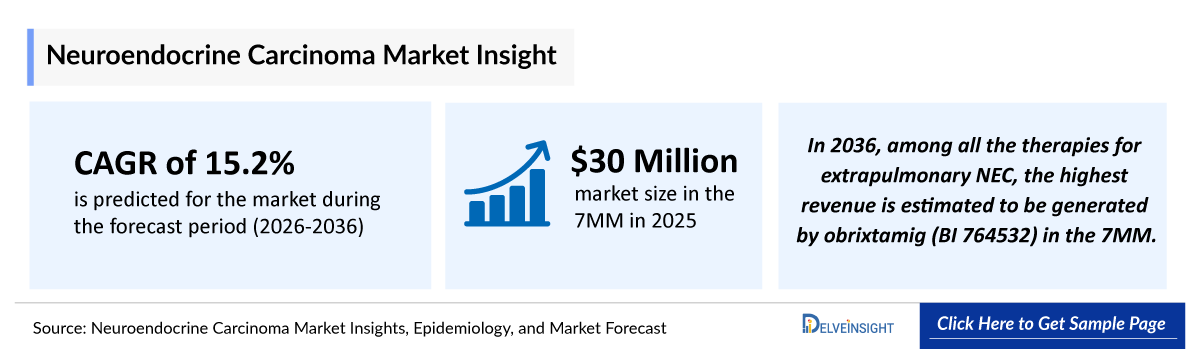
- According to the estimates, the United States accounted for the largest share of the EP-NEC (excluding NEPC) market among the major markets during the study period.
- The EP-NEC market is evolving as treatment strategies expand beyond conventional platinum-based chemotherapy toward immunotherapies and novel targeted therapies, particularly DLL3-directed approaches, with the aim of improving outcomes in relapsed and advanced disease.
- Regional market dynamics indicate that the United States leads in diagnosis rates, clinical research, and adoption of innovative therapies, while Europe and Japan are witnessing increasing participation in clinical trials, greater awareness of neuroendocrine malignancies, and gradual adoption of emerging targeted treatment options.
Note: Further details will be provided in the report….
Drug Class/Insights into Leading Emerging and Marketed Therapies in Neuroendocrine Carcinoma (NEC) (2022–2036 Forecast)
The NEC treatment landscape, including pulmonary NEC/SCLC and EP-NEC (excluding NEPC), comprises cytotoxic chemotherapy, immunotherapy, targeted therapies and novel agents (emerging targeted therapies such as DLL3-directed agents and ADCs), each targeting distinct biological mechanisms involved in tumor growth and immune evasion.
Cytotoxic Chemotherapy: Platinum-based regimens, typically combined with etoposide, remain the standard first-line treatment for both pulmonary and extrapulmonary NEC. These agents induce DNA damage and inhibit DNA replication, leading to rapid apoptosis of highly proliferative neuroendocrine tumor cells.
Immunotherapy: PD-1 and PD-L1 inhibitors, including durvalumab (IMFINZI), atezolizumab (TECENTRIQ), and other checkpoint inhibitors, restore antitumor immune responses by blocking immune checkpoint signaling, enabling T cells to recognize and eliminate tumor cells. These therapies have become an important component of treatment, particularly in extensive-stage SCLC and are being explored in extrapulmonary NEC.
Overall, platinum-based chemotherapy remains the cornerstone of NEC management, while immunotherapies and next-generation targeted therapies are expected to transform the treatment landscape by providing more precise, biomarker-driven approaches with the potential to improve response rates and survival in both pulmonary and extrapulmonary NEC.
Note: Further details will be provided in the report….
Neuroendocrine Carcinoma (NEC) Drug Uptake
This section focuses on the uptake rate of potential drugs expected to be launched in the market during the forecast period (2026–2036). The analysis covers the NEC market's uptake by drugs, patient uptake by therapy, and sales of each drug.
Established therapies such as platinum-based chemotherapy (cisplatin/carboplatin plus etoposide), durvalumab (IMFINZI), atezolizumab (TECENTRIQ), tarlatamab (IMDELLTRA), and lurbinectedin (ZEPZELCA) are expected to maintain strong uptake owing to their established roles across first-line, maintenance, and relapsed NEC settings. Among newer therapies, IMDELLTRA is anticipated to achieve the highest uptake, driven by its first-in-class DLL3-targeted mechanism, expanding regulatory approvals, and promising efficacy in relapsed disease. Additionally, emerging DLL3-targeted agents and antibody-drug conjugates, including ifinatamab deruxtecan, zocilurtatug pelitecan, and risvutatug rezetecan, are expected to gain market share as biomarker-driven treatment options with the potential to improve outcomes in both pulmonary and extrapulmonary NEC.
Market Access and Reimbursement of Neuroendocrine Carcinoma (NEC)
US
|
The US Reimbursement for NEC Therapies | |
|
Drug |
Access Program |
|
IMFINZI |
IMFINZI Support Program |
|
IMDELLTRA |
CoPay Program |
The report further provides detailed insights on the country-wise accessibility and reimbursement scenarios, cost-effectiveness scenario of approved therapies, programs making accessibility easier and out-of-pocket costs more affordable, insights on patients insured under federal or state government prescription drug programs, etc.
Reimbursement is a crucial factor that affects the drug’s access to the market. Often, the decision to reimburse comes down to the price of the drug relative to the benefit it produces in treated patients. To reduce the healthcare burden of these high-cost therapies, many payment models are being considered by payers and other industry insiders.
Neuroendocrine Carcinoma (NEC) Therapies Price Scenario & Trends
Pricing and analogue assessment of NEC therapies highlights evolving price dynamics structures. This section summarizes the cost of approved treatments, closest and most appropriate analogue selection for emerging therapies, and understanding of how pricing influences market access, adherence, and long-term uptake.
Pembrolizumab (KEYTRUDA) is administered at 200 mg intravenously every 3 weeks. Based on the Japanese list price of JPY 199,462 per 100 mg vial (two vials per dose), the estimated total drug acquisition cost was approximately USD 46,328 annually.
Note: Further details are provided in the final report….
Industry Experts and Physician Views for Neuroendocrine Carcinoma (NEC)
To keep up with NEC market trends, we take Key Opinion Leaders (KOLs) and Subject Matter Experts (SMEs) opinions working in the domain through primary research to fill the data gaps and validate our secondary research. Industry experts were contacted for insights on the NEC emerging therapies, evolving treatment landscape, patient adherence to conventional therapies, therapy switching trends, drug adoption and uptake, accessibility challenges, and epidemiology and real-world prescription patterns in SCLC, including MD, PhD, Instructor, Postdoctoral Researcher, Professor, Researcher, and others.
DelveInsight’s analysts connected with 10+ KOLs to gather insights; however, interviews were conducted with 6+ KOLs in the 7MM. Centers such as the University of Mississippi Medical Center, University of Bologna, and Teikyo University School of Medicine, etc. were contacted. Their opinion helps understand and validate current and emerging NEC therapies, highlight unmet medical needs, provide epidemiological context, and support strategic decisions for market access, therapy adoption, and pipeline prioritization in SCLC.
Pulmonary NEC/SCLC
|
Region |
Key Opinion Leaders (KOLs) and Subject Matter Experts (SMEs) |
|
United States |
“The integration of immunotherapies and emerging DLL3-targeted therapies is transforming the NEC treatment paradigm, offering the potential for improved survival, particularly in relapsed disease where unmet need remains high.” |
|
Japan |
“The global figure of 10–15% of all lung cancer matches my impression. In Japan, NEC is around 10–13% of lung cancer. This is a little lower than the classic Western number, and one reason is that adenocarcinoma is very common in Japan, so the share of NEC looks smaller.” |
Extrapulmonary NEC (excluding NEPC)
|
Region |
Key Opinion Leaders (KOLs) and Subject Matter Experts (SMEs) |
|
United States |
“Platinum-based chemotherapy remains the standard of care for extrapulmonary NEC, but outcomes in relapsed disease remain poor. Emerging immunotherapies and DLL3-targeted therapies offer promising new treatment options, making clinical trial participation increasingly important.” |
|
Japan |
“Doctors generally follow the approved indications closely. It is not common to prescribe drugs that are not approved. Occasionally, there may be off-label use in very few selected cases, but in clinical practice it is quite uncommon. Most physicians prefer to use approved platinum-based chemotherapy. Patients are encouraged to participate in clinical trials if they are eligible for investigational therapies.” |
Qualitative Analysis: SWOT and Conjoint Analysis
We perform qualitative and market Intelligence analysis using various approaches, such as SWOT analysis and conjoint analysis.
In the SWOT analysis of Neuroendocrine Carcinoma (NEC), strengths, weaknesses, opportunities, and threats in terms of disease diagnosis, patient awareness, patient burden, competitive landscape, cost-effectiveness, and geographical accessibility of therapies are provided.
Conjoint analysis analyzes emerging therapies based on relevant attributes such as safety, efficacy, frequency of administration, route of administration, and order of entry. Scoring is given based on these parameters to analyze the effectiveness of therapy.
The team of analysts analyzes promising emerging therapies based on relevant attributes such as safety, efficacy, frequency of administration, route of administration, and order of entry. In efficacy, the trial’s primary and secondary outcome measures are evaluated, whereas the therapies’ safety is evaluated, wherein the acceptability, tolerability, and adverse events are majorly observed. In addition, the scoring is also based on the route of administration, order of entry, probability of success, and the addressable patient pool for each therapy. According to these parameters, the final weightage score and the ranking of the emerging therapies are decided.
Scope of the Report
- The report covers a segment of key events, an executive summary, a descriptive overview of NEC, explaining its causes, signs and symptoms, pathogenesis, and currently available treatments.
- Comprehensive insight has been provided into the epidemiology segments and forecasts, the future growth potential of the diagnosis rate, and disease progression along treatment guidelines.
- Additionally, an all-inclusive account of both the current and emerging treatments, along with the elaborative profiles of late-stage and prominent therapies, will have an impact on the current treatment landscape.
- A detailed review of the NEC market, historical and forecasted market size, market share by therapies, detailed assumptions, and rationale behind our approach is included in the report, covering the 7MM drug outreach.
- The report provides an edge while developing business strategies by understanding trends through SWOT analysis and expert insights/KOL views, patient journey, and treatment preferences that help in shaping and driving the 7MM NEC market.
Report Insights
- Neuroendocrine Carcinoma (NEC) Patient Population Forecast
- Neuroendocrine Carcinoma (NEC) Therapeutics Market Size
- Neuroendocrine Carcinoma (NEC) Pipeline Analysis
- Neuroendocrine Carcinoma (NEC) Market Size and Trends
- Neuroendocrine Carcinoma (NEC) Market Opportunity (Current and forecasted)
Report Key Strengths
- Epidemiology-based (Epi-based) Bottom-up Forecasting
- Artificial Intelligence (AI)-enabled Market Research Report
- 11-year Forecast
- Neuroendocrine Carcinoma (NEC) Market Outlook (North America, Europe, Asia-Pacific)
- Patient Burden Trends (by geography)
- Neuroendocrine Carcinoma (NEC) Treatment Addressable Market (TAM)
- Neuroendocrine Carcinoma (NEC) Competitive Landscape
- Neuroendocrine Carcinoma (NEC) Major Companies Insights
- Neuroendocrine Carcinoma (NEC) Price Trends and Analogue Assessment
- Neuroendocrine Carcinoma (NEC) Therapies Drug Adoption/Uptake
- Neuroendocrine Carcinoma (NEC) Therapies Peak Patient Share analysis
Report Assessment
- Neuroendocrine Carcinoma (NEC) Current Treatment Practices
- Neuroendocrine Carcinoma (NEC) Unmet Needs
- Neuroendocrine Carcinoma (NEC) Clinical Development Analysis
- Neuroendocrine Carcinoma (NEC) Emerging Drugs Product Profiles
- Neuroendocrine Carcinoma (NEC) Market Attractiveness
- Neuroendocrine Carcinoma (NEC) Qualitative Analysis (SWOT and Conjoint Analysis)
FAQs
Market Insights
- What was the Neuroendocrine Carcinoma (NEC) market size, the market size by therapies, market share (%) distribution in 2025, and what would it look like by 2036? What are the contributing factors for this growth?
- What are the anticipated pricing variations among different geographies for the emerging therapies in the future?
- What can be the future treatment paradigm of Neuroendocrine Carcinoma (NEC)?
- What are the disease risks, burdens, and unmet needs of Neuroendocrine Carcinoma (NEC)?)? What will be the growth opportunities across the 7MM concerning the patient population with Neuroendocrine Carcinoma (NEC)?
- Who is the major future competitor in the market, and how will the competitors affect their market share?
- What are the current options for the treatment of Neuroendocrine Carcinoma (NEC)? What are the current guidelines for treating Neuroendocrine Carcinoma (NEC) in the US, Europe, and Japan?
Reasons to Buy
- The report will help in developing business strategies by understanding the latest trends and changing treatment dynamics driving the Neuroendocrine Carcinoma (NEC) market.
- Bottom up forecasting builds from the affected population to product forecasts, delivering a robust, data driven approach ideal for new therapies and novel classes.
- Insights on patient burden/disease incidence, evolution in diagnosis, and factors contributing to the change in the epidemiology of the disease during the forecast years.
- Understand the existing market opportunities in varying geographies and the growth potential over the coming years.
- Identifying strong upcoming players in the market will help devise strategies to help get ahead of competitors.
- Detailed analysis and ranking of class-wise potential current and emerging therapies under the conjoint analysis section to provide visibility around leading classes.
- To understand KOLs’ perspectives on the accessibility, acceptability, and compliance-related challenges of existing treatment to overcome barriers in the future.
- Detailed insights on the unmet needs of the existing market so that the upcoming players can strengthen their development and launch strategy.
- This Artificial Intelligence (AI) enabled report summarize and simplify complex datasets within the report into clear, actionable insights for stakeholders, investors, and healthcare providers, enabling faster, data driven decisions.