
Takayasu Arteritis Market Summary
-
Takayasu arteritis is a rare large-vessel vasculitis with a significant clinical burden.
-
Nonspecific early symptoms such as fatigue, fever, malaise, and arthralgia often mimic infectious, autoimmune, or other inflammatory disorders, resulting in prolonged diagnostic delays.
-
As per the Vasculitis Foundation, Takayasu arteritis has ~8 cases/million worldwide. It is rare in children and common among females.
-
Takayasu arteritis has no cure, but early diagnosis, appropriate treatment, and ongoing monitoring can support favorable outcomes. Magnetic resonance angiography (MRA) and computed tomography angiography (CTA) are key imaging modalities for diagnosis and monitoring vascular changes over time.
-
The treatment landscape for Takayasu arteritis remains largely driven by corticosteroids and off-label immunosuppressive therapies, including methotrexate, azathioprine, mycophenolate mofetil, and cyclophosphamide.
-
Currently there is no approved therapy for Takayasu arteritis in the US. Currently high-dose systemic glucocorticoids, such as prednisone, remain the cornerstone of initial treatment for Takayasu arteritis, with conventional synthetic immunosuppressants, including methotrexate and azathioprine, commonly added as steroid-sparing agents to achieve sustained disease control and reduce cumulative glucocorticoid exposure.
-
TNF inhibitors like infliximab and adalimumab, are widely used off-label in patients with relapsing, refractory, or glucocorticoid-dependent Takayasu arteritis, particularly when conventional immunosuppressive therapy fails to provide adequate disease control.
-
Tocilizumab (ACTEMRA/ROACTEMRA) is the first and only therapy specifically approved for Takayasu arteritis, receiving approval from Japan's Ministry of Health, Labour and Welfare (MHLW) in August 2017.
-
The Takayasu arteritis pipeline remains highly limited, with only a small number of emerging targeted therapies. Upadacitinib a selective JAK1 inhibitor, is under clinical investigation and represents a potential future treatment option by targeting inflammatory cytokine signaling pathways involved inTakayasu arteritis pathogenesis.
-
Major unmet needs in Takayasu arteritis include prevention of vascular damage, reduction of relapse rates, and development of safer steroid-sparing therapies. Current treatment approaches often fail to achieve sustained remission, emphasizing the need for therapies that provide durable disease control.
-
The commercial opportunity in Takayasu arteritis remains limited by the rarity of the disease and small clinical trial populations, which restrict pharmaceutical investment and slow the development of novel therapies compared with more prevalent autoimmune conditions.
Takayasu Arteritis Market Size and Forecast in the 7MM
-
2025 Takayasu Arteritis Market Size: XX million
-
2036 Projected Takayasu Arteritis Market Size: XX million
-
Takayasu Arteritis Growth Rate (2026–2036): XX% CAGR
DelveInsight's ‘Takayasu Arteritis – Market Insights, Epidemiology and Market Forecast – 2036’ report delivers an in-depth understanding of the Takayasu arteritis, historical and forecasted epidemiology, as well as the Takayasu arteritis market trends in the United States, EU4 (Germany, Spain, Italy, and France) and the United Kingdom, and Japan.
The Takayasu arteritis market report delivers a comprehensive analysis of the current treatment landscape, including standards of care, clinical practices, and evolving therapeutic algorithms. It evaluates Takayasu arteritis patient burden trends, revenue & market share dynamics, peak patient share & therapy uptake analysis, and provides an in-depth market size assessment, and growth rate projections (Historical & Forecast 2022–2036) across global regions. The report highlights key unmet medical needs in Takayasu arteritis and maps the competitive and clinical landscape to uncover high‑value opportunities, providing a clear outlook on future market growth potential.
|
Study Period |
2022–2036 |
|
Historical Year |
2022–2025 |
|
Forecast Period |
2026–2036 |
|
Base Year |
2026 |
|
Geographies Covered |
|
|
Takayasu Arteritis Market CAGR (Forecast period) |
XX% (2026–2036) |
|
Takayasu Arteritis Epidemiology Segmentation Analysis |
Patient Burden Assessment
|
|
Takayasu Arteritis Companies |
|
|
Takayasu Arteritis Therapies |
|
|
Takayasu Arteritis Market |
Segmented by
|
|
Analysis |
|
|
|
Key Factors Driving the Takayasu Arteritis Market
Growing Adoption of Biologic Therapies
The use of biologics such as tocilizumab and investigational targeted immune therapies is increasing due to their potential to control inflammation and reduce dependence on corticosteroids. Expansion of biologic use is expected to support market growth despite limited disease-specific approvals.
High Unmet Need for Effective Targeted Therapies
Current Takayasu arteritis management relies primarily on corticosteroids and off-label immunosuppressants, with limited approved treatment options available. The need for therapies that provide sustained remission, reduce relapse rates, and minimize steroid-related toxicity is driving innovation in the market.
Need for Relapse Prevention and Long-term Disease Control
The relapsing and chronic nature of takayasu arteritis creates a continued need for therapies that can maintain remission and prevent vascular damage. Frequent disease flares and the risk of progressive arterial stenosis or ischemic complications may encourage the use of longer-term immunomodulatory treatment.
Takayasu Arteritis Understanding and Treatment Algorithm
Takayasu Arteritis Overview and Diagnosis
Takayasu arteritis is a rare, chronic, large-vessel granulomatous vasculitis that primarily affects the aorta and its major branches, leading to arterial wall inflammation, stenosis, occlusion, dilation, or aneurysm formation. The disease commonly affects young women, particularly those under 50 years of age, and can result in severe complications such as hypertension, limb ischemia, stroke, coronary artery involvement, and organ dysfunction. The exact cause of Takayasu arteritis remains unclear. However, genetic susceptibility and abnormal immune activation, involving pathways such as IL-6, TNF-α, and JAK/STAT signaling, are believed to contribute to disease development.
Diagnosis of Takayasu arteritis is challenging due to its heterogeneous presentation and the absence of a single definitive diagnostic test. Clinical evaluation includes assessment of constitutional symptoms (fever, fatigue, weight loss), vascular symptoms (limb claudication, reduced pulses, blood pressure differences), and signs of arterial inflammation. Imaging techniques such as CT angiography (CTA), MRA, conventional angiography, and 18F-FDG PET imaging are essential for detecting vascular wall thickening, stenosis, aneurysms, and active inflammation. Laboratory markers, including erythrocyte sedimentation rate (ESR) and C-reactive protein (CRP), are used to monitor inflammatory activity, although they may not always correlate with disease progression.
Further details are provided in the report.
Current Takayasu Arteritis Treatment Landscape
The primary goals of Takayasu arteritis treatment are to suppress vascular inflammation, achieve remission, prevent relapses, and minimize irreversible vascular damage. High-dose corticosteroids remain the first-line therapy. However, relapse during tapering and long-term steroid-related toxicity often necessitate additional immunosuppressive agents such as methotrexate, azathioprine, mycophenolate mofetil, cyclophosphamide, and leflunomide. Biologic therapies, including tocilizumab and other targeted immune modulators, are increasingly used in refractory disease, although treatment options remain limited. Emerging therapies such as JAK inhibitors (e.g., upadacitinib) are being investigated to provide more effective steroid-sparing strategies and improve long-term disease control in patients with active or refractory Takayasu arteritis.
Further details related to country-based variations are provided in the report.
Takayasu Arteritis Unmet Needs
The section “unmet needs of Takayasu arteritis” outlines the critical gaps between the current state of patient care, diagnosis, and the ideal & effective management of the disease. It highlights the obstacles experienced by patients, clinicians, and researchers and identifies potential solutions for future progress.
-
Limited availability of approved disease-specific therapies for long-term disease control
-
Need for safer and more effective steroid-sparing therapeutic options
-
Lack of validated biomarkers for accurate disease activity monitoring
-
Insufficient clinical trial data due to rare disease prevalence, and others…..
Note: Comprehensive unmet needs insights in Takayasu Arteritis and their strategic implications are provided in the full report.
Takayasu Arteritis Epidemiology
Key Findings from Takayasu Arteritis Epidemiological Analysis and Forecast
-
The estimated prevalence in the US is approximately 8.4 cases per million.
-
European prevalence estimates range from approximately 4.7 to 33 cases per million.
-
The age group where Takaysu arteritis onsets is between 15–40 years.
-
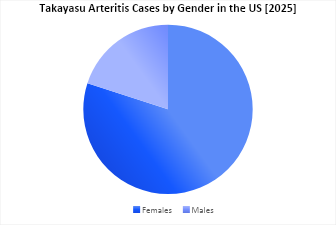
Predominantly Takayasu arteritis affects those of 20–40 years of age, among which women makes upto 80–90% of the cases.
-
Takayasu arteritis is rare, affecting 2–3 people per million annually and occurring ~8 times more often in females. Although symptoms often begin during adolescence, diagnosis typically occurs around age 29.
Takayasu Arteritis Drug Analysis & Competitive Landscape
The Takayasu arteritis drug chapter provides a detailed, market-focused review of the emerging pipeline across Phase III clinical trials and preclinical trials. It covers the mechanism of action, clinical trial data, regulatory approvals, patents, collaborations, and strategic partnerships for each therapy, along with their advantages, limitations, and recent developments. This section offers critical insights into the Takayasu arteritis treatment landscape, supporting market assessment, competitive analysis, and growth forecasting for the Takayasu arteritis therapeutics market.
Approved Therapies for Takayasu Arteritis
Tocilizumab (ACTEMRA/ROACTEMRA): Chugai Pharmaceutical (Roche)
Tocilizumab is a humanized monoclonal antibody targeting the interleukin-6 (IL-6) receptor, thereby inhibiting IL-6-mediated inflammatory signaling implicated in the pathogenesis of Takayasu arteritis. The approval is based on the results of two phase III studies, MRA632JP study in patients with Takayasu arteritis conducted in Japan and WA28119 study (GiACTA Study) in patients with Giant Cell Arteritis (GCA) which was initiated by Roche.
|
Competitive Landscape of Takayasu Arteritis Marketed/Approved Therapies | ||||||
|
Drug/Therapy |
Company |
Indication |
Molecule Type |
MoA |
RoA |
Marketed Region |
|
Tocilizumab (ACTEMRA/ROACTEMRA) |
Chugai Pharmaceutical (Roche) |
Takayasu arteritis |
Monoclonal antibody |
IL-6 receptor antagonist |
SC |
JP: 2017 |
Note: Detailed marketed therapies assessment will be provided in the final report.
Takayasu Arteritis Pipeline Analysis
Upadacitinib (RINVOQ): Abbvie
Upadacitinib is an oral, selective Janus kinase 1 (JAK1) inhibitor being developed by AbbVie for the treatment of Takayasu arteritis. The drug is currently being evaluated in the global Phase III SELECT-Takayasu trial. AbbVie's proprietary upadacitinib is a small molecule selective JAK inhibitor being developed for the treatment of multiple immune-related diseases. The United States composition of matter patents covering upadacitinib is expected to expire in 2033.
|
Competitive Landscape of Pipeline Drugs | ||||||
|
Drug Name |
Company |
Highest Phase |
Indication |
RoA |
MoA |
Anticipated Launch |
|
Upadacitinib (RINVOQ) |
Abbvie |
III |
Takayasu arteritis |
Oral |
JAK inhibitor |
Information is available in the full report |
|
Note: Launch insights are provisional and may change with future report updates or the occurrence of major key catalysts. | ||||||
Note: Detailed emerging therapies assessment will be provided in the final report.
Takayasu Arteritis Key Players, Market Leaders and Emerging Companies
-
Chugai Pharmaceutical (Roche)
-
AbbVie, and others
Takayasu Arteritis Drug Updates
-
In June 2026, AbbVie GK submitted an application for approval of an additional indication for upadacitinib, targeting Takayasu's arteritis.
-
In September 2025, AbbVie announced the settlement of litigation with all generic manufacturers that filed ANDA with the US FDA for generic versions of upadacitinib tablets. Given the settlement and license agreements, which are subject to standard acceleration provisions, assuming pediatric exclusivity is granted, no generic entry for any upadacitinib (RINVOQ) tablets is expected prior to April 2037 in the US.
Takayasu Arteritis Market Outlook
The treatment landscape for Takayasu arteritis remains characterized by significant unmet needs, with management primarily focused on controlling vascular inflammation, preventing disease progression, and reducing corticosteroid exposure. Historically, treatment has relied on high-dose corticosteroids and conventional immunosuppressants such as methotrexate, azathioprine, mycophenolate mofetil, and cyclophosphamide; however, frequent relapses, steroid-related toxicity, and limited evidence from randomized clinical trials have highlighted the need for targeted therapies.
The approval of tocilizumab marked an important advancement in Takayasu arteritis management, becoming the first targeted biologic therapy approved for Takayasu arteritis in Japan (2017). However, its adoption remains limited by factors such as variable treatment response, the need for injectable administration, and the absence of broad global approvals specifically for Takayasu arteritis.
The emerging pipeline remains limited, with upadacitinib representing a potential next-generation targeted therapy under investigation for Takayasu arteritis. As an oral selective JAK1 inhibitor, upadacitinib may offer a convenient steroid-sparing option by modulating cytokine signaling pathways implicated in Takayasu arteritis pathogenesis.
Overall, the Takayasu arteritis market across the 7MM is expected to experience gradual growth through 2036, driven by greater use of biologic therapies and continued development of targeted immunomodulators. However, market expansion will remain constrained by the rarity of Takayasu arteritis, limited clinical trial data, and the continued reliance on low-cost generic immunosuppressive therapies.
Further details will be provided in the report….
Drug Class/Insights into Leading Emerging and Marketed Therapies in Takayasu Arteritis (2022–2036 Forecast)
The Takayasu arteritis market (2022–2036 forecast) is is evolving from conventional corticosteroids and immunosuppressants toward targeted immunomodulatory therapies.
-
IL-6 Receptor Inhibitors: Tocilizumab belongs to the IL-6 receptor inhibitor class. By blocking IL-6 signaling, it suppresses vascular inflammation, reduces disease activity, and serves as a steroid-sparing therapy in patients with refractory or relapsing Takayasu arteritis.
-
JAK1 Inhibitors: By inhibiting the JAK-STAT signaling pathway, upadacitinib modulates multiple pro-inflammatory cytokines implicated in disease pathogenesis
Overall, innovation in Takayasu arteritis is increasingly focused on targeted cytokine inhibition and intracellular immune signaling pathways. While IL-6 inhibition currently represents the only approved targeted therapeutic approach, emerging JAK inhibitors may expand treatment options by offering convenient oral administration and broader immunomodulatory effects. These advances are expected to address persistent unmet needs, including relapse prevention, reduction of corticosteroid dependence, and improved long-term vascular outcomes.
Takayasu Arteritis Drug Uptake
This section focuses on the uptake rate of potential drugs expected to be launched in the market during the forecast period (2026–2036). The analysis covers the Takayasu arteritis drug’s uptake, performance at peak, factors affecting performance during prime years of growth, patient uptake by therapy, and anticipated sales generated by each drug.
During the forecast period, tocilizumab is expected to maintain its position as the leading targeted therapy for Takayasu arteritis. Among emerging therapies, upadacitinib has the potential to achieve meaningful uptake following potential regulatory approval. As an oral selective JAK1 inhibitor, it offers a differentiated treatment approach that may improve patient convenience while targeting multiple inflammatory pathways involved in vascular inflammation. Early adoption is expected to be concentrated in specialist rheumatology and vasculitis centers before broader integration into routine clinical practice as real-world evidence accumulates.
Detailed insights of emerging therapies' drug uptake is included in the report
Market Access and Reimbursement of Approved Therapies in Takayasu Arteritis
Reimbursement is a crucial factor that affects the drug’s access to the market. Often, the decision to reimburse comes down to the price of the drug relative to the benefit it produces in treated patients. To reduce the healthcare burden of these high-cost therapies, many payment models are being considered by payers and other industry insiders.
NOTE: Further Details are provided in the final report….
Takayasu Arteritis Therapies Price Scenario & Trends
Pricing and analogue assessment of Takayasu arteritis therapies highlights evolving price dynamics structures. This section summarizes the cost of approved treatments, closest and most appropriate analogue selection for emerging therapies, and understanding of how pricing influences market access, adherence, and long-term uptake.
Industry Experts and Physician Views for Takayasu Arteritis
To keep up with Takayasu arteritis market trends, we take Key Opinion Leaders (KOLs) and Subject Matter Experts (SMEs) opinions working in the domain through primary research to fill the data gaps and validate our secondary research. Industry experts were contacted for insights on the Takayasu arteritis emerging therapies, evolving treatment landscape, patient adherence to conventional therapies, therapy switching trends, drug adoption and uptake, accessibility challenges, and epidemiology and real-world prescription patterns in Takayasu arteritis, including MD, PhD, Instructor, Postdoctoral Researcher, Professor, Researcher, and others.
DelveInsight’s analysts connected with 15+ KOLs to gather insights at the country level. Centers such as University of Pennsylvania Perelman School of Medicine and Southend University Hospital, etc. were contacted. Their opinion helps understand and validate current and emerging Takayasu arteritis therapies, highlight unmet medical needs, provide epidemiological context, and support strategic decisions for market access, therapy adoption, and pipeline prioritization in Takayasu arteritis.
|
Region |
Key Opinion Leaders (KOLs) and Subject Matter Experts (SMEs) |
|
United States |
“Although glucocorticoids remain the cornerstone of initial therapy, long-term disease control in Takayasu arteritis increasingly depends on early introduction of steroid-sparing agents. Targeted therapies such as IL-6 inhibition have improved outcomes in relapsing disease, but additional treatment options are still needed for patients with refractory vascular inflammation.” |
|
Germany |
“Advances in vascular imaging and biologic therapies have significantly improved the management of Takayasu arteritis. However, reliable biomarkers for disease activity and therapies capable of preventing long-term vascular damage remain major unmet needs, highlighting the importance of continued clinical research.” |
Qualitative Analysis: SWOT and Conjoint Analysis
We perform qualitative and market Intelligence analysis using various approaches, such as SWOT analysis and conjoint analysis.
In the SWOT analysis of Takayasu arteritis, strengths, weaknesses, opportunities, and threats in terms of disease diagnosis, patient awareness, patient burden, competitive landscape, cost-effectiveness, and geographical accessibility of therapies are provided.
*Conjoint analysis analyzes emerging therapies based on relevant attributes such as safety, efficacy, frequency of administration, route of administration, and order of entry. Scoring is given based on these parameters to analyze the effectiveness of therapy.
The team of analysts analyzes promising emerging therapies based on relevant attributes such as safety, efficacy, frequency of administration, route of administration, and order of entry. In efficacy, the trial’s primary and secondary outcome measures are evaluated, whereas the therapies’ safety is evaluated, wherein the acceptability, tolerability, and adverse events are majorly observed. In addition, the scoring is also based on the route of administration, order of entry, probability of success, and the addressable patient pool for each therapy. According to these parameters, the final weightage score and the ranking of the emerging therapies are decided.
Scope of the Report
-
The report covers a segment of key events, an executive summary, a descriptive overview of Takayasu arteritis, explaining their causes, signs and symptoms, pathogenesis, and currently available treatments.
-
Comprehensive insight has been provided into the epidemiology segments and forecasts, the future growth potential of the diagnosis rate, and disease progression along treatment guidelines.
-
Additionally, an all-inclusive account of both the current and emerging treatments, along with the elaborative profiles of late-stage and prominent therapies, will have an impact on the current treatment landscape.
-
A detailed review of the Takayasu arteritis market, historical and forecasted market size, market share by therapies, detailed assumptions, and rationale behind our approach is included in the report, covering the 7MM drug outreach.
-
The report provides an edge while developing business strategies by understanding trends through SWOT analysis and expert insights/KOL views, patient journey, and treatment preferences that help in shaping and driving the 7MM Takayasu arteritis market.
Report Insights
-
Takayasu Arteritis Patient Population Forecast
-
Takayasu Arteritis Therapeutics Market Size
-
Takayasu Arteritis Pipeline Analysis
-
Takayasu Arteritis Market Size and Trends
-
Takayasu Arteritis Market Opportunity (Current and forecasted)
Report Key Strengths
-
Epidemiology‑based (Epi‑based) Bottom‑up Forecasting
-
Artificial Intelligence (AI)-Enabled Market Research Report
-
11-Year Forecast
-
Takayasu Arteritis Market Outlook (North America, Europe, Asia-Pacific)
-
Patient Burden Trends (By Geography)
-
Takayasu Arteritis Treatment Addressable Market (TAM)
-
Takayasu Arteritis Competitve Landscape
-
Takayasu Arteritis) Major Companies Insights
-
Takayasu Arteritis Price Trends and Analogue Assessment
-
Takayasu Arteritis Therapies Drug Adoption/Uptake
-
Takayasu Arteritis Therapies Peak Patient Share Analysis
Report Assessment
-
Takayasu Arteritis Current Treatment Practices
-
Takayasu Arteritis Unmet Needs
-
Takayasu Arteritis Clinical Development Analysis
-
Takayasu Arteritis Emerging Drugs Product Profiles
-
Takayasu Arteritis Market attractiveness
-
Takayasu Arteritis Qualitative Analysis (SWOT and conjoint analysis)
FAQs
Market Insights
-
What was the Takayasu arteritis market size, the market size by therapies, market share (%) distribution in 2025, and what would it look like by 2036? What are the contributing factors for this growth?
-
What are the anticipated pricing variations among different geographies for the emerging therapies in the future?
-
What can be the future treatment paradigm of Takayasu arteritis?
-
What are the disease risks, burdens, and unmet needs of Takayasu arteritis? What will be the growth opportunities across the 7MM concerning the patient population with Takayasu arteritis?
-
Who is the major future competitor in the market, and how will the competitors affect their market share?
-
What are the current options for the treatment of Takayasu arteritis? What are the current guidelines for treating Takayasu arteritis in the US, Europe, and Japan?
Reasons to Buy
-
The report will help in developing business strategies by understanding the latest trends and changing treatment dynamics driving the Takayasu arteritis market.
-
Bottom‑up forecasting builds from the affected population to product forecasts, delivering a robust, data‑driven approach ideal for new therapies and novel classes.
-
Insights on patient burden/disease incidence, evolution in diagnosis, and factors contributing to the change in the epidemiology of the disease during the forecast years.
-
Understand the existing market opportunities in varying geographies and the growth potential over the coming years.
-
Identifying strong upcoming players in the market will help devise strategies to help get ahead of competitors.
-
Detailed analysis and ranking of class-wise potential emerging therapies under the conjoint analysis section to provide visibility around leading classes.
-
To understand KOLs’ perspectives on the accessibility, acceptability, and compliance-related challenges of existing treatment to overcome barriers in the future.
-
Detailed insights on the unmet needs of the existing market so that the upcoming players can strengthen their development and launch strategy.
-
This Artificial Intelligence (AI)‑enabled report summarize and simplify complex datasets with in the report into clear, actionable insights for stakeholders, investors, and healthcare providers, enabling faster, data‑driven decisions.