Atherosclerosis Market Summary
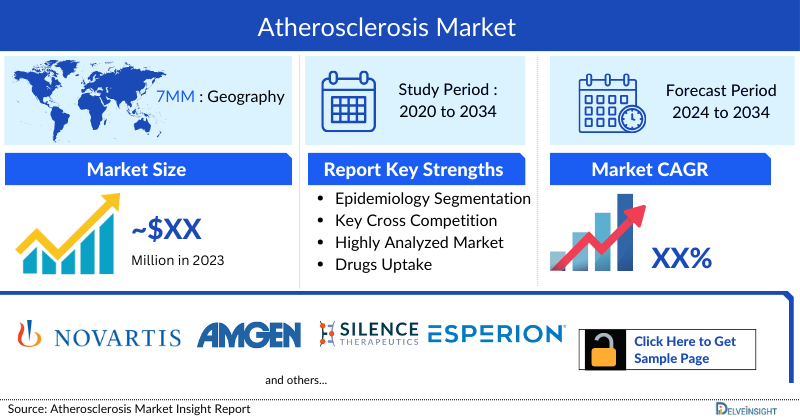
- The Atherosclerosis Market is projected to grow at a significant CAGR by 2034 in leading countries (US, EU4, UK and Japan).
- The leading Atherosclerosis Companies such as Bayer, Janssen, Genentech Inc, BioInvent International AB, GlaxoSmithKline, Merck Sharp & Dohme LLC, Archer Research, Cardionovum GmbH, Sankyo Pharma Gmbh, Daiichi Sankyo Inc, AstraZeneca, Omicron Pharmaceuticals, Abbott, Sanofi, Pfizer, and others.
Atherosclerosis Market and Epidemiology Analysis
- The atherosclerosis drugs market is expected to maintain a steady Compound Annual Growth Rate (CAGR) during the forecast period [2024-2034]. This growth in market revenue is primarily driven by advancements in diagnostic methods, increased awareness of the condition, and a rising number of reported cases.
- Atherosclerosis cases are increasing due to several factors such as high blood pressure, diabetes, poor nutrition, stress, sleep apnea, and chemicals from smoking and tobacco, among others.
- As per data from the secondary analysis, Coronary artery atherosclerosis is the single most common cause of death in men and women in the United States.
- The existing atherosclerosis drugs market is characterized by high competition with already established key players including Novartis, Esperion Therapeutics, Agepha Pharma, and others.
- To drive the atherosclerosis therapeutics market in future years, several companies such as Amgen, New Amsterdam Pharma, Silence Therapeutics, and others are developing their assets in the mid-late stage of development. With the expected approval of these therapies during the forecast period [2024–2034], the overall therapeutic market of atherosclerosis is likely to witness a rise at a significant CAGR.
DelveInsight’s comprehensive report titled “Atherosclerosis Market Insights, Epidemiology, and Market Forecast – 2034” offers a detailed analysis of atherosclerosis. The Atherosclerosis drug market report presents historical and projected epidemiological data covering Total Prevalent Cases and Diagnosed Prevalent Cases of Atherosclerosis further segmented by Type, Gender and Age. In addition to epidemiology, the Atherosclerosis Drug Market Report encompasses various aspects related to the patient population. These aspects include the diagnosis process, prescription patterns, physician perspectives, market accessibility, treatment options, and prospective developments in the market across seven major markets: the United States, EU4 (Germany, France, Italy, and Spain), the United Kingdom, and Japan, spanning from 2020 to 2034.
The report analyzes the existing atherosclerotic cardiovascular disease market practices and unmet medical requirements in atherosclerosis. It evaluates the market potential and identifies potential business prospects for enhancing therapies or interventions. This valuable information enables stakeholders to make well-informed decisions regarding product development and strategic planning for the Atherosclerosis drug market.
Factors Impacting the Atherosclerosis Market Growth
-
Rising Prevalence of Cardiovascular Diseases (CVDs)
The increasing incidence of cardiovascular disorders globally, including heart attacks and strokes, is a significant driver for the atherosclerosis market. Lifestyle changes, urbanization, and aging populations are contributing to higher rates of arterial plaque buildup, thereby increasing the demand for preventive and therapeutic interventions.
-
Aging Population Worldwide
With life expectancy increasing across regions, the aging population is more susceptible to atherosclerosis due to natural wear and tear of arterial walls. The prevalence of atherosclerotic conditions in older adults is driving the demand for medications, diagnostic tools, and interventional therapies to manage the disease effectively.
-
Growing Awareness About Heart Health
Awareness campaigns, educational programs, and patient advocacy initiatives regarding heart disease prevention and early diagnosis are encouraging individuals to seek treatment for atherosclerosis. This awareness is contributing to higher market adoption of diagnostic and therapeutic solutions.
Atherosclerosis Disease Understanding
Atherosclerosis is a cardiovascular disease characterized by the accumulation of plaque inside the arteries. It is a gradual process that can begin in childhood and progress over many years, resulting in the narrowing and hardening of the arteries. This condition is a major contributor to heart attacks, strokes, and other cardiovascular complications. The condition develops gradually over time due to various risk factors and may remain asymptomatic until it reaches an advanced stage. Several risk factors contribute to atherosclerosis, including high blood pressure, high cholesterol (especially LDL cholesterol), smoking, diabetes, obesity, a sedentary lifestyle, and a family history of cardiovascular disease.
Atherosclerosis begins with damage to the inner lining of the arteries. In response to the damage, the body initiates an inflammatory response, leading to the accumulation of cholesterol, fats, and cellular debris within the arterial walls. Over time, the plaques can grow, narrowing arteries and reducing blood flow to vital organs. Plaque rupture may cause blood clot formation, which can lead to heart attacks or strokes, depending on the affected area. Atherosclerosis might not cause noticeable symptoms in the early stages, but symptoms may appear as the disease advances and blood flow is compromised. These can include chest pain or angina, shortness of breath, fatigue, weakness, and symptoms specific to the affected organs (e.g., leg pain with walking in peripheral artery disease).
Atherosclerosis Diagnosis and Treatment Algorithm
The Atherosclerosis Diagnosis involves a combination of medical history assessment, physical examination, and various diagnostic tests. These tests may include blood tests, urine tests, electrocardiogram (ECG/EKG), exercise stress tests, heart imaging tests, and Doppler ultrasound, among others. Catheterization is considered the gold standard for diagnosing atherosclerosis. The goal is to identify the presence and severity of plaque buildup in the arteries and assess the risk of cardiovascular complications. Atherosclerosis can affect different arteries, including those supplying the heart (coronary arteries), brain (carotid arteries), legs (peripheral arteries), and others. The specific treatment approach may vary depending on the severity of atherosclerosis, the affected arteries, individual health factors, and the presence of other medical conditions.
Lifestyle modifications play a crucial role in preventing and managing atherosclerosis. These include adopting a heart-healthy diet, engaging in regular physical activity, quitting smoking, managing blood pressure and cholesterol levels, and controlling diabetes.In some cases, medication may be prescribed to help control risk factors and reduce plaque formation. Statins are used to reduce fats and cholesterol in the blood. ACE inhibitors, beta-blockers, calcium channel blockers, and diuretics are used to control blood pressure. Antiplatelet and anticoagulants reduce the risk of developing a clot. Procedures such as angioplasty with stent placement or coronary artery bypass grafting (CABG) may be required to open blocked arteries in severe cases.
Atherosclerosis Epidemiology
The epidemiology section on the atherosclerosis market report offers information on the patient populations, including historical and projected trends for each of the seven major markets. Examining key opinion leader views from physicians or clinical experts can assist in identifying the reasons behind historical and projected trends. The diagnosed patient pool, their trends, and the underlying assumptions are all included in this section of the report. This section also presents the data with relevant tables and graphs, offering a clear and concise view of the prevalence of atherosclerosis. Additionally, the report discloses the assumptions made during the analysis, ensuring data interpretation and presentation transparency. This epidemiological data is valuable for understanding the disease burden and its impact on the patient population across various regions.
Key Findings from the Atherosclerosis Epidemiological Analysis
- During the analysis of atherosclerosis, it was determined that it is a chronic inflammatory disease of the arteries and serves as the underlying cause of approximately 50% of all deaths in Western societies.
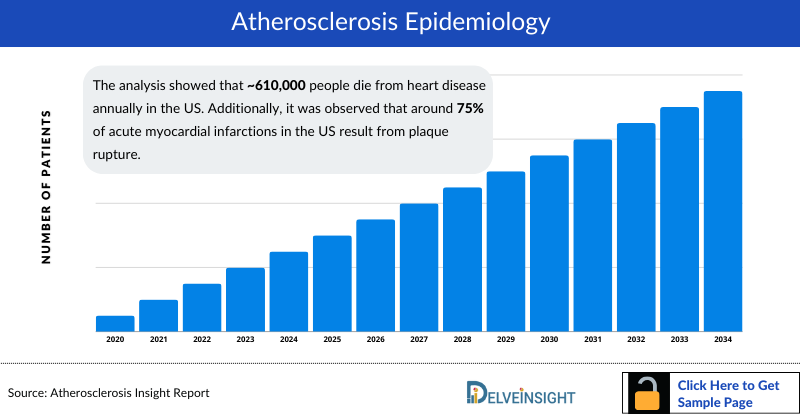
- The analysis showed that approximately 610,000 people die from heart disease annually in the US. Additionally, it was observed that around 75% of acute myocardial infarctions in the US result from plaque rupture.
- The analysis revealed a higher prevalence of atherosclerosis in men compared to women, likely due to the protective effects of female sex hormones, which diminish after menopause.
- During the analysis, it was observed that in high-income countries, the average age-specific prevalence of PAD ranges from approximately 5% at ages 40 to 49 years to 13% at ages 70 to 79 years.
- The Atherosclerosis Epidemiology is expected to change during the forecast period (2024-2034).
Atherosclerosis Epidemiology Segmentation
- Total Atherosclerosis Prevalent cases
- Total Atherosclerosis Diagnosed Prevalent Cases
- Atherosclerosis Type-specific Diagnosed Prevalent Cases
- Atherosclerosis Gender-specific Diagnosed Prevalent Cases
- Atherosclerosis Age-specific Diagnosed Prevalent Cases
Atherosclerosis Market Outlook
The atherosclerosis therapeutics market is further expected to increase by the major drivers, such as the rising prevalent population, technological advancements, and upcoming therapies in the forecast period [2024–2034].
- In June 2023, the US FDA approved LODOCO (colchicine, 0.5 mg tablets) as the first anti-inflammatory atheroprotective cardiovascular treatment demonstrated to reduce the risk of cardiovascular death in adult patients with established atherosclerotic disease.
- In 2021, the US FDA approved Novartis’ LEQVIO (inclisiran), the first and only small interfering RNA (siRNA) therapy to lower low-density lipoprotein cholesterol (also known as bad cholesterol or LDL-C) with two doses a year, after an initial dose and one at three months.
- Other FDA approved drugs in 2020 include NEXLIZET and NEXLETOL for the treatment of adults with established atherosclerotic cardiovascular disease who require additional lowering of LDL-C.
With ongoing research and continued dedication, the future holds hope for even more effective treatments and, ultimately, a cure for this challenging condition. According to DelveInsight, the atherosclerotic cardiovascular disease market in the 7MM is expected to change significantly during the study period 2020–2034.
Atherosclerosis Drug Analysis
Atherosclerosis Marketed Drugs
-
LEQVIO (inclisiran): Novartis
LEQVIO, developed by Novartis, reduces the amount of LDL-C in the bloodstream by improving the liver’s natural ability to prevent the production of a protein that plays a role in keeping circulating cholesterol levels high. It is a subcutaneous injection given by a healthcare provider with an initial dose, then again at three months, and then every six months. This approach may help those who have trouble sticking to medicines that are self-administered and have greater dosing frequency.
-
NEXLETOL (bempedoic acid): Esperion Therapeutics
NEXLETOL, developed by Esperion Therapeutics is an adenosine triphosphate-citrate lyase (ACL) inhibitor indicated as an adjunct to diet and maximally tolerated statin therapy for the treatment of ASCVD.
-
LODOCO (colchicine, 0.5 mg tablets): Agepha Pharma
LODOCO, developed by Agepha Pharma, is indicated for the treatment of ASCVD. LODOCO inhibits microtubule assembly and has multiple anti-inflammatory mechanisms. High-sensitivity C-reactive protein (hs-CRP) is the inflammatory biomarker most widely used to predict residual inflammatory risk and ASCVD outcomes. The recommended dose for LODOCO is 0.5 mg orally once daily.
Atherosclerosis Emerging Drugs
The atherosclerosis drug market is expected to experience gradual changes, mainly due to the limited availability of emerging therapies in this area. Key market players, including Amgen, NewAmsterdam Pharma, Silence Therapeutics, and others, have demonstrated a keen interest in this condition and are actively pursuing the development of potential treatments.
-
Olpasiran: Amgen
Olprasiran (formerly AMG 890) is a small interfering RNA (siRNA) being developed by Amgen to lower lipoprotein (a), also known as Lp(a). It is being investigated for the treatment of atherosclerotic cardiovascular disease. Developed based on dynamic polyconjugate (DPC) delivery platform technology and TRiM technology, the drug is currently in Phase III of clinical development.
-
Obicetrapib: NewAmsterdam Pharma
Obicetrapib (also known as AMG-899, DEZ-001, TA-8995) is under development for the treatment of atherosclerosis, among others. Obicetrapib is administered orally once a day. Its mechanism of action involves targeting cholesteryl ester transfer protein (CETP). Currently, the company is conducting Phase III developmental trials for Obicetrapib in participants with Atherosclerotic Cardiovascular Disease (ASCVD) who are not adequately controlled despite maximally tolerated lipid-lowering therapy.
-
Zerlasiran: Silence Therapeutics
Zerlasiran (SLN360) is a Phase II drug in the developmental pipeline of Silence Therapeutics. It aims to evaluate the efficacy, safety, and tolerability of SLN360 administered subcutaneously in adult participants with elevated lipoprotein (a) at high risk of atherosclerotic cardiovascular disease events. This drug is Silence's wholly-owned product candidate designed to address the significant unmet medical need in reducing cardiovascular risk in individuals born with high levels of lipoprotein (a).


Atherosclerosis Market Segmentation
DelveInsight’s ‘Atherosclerosis Market Insights, Epidemiology, and Market Forecast – 2034’ report provides a detailed outlook of the current and future atherosclerosis market, segmented within countries, by therapies, and by classes. Further, the market of each region is then segmented by each therapy to provide a detailed view of the current and future market share of all therapies.
Atherosclerosis Market Size by Countries
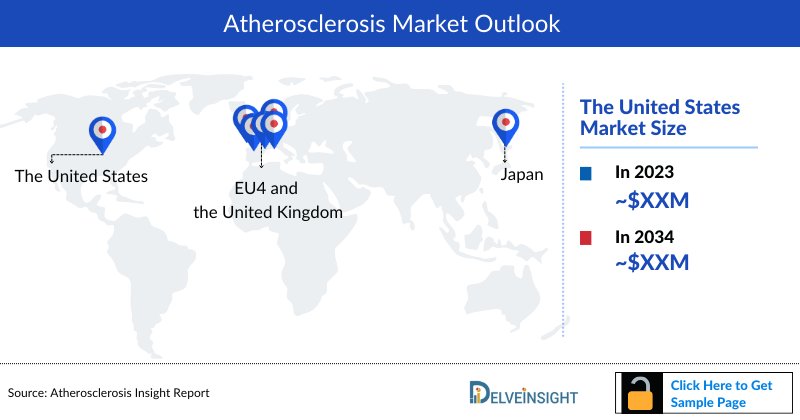
The atherosclerosis market size is assessed separately for various countries, including the United States, EU4 (Germany, France, Italy, and Spain), the UK, and Japan. In 2023, the United States held a significant share of the overall 7MM (Seven Major Markets) atherosclerosis market, primarily attributed to the country's higher prevalence of the condition and the elevated cost of the available treatments. This dominance is projected to persist, especially with the potential early introduction of new products.
Atherosclerosis Market Size by Therapies
Atherosclerosis Therapeutics Market is categorized into current and emerging markets for the study period 2020–2034. One of the emerging drugs anticipated to launch during the forecast period is Olpasiran under the developmental pipeline of Amgen.
Atherosclerosis Drugs Uptake
This section focuses on the sales uptake of potential atherosclerosis drugs that have recently been launched or are anticipated to be launched in the atherosclerosis market between 2020 and 2034. It estimates the market penetration of atherosclerosis drugs for a given country, examining their impact within and across classes and segments. It also touches upon the financial and regulatory decisions contributing to the probability of success (PoS) of the drugs in the atherosclerosis market. The emerging atherosclerosis therapies are analyzed based on various attributes such as safety and efficacy in randomized clinical trials, order of entry and other market dynamics, and the unmet need they fulfill in the atherosclerosis market.
Atherosclerosis Market Access and Reimbursement
DelveInsight’s ‘Atherosclerosis Market Insights, Epidemiology, and Market Forecast – 2034’ report provides a descriptive overview of the market access and reimbursement scenario of atherosclerosis. his section includes a detailed analysis of the country-wise healthcare system for each therapy, enlightening the market access, reimbursement policies, and health technology assessments.
Latest KOL Views on Atherosclerosis
To keep up with current atherosclerosis market trends and fill gaps in secondary findings, we interview KOLs and SMEs’ working in the atherosclerosis domain. Their opinion helps understand and validate current and emerging therapies and treatment patterns or atherosclerosis market trends. This will support the clients in potential upcoming novel treatments by identifying the overall scenario of the market and the atherosclerosis unmet needs.
Atherosclerosis: KOL Insights
DelveInsight’s analysts connected with 50+ KOLs to gather insights; however, interviews were conducted with 15+ KOLs in the 7MM. These KOLs were from organizations, institutes, and hospitals, such as the American Heart Association, Nuffield Department of Population Health, VA Medical Center and Harvard Medical School among others.
“The disease associated with atherosclerosis stands as the primary cause of mortality in the United States. Remarkably, approximately half of Americans aged 45 to 84 are affected by atherosclerosis without awareness of its presence.”
“Most of the time, a combination of medicine and lifestyle modifications is used to manage PAD. By doing so, a patient may experience fewer symptoms and have a heart attack or stroke less frequently. Anticoagulants, beta-blockers, and statins are the common choice of drugs”
Atherosclerosis Competitive Intelligence Analysis
We conduct a Competitive and Market Intelligence analysis of the atherosclerosis Market, utilizing various Competitive Intelligence tools such as SWOT analysis and Market entry strategies. The inclusion of these analyses is contingent upon data availability, ensuring a comprehensive and well-informed assessment of the market landscape and competitive dynamics.
Atherosclerosis Pipeline Development Activities
The Atherosclerosis pipeline segment offers an analysis of therapeutic candidates in Phase II and III stages and examines Atherosclerosis Companies involved in developing targeted therapeutics for atherosclerosis. It provides valuable insights into the advancements and progress of potential Atherosclerosis Treatment in clinical development for this condition.
Atherosclerosis Market Forecast Report Insights
- Patient-based Atherosclerosis Market Forecasting
- Therapeutic Approaches
- Atherosclerosis Pipeline Analysis
- Atherosclerosis Market Size
- Atherosclerosis Market Trends
- Atherosclerosis Market Opportunities
- Impact of Upcoming Atherosclerosis Therapies
Atherosclerosis Market Forecast Report Key Strengths
- 11 Years Atherosclerosis Market Forecast
- The 7MM Coverage
- Atherosclerosis Epidemiology Segmentation
- Key Cross Competition
- Highly Analyzed Atherosclerosis Drug Market
- Atherosclerosis Drugs Uptake
Atherosclerosis Treatment Market Report Assessment
- Current Atherosclerosis Treatment Market Practices
- Atherosclerosis Unmet Needs
- Atherosclerosis Pipeline Product Profiles
- Atherosclerosis Drug Market Attractiveness
Key Questions Answered in the Atherosclerosis Market Report
Atherosclerosis Market Insights
- How common is atherosclerosis?
- What are the key findings of atherosclerosis epidemiology across the 7MM, and which country will have the highest number of patients during the study period (2020–2034)?
- What are the currently available treatments for atherosclerosis?
- What is the disease risk, burden, and unmet needs of atherosclerosis?
- At what CAGR is the atherosclerosis market and its epidemiology expected to grow in the 7MM during the forecast period (2024–2034)?
- How would the unmet needs impact the atherosclerosis market dynamics and subsequently influence the analysis of the related trends?
- What would be the forecasted patient pool of atherosclerosis in the 7MM covering the United States, EU4 (Germany, France, Italy, and Spain), the UK, and Japan?
- Among EU4 and the UK, which country will have the highest number of patients during the forecast period (2024–2034)?
- How many companies are currently developing therapies for the treatment of atherosclerosis?
Access Exclusive Data Now! Click here to Read More about the Related Articles @ Latest DelveInsight Blogs