-disorders-market.png&w=256&q=75)
Binge (Eating) Disorders Market Summary
- The Binge (Eating) Disorders market is projected to experience a consistent Compound Annual Growth Rate (CAGR) during the forecast period (2024-2034). The growth in market revenue is primarily driven by a combination of demographic shifts, environmental factors, improved diagnostic capabilities, lifestyle changes, genetic predisposition, and better disease recognition.
Binge (Eating) Disorders Market Insight and Trends
- The Binge (Eating) Disorders cases are increasing mainly due to behavioral, psychological, and social factors such as depression and anxiety.
- In emerging economies, the Binge (Eating) Disorders treatment market is anticipated to witness a slow growth primarily due to limited treatment options available for the disorder.
- To drive the Binge (Eating) Disorders market in future years, several companies such as TRYP Therapeutics, Tonix Pharmaceuticals, and others are developing their assets in the mid-late stage of development. With the expected approval of these therapies during the forecast period [2024–2034], the overall Binge (Eating) Disorders therapeutic market is likely to witness a rise at a significant CAGR.
Request for sample report @ Binge (Eating) Disorders Treatment Market
Factors affecting Binge Eating Disorder Market Growth
-
Rising Prevalence of BED
The increasing number of individuals diagnosed with binge eating disorder is a major driver for the market. Growing awareness among healthcare professionals and patients has led to improved diagnosis rates, fueling demand for effective treatments.
-
Advancements in Pharmacological Treatments
Innovative drug development targeting BED, including novel medications and formulations, has expanded treatment options. The launch of new drugs enhances patient compliance and efficacy, supporting market growth.
-
Increased Awareness and Education
Awareness campaigns and educational programs about eating disorders have encouraged patients to seek treatment. This rising consciousness among the public and clinicians contributes to higher diagnosis and treatment rates.
-
Growth in Behavioral and Psychological Therapies
Cognitive behavioral therapy (CBT), psychotherapy, and other non-pharmacological interventions are gaining popularity. The integration of these therapies with medications is driving market expansion.
-
Expanding Healthcare Infrastructure
Improved access to healthcare facilities and mental health specialists globally has facilitated early detection and management of BED. This growth in infrastructure supports the increasing adoption of BED treatments.
-
Rising Investment in Research and Development
Pharmaceutical companies and research institutions are investing heavily in clinical trials and studies for BED therapies. These efforts aim to improve safety, efficacy, and patient outcomes, propelling market growth.
-
Increasing Focus on Mental Health
Societal focus on mental health and wellness has reduced stigma around eating disorders. Patients are more likely to seek professional help, directly influencing the demand for BED treatments.
-
Technological Advancements in Treatment Delivery
Digital therapeutics, telemedicine, and app-based interventions for BED provide convenient treatment options, expanding patient reach and enhancing market adoption.
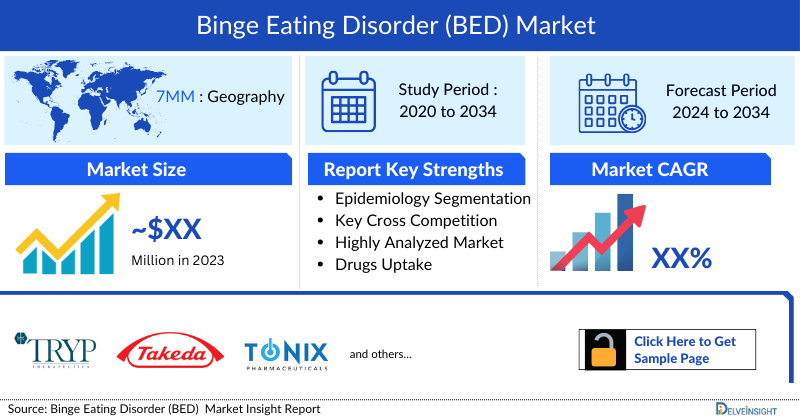
DelveInsight’s comprehensive report titled “Binge (Eating) Disorders Market Insights, Epidemiology, and Market Forecast – 2034” offers a detailed analysis of Binge (Eating) Disorders. The report presents historical and projected epidemiological data covering Total Prevalent Cases and Diagnosed Prevalent Cases of Binge (Eating) Disorders further segmented by Gender. In addition to epidemiology, the market report encompasses various aspects related to the patient population. These aspects include the diagnosis process, prescription patterns, physician perspectives, market accessibility, treatment options, and prospective developments in the market across seven major markets: the United States, EU4 (Germany, France, Italy, and Spain), the United Kingdom, and Japan, spanning from 2020 to 2034.
The Binge (Eating) Disorders therapeutics market report analyzes the existing treatment practices and unmet medical requirements in Binge (Eating) Disorders. It evaluates the Binge (Eating) Disorders market potential and identifies potential business prospects for enhancing therapies or interventions. This valuable information enables stakeholders to make well-informed decisions regarding product development and strategic planning for the Binge (Eating) Disorders market.
Binge (Eating) Disorders Disease Understanding
Binge Eating Disorder is a psychiatric condition characterized by recurrent episodes of consuming large quantities of food rapidly and to the point of discomfort, accompanied by a sense of loss of control during binge episodes. It is the most common eating disorder in the United States, often leading to emotional distress and health-related consequences.
The exact cause of Binge (Eating) Disorders is not known. Binge (Eating) Disorders may occur due to complex combinations of genetic, behavioral, psychological, and social factors. Binge (Eating) Disorders may occur if a person is too worried about being slim. Depression and anxiety issues are strongly associated with Binge (Eating) Disorders.
Physical signs and symptoms of Binge (Eating) Disorders may include not sleeping well, experiencing weight changes, and gastrointestinal issues, feeling tired, and cardiovascular issues. Untreated Binge (Eating) Disorders may result in type 2 diabetes, high blood pressure, high cholesterol, arthritis, social isolation, loneliness, depression.
Binge (Eating) Disorders Diagnosis and Treatment Algorithm
The diagnosis of Binge (Eating) Disorders includes a combination of physical exams, lab tests, physiological evaluations, and other studies. Physical exams may include checking height and weight, vital signs such as heart rate, blood pressure, and temperature, and checking skin and nails. Lab tests may include blood tests and urine tests. A complete blood count and more specialized tests are performed to check electrolytes and protein, as well as the function of your liver, kidney, and thyroid.
Treatment for the disorder typically involves a combination of psychotherapy, such as cognitive-behavioral therapy (CBT), and Binge (Eating) Disorders medications like selective serotonin reuptake inhibitors (SSRIs) to address both psychological and biological factors contributing to the disorder. Additionally, medications to control seizures and depression may be utilized as part of the treatment plan.
VYVANSE (lisdexamfetamine) is the sole FDA-approved Binge (Eating) Disorders medication specifically designated for the treatment of Binge Eating Disorder. As a prodrug of amphetamine, VYVANSE functions by increasing the levels of neurotransmitters like dopamine and norepinephrine in the brain, impacting impulse control and appetite regulation. Clinical trials have demonstrated its efficacy in reducing binge eating episodes and improving related psychological symptoms. However, VYVANSE is not without potential side effects, including insomnia, increased heart rate, and anxiety. Its prescription is typically reserved for cases where psychotherapy alone may be insufficient, emphasizing the importance of a comprehensive approach to Binge (Eating) Disorders treatment that considers both pharmacological and therapeutic interventions.
Binge (Eating) Disorders Epidemiology
The epidemiology section of the Binge (Eating) Disorders market report offers information on the patient populations, including historical and projected trends for each of the seven major markets. Examining key opinion leader views from physicians or clinical experts can assist in identifying the reasons behind historical and projected trends. The diagnosed patient pool, their trends, and the underlying assumptions are all included in this section of the report.
This section also presents the Binge (Eating) Disorders statistics with relevant tables and graphs, offering a clear and concise view of the prevalence of Binge (Eating) Disorders. Additionally, the report discloses the assumptions made during the analysis, ensuring data interpretation and presentation transparency. This epidemiological data is valuable for understanding the disease burden and its impact on the patient population across various regions.
Key Findings from Binge (Eating) Disorders Epidemiological Analyses and Forecast
- During the Binge (Eating) Disorders analysis, it was found that the Binge (Eating) Disorders is the most common eating disorder in the US, and it affects people of all racial and ethnic groups.
- In the analysis, it was observed that the Binge (Eating) Disorders is more prevalent in females as compared to males. Specifically, the prevalence among adult women was found to be 1.25% in the US.
- It was found that Binge (Eating) Disorders may affect children and adolescents. Binge (Eating) Disorders may be seen in roughly 1–3% of children and adolescents.
- During the analysis, the lifetime prevalence of Binge (Eating) Disorders was found to be 0.85% in the US. The prevalence is anticipated to increase due to increasing depression and anxiety issues. The epidemiology of Binge (Eating) Disorders is expected to change during the study period (2020-2034).
Binge (Eating) Disorders Market Outlook
The Binge (Eating) Disorders therapeutics market is further expected to increase by the major drivers, such as the rising prevalent population, technological advancements, and upcoming therapies in the forecast period [2024–2034].
The approval of several first generics of VYVANSE (lisdexamfetamine dimesylate) by the US FDA in August 2023 for the treatment of moderate to severe Binge (Eating) Disorders in adults is anticipated to bring significant changes to the Binge (Eating) Disorders market during the study period from 2020 to 2034.
With ongoing research and continued dedication, the future holds hope for even more effective treatments and, ultimately, a cure for this challenging condition. According to DelveInsight, the Binge (Eating) Disorders market in the 7MM is expected to change significantly during the study period 2020–2034.
Binge (Eating) Disorders Drug Analysis
Emerging Binge (Eating) Disorders Drugs
The Binge (Eating) Disorders market is expected to experience gradual changes, mainly due to the limited availability of emerging Binge (Eating) Disorders therapies in this area. Key Binge (Eating) Disorders companies, including TRYP Therapeutics, Tonix Pharmaceuticals, and others, have demonstrated a keen interest in this rare condition and are actively pursuing the development of potential treatments.
Psilocybin (TRP-8802): TRYP Therapeutics
Psilocybin (TRP-8802) represents a groundbreaking approach in the realm of pharmaceuticals, undergoing development for the treatment of a spectrum of conditions including Binge (Eating) Disorders. Administered both orally in the form of a capsule and intravenously, this psychedelic drug has garnered attention for its potential in addressing diverse medical challenges. The oral delivery method ensures convenient and patient-friendly dosing, while the intravenous route allows for precise and rapid onset of therapeutic effects. With its unique psychedelic properties, Psilocybin introduces an innovative paradigm in treating disorders that have been historically challenging to manage. The drug is currently in Phase IIa of clinical development for the treatment of Binge (Eating) Disorders.
TNX-1900: Tonix Pharmaceuticals
TNX-1900 is based on a proprietary potentiated formulation of oxytocin and is currently being developed as a candidate for Binge (Eating) Disorders. TNX-1900 was acquired from Trigemina, Inc. who had licensed the technology underlying the composition and method from Stanford University. TNX-1900 is a drug-device combination product, based on an intranasal actuator device that delivers oxytocin into the nasal cavity. The drug is in Phase IIa of clinical development and for the treatment of Binge (Eating) Disorders.
Note: Detailed emerging therapies assessment will be provided in the final report….
Binge (Eating) Disorders Market Segmentation
DelveInsight’s ‘Binge (Eating) Disorders Market Insights, Epidemiology, and Market Forecast – 2034’ report provides a detailed outlook of the current and future Binge (Eating) Disorders market, segmented within countries, by therapies, and by classes. Further, the market of each region is then segmented by each therapy to provide a detailed view of the current and future Binge (Eating) Disorders market share of all therapies.
Binge (Eating) Disorders Market Size by Countries
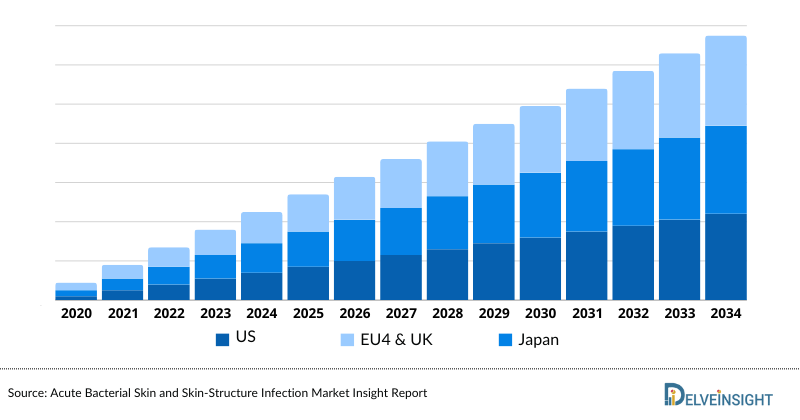
The Binge (Eating) Disorders market size is assessed separately for various countries, including the United States, EU4 (Germany, France, Italy, and Spain), the UK, and Japan. In 2023, the United States is expected to hold a significant share of the overall 7MM (Seven Major Markets) Binge (Eating) Disorders market, primarily attributed to the country's higher prevalence of the Binge (Eating) Disorders and the elevated cost of the available treatments. This dominance is projected to persist, especially with the potential early introduction of new Binge (Eating) Disorders products.
Binge (Eating) Disorders Market Size by Therapies
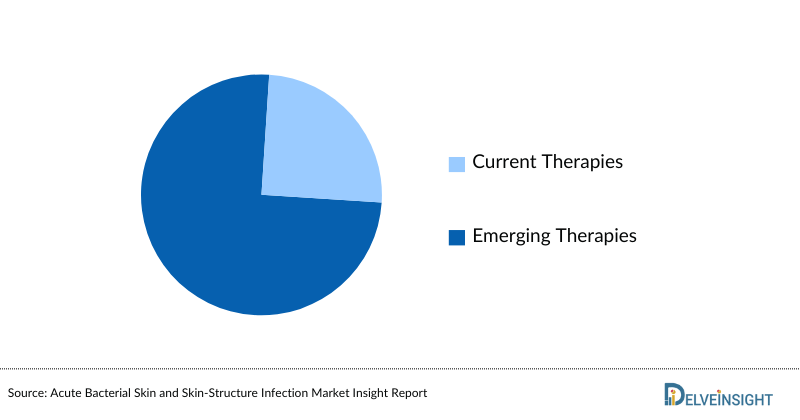
Binge (Eating) Disorders Market Size by Therapies is categorized into current and emerging markets for the study period 2020–2034. One of the emerging Binge (Eating) Disorders drugs anticipated to launch during the forecast period is Psilocybin (TRP-8802) under the developmental pipeline of TRYP Therapeutics.
Note: Detailed market segment assessment will be provided in the final report….
Binge (Eating) Disorders Market Recent Developments and Breakthroughs
- In December 2024, Granules India received FDA approval for Lisdexamfetamine Dimesylate chewable tablets, its generic version of Takeda Pharmaceuticals' Vyvanse. The product is indicated for the treatment of attention deficit hyperactivity disorder (ADHD) and moderate to severe binge eating disorder (Binge (Eating) Disorders).
Binge (Eating) Disorders Drugs Uptake
This section focuses on the sales uptake of potential Binge (Eating) Disorders drugs that have recently been launched or are anticipated to be launched in the Binge (Eating) Disorders market between 2020 and 2034. It estimates the market penetration of Binge (Eating) Disorders drugs for a given country, examining their impact within and across classes and segments. It also touches upon the financial and regulatory decisions contributing to the probability of success (PoS) of the drugs in the Binge (Eating) Disorders market.
The emerging Binge (Eating) Disorders therapies are analyzed based on various attributes such as safety and efficacy in randomized Binge (Eating) Disorders clinical trials, order of entry and other market dynamics, and the unmet need they fulfill in the Binge (Eating) Disorders market.
Note: Detailed assessment of drug uptake and attribute analysis will be provided in the full report on Binge (Eating) Disorders….
Binge (Eating) Disorders Market Access and Reimbursement
DelveInsight’s ‘Binge (Eating) Disorders Market Insights, Epidemiology, and Market Forecast – 2034’ report provides a descriptive overview of the market access and reimbursement scenario of Binge (Eating) Disorders.
This section includes a detailed analysis of the country-wise healthcare system for each therapy, enlightening the market access, reimbursement policies, and health technology assessments.
Latest KOL Views in Binge (Eating) Disorders
To keep up with current Binge (Eating) Disorders market trends and fill gaps in secondary findings, we interview KOLs and SMEs’ working in the Binge (Eating) Disorders domain. Their opinion helps understand and validate current and emerging therapies and treatment patterns or Binge (Eating) Disorders market trends. This will support the clients in potential upcoming novel treatments by identifying the overall scenario of the market and the Binge (Eating) Disorders unmet needs.
Binge (Eating) Disorders: KOL Insights
DelveInsight’s analysts connected with 50+ KOLs to gather insights; however, interviews were conducted with 15+ KOLs in the 7MM. These KOLs were from organizations, institutes, and hospitals, such as the Department of Health Policy, Management, and Behavior, School of Public Health, University at Albany, State University of New York, Albany, New York, Department of Psychiatry, Yale University School of Medicine, New Haven, Connecticut, Department of Health Care Policy, Harvard Medical School, Boston, Massachusetts, USA, among others.
“Binge (Eating) Disorders is the most prevalent eating disorder in the United States, affecting individuals across diverse demographics. The disorder is characterized by recurrent episodes of consuming large quantities of food, accompanied by a loss of control.”
Note: Detailed assessment of KOL Views will be provided in the full report on Binge (Eating) Disorders…
Competitive Intelligence Analysis
We conduct a Competitive and Market Intelligence analysis of the Binge (Eating) Disorders Market, utilizing various Competitive Intelligence tools such as SWOT analysis and Market entry strategies. The inclusion of these analyses is contingent upon data availability, ensuring a comprehensive and well-informed assessment of the market landscape and competitive dynamics.
Binge (Eating) Disorders Pipeline Development Activities
The Binge (Eating) Disorders treatment market report offers an analysis of therapeutic candidates in Phase II and III stages and examines companies involved in developing targeted therapeutics for Binge (Eating) Disorders. It provides valuable insights into the advancements and progress of potential treatments in clinical development for this condition.
Pipeline Development Activities
The Binge (Eating) Disorders treatment market report covers information on collaborations, acquisition and merger, licensing, patent details, and other information for emerging Binge (Eating) Disorders therapies.
Binge (Eating) Disorders Market Report Insights
- Binge (Eating) Disorders Patient Population
- Therapeutic Approaches
- Binge (Eating) Disorders Pipeline Analysis
- Binge (Eating) Disorders Market Size
- Binge (Eating) Disorders Market Trends
- Binge (Eating) Disorders Market Opportunities
- Impact of Upcoming Binge (Eating) Disorders Therapies
Binge (Eating) Disorders Market Report Key Strengths
- 11 Years Forecast
- The 7MM Coverage
- Binge (Eating) Disorders Epidemiology Segmentation
- Key Cross Competition
- Highly Analyzed Binge (Eating) Disorders Market
- Binge (Eating) Disorders Drugs Uptake
Binge (Eating) Disorders Market Report Assessment
- Binge (Eating) Disorders Current Treatment Practices
- Unmet Needs
- Binge (Eating) Disorders Pipeline Product Profiles
- Binge (Eating) Disorders Market Attractiveness
Key Questions Answered from Binge (Eating) Disorders
- How common is Binge (Eating) Disorders?
- What are the key findings of Binge (Eating) Disorders epidemiology across the 7MM, and which country will have the highest number of patients during the study period (2020–2034)?
- What are the currently available treatments for Binge (Eating) Disorders?
- What is the disease risk, burden, and unmet needs of Binge (Eating) Disorders?
- At what CAGR is the Binge (Eating) Disorders market and its epidemiology expected to grow in the 7MM during the forecast period (2024–2034)?
- How would the unmet needs impact the Binge (Eating) Disorders market dynamics and subsequently influence the analysis of the related trends?
- What would be the forecasted patient pool of Binge (Eating) Disorders in the 7MM covering the United States, EU4 (Germany, France, Italy, and Spain), the UK, and Japan?
- Among EU4 and the UK, which country will have the highest number of patients during the forecast period (2024–2034)?
- How many Binge (Eating) Disorders companies are currently developing therapies for the treatment of Binge (Eating) Disorders?