AL Amyloidosis Market Summary
- The AL Amyloidosis Market is experiencing a significant shift from relying solely on conventional chemotherapy and autologous stem cell transplant (ASCT) towards advanced targeted monoclonal antibodies, bispecific antibodies, and cellular immunotherapies designed to improve both hematologic and organ responses.
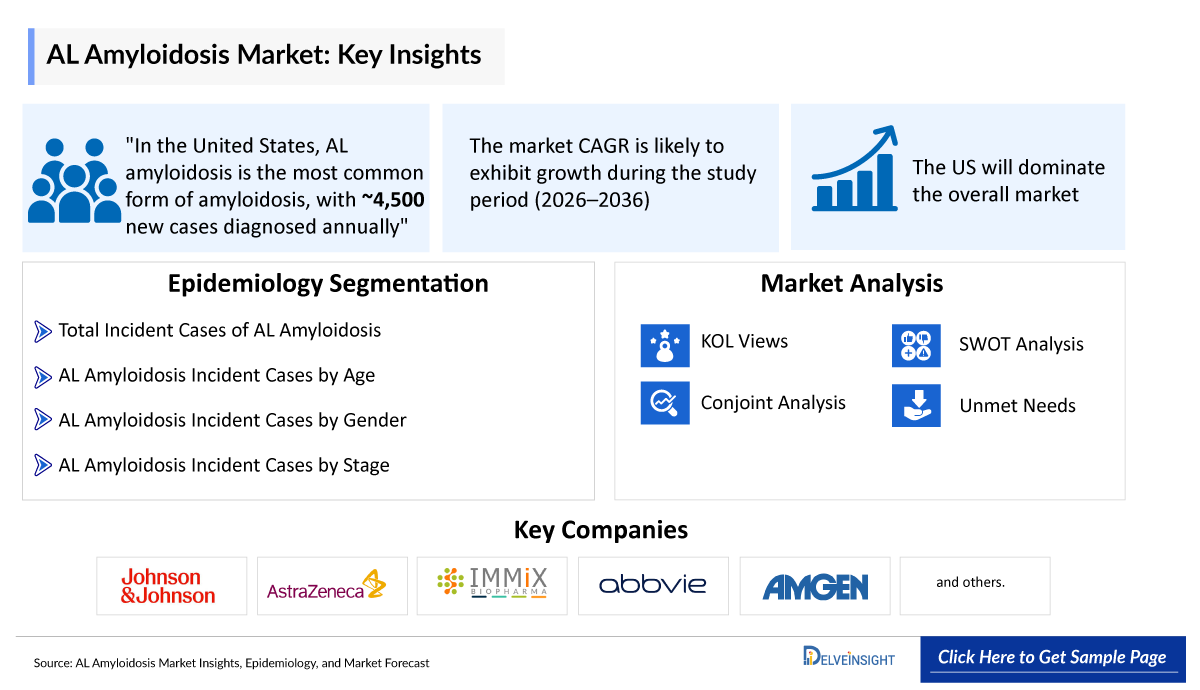
- The AL Amyloidosis Companies include Johnson & Johnson, AstraZeneca, Immix Biopharma, AbbVie, Amgen, and others.
AL Amyloidosis Market and Epidemiology Analysis
- AL amyloidosis is characterized by progressive multisystem involvement, with approximately 42% of patients presenting with involvement of three or more organs at diagnosis, most commonly affecting the kidneys (46%) and heart (40%), while cardiac and renal involvement further increase during disease progression to nearly 63% and 60%, respectively.
- Approximately 43–47% of AL amyloidosis patients present with advanced Stage IIIa or IIIb disease at diagnosis in the US and Germany, highlighting substantial delays in disease recognition and the high burden of severe cardiac involvement at initial presentation.
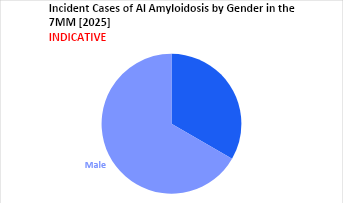
- AL amyloidosis primarily affects individuals aged 50–80 years, with males accounting for nearly two-thirds of the patient population.
- Delayed diagnosis remains a major challenge in AL amyloidosis, as the disease often presents with non-specific symptoms that mimic more common conditions, leading to advanced organ involvement at the time of diagnosis. Consequently, prognosis remains poor, with nearly 30% of patients dying within the first year following diagnosis.
- Daratumumab (DARZALEX)-based regimens have transformed frontline treatment by establishing the first highly effective targeted standard of care for newly diagnosed AL amyloidosis cases, significantly improving hematologic response and survival outcomes.
- Persistent cardiac and renal dysfunction remains a major unmet need, as currently available therapies primarily suppress plasma cells but have limited ability to reverse established amyloid-related organ damage.
- The emerging AL Amyloidosis Pipeline is increasingly centered on organ-restorative monoclonal antibodies, targeted biologics, and BCMA-directed CAR-T therapies aimed at improving both hematologic and organ responses. Key investigational therapies include anselamimab (AstraZeneca), etentamig (AbbVie/Amgen), NXC-201 (Nexcella), and others, reflecting the growing shift toward disease-modifying and precision immunotherapy approaches in relapsed and high-risk AL amyloidosis patients.
- Despite strong innovation momentum, the high cost, infrastructure requirements, and administration complexity associated with advanced biologics and CAR-T therapies may limit widespread adoption outside specialized treatment centers.
AL Amyloidosis Market Size and Forecast in the 7MM
- 2025 AL Amyloidosis Market Size: ~USD XX million
- 2036 Projected AL Amyloidosis Market Size: ~USD XX million
- AL Amyloidosis Growth Rate (2026–2036): XX% CAGR
Request for Unlocking the Sample Page of the "AL Amyloidosis Treatment Market"
Key Factors Driving the AL Amyloidosis Market Growth
-
Growing awareness and improved diagnostic capabilities
Increasing recognition of cardiac amyloidosis, wider use of serum free light-chain testing, cardiac biomarkers, and advanced imaging modalities are improving disease detection and supporting earlier intervention.
-
Increasing focus on organ-directed treatment strategies
The market is witnessing strong interest in therapies capable of directly addressing organ damage caused by amyloid deposition, particularly in cardiac and renal tissues. Emerging fibril-clearing antibodies such as anselamimab have reinforced industry focus on organ-restorative approaches despite mixed late-stage clinical outcomes.
-
Advancements in cellular immunotherapy and precision hematology
The emergence of BCMA-targeted CAR-T therapies such as NXC-201 and next-generation biologics including etentamig is expanding treatment possibilities for relapsed or refractory patients and driving innovation in plasma cell eradication strategies.
DelveInsight's ‘AL Amyloidosis Market Insights, Epidemiology and Market Forecast – 2036’ report delivers an in-depth understanding of the AL amyloidosis, historical and forecasted epidemiology, as well as the AL amyloidosis market trends in the United States, EU4 (Germany, Spain, Italy, and France) and the United Kingdom, and Japan.
The AL Amyloidosis Treatment Market Report delivers a comprehensive analysis of the current treatment landscape, including standards of care, clinical practices, and evolving therapeutic algorithms. It evaluates, AL amyloidosis patient burden trends, revenue & market share dynamics, peak patient share & therapy uptake analysis, and provides an in-depth market size assessment, and growth rate projections (Historical & Forecast 2022–2036) across global regions. The report highlights key unmet medical needs in AL amyloidosis and maps the competitive and clinical landscape to uncover high‑value opportunities, providing a clear outlook on future market growth potential.
Scope of AL Amyloidosis Therapeutics Market | |
|
Study Period |
2022–2036 |
|
Historical Year |
2022–2025 |
|
Forecast Period |
2026–2036 |
|
Base Year |
2026 |
|
Geographies Covered |
|
|
AL Amyloidosis Market CAGR (Forecast period) |
XX% (2026–2036) |
|
AL Amyloidosis Epidemiology Segmentation Analysis |
Patient Burden Assessment
|
|
AL Amyloidosis Companies |
|
|
AL Amyloidosis Therapies |
|
|
AL Amyloidosis Market |
Segmented by
|
|
Analysis |
|
AL Amyloidosis Understanding
AL Amyloidosis Overview and Diagnosis
Primary or light chain (AL) amyloidosis, the most common type of systemic amyloidosis, occurs when the free light chains normally associated with immunoglobulins are produced in excess by clonal or frankly malignant plasma cells. Although AL amyloidosis is not considered a cancer, it shares some similar characteristics and treatments with multiple myeloma. AL amyloidosis is most commonly diagnosed when the affected patient has less than 10% bone marrow plasma cells, the quantity required to make a diagnosis of myeloma, but may also occur in association with full-blown multiple myeloma, non-Hodgkin’s lymphoma, Waldenström’s macroglobulinemia, chronic lymphocytic leukemia, Sjogren’s syndrome, and Behçet's syndrome.
Diagnosis of systemic AL amyloidosis begins with detection of monoclonal proteins using serum and urine immunofixation, serum free light chain testing, and 24-hour urine protein assessment. If abnormalities are identified, tissue biopsy with Congo red staining is performed to confirm amyloid deposition, while organ biomarkers and imaging help evaluate organ involvement. Abdominal fat pad and bone marrow biopsies are commonly used surrogate sites, with combined sensitivity of ~85%, although organ biopsy may still be required in suspected cases. Following confirmation, accurate amyloid typing, preferably through mass spectrometry–based proteomics is essential to distinguish AL amyloidosis from other amyloid subtypes such as ATTR amyloidosis.
Further details are provided in the report.
AL Amyloidosis Treatment Landscape
AL Amyloidosis treatment primarily focuses on eliminating the clonal plasma cells responsible for producing amyloidogenic light chains. The current standard frontline regimen is daratumumab (DARZALEX) combined with bortezomib, cyclophosphamide, and dexamethasone (Dara-VCd), which has demonstrated strong hematologic and organ response rates in newly diagnosed AL Amyloidosis patients. Eligible patients with preserved organ function may undergo ASCT.
Supportive care remains essential for managing cardiac, renal, and other organ-related complications. In relapsed or refractory disease, therapies such as lenalidomide, pomalidomide, and repeat proteasome inhibitor–based regimens are commonly used. Emerging treatment approaches, including novel monoclonal antibodies, bispecific antibodies, and BCMA-targeted CAR-T cell therapies, are being investigated to achieve deeper and more durable disease control.
Further details related to country-based variations are provided in the report.
AL Amyloidosis Unmet Needs
The section “unmet needs of AL amyloidosis” outlines the critical gaps between the current state of patient care, diagnosis, and the ideal & effective management of the disease. It highlights the obstacles experienced by patients, clinicians, and researchers and identifies potential solutions for future progress.
- Delayed and complex diagnosis
- Need for rapid and durable hematologic responses
- Limited treatment options for relapsed/refractory disease
- High disease burden and impaired quality of life:, and others…..
Note: Comprehensive unmet needs insights in AL amyloidosis and their strategic implications are provided in the full report.
AL Amyloidosis Epidemiology
Key Findings from AL Amyloidosis Epidemiological Analysis and Forecast
- In the United States, AL amyloidosis is the most common form of amyloidosis, with approximately 4,500 new cases diagnosed annually.
- In 2025, among age-specific cases, the prevalence of advanced-stage AL amyloidosis increased progressively with age, accounting for ~23% in patients aged 40–49 years, ~29% in 50–59 years, ~31% in 60–69 years, ~40% in 70–79 years, and ~36% in patients aged 80 years and older, in the United States.
- Among stage-specific cases of AL amyloidosis, Stage II disease is the most prevalent (~45%), followed by Stage IIIa (~21%), and Stage IIIb (~19%), indicating that a substantial proportion of patients are diagnosed at advanced stages of disease progression.
- In the AL Amyloidosis Gender-Specific Cases males get slightly more affected often than females.
- AL amyloidosis was identified as the most common amyloidosis subtype in Japan, accounting for ~48% of reported cases.
AL Amyloidosis Epidemiology Segmentation
- Total AL Amyloidosis Incident Cases
- AL Amyloidosis Incident Cases by Age
- AL Amyloidosis Incident Cases by Gender
- AL Amyloidosis Incident Cases by Stage
- Total AL Amyloidosis Treated Cases
AL Amyloidosis Drug Analysis & Competitive Landscape
The AL amyloidosis drug chapter provides a detailed, market-focused review of approved therapies and the emerging pipeline across Phase I-III clinical trials. It covers AL Amyloidosis mechanism of action, clinical trial data, regulatory approvals, patents, collaborations, strategic partnerships, upcoming key catalyst for each therapy, along with their advantages, limitations, and recent developments. This section offers critical insights into the AL amyloidosis treatment landscape, supporting market assessment, competitive analysis, and growth forecasting for the AL amyloidosis therapeutics market.
AL Amyloidosis Approved Therapies
-
Daratumumab and hyaluronidase-fihj (DARZALEX FASPRO): Johnson & Johnson
Daratumumab and hyaluronidase-fihj is the only CD38-directed antibody approved to be given subcutaneously to treat patients with multiple myeloma and now AL amyloidosis. It is co-formulated with recombinant human hyaluronidase PH20 (rHuPH20), Halozyme’s ENHANZE drug delivery technology.
In January 2021, Daratumumab and hyaluronidase-fihj got accelerated approval from the US Food and Drug Administration (FDA) for the treatment of adult patients with newly diagnosed AL amyloidosis. On November 19, 2025, the FDA granted traditional approval to daratumumab and hyaluronidase-fihj
Note: Detailed marketed therapies assessment will be provided in the final report.
AL Amyloidosis Pipeline Analysis
-
Anselamimab: AstraZeneca
Anselamimab is an investigational, potentially first-in-class anti-fibril monoclonal antibody designed to improve organ function by reducing or eliminating amyloid deposits in the tissues and organs of patients living with AL amyloidosis. By binding with specificity to targets within amino acids on misfolded amyloid fibrils, anselamimab promotes destruction and clearance of amyloid deposits, while sparing native free light chains from destruction. It has been granted Fast Track Designation and by the US Food and Drug Administration (FDA) and received Orphan Drug Designation (ODD) from the US FDA, European Commission and the Ministry of Health, Labour and Welfare of Japan for the treatment of AL amyloidosis.
As per the AstraZeneca’s 2026 corporate presentation, the company anticipates first regulatory decision for anselamimab in AL amyloidosis in H2 2026.
-
Etentamig: AbbVie/Amgen
Etentamig is an investigational therapy from AbbVie being developed for AL amyloidosis, a rare plasma cell disorder marked by misfolded light-chain protein deposition in organs. It is designed to target and reduce pathogenic plasma cell activity, aiming to lower amyloidogenic light chains and slow multi-organ damage progression, addressing a high unmet need for more effective and durable disease control. The drug is currenltly being evaluted in a Phase II clinical trial for AL amyloidosis.
Table 1: Emerging Therapies Competitive Landscape | ||||||
|
Drug Name |
Company |
Highest Phase |
Indication |
RoA |
MoA |
Anticipated Launch in the US |
|
Anselamimab |
AstraZeneca |
III |
R/R AL amyloidosis |
IV infusion |
Fibril-depleter |
Information is available in the full report |
|
Etentamig |
AbbVie/Amgen |
II |
AL amyloidosis |
IV infusion |
B-Cell Maturation Antigen (BCMA) x CD3 Antigen |
Information is available in the full report |
|
NXC-201 |
Immix Biopharma |
I/II |
R/R AL amyloidosis |
IV infusion |
BCMA-targeted |
Information is available in the full report |
Note: Detailed emerging therapies assessment will be provided in the final report.
AL Amyloidosis Companies, Market Leaders and Emerging Companies
- Johnson & Johnson
- AstraZeneca
- Immix Biopharma
- AbbVie
- Amgen, among others
AL Amyloidosis Drug Updates
- In January 2026, Immix Biopharma announced that the FDA has granted Breakthrough Therapy Designation (BTD) to NXC-201 for the treatment of r/r AL Amyloidosis.
- In December 2025, Immix Biopharma presented Phase II NXC-201 interim clinical results from the NEXICART-2 clinical trial, in an oral presentation at the American Society of Hematology (ASH) annual meeting.
- In December 2025, AbbVie presented additional preliminary data from the dose escalation study with etentamig monotherapy in r/r AL amyloidosis as an oral presentation, in 2025 ASH annual meeting.
- In July 2025, AstraZeneca’s anselamimab has failed to show any benefit in patients with AL amyloidosis in two Phase III trials.
AL Amyloidosis Market Outlook
The AL amyloidosis treatment market is undergoing a significant transformation, evolving beyond traditional plasma cell–directed regimens toward organ-targeted and disease-modifying therapeutic strategies. Historically, treatment has relied on adapted multiple myeloma therapies, including proteasome inhibitors such as bortezomib, alkylating agents like cyclophosphamide, corticosteroids, and autologous stem cell transplantation in eligible patients.
The approval of daratumumab and hyaluronidase-fihj (DARZALEX) in combination with CyBorD established the first and only FDA approved standard of care regimen specifically for newly diagnosed AL amyloidosis, significantly improving hematologic response rates and accelerating adoption of CD38-targeted therapy across frontline settings. However, despite advances in clonal plasma cell suppression, substantial unmet need remains due to persistent organ dysfunction, high early mortality in advanced cardiac disease, and limited options for relapsed or refractory patients.
The emerging AL Amyloidosis Pipeline is increasingly differentiated by organ-targeted antibodies, biologics, and CAR-T Cell Therapies. Anselamimab from AstraZeneca, developed as an amyloid fibril–clearing monoclonal antibody, represented one of the most advanced organ-directed approaches in AL amyloidosis.
However, the therapy failed to meet the primary endpoint in two Phase III CARES studies by not demonstrating a statistically significant reduction in overall mortality. Despite this setback, subgroup analyses showed clinically meaningful benefit in selected patient populations, prompting AstraZeneca to continue pursuing regulatory discussions and submissions.
In parallel, Etentamig from AbbVie highlights the growing focus on next-generation plasma cell–targeted therapies designed to improve suppression of amyloidogenic light chains and enhance durability of hematologic responses. Additionally, NXC-201 from Immix Biopharma is advancing the role of BCMA-targeted CAR-T therapy in r/r AL amyloidosis, reinforcing the expanding potential of cellular immunotherapy to achieve deep and sustained disease control in heavily pretreated patients.
Overall, despite recent clinical setbacks in amyloid-clearing antibody development, continued innovation across targeted biologics and cell therapies is expected to reshape the AL amyloidosis landscape in the 7MM, driving a transition toward more personalized and organ-focused therapeutic strategies.
Key Findings from AL Amyloidosis Market Forecast Report
- The US AL Amyloidosis Therapeutics Market is expected to witness strong growth driven by increasing adoption of daratumumab-based frontline regimens, improving diagnostic awareness, and rapid advancement of next-generation immunotherapies.
- BCMA-targeted CAR-T therapies such as NXC-201 are emerging as potentially transformative treatments in r/r AL amyloidosis, supported by FDA RMAT designation and strong early clinical responses, with the potential to reshape the future competitive landscape through deeper and more durable disease control.
- A major advantage of CAR T-cell therapy is its “one-and-done” approach, offering the potential for durable treatment-free remission in responding patients. In contrast, most bispecific antibodies require continuous treatment, which may be less suitable in AL amyloidosis, where tumor burden is low and prolonged therapy could increase the risk of long-term toxicities, particularly infections.
Further details will be provided in the report….
AL Amyloidosis Drug Class/Insights into Leading Emerging and Marketed Therapies (2022–2036 Forecast)
The AL amyloidosis treatment market comprises monoclonal antibodies, bispecific antibodies, and emerging CAR-T cell therapies designed to suppress pathogenic plasma cells, reduce amyloidogenic light-chain production, and address progressive organ dysfunction associated with the disease.
- Monoclonal antibodies: Approved therapies such as daratumumab remain central to AL amyloidosis treatment by targeting CD38-expressing plasma cells and improving hematologic response rates. Emerging monoclonal antibodies such as anselamimab are being developed to directly clear deposited amyloid fibrils from affected organs, reflecting growing interest in organ-restorative therapeutic strategies.
- Bispecific antibodies: Next-generation immune-based therapies are emerging as key innovations in AL amyloidosis. Investigational candidates such as etentamig highlight the expanding role of targeted bispecific antibody approaches for deeper plasma cell suppression.
- CAR-T therapies: NXC-201 represents the advancement of BCMA-directed CAR-T cell therapy aimed at achieving durable and potentially long-term disease control in relapsed or refractory patients
Currently, monoclonal antibody–based plasma cell therapies dominate the commercial AL amyloidosis market, while amyloid fibril–targeting antibodies, bispecific antibodies, and BCMA-directed CAR-T therapies are driving pipeline innovation and shaping the future treatment landscape.
AL Amyloidosis Drug Uptake
This section focuses on the uptake rate of potential AL Amyloidosis drugs expected to be launched in the market during the forecast period (2026–2036). The analysis covers the AL amyloidosis drug’s uptake, performance at peak, factors affecting performance during prime years of growth, patient uptake by therapy, and anticipated sales generated by each drug.
The uptake of therapies in the AL amyloidosis treatment market is expected to be driven by clinical efficacy in achieving rapid hematologic response, organ function improvement, durability of remission, and applicability in relapsed or high-risk patient populations. Established daratumumab (DARZALEX)-based regimens are anticipated to maintain fast uptake due to their established frontline positioning and widespread physician familiarity.
Emerging therapies such as anselamimab may experience moderate and selective adoption following mixed Phase III outcomes, although interest in amyloid-clearing approaches remains strong due to the unmet need for organ-restorative therapies. Meanwhile, innovative immune-based therapies including etentamig and NXC-201 are expected to witness gradual uptake in relapsed or refractory settings, supported by their potential for deeper and more durable disease control, while adoption may initially remain concentrated in specialized treatment centers due to cost and administration complexity.
Detailed insights of emerging therapies' drug uptake is included in the report
AL Amyloidosis Market Access and Reimbursement of Approved therapies
The AL Amyloidosis Treatment Market Report further provides detailed insights on the country-wise accessibility and reimbursement scenarios, cost-effectiveness scenario of approved therapies, programs making accessibility easier and out-of-pocket costs more affordable, insights on patients insured under federal or state government prescription drug programs, etc.
The United States
Table 2: The United States Reimbursement of Approved Therapies for AL Amyloidosis | |
|
Drug Name |
Access Programme |
|
Daratumumab and hyaluronidase (DARZALEX FASPRO) |
|
Reimbursement is a crucial factor that affects the drug’s access to the market. Often, the decision to reimburse comes down to the price of the drug relative to the benefit it produces in treated patients. To reduce the healthcare burden of these high-cost therapies, many payment models are being considered by payers and other industry insiders.
NOTE: Further Details are provided in the final report….
AL Amyloidosis Therapies Price Scenario & Trends
Pricing and analogue assessment of AL amyloidosis therapies highlights evolving price dynamics structures. This section summarizes the cost of approved treatments, closest and most appropriate analogue selection for emerging therapies, and understanding of how pricing influences market access, adherence, and long-term uptake.
AL Amyloidosis Industry Experts and Physician Views
To keep up with AL amyloidosis market trends, we take Key Opinion Leaders (KOLs) and Subject Matter Experts (SMEs) opinions working in the domain through primary research to fill the data gaps and validate our secondary research. Industry experts were contacted for insights on the AL amyloidosis emerging therapies, evolving treatment landscape, patient adherence to conventional therapies, therapy switching trends, drug adoption and uptake, accessibility challenges, and epidemiology and real-world prescription patterns in AL amyloidosis, including MD, PhD, Instructor, Postdoctoral Researcher, Professor, Researcher, and others.
DelveInsight’s analysts connected with 15+ KOLs to gather insights at country level. Centers such as the Washington University School of Medicine, University Medical Center Hamburg-Eppendorf, and University Graduate School of Medicine, etc. were contacted.Their opinion helps understand and validate current and emerging AL amyloidosis therapies, highlight unmet medical needs, provide epidemiological context, and support strategic decisions for market access, therapy adoption, and pipeline prioritization in AL amyloidosis.
|
Region |
Key Opinion Leaders (KOLs) and Subject Matter Experts (SMEs) |
|
United States |
“Those with a higher burden of disease as manifested by high levels of free light chains, increased numbers of bone marrow plasma cells, and more severe end-organ involvement are more likely to experience treatment failure and diminished survival. It is important that careful staging and assessment of prognostic factors be carried out before diagnosis and following the initiation of therapy so that patients can receive the most appropriate treatment and guidance regarding goals of care.” |
|
Germany |
“From the current available data, it has been determined that approximately 2/3 of the AL amyloidosis patients are male. The age range of AL amyloidosis usually affects people from ages 50-80, although there are cases of people being diagnosed and treated at younger ages, with less than 5% of the patients being under 40 years old.” |
AL Amyloidosis Report Qualitative Analysis: SWOT and Conjoint Analysis
We perform qualitative and AL Amyloidosis Therapeutics Market Intelligence analysis using various approaches, such as SWOT analysis and conjoint analysis. In the SWOT analysis of AL amyloidosis, strengths, weaknesses, opportunities, and threats in terms of disease diagnosis, patient awareness, patient burden, competitive landscape, cost-effectiveness, and geographical accessibility of therapies are provided.
Conjoint analysis analyzes AL Amyloidosis Emerging Therapies based on relevant attributes such as safety, efficacy, frequency of administration, route of administration, and order of entry. Scoring is given based on these parameters to analyze the effectiveness of therapy.
The team of analysts analyzes promising emerging therapies based on relevant attributes such as safety, efficacy, frequency of administration, route of administration, and order of entry. In efficacy, the trial’s primary and secondary outcome measures are evaluated, whereas the therapies’ safety is evaluated, wherein the acceptability, tolerability, and adverse events are majorly observed.
In addition, the scoring is also based on the route of administration, order of entry, probability of success, and the addressable patient pool for each therapy. According to these parameters, the final weightage score and the ranking of the emerging therapies are decided.
Scope of the AL Amyloidosis Market Report
- The AL Amyloidosis Therapeutics Market Report covers a segment of key events, an executive summary, a descriptive overview, explaining their causes, signs and symptoms, pathogenesis, and currently available treatments.
- Comprehensive insight has been provided into the AL Amyloidosis Epidemiology segments and forecasts, the future growth potential of the diagnosis rate, and disease progression along AL Amyloidosis Treatment guidelines.
- Additionally, an all-inclusive account of both the current and emerging treatments, along with the elaborative profiles of late-stage and prominent therapies, will have an impact on the current AL Amyloidosis Treatment landscape.
- A detailed review of the AL amyloidosis Therapeutics Market, historical and forecasted AL Amyloidosis Treatment Market Size, market share by therapies, detailed assumptions, and rationale behind our approach is included in the report, covering the 7MM drug outreach.
- The AL Amyloidosis Therapeutics Market Report provides an edge while developing business strategies by understanding trends through SWOT analysis and expert insights/KOL views, patient journey, and treatment preferences that help in shaping and driving the 7MM AL amyloidosis Drugs Market.
AL Amyloidosis Market Report Insights
- AL Amyloidosis Patient Population Forecast
- AL Amyloidosis Therapeutics Market Size
- AL Amyloidosis Pipeline Analysis
- AL Amyloidosis Market Size and Trends
- AL Amyloidosis Market Opportunity (Current and forecasted)
AL Amyloidosis Market Report Key Strengths
- Epidemiology‑based (Epi‑based) Bottom‑up Forecasting
- Artificial Intelligence (AI)-Enabled Market Research Report
- 11-Year Forecast
- AL Amyloidosis Market Outlook (North America, Europe, Asia-Pacific)
- Patient Burden Trends (By Geography)
- AL Amyloidosis Treatment Addressable Market (TAM)
- AL Amyloidosis Competitve Landscape
- AL Amyloidosis Major Companies Insights
- AL Amyloidosis Price Trends and Analogue Assessment
- AL Amyloidosis Therapies Drug Adoption/Uptake
- AL Amyloidosis Therapies Peak Patient Share Analysis
AL Amyloidosis Market Report Assessment
- AL Amyloidosis Current Treatment Practices
- AL Amyloidosis Unmet Needs
- AL Amyloidosis Clinical Development Analysis
- AL Amyloidosis Emerging Drugs Product Profiles
- AL Amyloidosis Market Attractiveness
- AL Amyloidosis Qualitative Analysis (SWOT and Conjoint Analysis)
Key Questions Answered in the AL Amyloidosis Market Report
AL Amyloidosis Treatment Market Insights
- What was the AL amyloidosis market size, the market size by therapies, market share (%) distribution in 2025, and what would it look like by 2036? What are the contributing factors for this growth?
- What are the anticipated pricing variations among different geographies for the emerging therapies in the future?
- What can be the future treatment paradigm of AL amyloidosis?
- What are the disease risks, burdens, and unmet needs of AL amyloidosis? What will be the growth opportunities across the 7MM concerning the patient population with AL amyloidosis?
- Who is the major future competitor in the market, and how will the competitors affect their market share?
- What are the current options for the treatment of AL amyloidosis? What are the current guidelines for treating AL amyloidosis in the US, Europe, and Japan?
Reasons to Buy the AL Amyloidosis Market Report
- The AL Amyloidosis Therapeutics Market Report will help in developing business strategies by understanding the latest trends and changing treatment dynamics driving the AL amyloidosis Drugs Market.
- Bottom-up forecasting builds from the affected population to product forecasts, delivering a robust, data-driven approach ideal for new therapies and novel classes.
- Insights on patient burden/disease AL Amyloidosis Incidence, evolution in diagnosis, and factors contributing to the change in the epidemiology of the disease during the forecast years.
- Understand the existing market opportunities in varying geographies and the growth potential over the coming years.
- Identifying strong upcoming players in the market will help devise strategies to help get ahead of competitors.
- Detailed analysis and ranking of class-wise potential current and emerging therapies under the conjoint analysis section to provide visibility around leading classes.
- To understand KOLs’ perspectives on the accessibility, acceptability, and compliance-related challenges of existing treatment to overcome barriers in the future.
- Detailed insights on the unmet needs of the existing market so that the upcoming players can strengthen their development and launch strategy.
- This Artificial Intelligence (AI)-enabled report summarize and simplify complex datasets with in the report into clear, actionable insights for stakeholders, investors, and healthcare providers, enabling faster, data-driven decisions.
Stay updated with us for Recent Articles