
Perfusion Systems Market Summary
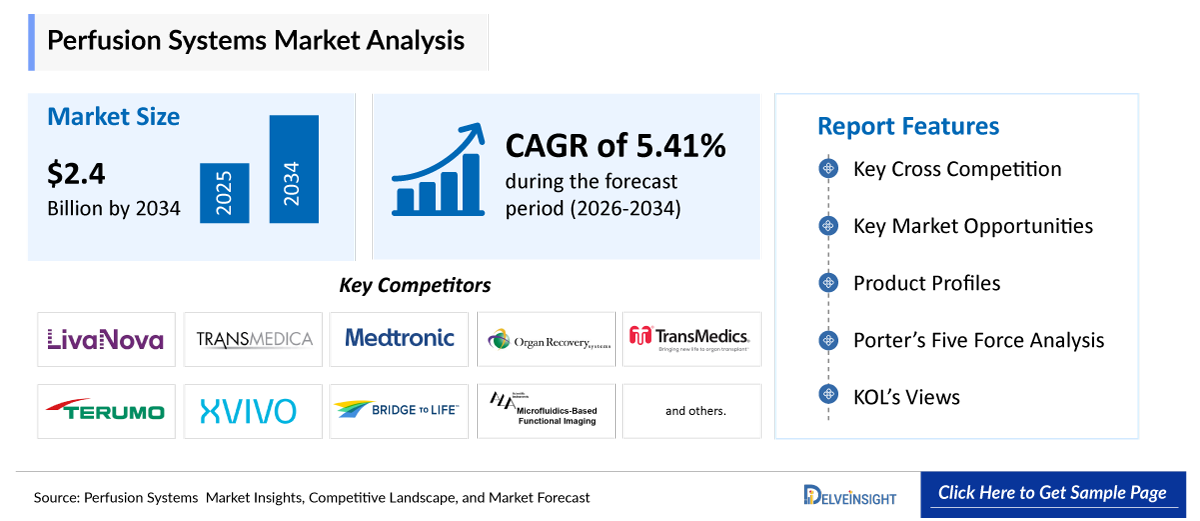
- The Global Perfusion Systems Market Size is expected to increase from USD 1,528.52 million in 2025 to USD 2,443.52 million by 2034, reflecting strong and sustained growth.
- The Global Perfusion Systems Market is growing at a CAGR of 5.41% during the forecast period from 2026 to 2034.
Perfusion Systems Market Trends & Insights
- The Global Perfusion Systems Market is primarily driven by the rising prevalence of cardiovascular diseases and the increasing volume of cardiac surgeries worldwide. Additionally, the growing incidence of organ failure, particularly kidney, liver, heart, and lung failure, has led to a significant rise in organ transplantation procedures, further boosting demand for advanced perfusion technologies.
- Perfusion Systems also play a critical role in cardiopulmonary bypass during surgery as well as in organ preservation and viability assessment during transplantation. Technological advancements, including automated and integrated monitoring systems, are improving clinical outcomes and operational efficiency. Expanding healthcare infrastructure, rising healthcare expenditure in emerging economies, and increasing awareness of early diagnosis and minimally invasive procedures further contribute to market growth.
- The leading Perfusion Systems Companies such as LivaNova PLC, TransMedica, Inc., Medtronic, Organ Recovery Systems, Inc., Transmedics Inc., Terumo Corporation, XVIVO Perfusion AB, Visionary Medicare Solutions Pvt Ltd., Bridge to Life Ltd., Ala Scientific Instruments Inc., Quantum Technologies, Cytiva, Harvard Apparatus, Pedra Technology Pte Ltd., Getinge AB, Vascular Perfusion Solutions, Inc., Paragonic Technologies, Eurosets S.r.l, Soma Tech Intl, Repligen Corporation, and others.
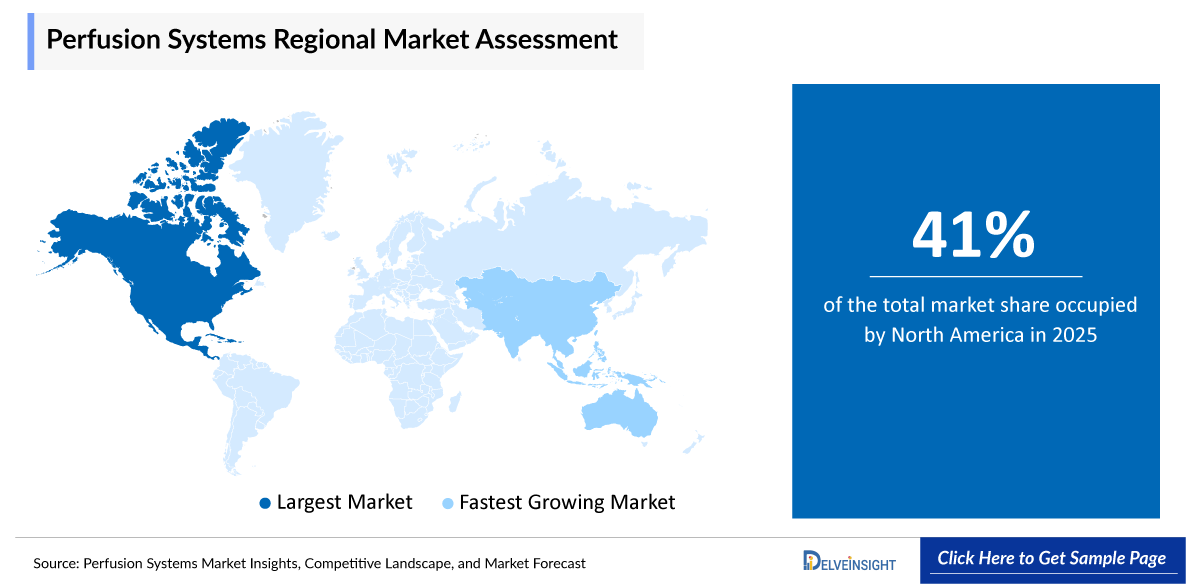
- North America is expected to dominate the overall Perfusion Systems Market due to the rising incidence of organ failure and the increasing number of organ transplantation procedures across the region. The growing burden of chronic diseases, including cardiovascular and respiratory disorders, has significantly increased the demand for advanced life-support and organ preservation technologies, thereby strengthening regional market growth. In addition, the region benefits from well-established healthcare infrastructure, high healthcare expenditure, favorable reimbursement frameworks, and early adoption of innovative medical technologies. Continuous advancements in ex vivo organ preservation systems and perfusion technologies that enhance organ viability and extend preservation time are further supporting market expansion. Collectively, these factors position North America as a leading contributor to the Global Perfusion Systems market.
- In the product type segment of the Perfusion Systems Market, within the system segment, the cardiopulmonary bypass systems category is estimated to account for the largest market share in 2025.
Request for unlocking the report of the @ Perfusion Systems Market
Perfusion Systems Market Size and Forecasts
|
Report Metrics |
Details |
|
2025 Market Size | |
|
2034 Projected Market Size | |
|
Growth Rate (2026-2034) | |
|
Largest Market |
North America |
|
Fastest Growing Market |
Asia-Pacific |
|
Market Structure |
Moderately Concentrated |
Factors Contributing to the Growth of the Perfusion Systems Market
-
Rising incidence of organ failure & transplantation
The increasing prevalence of organ failure, along with the growing number of organ transplant procedures, is a significant factor driving the expansion of the Perfusion Systems market. The rising burden of chronic conditions such as cardiovascular, kidney, liver, and respiratory diseases, largely influenced by an aging population and unhealthy lifestyle habits, has led to a higher number of patients reaching end-stage organ failure and requiring transplantation.
Consequently, the demand for advanced perfusion technologies has grown, as these systems play a crucial role in preserving donor organs, evaluating their function, and extending their viability outside the body. By enabling improved organ assessment, longer preservation times, and better transplant outcomes, Perfusion Systems help reduce organ wastage and enhance overall success rates. As transplant activities continue to increase Globally, the need for reliable and efficient perfusion solutions is expected to remain a strong and sustained driver for market growth.
-
Growing prevalence of cardiovascular and respiratory disorders
The growing prevalence of cardiovascular and respiratory disorders is a significant driver in the Perfusion Systems market, as rising rates of Heart Disease, Hypertension, Chronic Obstructive Pulmonary Disease, and other related conditions have increased demand for advanced diagnostic and therapeutic procedures. Perfusion Systems used in cardiac surgery, extracorporeal life support, and organ preservation are essential in managing patients with severe cardiovascular and respiratory dysfunction.
As the Global population ages and lifestyle-associated risk factors such as Obesity, Diabetes, and smoking continue to climb, healthcare providers are performing more complex surgical interventions and long-term support therapies. This trend is prompting hospitals and surgical centers to invest in cutting-edge perfusion technology that enhances patient outcomes, ensures efficient management of blood flow and gas exchange during procedures, and supports recovery in critical care settings. Consequently, the surge in cases of cardiovascular and respiratory diseases is propelling innovation and adoption within the Perfusion Systems market, shaping both clinical practice and equipment procurement strategies.
-
Increasing technological advancements in ex vivo organ preservation
A key factor driving the growth of the ex vivo organ preservation and Perfusion Systems market is the continuous advancement in organ preservation technologies. Developments such as normothermic and hypothermic machine perfusion, integration of advanced sensors, and AI-enabled monitoring systems are significantly improving the survival time and functional quality of donor organs outside the body. Compared to conventional static cold storage, these advanced techniques better replicate physiological conditions, minimize ischemic damage, and enable real-time evaluation of organ performance, thereby increasing the pool of viable organs and enhancing transplant success rates.
In addition, the development of portable Perfusion Systems and improved perfusion solutions is extending preservation time and facilitating long-distance organ transportation. Ongoing research and innovation are resulting in more efficient, reliable, and user-friendly systems, encouraging greater adoption among hospitals and transplant centers and ultimately fueling market growth.
Perfusion Systems Market Report Segmentation
This Perfusion Systems market report offers a comprehensive overview of the Global Perfusion Systems market, highlighting key trends, growth drivers, challenges, and opportunities. It covers detailed market segmentation by Product Type (System {Cardiopulmonary Bypass Perfusion Systems, Extracorporeal Membrane Oxygenation (ECMO) System, Organ Perfusion Systems [Hypothermic Perfusion Systems and Normothermic Perfusion system]}, Component {Oxygenator, Reservoir, Centrifugal Pumps, and Others}, and Consumables & Accessories), Application (Cardiac Surgery, Organ Preservation, Respiratory Support, and Others), End-Users (Hospitals, Transplant Centers, and Others), and Geography.
The report provides valuable insights into the competitive landscape, regulatory environment, and market dynamics across major markets, including North America, Europe, and Asia-Pacific. Featuring in-depth profiles of leading industry players and recent product innovations, this report equips businesses with essential data to identify market potential, develop strategic plans, and capitalize on emerging opportunities in the rapidly growing Perfusion Systems market.
A perfusion system is a medical device or integrated setup designed to circulate blood or specialized perfusion fluids through organs, tissues, or the entire body to maintain oxygenation and nutrient delivery while removing waste products. It is commonly used during complex surgical procedures, such as cardiac surgery, organ transplantation, and extracorporeal life support, where it temporarily replaces or supports the natural function of the heart and lungs.
The Global Perfusion Systems Market is primarily driven by the rising prevalence of cardiovascular diseases and the increasing volume of cardiac surgeries worldwide. The growing burden of conditions such as coronary artery disease, heart failure, and congenital heart defects has significantly increased the need for cardiopulmonary bypass procedures, where Perfusion Systems play a critical role in maintaining systemic circulation and oxygenation during surgery.
Additionally, the increasing cases of organ failure, particularly kidney, liver, heart, and lung failure, have led to a notable rise in organ transplantation procedures, thereby boosting demand for advanced perfusion and organ preservation technologies. Modern Perfusion Systems enable improved organ viability assessment, extended preservation time, and better post-transplant outcomes, which further encourage adoption across transplant centers Globally. Technological advancements, including automated perfusion pumps, real-time monitoring systems, and integrated data management platforms, are enhancing procedural accuracy, patient safety, and operational efficiency in operating rooms and transplant facilities. The integration of minimally invasive surgical techniques and extracorporeal life support (ECLS) systems is also expanding the application scope of perfusion technologies beyond traditional cardiac surgeries.
Furthermore, expanding healthcare infrastructure, increasing healthcare expenditure in emerging economies, and improved reimbursement frameworks in developed regions are supporting market penetration. Rising awareness regarding early diagnosis and timely surgical intervention, along with ongoing research and product innovation by key market players, is expected to sustain long-term growth of the Global Perfusion Systems Market.
Get More Insights into the Report @ Perfusion Systems Market
What are the latest Perfusion Systems Market Dynamics and Trends?
The Global Perfusion Systems Market has expanded steadily, driven by the rising burden of organ failure and the increasing volume of transplantation procedures worldwide. The growing prevalence of cardiovascular and respiratory disorders has further strengthened demand, as perfusion technologies are integral to both organ preservation and cardiopulmonary support during complex surgical interventions.
Data from the Institute for Health Metrics and Evaluation (2025) indicate that approximately 4.59 million individuals Globally required kidney replacement therapy in 2023. The progression of chronic kidney disease to End-stage Renal Disease (ESRD) has increased kidney transplant volumes, directly elevating the need for advanced organ preservation solutions. Technologies such as hypothermic and normothermic machine perfusion improve graft viability, extend preservation time, and enhance post-transplant outcomes compared with conventional static cold storage. Moreover, the rising prevalence of diabetes and hypertension, key risk factors for kidney failure, continues to expand the transplant-eligible population, reinforcing demand for innovative Perfusion Systems.
Cardiovascular diseases remain another major growth driver. In 2023, cardiovascular conditions accounted for approximately 437 million disability-adjusted life years (DALYs) Globally, underscoring their significant clinical burden. The increasing incidence of coronary artery disease, heart failure, and valvular disorders has led to higher procedural volumes for coronary artery bypass grafting (CABG) and valve replacement surgeries. Perfusion Systems are essential in these procedures to maintain systemic circulation and oxygenation, making them indispensable in cardiac operating rooms. Concurrently, hospitals are investing in technologically advanced perfusion platforms to improve procedural safety, monitoring accuracy, and surgical outcomes.
Ongoing product innovation further supports market expansion. For example, in January 2026, Bridge to Life Ltd. received U.S. FDA De Novo clearance for its VitaSmart™ Hypothermic Oxygenated Perfusion (HOPE) System, marking the first device cleared in the United States for hypothermic oxygenated perfusion of donor livers. Such regulatory milestones reflect increasing clinical acceptance and technological maturation within the organ preservation segment.
Despite these growth drivers, the market faces notable constraints. Perfusion procedures carry risks including thrombosis, hemolysis, air embolism, infection, and inflammatory complications, necessitating skilled perfusionists, continuous monitoring, and robust safety mechanisms. These requirements increase operational complexity and overall costs. In addition, stringent regulatory pathways demand extensive clinical validation, rigorous testing, and strict compliance with quality standards. Lengthy approval timelines and high development costs may delay commercialization and restrict new market entrants, thereby moderating overall market growth during the forecast period from 2026 to 2034.
Perfusion Systems Market Segment Analysis
Perfusion Systems Market by Product Type (System {Cardiopulmonary Bypass Perfusion Systems, Extracorporeal Membrane Oxygenation (ECMO) System, Organ Perfusion Systems [Hypothermic Perfusion Systems and Normothermic Perfusion system]} Component {Oxygenator, Reservoir, Centrifugal Pumps, and Others} Consumables & Accessories), Application (Cardiac Surgery, Organ Preservation, Respiratory Support, and Others), End-Users (Hospitals, Transplant Centers, and Others), and Geography (North America, Europe, Asia-Pacific, and Rest of the World).
By Product Type: Under the systems segment, cardiopulmonary bypass Perfusion Systems are projected to account for the highest revenue share in the Global market.
Within the product type segmentation of the Perfusion Systems market, Cardiopulmonary Bypass (CPB) Perfusion Systems are projected to hold the largest revenue share, accounting for an estimated 43% of the market in 2025. Their dominance is primarily attributed to the high and consistent volume of open-heart and complex cardiac surgeries performed Globally.
A CPB perfusion system temporarily replaces the function of the heart and lungs during surgery by circulating and oxygenating blood extracorporeally through a heart-lung machine. The system comprises a blood pump, oxygenator, tubing circuits, reservoirs, filters, and integrated monitoring units that regulate temperature, pressure, and flow dynamics. This controlled extracorporeal circulation enables surgeons to operate on a motionless and bloodless heart, significantly enhancing procedural precision.
The demand for CPB systems is closely linked to the rising prevalence of cardiovascular diseases and the growing number of procedures such as coronary artery bypass grafting (CABG), valve repair and replacement, correction of congenital heart defects, and heart transplantation. As cardiac surgery volumes increase, particularly in aging populations and emerging economies, the installed base and replacement demand for advanced heart-lung machines continue to expand.
Technological advancements are further strengthening segment growth. Modern CPB platforms incorporate automated control systems, real-time hemodynamic monitoring, improved biocompatible materials, and data integration capabilities that enhance patient safety and clinical outcomes. For example, in August 2025, LivaNova PLC initiated the commercial launch of its Essenz™ Perfusion System in China, its second-largest market for heart-lung machines after the United States. Such expansions underscore the strategic importance of CPB systems in key Global markets.
Collectively, the high procedural dependency, technological innovation, expanding cardiac surgery volumes, and continued product commercialization are expected to enable the cardiopulmonary bypass Perfusion Systems segment to maintain substantial growth and revenue leadership throughout the forecast period.
By Application: Cardiac Surgery Category Dominates the Market
The cardiac surgery segment leads the Perfusion Systems market, driven by the consistently high volume of open-heart and complex cardiovascular procedures performed worldwide. Perfusion Systems are indispensable in surgeries such as coronary artery bypass grafting (CABG), valve repair or replacement, correction of congenital heart defects, and heart transplantation, where cardiopulmonary bypass is required to maintain systemic circulation and oxygenation.
The increasing prevalence of cardiovascular diseases, including coronary artery disease, valvular disorders, and heart failure, has significantly expanded surgical caseloads, directly elevating demand for advanced perfusion platforms. Aging populations, improved diagnostic capabilities, and broader access to cardiac care in emerging economies are further contributing to procedural growth.
Moreover, ongoing technological advancements in heart-lung machines, oxygenators, biocompatible circuits, and integrated real-time monitoring systems have enhanced procedural safety, hemodynamic stability, and postoperative outcomes. These innovations, combined with the critical role of Perfusion Systems in ensuring surgical success, continue to reinforce the dominance of the cardiac surgery segment within the overall Perfusion Systems market.
By End-Users: Hospitals Category Dominates the Market
The hospital segment holds the largest share of the Perfusion Systems market, as the majority of cardiac surgeries, organ transplants, and extracorporeal life support procedures are performed in hospital-based settings. Tertiary and quaternary care hospitals are equipped with advanced operating rooms, dedicated cardiac surgery units, transplant centers, and intensive care units (ICUs), all of which are essential for managing complex procedures requiring continuous perfusion support.
Hospitals maintain comprehensive infrastructure, including heart-lung machines, oxygenators, real-time hemodynamic monitoring systems, and emergency response capabilities, supported by specialized cardiac surgeons, anesthesiologists, and certified perfusionists. This integrated clinical ecosystem positions hospitals as the primary end users and purchasers of Perfusion Systems.
The segment’s dominance is further reinforced by rising volumes of coronary artery bypass grafting (CABG), valve replacement surgeries, organ transplantation, and extracorporeal membrane oxygenation (ECMO) therapies. Increasing healthcare investments, expansion of transplant programs, and the establishment of advanced cardiac care centers in emerging economies are also strengthening hospital procurement of next-generation perfusion technologies.
Collectively, high procedural concentration, infrastructure readiness, skilled workforce availability, and sustained capital expenditure on advanced surgical equipment continue to solidify the leadership of the hospital segment within the Global Perfusion Systems market.
Perfusion Systems Market Regional Analysis
North America Perfusion Systems Market Trends
North America is expected to account for the highest proportion of 41% of the Perfusion Systems market in 2025, out of all regions. This dominance is driven by the rising incidence of organ failure and transplantation procedures, the growing prevalence of cardiovascular and respiratory disorders, and continuous technological advancements in ex-vivo organ preservation systems.
According to the American Kidney Fund (2025), an estimated 35.5 million Americans were living with kidney disease, and approximately 815,000 individuals were living with kidney failure in the United States. Patients with end-stage renal disease (ESRD) often require complex surgical procedures such as kidney transplantation, where organ preservation and perfusion technologies play a critical role in maintaining organ viability before implantation. The increasing number of transplant procedures has driven demand for hypothermic and normothermic machine Perfusion Systems, which enhance graft survival and improve clinical outcomes, thereby contributing to the growth of the Perfusion Systems market.
Moreover, according to the Heart Failure Society of America (2025), approximately 6.7 million Americans over the age of 20 had heart failure, and the prevalence was projected to rise to 8.7 million by 2030, 10.3 million by 2040, and 11.4 million by 2050. Severe heart failure often necessitates interventions such as coronary artery bypass grafting (CABG), heart valve repair or replacement, ventricular assist device (VAD) implantation, and heart transplantation. These procedures rely extensively on cardiopulmonary bypass and extracorporeal Perfusion Systems to maintain blood circulation and oxygenation during surgery. The increasing Global prevalence of heart failure, particularly among the aging population, has resulted in a rise in cardiac surgical procedures, thereby driving demand for heart-lung machines, oxygenators, and advanced perfusion monitoring systems.
This growing procedural volume is consequently propelling the expansion of the Perfusion Systems market. However, the increase in product development activities is further boosting the overall market ofcardiac monitoring devices. For instance, in September 2025, OrganOx Ltd., the organ technology company focused on addressing complex transplant challenges, announced that its metra® normothermic machine perfusion (NMP) device had received approval from the U.S. Food and Drug Administration (FDA) for operation during air transport.
Thus, all the above-mentioned factors are anticipated to propel the market for Perfusion Systems in North America during the forecast period.
Europe Perfusion Systems Market Trends
In Europe, the Perfusion Systems market is growing due to rising organ failure cases, increasing transplantation procedures, and the prevalence of cardiovascular and respiratory diseases. Ongoing innovations in ex vivo organ preservation, improving organ viability and extending preservation time, are further driving market expansion.
According to the GBD 2023 Study published in The Lancet Global Health (2025), the age-standardised prevalence of kidney failure with replacement therapy (KFRT) in Central Europe was 54.4 per 100,000 population in 2023 (95% uncertainty interval: 51.4–58.1), corresponding to approximately 99,300 prevalent cases (95% UI: 93,800–106,000) in the region. The increasing prevalence of kidney failure is contributing to the expansion of the Perfusion Systems market, as a growing number of end-stage renal disease (ESRD) cases drives demand for kidney transplantation. Advanced machine perfusion technologies, including hypothermic and normothermic systems, play a crucial role in preserving donor kidney viability, extending preservation time, and minimizing post-transplant complications. Their ability to improve graft function and clinical outcomes is encouraging broader adoption, thereby supporting sustained growth in the Perfusion Systems market.
According to the GBD 2023 Study published in The Lancet Global Health (2025), the age-standardised prevalence of kidney failure with replacement therapy (KFRT) in Central Europe was 54.4 per 100,000 population in 2023 (95% uncertainty interval: 51.4–58.1), corresponding to approximately 99,300 prevalent cases (95% UI: 93,800–106,000) in the region. The increasing prevalence of cardiovascular disease (CVD) is driving growth in the Perfusion Systems market. As coronary artery disease, heart failure, and valvular disorders become more common, the demand for cardiac surgeries, such as CABG and valve replacements, rises, boosting the need for perfusion devices.
However, the increase in product development activities is further boosting the overall market of Perfusion Systems. For instance, in February 2023, LivaNova PLC initiated the limited commercial release of the Essenz Perfusion Systems in Europe for cardiopulmonary bypass procedures. Hence, all the factors mentioned above are expected to drive the market for Perfusion Systems in Europe during the forecast period.
Asia-Pacific Perfusion Systems Market Trends
In the Asia Pacific, the Perfusion Systems market is growing due to rising organ failure, increased transplantation procedures, and higher prevalence of cardiovascular and respiratory diseases, with advances in ex vivo organ preservation further boosting growth.
According to the GBD 2023 analysis published in The Lancet Regional Health – Western Pacific (2025), China had approximately 156.15 million (95% UI: 146.77–167.88) people living with chronic kidney disease in 2023, reflecting a substantial national disease burden. This highlights a significant public health burden, reflecting the high prevalence of kidney-related disorders in the country and the growing demand for advanced treatments, including dialysis and organ transplantation, which in turn drives the need for perfusion and organ preservation technologies. Chronic kidney disease (CKD) is driving growth in the Perfusion Systems market, as many patients progress to end-stage renal disease requiring kidney transplantation.
Ex-vivo Perfusion Systems preserve donor kidneys by ensuring oxygenation, nutrient delivery, and waste removal, reducing ischemic injury and improving transplant outcomes. The rising prevalence of CKD, especially in countries like China and the U.S., is increasing transplantation demand and adoption of advanced perfusion technologies. Innovations such as normothermic and hypothermic perfusion, portable systems, and AI-driven monitoring further enhance organ assessment, extend preservation, and optimize kidney utilization, making CKD a key factor fueling market growth.
According to the World Economic Forum (2025), heart failure affected nearly 32 million people in the Asia Pacific region. The rising prevalence of heart failure is fueling growth in the Perfusion Systems market, as more patients require complex cardiac procedures. Advanced surgeries such as coronary artery bypass grafting (CABG), valve repair or replacement, heart transplantation, and mechanical circulatory support rely on Perfusion Systems to sustain blood circulation and oxygenation during operations, thereby increasing market demand. However, the increase in product development activities is further boosting the overall Perfusion Systems Market. For instance, in August 2025, LivaNova PLC announced that it had initiated the commercial launch of the Essenz™ Perfusion Systems in China, the company’s second-largest market for heart-lung machines (HLMs) after the United States.
Thus, the factors mentioned above are expected to boost the Perfusion Systems Market across the Asia-Pacific region.
Who are the major players in the Perfusion Systems Market?
The following are the leading companies in the Perfusion Systems market. These companies collectively hold the largest market share and dictate industry trends.
- Medtronic
- Terumo Corporation
- Gettinge AB
- Organ Recovery Systems, Inc
- TransMedics, Inc.
- LivaNova PLC
- Visionary Medicare Solutions Pvt Ltd.
- Nipro
- XVIVO Perfusion AB
- Bridge to Life Ltd.
- Repligen Corporation
- Ala Scientific Instruments, Inc
- Quantum Technologies
- Harvard Apparatus
- Cytiva
- Pedra Technology Pte Ltd
- Vascular Perfusion Solutions, Inc.
- Delcath Systems, Inc
- Eurosets S.r.l.
- Soma Tech Intl
- Others
How is the competitive landscape shaping the Perfusion Systems market?
The competitive landscape of the Perfusion Systems Market is shaped by the presence of several well-established medical device manufacturers alongside innovative new players, all striving to enhance system performance, reliability, and clinical outcomes. Key companies are focusing on product innovation through the development of advanced features such as improved oxygenators, integrated monitoring technologies, data-driven perfusion management, and more compact, user-friendly designs. Strategic initiatives such as partnerships with hospitals, regional expansion, acquisitions, and regulatory approvals in new markets are also common, helping companies broaden their customer base and strengthen their Global presence.
Competition is further driven by rising demand for technologically advanced systems that support a range of clinical applications, from cardiac surgery to organ preservation and extracorporeal support. As a result, manufacturers are investing heavily in research and development to differentiate their offerings, reduce procedure times, enhance safety, and improve patient outcomes. This dynamic environment encourages continuous improvement and accelerates the adoption of perfusion technologies in healthcare settings worldwide.
Perfusion Systems Market Recent Breakthroughs and Developments
- In January 2026, Bridge to Life Ltd. secured U.S. Food and Drug Administration (FDA) De Novo clearance for its VitaSmart™ Hypothermic Oxygenated Perfusion (HOPE) System, becoming the first device cleared in the United States for hypothermic oxygenated perfusion of donor livers.
- In September 2025, OrganOx Ltd., the organ technology company focused on addressing complex transplant challenges, announced that its metra® normothermic machine perfusion (NMP) device had received approval from the U.S. Food and Drug Administration (FDA) for operation during air transport.
- In October 2024, Paragonix Technologies received U.S. Food and Drug Administration (FDA) 510(k) clearance for its donor kidney preservation system, KidneyVault. The KidneyVault System was Paragonix’s first perfusion device, integrating its streamlined digital monitoring capabilities with portable hypothermic perfusion technology to protect donor kidneys during transport and expand the donor pool.
- In May 2024, Terumo Cardiovascular, a Global leader in cardiovascular surgery technologies, announced that the U.S. Food and Drug Administration (FDA) had granted 510(k) clearance for the CDI OneView Monitoring System. The next-generation CDI Systems platform provided visibility of key patient parameters during cardiopulmonary bypass surgery, which was critical to perfusion safety and improving patient outcomes.
- In August 2023, LivaNova PLC announced that it had received U.S. Food and Drug Administration (FDA) 510(k) clearance and CE Mark approval for its Essenz™ In-Line Blood Monitor (ILBM), which provided accurate and continuous measurement of essential blood parameters to perfusionists throughout cardiopulmonary bypass (CPB) procedures.
- In March 2023, LivaNova PLC, a market-leading medical technology and innovation company, announced that it had received U.S. Food and Drug Administration (FDA) 510(k) clearance for its Essenz™ Heart-Lung Machine (HLM).
|
Report Metrics |
Details |
|
Study Period |
2023 to 2034 |
|
Base Year |
2025 |
|
Forecast Period |
2026 to 2034 |
|
Perfusion Systems Market CAGR |
5.41% |
|
Perfusion Systems Companies |
LivaNova PLC, TransMedica, Inc., Medtronic, Organ Recovery Systems, Inc., Transmedics Inc., Terumo Corporation, XVIVO Perfusion AB, Visionary Medicare Solutions Pvt Ltd., Bridge to Life Ltd., Ala Scientific Instruments Inc., Quantum Technologies, Cytiva, Harvard Apparatus, Pedra Technology Pte Ltd., Getinge AB, Vascular Perfusion Solutions, Inc., Paragonic Technologies, Eurosets S.r.l, Soma Tech Intl, Repligen Corporation, and others. |
|
Perfusion Systems Market Segments |
by Product Type, by Application, by End-Users, and by Geography |
|
Perfusion Systems Regional Scope |
North America, Europe, Asia Pacific, Middle East, Africa, and South America |
|
Perfusion Systems Country Scope |
U.S., Canada, Mexico, Germany, United Kingdom, France, Italy, Spain, China, Japan, India, Australia, South Korea, and key Countries |
Perfusion Systems Market Segmentation
- Perfusion Systems by Product Type Exposure
- System
- Cardiopulmonary Bypass Perfusion Systems
- Extracorporeal Membrane Oxygenation (ECMO) System
- Organ Perfusion Systems
- Hypothermic Perfusion Systems
- Normothermic Perfusion Systems
- Component
- Oxygenator
- Reservoir
- Centrifugal Pumps
- Others
- Consumables & Accessories
- Perfusion Systems Application Exposure
- Cardiac Surgery
- Organ Preservation
- Respiratory Support
- Others
- Perfusion Systems End-Users Exposure
- Hospitals
- Transplant Centers
- Others
- Perfusion Systems Geography Exposure
- United States Perfusion Systems Market
- Canada Perfusion Systems Market
- Mexico Perfusion Systems Market
- United Kingdom Perfusion Systems Market
- Germany Perfusion Systems Market
- France Perfusion Systems Market
- Italy Perfusion Systems Market
- Spain Perfusion Systems Market
- Rest of Europe Perfusion Systems Market
- China Perfusion Systems Market
- Japan Perfusion Systems Market
- India Perfusion Systems Market
- Australia Perfusion Systems Market
- South Korea Perfusion Systems Market
- Rest of Asia-Pacific Perfusion Systems Market
- South America Perfusion Systems Market
- Middle East Perfusion Systems Market
- Africa Perfusion Systems Market
- North America Perfusion Systems Market
- Europe Perfusion Systems Market
- Asia-Pacific Perfusion Systems Market
- Rest of the World Perfusion Systems Market
Perfusion Systems Market Recent Industry Trends and Milestones (2022-2026)
|
Category |
Key Developments |
|
Perfusion Systems Product Approvals |
Paragonix Technologies - KidneyVault Portable Renal Perfusion Systems (FDA), Terumo Corporation - CDI OneView™ Monitoring System (FDA), LivaNova PLC - Essenz Heart-Lung Machine (FDA), LivaNova PLC - Essenz In-Line Blood Monitor (FDA and CE mark), Terumo Corporation- OrganOx Metra (FDA), Bridge to Life -VitaSmart™ Hypothermic Oxygenated Perfusion (HOPE) System (FDA). |
|
Acquisition in the Perfusion Systems Market |
Getinge AB acquired Delcath Systems, Inc, and Terumo Corporation acquired OrganOx. |
|
Company Strategy |
Medtronic- Focuses on developing advanced medical technologies, expanding its Global footprint, and enhancing patient outcomes. It invests strongly in research and development, pursues strategic partnerships and acquisitions to strengthen its portfolio, and promotes value-based healthcare solutions to improve quality while reducing costs. Terumo Corporation- Focuses on long-term growth through innovation, digital transformation, and expanded healthcare solutions. Through its GS26 strategy, the company is moving from a product-based approach to providing integrated healthcare solutions that address broader clinical needs. It is strengthening core businesses, investing in digital and connected care technologies, and developing combined device-pharmaceutical platforms. |
|
Emerging Technology |
Automated Perfusion & AI Integration, Ex-Vivo Organ Preservation Systems, Microfluidic Cell Perfusion, Normothermic Machine Perfusion (NMP), Microfluidic Cell Perfusion. |
Impact Analysis
AI-Powered Innovations and Applications:
AI-powered innovations are having a significant impact on the Perfusion Systems market by enhancing precision, efficiency, and patient outcomes. By integrating artificial intelligence with perfusion devices, manufacturers are enabling real-time data analysis, predictive modeling, and automated adjustments during procedures, which help clinicians make faster and more informed decisions. AI algorithms can continuously monitor physiological parameters, detect anomalies early, and optimize flow rates, oxygenation, and temperature settings tailored to individual patient needs. These capabilities reduce the risk of complications, improve the stability of cardiopulmonary support, and contribute to better surgical outcomes. Additionally, AI-driven software tools support training, performance benchmarking, and decision support for perfusionists and surgical teams. Overall, the incorporation of AI technologies is accelerating market growth, driving higher adoption of advanced Perfusion Systems, and setting new standards for personalized, data-centric care in cardiac surgery and organ support applications.
U.S. Tariff Impact Analysis on Perfusion Systems Market:
The impact of U.S. tariffs on the Perfusion Systems market has introduced challenges for manufacturers, suppliers, and healthcare providers by increasing the cost of imported components and finished products. Many Perfusion Systems rely on specialized parts and technologies sourced from Global suppliers, and higher tariff barriers can raise production costs, reduce profit margins, and potentially delay product development or market entry strategies. These increased costs may be passed on to end users, such as hospitals and surgical centers, leading to budget constraints or slower adoption of advanced perfusion technologies.
However, tariffs can also encourage domestic production and supply chain diversification, prompting some companies to localize manufacturing or source more components within the United States to mitigate cost pressures. Overall, while tariff policies have created short-term cost and operational challenges, they may also stimulate long-term investments in local manufacturing infrastructure and supply chain resilience within the Perfusion Systems market.
How This Analysis Helps Clients
- Cost Management: By understanding the tariff landscape, clients can anticipate cost increases and adjust pricing strategies accordingly, ensuring profitability.
- Supply Chain Optimization: Clients can identify alternative sourcing options and diversify their supply chains to reduce dependency on high-tariff regions, enhancing resilience.
- Regulatory Navigation: Expert guidance on navigating the evolving regulatory environment helps clients maintain compliance and avoid potential legal challenges.
- Strategic Planning: Insights into tariff impacts enable clients to make informed decisions about manufacturing locations, partnerships, and market entry strategies.
Startup Funding & Investment Trends
|
Company Name |
Total Funding |
Main Products |
Stage of Development |
Core Technology |
|
Visionary Medicare Solutions Pvt Ltd. Ltd. |
$142 million |
Metra® Platform Technology |
- |
used to preserve and assess donor livers in a metabolically active state outside the body for transplantation, reducing liver discards. |
|
Northernmost |
$2.7 million |
NoMo™ Kidney Pump |
Seed Round |
uses portable Normothermic Machine Perfusion (NMP) as its core technology to modernize the preservation and transport of donor kidneys. |
Key Takeaways from the Perfusion Systems Market Report Study
- Market size analysis for the current Perfusion Systems market size (2025), and market forecast for 8 years (2026 to 2034)
- Top key product/technology developments, mergers, acquisitions, partnerships, and joint ventures happened over the last 3 years.
- Key companies dominating the Perfusion Systems market.
- Various opportunities available for the other competitors in the Perfusion Systems market space.
- What are the top-performing segments in 2025? How these segments will perform in 2034?
- Which are the top-performing regions and countries in the current Perfusion Systems market scenario?
- Which are the regions and countries where companies should have concentrated on opportunities for the Perfusion Systems market growth in the future?
Stay updated with us for Recent Articles @ New DelveInsight Blogs

