
Cerebrospinal Fluid Management Market Summary
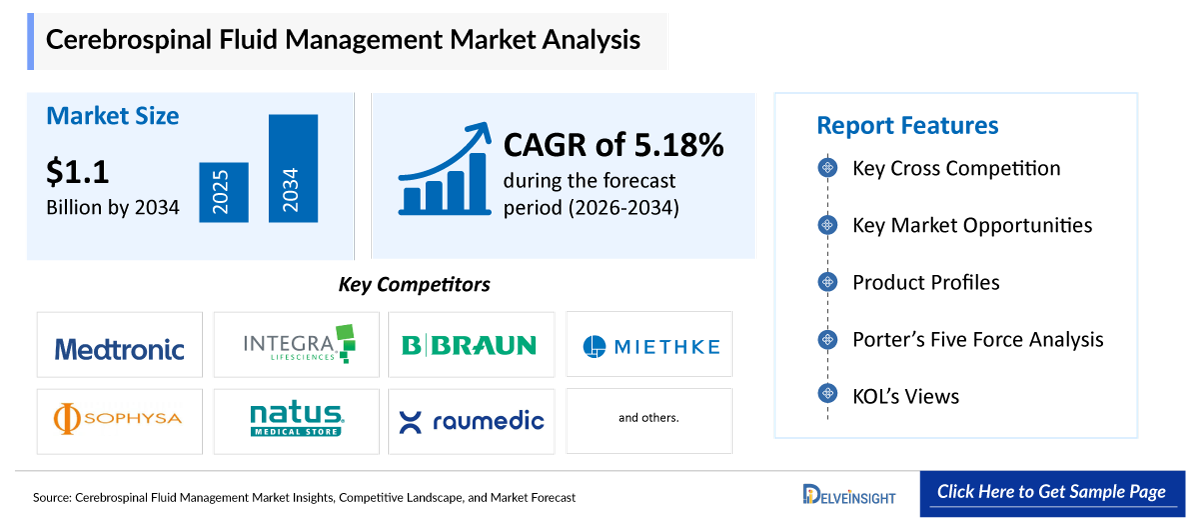
- The global cerebrospinal fluid management market size was valued at USD 705.94 million in 2025 and is projected to reach USD 1,112.15 million by 2034.
- The market is expected to expand at a CAGR of 5.18% during the forecast period 2026-2034, supported by the rising incidence of neurological and cerebrospinal disorders, a growing number of trauma and accident cases globally, and an increased focus on innovative product development.
- By product type, the CSF shunts and valves segment dominated the cerebrospinal fluid management market with a 60% share in 2025.
- By age group, the adults segment dominated the cerebrospinal fluid management market with a 78% share in 2025.
- By end-user, the hospitals segment dominated the cerebrospinal fluid management market with a 70% share in 2025.
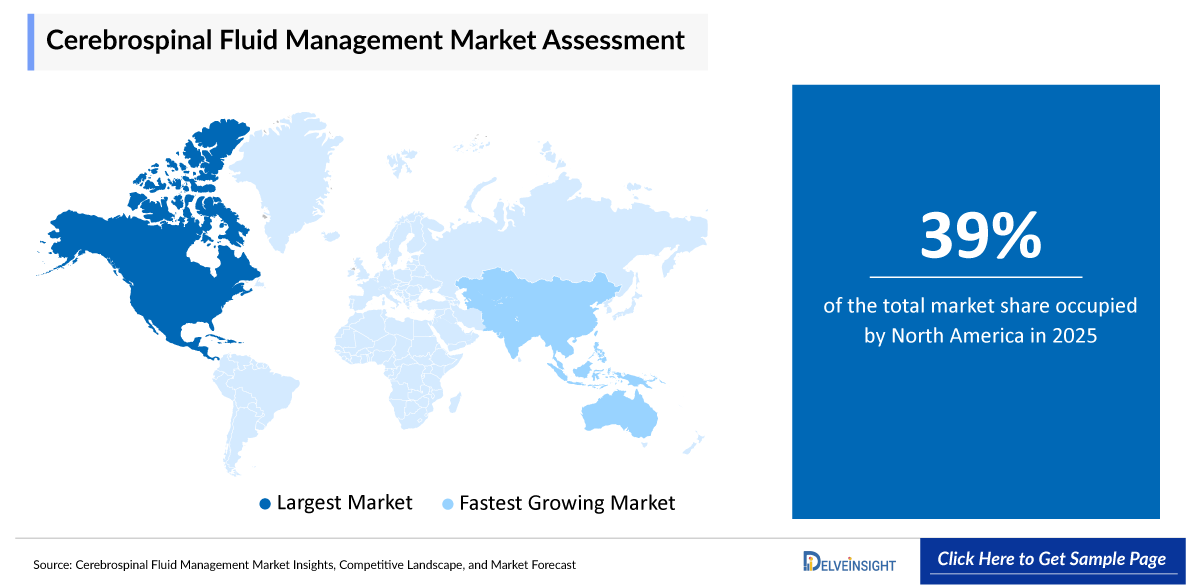
- North America accounted for the largest share of the cerebrospinal fluid management market at 39% in 2025, while Asia-Pacific is anticipated to register the fastest growth through 2034.
Cerebrospinal fluid management refers to the range of medical procedures, devices, and technologies used to regulate the production, flow, and drainage of cerebrospinal fluid in patients with neurological conditions. It plays a critical role in treating disorders such as hydrocephalus, traumatic brain injury, intracranial hemorrhage, infections, and other conditions that cause abnormal fluid accumulation or pressure imbalance, and it involves the use of shunts, valves, external ventricular drains, and monitoring systems to maintain optimal intracranial pressure, prevent complications, and support brain and spinal cord health. The market is organized by the device categories that deliver this function. CSF shunts and valves provide the definitive long-term solution, diverting fluid from the ventricles to an absorptive compartment through an implanted catheter system whose flow is governed by a valve, increasingly of programmable design that permits non-invasive pressure adjustment.
External drainage systems provide temporary diversion and monitoring in the acute setting, comprising drainage and monitoring systems, drainage-specific systems, and the ventricular and lumbar catheters through which fluid is withdrawn. Anti-siphon devices counter the excess drainage that occurs when a patient stands upright, a principal cause of shunt complication. Underpinning these are the intracranial pressure monitoring technologies that guide their use. The contemporary market is defined by the shift toward programmable and telemetric shunt systems, the integration of artificial intelligence into pressure monitoring and malfunction prediction, infection-resistant materials, and the extension of these technologies from hydrocephalus into broader neurocritical care.
Cerebrospinal Fluid Management Market Key Growth Drivers
- Rising instances of neurological and cerebrospinal disorders, including hydrocephalus, meningitis, Parkinson's disease, and multiple sclerosis, that produce abnormalities in cerebrospinal fluid production or flow.
- A growing number of trauma and accident cases globally, with DelveInsight reporting that brain injuries account for almost one million hospital admissions annually within the European Union and that motor vehicle crashes contribute 50% of traumatic brain injuries.
- A high burden of traumatic brain injury in the United States, with DelveInsight reporting over 586 traumatic brain injury-related hospitalizations each day.
- A substantial burden of sports-related injury, estimated by DelveInsight at 310,000 cases each year in the European Union, including some 20,005 linked to winter sports such as skiing and ice-skating.
- A rising prevalence of chronic neurological disease, with DelveInsight reporting that multiple sclerosis affected over 1.82 million people worldwide in 2023.
- A growing population with Parkinson disease, which DelveInsight reports affected almost one million individuals in the United States in 2023 and is projected to rise to 1.21 million by 2030, with some 91,000 new cases diagnosed each year.
- An increased focus on innovative product development, including programmable shunts, anti-siphon and gravitational valves, magnetic resonance compatible designs, telemetric monitoring, and infection-resistant materials.
Key Companies in Cerebrospinal Fluid Management Market
The competitive field is led by established neurosurgical device companies operating broad shunt, valve, and drainage portfolios, complemented by European valve specialists whose programmable and gravitational designs define much of the technical frontier, and challenged by emerging innovators pursuing endovascular shunting, non-invasive pressure monitoring, and flow-restoring devices. The leading participants in the cerebrospinal fluid management market include the following:
- Medtronic plc
- Integra LifeSciences Corporation
- B. Braun Melsungen AG (Aesculap)
- Christoph Miethke GmbH & Co. KG
- Sophysa SA
- Natus Medical Incorporated
- RAUMEDIC AG
- Spiegelberg GmbH & Co. KG
- Anuncia Inc.
- CereVasc Inc., and others
For illustrative purposes, only the top 10 companies are listed in the Table of Contents. The report may include analysis and references to additional companies relevant to the market assessment.
Cerebrospinal Fluid Management Market Size
The following table summarizes the headline market metrics for the global cerebrospinal fluid management market across the base year and the forecast horizon.
|
Report Metrics |
Details |
|
2025 Market Size |
USD 705.94 million |
|
2034 Projected Market Size |
USD 1,112.15 million |
|
Growth Rate (2026-2034) |
5.18% CAGR |
|
Largest Market |
North America (39% share in 2025) |
|
Fastest Growing Market |
Asia-Pacific |
|
Market Structure |
Moderately Consolidated |
All market values are expressed in USD and represent DelveInsight estimates synthesized from primary and secondary research.
Factors Contributing to the Growth of the Cerebrospinal Fluid Management Market
Cerebrospinal Fluid Management Market Drivers
- Rising Instances of Various Neurological Disorders: The foundational driver of the cerebrospinal fluid management market is the increasing prevalence of neurological and cerebrospinal disorders worldwide, which generates the patient population upon which the entire category depends. Conditions such as hydrocephalus, meningitis, Parkinson's disease, multiple sclerosis, and other cerebrospinal complications are becoming more widespread, significantly elevating the need for advanced treatment options, and this escalating disease burden is prompting healthcare providers to adopt innovative management devices and therapies aimed at improving patient outcomes, reducing associated risks, and managing complex neurological conditions more effectively. The chronic disorders in this group generate particularly durable demand because they require long-term regulation and monitoring rather than a single intervention, and DelveInsight reports that multiple sclerosis affected over 1.82 million people worldwide in 2023, a chronic immune-mediated disorder impacting brain and spinal cord function in which cerebrospinal fluid diagnostic and monitoring tools play an essential role. Hydrocephalus remains the defining indication, arising congenitally in infants, following trauma and hemorrhage in adults, and as normal pressure hydrocephalus in the elderly; and because it has no pharmacological treatment, the diagnosis converts directly into device demand. As population’s age and as the neurodegenerative burden rises accordingly, the pool of patients requiring long-term cerebrospinal fluid regulation expands steadily and predictably.
- Growing Number of Trauma and Accident Cases Globally: The rising number of trauma and accident cases worldwide is a powerful driver of the cerebrospinal fluid management market, because head injury is among the most common causes of the acute intracranial pressure elevation that these devices exist to manage. Road traffic accidents, falls, sports injuries, and occupational hazards frequently result in traumatic brain injuries, spinal cord injuries, and other neurological complications requiring effective cerebrospinal fluid management, and as the incidence of such traumatic events continues to rise, there is increasing demand for solutions that prevent complications, support recovery, and improve clinical outcomes. The scale is substantial: DelveInsight reports that brain injuries account for almost one million hospital admissions annually within the European Union, with motor vehicle crashes contributing 50% of traumatic brain injuries, and that sports-related injuries add an estimated 310,000 cases each year, including some 20,005 linked to winter sports such as skiing and ice-skating. In the United States, DelveInsight reports over 586 traumatic brain injury-related hospitalizations each day. Many of these patients experience elevated intracranial pressure or cerebrospinal fluid flow disturbance, necessitating external ventricular drains, shunt systems, or advanced monitoring devices for timely and effective management, and a proportion develop post-traumatic hydrocephalus requiring permanent shunting. This trend is particularly pronounced in regions with high traffic density and industrial activity, where the burden of trauma-related neurological conditions is substantial.
- Increased Focus on Innovative Product Development: An increased focus on innovative product development is significantly shaping the cerebrospinal fluid management market, because the principal limitation of the category has never been demand but the complication rate of the devices themselves. Manufacturers are actively investing in advanced technologies and design improvements to enhance the safety, efficacy, and reliability of shunts, drainage systems, and monitoring devices, and the integration of programmable shunts, anti-siphon features, and infection-resistant materials has reduced complications and improved patient outcomes. Programmable shunts allow neurosurgeons to adjust drainage pressure non-invasively, avoiding the surgical revision that a fixed-pressure valve would require when the initial setting proves unsuitable, while anti-siphon and gravitational valves counter the over-drainage that occurs when a patient stands upright and the under-drainage that follows over-correction, addressing two of the most frequent causes of shunt failure. Magnetic resonance compatibility has become an expectation rather than a differentiator, since patients with these implants require lifelong imaging. The development of minimally invasive procedures and smart monitoring systems reflects a shift toward patient-centric solutions addressing both clinical need and quality-of-life concerns, and this emphasis on innovation not only drives product adoption but fosters competitive differentiation among the leading participants. Because each reduction in revision rate improves the economic case for the device, innovation directly expands the market.
- Aging Population and Rising Normal Pressure Hydrocephalus: Demographic aging is a structural driver of the cerebrospinal fluid management market, because several of the principal indications for shunting are concentrated in later life and the population at greatest risk is growing faster than the population as a whole. Normal pressure hydrocephalus, characterized by the triad of gait disturbance, cognitive decline, and urinary incontinence, occurs predominantly in older adults and is both underdiagnosed and treatable by shunting, so improving recognition converts a previously untreated population directly into device demand. The growing prevalence of neurodegenerative disorders compounds the effect, and DelveInsight reports that Parkinson disease affected almost one million individuals in the United States in 2023 and is projected to rise to 1.21 million by 2030, with some 91,000 new cases diagnosed annually, placing more patients at risk of secondary neurological complications including cerebrospinal fluid abnormalities requiring timely diagnosis and intervention. Older patients are simultaneously more prone to the falls that cause traumatic brain injury and subdural hemorrhage, and more likely to survive stroke and head trauma with sequelae requiring long-term fluid management. Because aging is a slow, predictable, and effectively irreversible trend, and because the conditions it drives require permanent rather than episodic intervention, it provides an unusually stable foundation for long-term growth.
- Expansion into Neurocritical Care beyond Hydrocephalus: The extension of cerebrospinal fluid management technologies beyond hydrocephalus into the wider neurocritical care setting is an important and growing driver of the market, enlarging the addressable population well beyond the classical shunt indication. External ventricular drainage and intracranial pressure monitoring are now standard in the management of severe traumatic brain injury, aneurysmal subarachnoid hemorrhage, intracerebral hemorrhage with ventricular extension, and central nervous system infection, where the objective is not permanent diversion but the temporary control of pressure and the removal of blood or infected fluid during the acute phase. This application generates high device consumption per patient over a short period, since drains and monitoring systems are single-use and frequently replaced, and it recurs with every qualifying admission rather than once per lifetime. Intracranial hypertension of other causes, including idiopathic intracranial hypertension, adds a further population increasingly managed with shunting. The emerging technology trends in the field explicitly reflect this expansion, with growing application of these systems in traumatic brain injury and intracranial hypertension beyond hydrocephalus, and with dedicated external ventricular drain innovation targeting brain swelling and elevated pressure. Because neurocritical care volumes are driven by trauma, stroke, and hemorrhage rather than by the comparatively rare incidence of hydrocephalus, this expansion materially broadens the market.
- Integration of Telemetry, Smart Systems, and Artificial Intelligence: The integration of telemetric monitoring, smart shunt systems, and artificial intelligence is an increasingly important driver of the cerebrospinal fluid management market, addressing the long-standing difficulty of knowing whether an implanted system is functioning correctly. Artificial intelligence is playing an increasingly pivotal role by enhancing diagnostic precision, improving surgical outcomes, and enabling proactive care, and machine learning algorithms can analyze intracranial pressure waveforms to detect early signs of shunt malfunction, infection, or rising pressure, allowing timely intervention that reduces complications. In the surgical setting, artificial-intelligence-supported imaging assists neurosurgeons in achieving more accurate catheter placement, thereby reducing shunt failure and improving long-term outcomes. Beyond the hospital, integration of artificial intelligence with telemetric shunt systems and implantable sensors supports continuous remote monitoring, giving physicians real-time insight into fluid dynamics while reducing the need for frequent follow-up visits, and predictive analytics and digital twin approaches are enabling personalized treatment in which drainage parameters are tailored to individual physiological response. Collectively, these innovations advance patient safety and treatment effectiveness while contributing to cost efficiency by lowering revision rates, reducing hospital stays, and streamlining long-term management. Because revision surgery is the principal cost and morbidity burden of shunting, technologies that predict and prevent it command clear clinical and economic justification.
- Expanding Neurosurgical Capacity in Emerging Markets: The expansion of neurosurgical capacity across emerging markets is a significant driver of the cerebrospinal fluid management market, converting a large and heavily undertreated burden into treated cases. Hydrocephalus is substantially more prevalent in low- and middle-income countries than in the developed world, driven by post-infectious causes following neonatal sepsis and meningitis and by higher rates of neural tube defects, yet the neurosurgical infrastructure to treat it has historically been scarce, so that a considerable proportion of affected children have gone untreated. Governments across Asia-Pacific and other developing regions are investing in hospitals, specialized neurosurgical and trauma care centers, and the training of neurosurgeons, and the rising availability of skilled specialists in major urban hubs is extending access to shunt placement, external drainage, and pressure monitoring. This build-out is accompanied by favorable government initiatives, growing healthcare expenditure, and greater awareness of early diagnosis and treatment, all of which accelerate patient access. Manufacturers are increasingly focusing on these markets through product launches tailored to regional needs, partnerships with local distributors, and clinical collaborations aimed at securing regulatory approvals, while regional and mid-sized participants expand their footprint by offering affordable solutions and strengthening local distribution, improving access in regions with high unmet need, particularly in pediatric hydrocephalus care.
Cerebrospinal Fluid Management Market Restraints
While the cerebrospinal fluid management market offers significant growth opportunity, its expansion is constrained by the inherent risks associated with these devices and by the stringent regulatory environment governing their approval. Shunts and valves, though widely used, are prone to complications including infection, blockage, over-drainage, and mechanical malfunction, which can lead to repeated revision surgeries and increased patient morbidity; the revision burden is the defining clinical and economic problem of the category, since a substantial proportion of implanted systems require reoperation and each revision carries its own risk of infection and further failure. These risks not only heighten safety concerns but reduce physician confidence in adopting newer technologies, since an unfamiliar device that fails imposes consequences on a patient who may be a child facing a lifetime of subsequent interventions. Compounding these challenges are the rigorous regulatory requirements manufacturers must navigate, including lengthy clinical trials, extensive safety evaluations, and prolonged approval timelines; such stringent processes, while essential to ensure patient safety, often delay commercialization, escalate development costs, and create high entry barriers for emerging participants. Additional constraints include the high cost of programmable and telemetric systems relative to conventional fixed-pressure valves, which limits penetration in cost-sensitive markets where the majority of the untreated hydrocephalus burden resides; the shortage of trained neurosurgeons that gates access regardless of device availability, particularly acute in the developing regions carrying the highest disease burden; the availability of endoscopic third ventriculostomy as a shunt-free alternative in appropriately selected patients; and the tariff-driven cost escalation affecting devices that rely on globally sourced precision components, polymers, and electronic sensors, which raises procurement prices for hospitals and may shift reliance toward more conventional devices. Collectively, the combination of device-related risks and strict regulatory hurdles slows innovation, limits the pace of expansion, and restricts wider accessibility of advanced solutions despite their critical role in neurological care.
Cerebrospinal Fluid Management Market Segment Analysis
The global cerebrospinal fluid management market is segmented by product type into CSF shunts and valves, external drainage systems comprising drainage and monitoring systems, drainage-specific systems, and CSF drainage catheters, anti-siphon devices, and others; by age group into adults and pediatric; by end-user into hospitals and specialty clinics; and by geography into North America, Europe, Asia-Pacific, and the Rest of the World.
By Product Type
Dominant Subsegment: CSF Shunts and Valves.
Dominant: CSF Shunts and Valves ~ 60%
The CSF shunts and valves segment accounted for a 60% share of the cerebrospinal fluid management market in 2025. CSF shunts and valves are the dominant product type because they constitute the standard treatment for hydrocephalus, the condition characterized by excessive cerebrospinal fluid accumulation that defines the market. The high prevalence of hydrocephalus, particularly among pediatric and geriatric populations, together with the need for frequent shunt revisions arising from malfunction or infection, ensures consistent and high demand, and while other management devices exist, shunts and valves remain the most common and effective long-term solution. Shunts are highly versatile and can be used in infants, adults, and elderly patients, making them the default intervention across diverse patient groups where alternatives such as endoscopic third ventriculostomy may not be suitable, and the consistently high incidence of congenital hydrocephalus in pediatric populations, post-traumatic hydrocephalus in traumatic brain injury patients, and normal pressure hydrocephalus in the aging population sustains demand. Technological innovation has reinforced this leadership, as programmable shunts allow neurosurgeons to adjust drainage pressure non-invasively while anti-siphon and gravitational valves reduce over-drainage and under-drainage, improving long-term outcomes; dominant products include programmable valve platforms from the leading neurosurgical manufacturers, recognized for reliability, adaptability, and integration with magnetic resonance compatibility and telemetric monitoring. External drainage systems form the second product category, providing temporary diversion and monitoring in the acute setting, and anti-siphon devices constitute a distinct category addressing postural over-drainage. Broad applicability, a strong clinical evidence base, continuous research investment, and wide availability position shunts and valves as the dominant force throughout the forecast period.
By Age Group
Dominant Subsegment: Adults.
Dominant: Adults ~ 78%
The adults segment accounted for a 78% share of the cerebrospinal fluid management market in 2025. The adult category has firmly established itself as the dominant contributor to the cerebrospinal fluid management market, primarily because of the high prevalence of neurological conditions such as normal pressure hydrocephalus, traumatic brain injury, stroke, and neurodegenerative disorders that are more common in adults and the elderly. Unlike pediatric hydrocephalus, which arises primarily from congenital factors, the adult population is increasingly affected by acquired conditions linked to aging, accidents, and comorbidity, and road traffic accidents, workplace injuries, and falls contribute significantly to traumatic brain injury incidence among adults, many of which require intracranial pressure monitoring and cerebrospinal fluid drainage. The rising geriatric population has led to an upsurge in normal pressure hydrocephalus and Alzheimer-related complications, further driving the need for programmable shunt systems and advanced drainage devices. Adults also represent the largest treated demographic because of better diagnosis rates and wider access to healthcare compared with pediatric populations in low- and middle-income countries, where underdiagnosis and limited neurosurgical infrastructure remain challenges, and favorable reimbursement policies, greater awareness of neurological health, and the adoption of advanced technologies such as telemetric shunt systems are more widely established in adult care settings. The pediatric segment remains clinically critical and constitutes the second category, encompassing congenital hydrocephalus, post-hemorrhagic hydrocephalus of prematurity, and post-infectious hydrocephalus, and it carries a disproportionate share of the global untreated burden. Adults are expected to retain their dominant share throughout the forecast period.
By End-User
Dominant Subsegment: Hospitals.
Dominant: Hospitals ~ 70%
The hospitals segment accounted for a 70% share of the cerebrospinal fluid management market in 2025. Hospitals dominate the end-user landscape because they serve as the primary care setting for complex neurological procedures, possessing the specialized infrastructure required, including operating rooms, intensive care units, and advanced neuroimaging equipment. Most cerebrospinal fluid-related conditions, such as hydrocephalus, traumatic brain injury, intracranial hemorrhage, and post-neurosurgical complications, are acute or critical in nature and therefore require immediate intervention in specialized care settings, and hospitals, particularly tertiary and neurosurgical centers, are best equipped with the advanced infrastructure, trained neurosurgeons, and intensive care units necessary for performing shunt placement, external ventricular drainage, and continuous intracranial pressure monitoring. Hospitals act as referral hubs for complex neurological cases and are often the first point of care following accidents, strokes, or pediatric emergencies, further reinforcing their central role. The availability of advanced imaging, including magnetic resonance, computed tomography, and neuronavigation, alongside integrated operating suites, supports the adoption of programmable and telemetric shunt systems that require precise surgical placement and follow-up. Reimbursement policies in many regions are structured to favor hospital-based procedures, encouraging both patients and providers to rely on these facilities for treatment. Specialty clinics form the second end-user category, contributing principally through outpatient follow-up, non-invasive programmable valve adjustment, imaging surveillance, and the long-term management of shunted patients between interventions. Hospitals are expected to retain their dominant share throughout the forecast period, driving the largest share of market revenue.
Cerebrospinal Fluid Management Market Region Analysis
Dominant Region: North America
Dominant: North America ~ 39% (Largest)
North America accounted for a 39% share of the global cerebrospinal fluid management market in 2025. The region is projected to account for the largest share of the global market, driven by the rising incidence of traumatic brain injuries, a growing population with Parkinson disease, significant advancements in product development and regulatory approvals, and the presence of the key market participants in the region. The rising burden of neurological disorders in the United States is directly contributing to growing demand, and DelveInsight reports that the country records over 586 traumatic brain injury-related hospitalizations each day, highlighting the significant clinical need for prompt monitoring and intervention in patients with head trauma; such injuries frequently result in elevated intracranial pressure or cerebrospinal fluid flow disturbance, making shunt systems, external ventricular drains, and advanced pressure monitoring technologies critical for effective management. The growing prevalence of neurodegenerative disorders, particularly Parkinson disease, which DelveInsight reports affected almost one million individuals in 2023 and is projected to rise to 1.21 million by 2030, with some 91,000 new cases diagnosed annually, underscores the increasing healthcare burden associated with aging populations and places more patients at risk of secondary complications, including cerebrospinal fluid abnormalities requiring timely intervention. The region is also the reference market for regulatory advancement, hosting recent breakthrough device designations for endovascular shunting and next-generation external ventricular drainage. The region is expected to retain its leading position throughout the forecast period.
Fastest Growing Region: Asia-Pacific
Asia-Pacific is projected to register the fastest compound annual growth rate in the cerebrospinal fluid management market through 2034. The region is experiencing strong growth, primarily driven by the rising prevalence of neurological disorders such as hydrocephalus, traumatic brain injury, and intracranial hypertension across densely populated nations including China, India, and Japan. A rapidly aging population, combined with higher rates of road traffic accidents and post-infectious complications in developing economies, is significantly increasing demand for shunt systems, external ventricular drains, and intracranial pressure monitoring devices, and post-infectious hydrocephalus following neonatal sepsis and meningitis contributes a substantial pediatric burden that has historically gone untreated for want of neurosurgical capacity. One of the most notable trends in the region is the expanding adoption of minimally invasive neurosurgical procedures, such as endoscopic third ventriculostomy and advanced programmable shunt placement, which are gaining preference over traditional open techniques because of improved patient outcomes, shorter recovery times, and reduced complication risk. Market expansion is further supported by improvements in healthcare infrastructure, the establishment of specialized neurosurgical and trauma care centers, and the rising availability of skilled neurosurgeons in major urban hubs, while favorable government initiatives, growing healthcare expenditure, and greater awareness of early diagnosis are accelerating patient access. Leading manufacturers are increasingly focusing on the region through product launches tailored to regional needs, partnerships with local distributors, and clinical collaborations aimed at securing regulatory approvals. Collectively, these trends position Asia-Pacific as one of the fastest-growing markets, with considerable untapped opportunity in emerging economies where hydrocephalus and other cerebrospinal fluid conditions remain underdiagnosed or undertreated.
Cerebrospinal Fluid Management Market Regional Commentary
North America
North America leads on value, innovation, and regulatory precedence, holding a 39% share in 2025. The region combines a high burden of traumatic brain injury, with DelveInsight reporting over 586 related hospitalizations each day in the United States, with a growing Parkinson's disease population projected to reach 1.21 million by 2030, advanced neurosurgical infrastructure, favorable reimbursement, and the presence of the leading manufacturers. The United States is the reference market for regulatory advancement, hosting recent breakthrough device designations for endovascular shunting and next-generation external ventricular drainage. Near-term dynamics are shaped by programmable and telemetric shunt adoption, artificial-intelligence-enabled pressure monitoring, infection-resistant materials, and tariff-driven supply reconfiguration.
Europe
Europe is a mature yet innovation-driven market, supported by the rising prevalence of hydrocephalus, Alzheimer-related complications, traumatic brain injuries, and intracranial hemorrhage across Germany, the United Kingdom, France, and Italy. A growing elderly population coupled with increased survival following stroke and head trauma is driving demand for shunt systems, external ventricular drains, and advanced pressure monitoring, and a key trend is the rising adoption of programmable and telemetric shunt systems, preferred over conventional devices for their precision, adaptability, and ability to reduce revision surgery. Growth is supported by well-established healthcare infrastructure, expanding investment in neurosurgical centers, highly trained specialists, favorable reimbursement, and CE marking pathways, with European valve specialists defining much of the technical frontier.
Asia-Pacific
Asia-Pacific is the fastest-growing region, driven by the rising prevalence of hydrocephalus, traumatic brain injury, and intracranial hypertension across China, India, and Japan, a rapidly aging population, higher rates of road traffic accidents, and post-infectious complications in developing economies. Expanding adoption of minimally invasive neurosurgical procedures, including endoscopic third ventriculostomy and advanced programmable shunt placement, is a defining trend. Improvements in healthcare infrastructure, the establishment of specialized neurosurgical and trauma centers, rising availability of skilled neurosurgeons, favorable government initiatives, and growing healthcare expenditure are accelerating access, with considerable untapped opportunity where cerebrospinal fluid conditions remain underdiagnosed or undertreated.
Rest of World
The Rest of the World comprises the Middle East, Africa, and South America. Access is highly stratified. The Gulf Cooperation Council states have invested in neurosurgical capacity and increasingly offer programmable and telemetric systems, and the larger South American markets, particularly Brazil, support established neurosurgical centers alongside regional manufacturing, together representing steady growth. Sub-Saharan Africa carries what is likely the highest per-capita burden of infant hydrocephalus in the world, driven by post-infectious causes following neonatal sepsis, yet has among the fewest neurosurgeons per head of population, so a very large share of cases goes untreated. Regional growth will be driven by neurosurgical training initiatives, humanitarian and mission-based programs, lower-cost shunt systems, and the expansion of endoscopic techniques suited to resource-limited settings.
Cerebrospinal Fluid Management Market Competitive Landscape
The global cerebrospinal fluid management market is classified as Moderately Consolidated. Established participants including Medtronic, B. Braun through Aesculap, and Integra LifeSciences maintain strong positions through broad product portfolios, proven clinical efficacy, and continuous innovation in programmable shunt systems and intracranial pressure monitoring technologies, and these global leaders are investing heavily in research and development to advance next-generation smart shunt systems, telemetric pressure monitors, and minimally invasive drainage solutions aimed at reducing shunt failure and improving long-term outcomes. Competition is intensifying as both incumbents and new entrants seek to enhance technological capability, expand global reach, and capture a greater share.
The competitive landscape is evaluated across the following dimensions:
- Market concentration: Moderately consolidated, with a small group of established neurosurgical device companies holding the majority of global revenue through broad shunt, valve, and drainage portfolios, alongside European valve specialists and a growing tier of emerging innovators in endovascular shunting and non-invasive monitoring.
- Leading players: Medtronic, Integra LifeSciences, and B. Braun through Aesculap lead the market with comprehensive portfolios; Christoph Miethke and Sophysa hold strong positions in programmable and gravitational valve technology; Natus Medical, RAUMEDIC, and Spiegelberg compete in drainage and pressure monitoring; and Anuncia and CereVasc contest emerging segments.
- Geographic reach: The leading participants maintain global commercial and neurosurgeon-training organizations, while regional and mid-sized participants expand their footprint in cost-sensitive markets by offering affordable solutions and strengthening local distribution networks, improving access in regions with high unmet need, particularly in pediatric hydrocephalus care.
- Product portfolio strength: Competitive advantage rests on offering a complete range spanning fixed-pressure and programmable valves, gravitational and anti-siphon units, ventricular and lumbar catheters, external drainage, and pressure monitoring, since neurosurgical departments standardize upon a supplier across the full pathway from acute drainage to permanent shunting.
- Pipeline strength: Development is concentrated in next-generation smart shunt systems with wireless telemetry, artificial-intelligence-enabled predictive monitoring, non-invasive intracranial pressure measurement, endovascular and minimally invasive shunting, flow-restoring devices that avert revision surgery, and infection-resistant materials.
- Strategic partnerships: Strategic collaborations with hospitals, academic institutions, and neurosurgical centers remain pivotal, facilitating clinical validation and accelerating adoption of advanced technologies into standard care, exemplified by expanded collaboration on telemetric pressure monitoring and partnerships with pediatric neurosurgery networks to broaden device access.
- M&A activity: Acquisition has shaped the adjacent neurosurgical field, including the acquisition of neurology assets to strengthen neurosurgical portfolios and targeted transactions expanding structural neurosurgery and neuromonitoring capability, while the emerging innovators represent a pipeline of acquisition candidates for the established leaders.
- Innovation focus: Innovation is shifting toward smart shunt systems with wireless telemetry, artificial-intelligence-enabled predictive monitoring integrated into clinical practice, personalized shunt adjustment based on individual physiology, and expanding application of cerebrospinal fluid management in traumatic brain injury and intracranial hypertension beyond hydrocephalus.
- Regulatory standing: United States premarket approval and clearance pathways and European Union Medical Device Regulation certification are decisive competitive credentials for implantable neurosurgical devices, and Breakthrough Device Designation has become an important signal of differentiation for emerging technologies seeking accelerated regulatory engagement.
Cerebrospinal Fluid Management Market Recent Developmental Activities
- In August 2025, CereVasc Inc. was granted Breakthrough Device Designation by the U.S. Food and Drug Administration for its eShunt System, which features an endovascularly implantable cerebrospinal fluid shunt with dedicated delivery components, offering a less invasive alternative to traditional surgical procedures. Strategic significance: an endovascular route to cerebrospinal fluid diversion would remove the craniotomy and subcutaneous tunneling that define conventional shunting, addressing the invasiveness and infection risk that constitute the principal drawbacks of the standard procedure and potentially opening treatment to patients considered poor surgical candidates.
- In April 2025, CereVasc Inc. announced that it had received a second Breakthrough Device Designation from the U.S. Food and Drug Administration for its investigational eShunt System. Strategic significance: a second designation extended the regulatory recognition of the platform across an additional indication and reinforced the agency assessment that endovascular shunting addresses an unmet need, accelerating the development pathway for a technology that would represent the most substantial procedural change in the field in decades.
- In March 2025, Anuncia Medical Inc., an innovator in cerebrospinal fluid management and neurocritical care, was granted Breakthrough Device Designation by the U.S. Food and Drug Administration for its ReFlow EVD, an advanced external ventricular drain developed to address brain swelling and elevated intracranial pressure. Strategic significance: the designation recognized external ventricular drainage as a field warranting innovation in its own right rather than as an adjunct to shunting, and it targeted the catheter occlusion that frequently compromises drainage in the acute neurocritical care setting.
- In 2023 and 2024, Anuncia Medical Inc. advanced its ReFlow Ventricular System, a device designed to restore cerebrospinal fluid flow and reduce shunt revisions, securing United States clearance and partnering with pediatric neurosurgery networks to broaden access. Strategic significance: a device that clears an obstructed shunt without surgical revision addresses the single largest source of morbidity and cost in the category, and its focus upon pediatric networks targeted the population that faces the greatest lifetime revision burden.
- In 2023 and 2024, Aesculap, part of B. Braun Melsungen AG, and Christoph Miethke GmbH & Co. KG launched the M.blue shunt system, incorporating an integrated gravitational unit for enhanced pressure regulation. Strategic significance: integrating gravitational compensation within the valve rather than requiring a separate anti-siphon component simplified implantation and addressed postural over-drainage, one of the two principal mechanisms of shunt failure, reinforcing the technical leadership of the European valve specialists.
- In 2023 and 2024, Aesculap obtained CE Mark for its telemetric intracranial pressure monitoring system, extending non-invasive pressure measurement in shunted patients. Strategic significance: telemetric monitoring allows clinicians to measure intracranial pressure without invasive puncture or imaging, addressing the long-standing difficulty of determining whether an implanted shunt is functioning correctly and supporting the shift toward data-driven rather than symptom-driven shunt management.
- In 2023 and 2024, Medtronic plc expanded its neurosurgical product line with advanced programmable shunt systems featuring anti-siphon technologies, building upon its established valve platforms. Strategic significance: the continued refresh of programmable and anti-siphon technology by the market leader sustained the shift away from fixed-pressure valves and reinforced the competitive expectation that a contemporary shunt permits non-invasive pressure adjustment and compensates for posture.
- In 2023 and 2024, Integra LifeSciences Corporation advanced its programmable valve platform, including magnetic resonance compatible designs, within its broader neurosurgical portfolio. Strategic significance: pairing programmable pressure control with magnetic resonance compatibility addressed the practical reality that shunted patients require lifetime imaging, and it consolidated the position of one of the three established leaders in the valve segment.
- In 2023 and 2024, NeuroDx Development advanced its non-invasive intracranial pressure monitoring device toward United States regulatory approval for critical care settings. Strategic significance: a non-invasive means of measuring intracranial pressure would remove the need for the invasive monitors and drains currently required, reducing infection and hemorrhage risk and potentially extending pressure monitoring to patients in whom invasive placement is not justified.
- In 2023 and 2024, Boston Scientific Corporation acquired the neurology assets of Baylis Medical, strengthening its neurosurgical portfolio, and established partnerships with neurosurgical centers to support adoption of cerebrospinal fluid drainage and access systems. Strategic significance: the entry of a large diversified medical technology company into adjacent neurosurgical access reflected the attraction of the neurocritical care segment and signaled the potential for further consolidation of specialist cerebrospinal fluid assets.
- In 2024 and 2025, the leading manufacturers invested in artificial-intelligence-powered intracranial pressure monitoring systems, next-generation programmable shunts with digital telemetry, and infection-resistant materials, while emerging companies secured funding to commercialize novel non-invasive monitoring solutions. Strategic significance: the convergence of research investment upon prediction, telemetry, and infection resistance targeted the three principal failure modes of shunting, and it signaled that competitive differentiation is shifting from valve mechanics toward sensing, data, and materials science.
- In 2024 and 2025, adoption of smart shunt systems with wireless telemetry expanded alongside the integration of artificial-intelligence-enabled predictive monitoring into clinical practice, with increased focus upon personalized shunt adjustment based on individual patient physiology and expanding application of cerebrospinal fluid management in traumatic brain injury and intracranial hypertension beyond hydrocephalus. Strategic significance: the movement from a mechanical implant toward a monitored, adjustable, and predictive therapeutic system represents the defining transition in the field, and the extension beyond hydrocephalus materially broadens the addressable population.
Cerebrospinal Fluid Management Market Segmentation
- Cerebrospinal Fluid Management Market Assessment by Product Type
- CSF Shunts and Valves
- External Drainage Systems
- Drainage and Monitoring Systems
- Drainage-Specific Systems
- CSF Drainage Catheters (Ventricular, Lumbar, and Others)
- Anti-Siphon Devices
- Others
- Cerebrospinal Fluid Management Market Assessment by Age Group
- Adults
- Pediatric
- Cerebrospinal Fluid Management Market Assessment by End-User
- Hospitals
- Specialty Clinics
Cerebrospinal Fluid Management Market Assessment by Geography
- North America Cerebrospinal Fluid Management Market Assessment
- United States Cerebrospinal Fluid Management Market Size in USD million (2023-2034)
- Canada Cerebrospinal Fluid Management Market Size in USD million (2023-2034)
- Mexico Cerebrospinal Fluid Management Market Size in USD million (2023-2034)
- Europe Cerebrospinal Fluid Management Market Assessment
- France Cerebrospinal Fluid Management Market Size in USD million (2023-2034)
- Germany Cerebrospinal Fluid Management Market Size in USD million (2023-2034)
- United Kingdom Cerebrospinal Fluid Management Market Size in USD million (2023-2034)
- Italy Cerebrospinal Fluid Management Market Size in USD million (2023-2034)
- Spain Cerebrospinal Fluid Management Market Size in USD million (2023-2034)
- Rest of Europe Cerebrospinal Fluid Management Market Size in USD million (2023-2034)
- Asia-Pacific Cerebrospinal Fluid Management Market Assessment
- China Cerebrospinal Fluid Management Market Size in USD million (2023-2034)
- Japan Cerebrospinal Fluid Management Market Size in USD million (2023-2034)
- India Cerebrospinal Fluid Management Market Size in USD million (2023-2034)
- Australia Cerebrospinal Fluid Management Market Size in USD million (2023-2034)
- South Korea Cerebrospinal Fluid Management Market Size in USD million (2023-2034)
- Rest of Asia-Pacific Cerebrospinal Fluid Management Market Size in USD million (2023-2034)
- Rest of the World Cerebrospinal Fluid Management Market Assessment
- Middle East Cerebrospinal Fluid Management Market Size in USD million (2023-2034)
- Africa Cerebrospinal Fluid Management Market Size in USD million (2023-2034)
- South America Cerebrospinal Fluid Management Market Size in USD million (2023-2034)
Cerebrospinal Fluid Management Market Recent Industry Trends and Milestones (2023-2026):
|
Category |
Key Developments |
|
Cerebrospinal Fluid Management Market Product Approval |
Regulatory activity concentrated upon breakthrough designations for genuinely novel approaches alongside conventional clearances for incremental valve and monitoring advances. CereVasc received Breakthrough Device Designation for its endovascularly implantable eShunt System in August 2025 and a second designation in April 2025, and Anuncia Medical received Breakthrough Device Designation for its ReFlow EVD external ventricular drain in March 2025. United States clearance was granted for the Anuncia ReFlow Ventricular System, Aesculap obtained CE Mark for its telemetric intracranial pressure monitoring system, and NeuroDx advanced toward United States approval of its non-invasive CNSFlow pressure monitoring device for critical care settings. Together these approvals concentrated competition upon less invasive access, non-invasive monitoring, and technologies that avert revision surgery. |
|
Cerebrospinal Fluid Management Market Product Expansion |
Product expansion advanced along three axes. The first is valve technology, as Aesculap and Miethke launched the M.blue shunt system with an integrated gravitational unit for enhanced pressure regulation, Medtronic expanded its neurosurgical line with advanced programmable shunt systems featuring anti-siphon technologies, and Integra advanced magnetic resonance compatible programmable platforms. The second is revision avoidance, as Anuncia introduced the ReFlow Ventricular System to restore cerebrospinal fluid flow and reduce shunt revisions, addressing the catheter occlusion that drives much of the reoperation burden. The third is monitoring and access, as telemetric intracranial pressure systems, non-invasive measurement devices, and endovascular shunt delivery advanced toward clinical use, extending the field beyond the mechanical valve. |
|
Cerebrospinal Fluid Management Market Investment |
Investment concentrated upon the failure modes that define the category. Leading companies invested in artificial-intelligence-powered intracranial pressure monitoring systems, next-generation programmable shunts with digital telemetry, and infection-resistant materials, while start-ups including NeuroDx secured funding to commercialize novel non-invasive monitoring solutions and Anuncia raised capital to commercialize its flow-restoring platform. Adjacent consolidation continued as Boston Scientific acquired the neurology assets of Baylis Medical to strengthen its neurosurgical portfolio, Medtronic pursued acquisitions expanding structural neurosurgery solutions, and Abbott engaged in targeted partnerships in neuromonitoring technologies complementing cerebrospinal fluid management capability. Manufacturers also responded to tariff pressure on globally sourced precision components, polymers, and electronic sensors by localizing manufacturing and diversifying supply chains. |
|
Company Strategy |
The unifying strategic theme is the transformation of the shunt from a passive mechanical implant into a monitored and adjustable therapeutic system. Medtronic, Integra LifeSciences, and B. Braun through Aesculap are defending established positions through broad portfolios, proven clinical efficacy, and continuous innovation in programmable shunts and pressure monitoring, investing heavily in next-generation smart systems, telemetric monitors, and minimally invasive drainage aimed at reducing failure rates. Christoph Miethke and Sophysa compete on valve engineering, particularly gravitational and programmable designs. Emerging companies including Anuncia Medical, CereVasc, and NeuroDx are disrupting the market with niche innovations spanning non-invasive pressure monitoring, digital-enabled shunts, and novel ventricular drainage, while regional and mid-sized participants expand in cost-sensitive markets through affordable solutions and local distribution. |
|
Emerging Technologies |
The defining emerging technologies are smart shunt systems with wireless telemetry, which permit intracranial pressure to be measured and drainage to be assessed without invasive intervention; artificial-intelligence-enabled predictive monitoring integrated into clinical practice, in which machine learning applied to pressure waveforms detects early signs of malfunction, infection, or rising pressure and allows intervention before deterioration; and personalized shunt adjustment in which drainage parameters are tailored to individual physiological response, supported by predictive analytics and digital twin approaches. Complementing these are endovascularly implantable shunts that avoid craniotomy entirely, flow-restoring devices that clear obstructed catheters without revision surgery, non-invasive intracranial pressure measurement, infection-resistant and biocompatible materials, and artificial-intelligence-supported imaging for accurate catheter placement. Across these, the trajectory is toward cerebrospinal fluid management that is less invasive, continuously monitored, predictive rather than reactive, and applied increasingly across neurocritical care beyond hydrocephalus. |
Cerebrospinal Fluid Management Market Startup Funding and Investment Trends
Investment in the cerebrospinal fluid management field has concentrated almost entirely upon the failure modes of conventional shunting, since the clinical problem is not the absence of a therapy but the unreliability of the one that exists. The dominant theses are devices that avert revision surgery by restoring flow through an obstructed catheter, non-invasive means of measuring intracranial pressure and confirming shunt function, and less invasive routes to implantation that avoid craniotomy altogether. Because the established manufacturers hold entrenched neurosurgeon relationships and comprehensive valve portfolios, innovators enter through differentiated technology suited to acquisition rather than by contesting the valve segment directly. The table below summarizes representative companies advancing the next generation of cerebrospinal fluid management technology.
|
Company |
Total Funding |
Funding Stage |
Main Product/Offering |
Core Technology |
|
Anuncia Inc. |
Over USD 25 million |
Early commercial |
ReFlow Ventricular System |
Flow restoration without revision |
|
CereVasc Inc. |
Venture-backed |
Clinical stage |
eShunt System |
Endovascular CSF shunting |
|
Request for unlocking the report of the @ Cerebrospinal Fluid Management Market Insights | ||||
Capital formation in this field is shaped by an unusual dynamic, namely that the clinical shortcoming of the incumbent technology is well documented and widely acknowledged, which creates a clearly defined problem for innovators to address but also a demanding evidentiary standard, since neurosurgeons will not adopt an unproven alternative for a patient who may face a lifetime of subsequent interventions. Revision avoidance is the clearest thesis, because shunt failure is the dominant source of morbidity and cost in the category and a device that clears an obstruction without reoperation addresses it directly, which explains the commercial progress of flow-restoring systems and their partnership with pediatric neurosurgery networks. Non-invasive intracranial pressure monitoring constitutes a second thesis, seeking to replace invasive monitors and to resolve the persistent difficulty of determining whether a shunt is working, and endovascular shunting a third and more ambitious one, aiming to eliminate craniotomy and validated in regulatory terms by successive Breakthrough Device Designations. The archetypal outcome is acquisition by one of the established neurosurgical manufacturers seeking to add a differentiated capability to an existing valve franchise. The principal risks are the length and cost of the clinical evidence required in a field where failure carries severe consequences, the conservatism of neurosurgical practice, the small absolute size of the market relative to other device categories, and reimbursement pathways that reward established procedures. Source: company disclosures.
Key Takeaways from the Cerebrospinal Fluid Management Market Report Study
- Market size analysis for the current cerebrospinal fluid management market size (2025), and market forecast for 9 years (2026 to 2034).
- Top key product/technology developments, mergers, acquisitions, partnerships, and joint ventures that happened over the last 3 years.
- Key companies dominating the global cerebrospinal fluid management market.
- Various opportunities available for competitors in the cerebrospinal fluid management market space.
- What are the top-performing segments in 2025? How will these segments perform in 2034?
- Which are the top-performing regions and countries in the current cerebrospinal fluid management market scenario?
- Which are the regions and countries where companies should concentrate their opportunities for cerebrospinal fluid management market growth in the future?
Target audience who can benefit from this cerebrospinal fluid management market report study
- Radiofrequency ablation devices product providers
- Research organizations and consulting companies
- Radiofrequency ablation devices-related organizations, associations, forums, and other alliances.
- Government and corporate offices
- Start-up companies, venture capitalists, and private equity firms
- Distributors and traders dealing in cerebrospinal fluid management
- Various end-users who want to know more about the cerebrospinal fluid management market and the latest technological developments in the cerebrospinal fluid management market.