Vital Sign Monitoring Devices: Transforming Healthcare Through Continuous Patient Surveillance
Jan 14, 2026
Table of Contents
In the rapidly shifting landscape of modern healthcare, the traditional boundaries of the hospital ward are dissolving. The emergence of Vital Sign Monitors (VSM) and External Remote Patient Monitoring (RPM) devices represents one of the most significant shifts in clinical practice since the invention of the stethoscope. What began as bulky, bedside-tethered machinery has evolved into a sophisticated ecosystem of wearable, wireless, and AI-driven technologies that track the body’s most critical metrics in real-time.
As global healthcare systems grapple with aging populations, a surge in chronic diseases, and the lingering aftereffects of a global pandemic, these technologies have transitioned from “luxury” tools to “essential” infrastructure. This article explores the journey of vital sign monitoring, the clinical depth of modern devices, the systemic benefits they provide, and the strategic hurdles that must be cleared to realize their full potential.
Downloads
Click Here To Get the Article in PDF

Recent Articles
- Xtant Medical’s SimipliGraft TM and SimpliMaxTM Launch; Perelel’s Fertility Support Products Expa...
- Telemedicine: Can it be the future of healthcare?
- Guardant Health’s Shield Test Earns FDA Breakthrough Device Status; Reflow Medical Gains FDA De N...
- Telemedicine Service: Delving into Opportunities and Key Growth Factors Driving Market
- Bioretec Ltd. Gains CE Mark for RemeOs™ Trauma Screw; HoneyNaps’ AI Sleep Diagnostic Softwa...
The Evolution and Current Market Landscape: From Snapshot to Continuous Stream
Historically, vital sign monitoring was a “snapshot” process. A nurse would visit a patient’s bedside, place a thermometer in the patient’s arm, and manually record the heart rate and respiratory status. While effective for acute checks, this method missed the nuances of physiological trends and was subject to “white coat hypertension” and human error. The evolution of this market can be categorized into three distinct eras:
The Analog Era: Mechanical tools and paper charts.
The Digital Bedside Era: Integrated monitors in ICUs that provided continuous data but kept the patient tethered to a wall.
The RPM Era: The current state, defined by miniaturization, IoT (Internet of Things) connectivity, and “hospital-at-home” models.
Today, the market is moving toward External Remote Patient Monitoring. Unlike internal or invasive monitors, these devices are non-invasive and user-friendly, allowing for high-acuity care to be delivered in a home setting. The current landscape is driven by the convergence of high-speed 5G connectivity, advanced sensor technology, and a regulatory environment that increasingly incentivizes value-based care over fee-for-service models.
Device Types and Their Clinical Applications: Beyond the Basics
Modern vital sign monitoring goes far beyond simple pulse-taking. The market is now segmented into specialized devices that cater to specific clinical needs:
Integrated Vital Sign Monitors: These are the workhorses of the clinical setting, combining blood pressure, SpO2 (oxygen saturation), temperature, and ECG into a single interface. They are increasingly portable, allowing for seamless patient transport.
Wearable Continuous Glucose Monitors (CGM): A subset of RPM that has revolutionized diabetes management by providing real-time glucose trends, reducing the need for painful finger sticks.
Smart Blood Pressure Cuffs: Modern external RPM cuffs now sync via Bluetooth to physician portals, enabling management of “silent killers” like hypertension without requiring weekly clinic visits.
Pulse Oximeters and Respiratory Monitors: Essential for patients with COPD or recovering from COVID-19, these devices track lung function and oxygen saturation, alerting providers to early signs of respiratory distress.
Multi-Parameter Wearables (Patches and Straps): These “invisible” devices can monitor heart rate variability (HRV), skin temperature, and even posture, providing a holistic view of a patient’s recovery post-surgery.
Clinical Application: In cardiology, RPM devices are used to monitor patients with congestive heart failure (CHF) post-discharge. By tracking daily weight and blood pressure, clinicians can detect fluid retention, the precursor to a crisis, days before the patient requires re-hospitalization.
Systems and Patients: The Dual-Benefit Paradigm
The integration of VSM and RPM creates a symbiotic relationship between the provider and the patient, leading to improved outcomes and operational efficiency.
For Healthcare Systems
The implementation of Remote Patient Monitoring (RPM) and advanced Vital Sign Monitors offers a transformative advantage to healthcare systems by drastically reducing hospital readmissions. By identifying subtle physiological declines in real time, care teams can intervene via telehealth at the earliest signs of instability, effectively preventing costly emergency department visits and unnecessary inpatient stays. Furthermore, these technologies facilitate optimized resource allocation, enabling hospitals to practice “top-of-license” nursing. As automated data collection handles the routine tracking of metrics, clinical staff are liberated from the burden of manual data entry, allowing them to redirect their expertise toward high-acuity tasks and direct patient engagement. Finally, the shift toward data-driven decision-making is bolstered by the massive datasets these monitors generate. When paired with predictive analytics and AI, these systems can scan thousands of concurrent patient feeds to pinpoint individuals at the highest risk of a clinical event within a 24-hour window, moving the healthcare model from reactive treatment to proactive prevention.
For Patients
Beyond the systemic advantages, these technologies provide a profound personal impact by enhancing patient autonomy. Individuals feel significantly more empowered and secure when they can recover or manage chronic conditions in the comfort of their own beds, knowing that a dedicated care team is virtually “watching over” their physiological trends. This sense of security is reinforced by improved compliance; the real-time feedback loops inherent in modern monitoring devices provide patients with immediate insights into their health, which serves as a powerful psychological motivator to adhere to medication schedules and lifestyle regimens. Ultimately, this digital shift serves as a vital tool for geographic equity. By providing a reliable “digital bridge” to world-class medical expertise, Remote Patient Monitoring effectively eliminates the distance for rural patients who might otherwise live hours away from a specialist, ensuring that high-quality care is determined by clinical need rather than a person’s zip code.

Strategic Hurdles: Implementation Barriers and Challenges
Despite the clear benefits, the path to universal adoption is fraught with challenges:
Data Overload and Integration: Physicians are often wary of “data fatigue.” A single RPM device can generate thousands of data points daily; without sophisticated software to filter them into actionable insights, they become noise rather than knowledge. Furthermore, integrating this data into legacy Electronic Health Records (EHR) remains a technical headache.
Cybersecurity and Data Privacy: As medical devices become more connected, they become targets for cyberattacks. Protecting sensitive patient health information (PHI) across unsecured home Wi-Fi networks is a paramount concern.
The Digital Divide: There is a risk that RPM could exacerbate health inequities. Patients without high-speed internet or those who struggle with digital literacy may be left behind in this technological shift.
Reimbursement Complexity: While RPM codes (such as CPT 99453 and 99454) have expanded, the reimbursement landscape remains fragmented globally, making it difficult for smaller practices to invest in the necessary infrastructure.
Future Trajectory: AI Integration and Predictive Care
The future of vital sign monitoring lies in Proactive rather than Reactive care. We are moving toward a world of “Passive Monitoring,” where sensors embedded in furniture, clothing, or even mirrors track health metrics without the patient having to “do” anything.
AI will play the role of the “Digital Resident,” constantly triaging data and notifying doctors only when a significant deviation occurs. We also expect to see a rise in “Digital Twins“, virtual models of a patient’s physiology fueled by RPM data, used to simulate the effects of a new medication before the patient even takes the first dose.
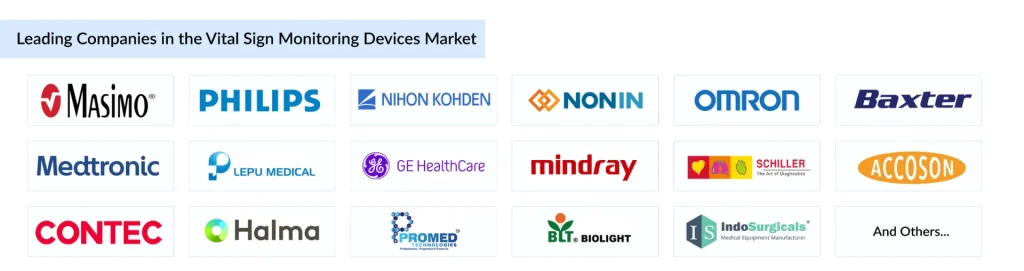
The market for vital sign monitors and external remote patient monitoring is not just growing; it is accelerating. According to recent data from DelveInsight, the global vital sign monitoring devices market size is expected to increase from USD 8.4 billion in 2024 to USD 14.9 billion by 2032, reflecting strong and sustained growth. The global vital sign monitoring devices market is projected to grow at a CAGR of 7.48% from 2025 to 2032.
In summary, the evolution of vital sign monitoring from the hospital wall to the patient’s wrist represents a fundamental victory for patient-centric care. As the market continues to expand at its projected CAGR, the focus must remain on ensuring that these tools are accessible, secure, and seamlessly integrated into the human element of medicine. The future of healthcare is no longer found within the four walls of a clinic; it is wherever the patient happens to be.

Downloads
Article in PDF
Recent Articles
- Artificial Intelligence in Remote Patient Monitoring: Enabling Continuous, Predictive, and Person...
- Guardant Health’s Shield Test Earns FDA Breakthrough Device Status; Reflow Medical Gains FDA De N...
- Telemedicine: Can it be the future of healthcare?
- Bioretec Ltd. Gains CE Mark for RemeOs™ Trauma Screw; HoneyNaps’ AI Sleep Diagnostic Softwa...
- Insulet’s Omnipod 5 Automated Insulin Delivery System; Alivecor’s KardiaMobile Card; BD Boa...