Top Home-Use Medical Devices Every Household Should Consider
Jan 07, 2026
Table of Contents
From Smart Monitoring to Life-Saving Therapy: Why Every Modern Household Needs This Health Toolkit
The shift of healthcare from sterile clinic walls to the comfort of your living room is one of the most powerful trends of the 21st century. Driven by an aging population, rising chronic disease rates, and rapid technological innovation, home-use medical devices are no longer niche tools—they are fundamental components of proactive, decentralized health management.
Downloads
Click Here To Get the Article in PDF

Recent Articles
- How At-Home Medical Equipment is Improving the Quality of Medical Care?
- AbbVie & iSTAR’S Strategic Alliance; Baxter Launches Welch Allyn RetinaVue 100 Imager PRO; I...
- iRhythm’s Zio® AT Device Improvements Receive FDA Clearance; Epitel Adds REMI AI Device to Portfo...
- Presage Technologies Unveils Free Access to FDA-Cleared Contactless Vital Signs Technology; Clini...
- Tandem’s Automated Insulin Patch Pump; ResMed’s Bilevel Sleep Respiratory Devices; Masimo’s First...
Equipping your home with the right medical technology empowers you to capture real-time vital data, spot concerning trends early, and communicate more effectively with your healthcare providers. This not only saves time and money but, most importantly, can be life-saving. This engaging guide explores the top-tier medical devices every household should consider, transforming your dwelling into a comprehensive personal health center.
What Defines a Home Medical Device?
Home medical devices are instruments and apparatus explicitly designed for non-professional use in a domestic setting. Their core function is to facilitate self-monitoring, therapy, and supportive care. Unlike clinical equipment, they prioritize user-friendliness, portability, and safety. The latest generation of these devices, often integrated with the Internet of Medical Things (IoMT), features Bluetooth connectivity to synchronize data with smartphone apps and cloud platforms, allowing for seamless remote patient monitoring (RPM) and trend analysis by both the user and their physician.
The Foundation: Essential Monitoring Devices
Accurate measurement of core vital signs is the first line of defense in preventative health.
The Instant Check: Digital Thermometer
A digital thermometer is an electronic instrument that uses heat sensors to measure body temperature quickly, replacing older, less safe mercury models.
A digital thermometer device offers a fast, precise, and unambiguous reading of body temperature, which is the cornerstone for detecting fever—the most common indicator of infection, inflammation, or illness. Their speed and ease of use are particularly valuable when monitoring young children, who can be restless, or elderly individuals. Advanced models, like temporal (forehead) and tympanic (ear) scanners, provide non-invasive measurements, enhancing comfort and speed.
Accuracy can be highly dependent on the site of measurement and correct technique. Temporal and ear thermometers, while convenient, can be less accurate than oral or rectal methods if not used perfectly. Furthermore, environmental factors like ambient temperature can sometimes skew readings.
The Silent Killer’s Watchman: Blood Pressure Monitor
A blood pressure (BP) monitor, typically an automated upper-arm cuff model, measures blood pressure in the arteries, providing two key readings: systolic (pressure during the beat) and diastolic (pressure between beats).
Home BP monitoring is critical for the diagnosis and management of hypertension (high blood pressure), often called the “silent killer.” Consistent readings taken in a relaxed, familiar setting eliminate “white coat hypertension” (elevated readings only in a clinic) and provide the physician with a much more reliable baseline for assessing medication efficacy and overall risk. This empowers the patient to actively participate in managing their cardiovascular health.
Inaccurate readings are common if the user employs an incorrect cuff size or technique (e.g., talking, not resting, or placing the arm improperly). Wrist monitors are generally less reliable than arm cuffs. Users must be educated on the correct protocol to ensure the data shared with their doctor is clinically meaningful.
The Oxygen Lifeline: Pulse Oximeter
A pulse oximeter is a non-invasive device that clips onto the fingertip and uses light absorption to estimate the percentage of oxygen-saturated hemoglobin in the blood and simultaneously measures the pulse rate.
A pulse oximeter provides crucial, immediate insight into how efficiently oxygen is being delivered to the body’s extremities. This is invaluable for patients managing COPD, asthma, heart failure, or during acute respiratory distress (as seen prominently during the COVID-19 pandemic). A low SpO2 reading is a clear, actionable metric signaling the need for medical attention.
The pulse oximeters market was valued at USD 2.16 billion in 2024 and is expected to reach USD 3.98 billion by 2032. The global pulse oximeters market is projected to grow at a CAGR of 10.73% from 2025 to 2032.
Some of the key market players operating in the pulse oximeters market include Medtronic, Nonin, Lepu Medical Technology, TytoCare Ltd., Meditech Equipment Co., Ltd., VYAIRE, OMRON Healthcare, Inc., Promed, Smiths Medical, NISSEI HOLDINGS INC., CONTEC MEDICAL SYSTEMS CO., LTD., Shenzhen Aeon Technology Co., Ltd., Masimo, SPENGLER HOLTEX Group, Opto Circuits India Ltd., and others.
Targeted Tools: Devices for Chronic Disease Care
For the millions managing lifelong conditions, these devices are essential for daily survival and maintaining quality of life.
The Blood Sugar Sensor: Glucometer
A glucometer (or blood glucose meter) measures blood glucose using a small blood sample placed on a disposable test strip. Continuous Glucose Monitoring (CGM) systems represent the next technological leap, using small sensors inserted under the skin to provide minute-by-minute readings without finger pricks.
A glucometer is fundamental for individuals with Type 1 or Type 2 diabetes, allowing immediate, multiple daily blood sugar checks (SMBG). Regular monitoring is vital for precise insulin dosing, diet adjustments, and preventing both acute (hypo/hyperglycemia) and long-term complications. CGM is particularly transformative, offering trend arrows and alerts that allow for proactive intervention.
The blood glucose monitoring systems market was valued at USD 12.12 billion in 2024 and expected to reach USD 18.89 billion by 2032. The blood glucose monitoring systems Market is expected to grow at a CAGR of 7.72% during the forecast period.
The blood glucose monitoring systems market is expanding rapidly due to the rising prevalence of lifestyle disorders such as diabetes and impaired glucose tolerance, growing product launches and approvals by key players, and an increasing preference for minimally invasive techniques that are expected to significantly drive the demand for blood glucose monitoring systems from 2025 to 2032.
Blood glucose monitoring systems companies include Medtronic, Abbott, F. Hoffmann-La Roche Ltd., Johnson & Johnson Services, Inc., Dexcom Inc., ARKRAY, Inc., Senseonics, WaveForm Technologies, Inc., B. Braun Melsungen AG, Ascensia Diabetes Care Holdings AG., Ypsomed, i-SENS, Inc., Intuity Medical, Inc., ACON Laboratories, Inc., Prodigy Diabetes Care, LLC, Sinocare, Rossmax International Ltd., Menarini Diagnostics s.r.l., Bionime Corporation, Nemaura, and others.
| Quick Comparison of Key Home Devices | ||
| Device | Main use at home | Who benefits most |
| Digital thermometer | Detecting and tracking fever. | Families with children or elderly. |
| BP monitor | Monitoring high or low blood pressure. | People with hypertension or heart disease. |
| Glucometer | Checking blood sugar levels. | People with type 1 or type 2 diabetes. |
| Pulse oximeter | Measuring oxygen level and pulse. | Respiratory or cardiac patients. |
| Nebulizer | Delivering inhaled medicines. | Asthma, COPD, or severe lung disease. |
| Portable ECG monitor | Spot‑checking heart rhythm. | Patients with arrhythmias. |
| Respiratory trainer | Strengthening and assessing lungs. | Post‑surgery and chronic lung patients. |
The Breathing Aid: Nebulizer or Inhalation Device
A nebulizer is a medical device that aerosolizes liquid medication, turning it into a fine, easily inhaled mist for direct delivery to the lungs.
A nebulizer is a vital therapeutic tool for managing severe or chronic respiratory conditions like asthma, COPD, or severe bronchitis. Nebulizers are often prescribed for children or older adults who struggle to use metered-dose inhalers correctly. They ensure a deep, effective dose of medication reaches the airways, especially during acute flare-ups.
The nebulizers market was valued at USD 1.3 billion in 2024, growing at a CAGR of 7.32% from 2025 to 2032, reaching USD 2.4 billion by 2032. The nebulizer market is experiencing significant growth due to the rising burden of chronic respiratory diseases, such as asthma and chronic obstructive pulmonary disease (COPD), and the surge in smoking, which has led to an increased demand for effective treatment options, including nebulizers, which are essential for delivering medication directly to the lungs.
Some of the key market players operating in the nebulizers market include Koninklijke Philips N.V., Omron Healthcare, Inc., Aerogen, PARI GmbH, GF Health Products, Inc., Allied Healthcare Products Inc., TEKCELEO, BMC Medical Co., Ltd., Medtronic PLC, Invacare Corporation, Trudell Medical International, Nouvag AG, Timesco Healthcare Ltd., LAICA S.p.A., Vega Technologies Inc., Besco Medical Limited, DeVilbiss Healthcare LLC, Feellife Health Inc., Convexity Scientific Inc., Rossmax International Ltd., and others.
The Heart’s Private Detective: Portable ECG Monitor
A portable ECG (Electrocardiogram) or heart-rhythm monitor is a compact, handheld, or patch device that records the electrical signals of the heart.
A portable ECG (Electrocardiogram) or heart-rhythm monitor allows patients to capture an on-demand, single-lead ECG recording the moment they experience symptoms such as palpitations, dizziness, or chest fluttering. For patients with paroxysmal (intermittent) atrial fibrillation (AFib) or other arrhythmias, this ability to “catch” a fleeting event is critical for diagnosis. The data can be instantly transmitted to a cardiologist, reducing the diagnostic timeline.
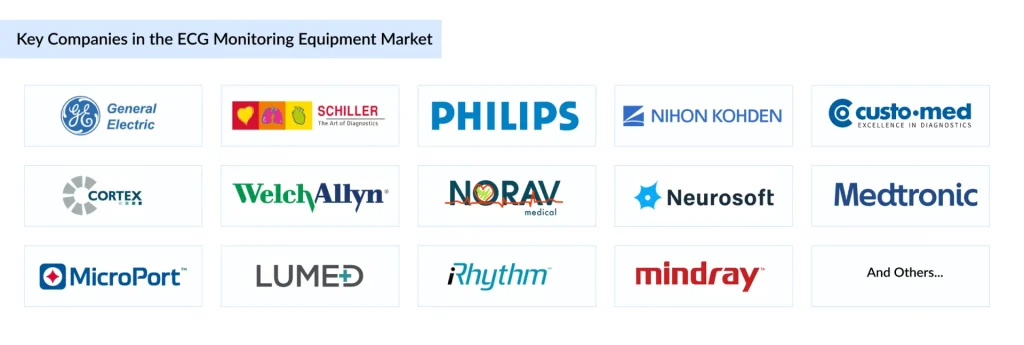
The electrocardiogram monitoring equipment market was valued at USD 4.44 billion in 2024, growing at a CAGR of 5.74% from 2024 to 2030, reaching USD 6.20 billion by 2032. The global increase in the incidence of cardiovascular diseases (CVDs) due to lifestyle changes, smoking, lack of physical activities, excessive alcohol consumption, obesity, and other factors are escalating the global market of Electrocardiogram (ECG) monitoring equipment. Additionally, public health campaigns and initiatives aimed at raising awareness about cardiovascular health encourage individuals to undergo regular check-ups and screenings.
Enhancing Recovery: Supportive and Wellness Devices
These tools focus on rehabilitation, comfort, and providing a comprehensive view of overall well-being.
The Lung Fitness Coach: Respiratory Trainers
Respiratory trainers, such as incentive spirometers or Inspiratory Muscle Training (IMT) devices, are simple tools that provide visual feedback to encourage users to take slow, deep, and forceful breaths.
Respiratory trainers are frequently used in postoperative care (especially after thoracic or abdominal surgery) to prevent lung complications such as atelectasis or pneumonia by ensuring lung tissue remains fully inflated. For patients with chronic respiratory illnesses, they help strengthen the diaphragm and other breathing muscles, improving endurance and oxygen efficiency.
Cons: Their efficacy is entirely dependent on consistent user commitment and proper technique. They require diligent cleaning and sanitation to prevent the buildup of mold or bacteria, which can be reintroduced into the lungs.
The Universal Soother: Hot and Cold Packs
Hot and cold packs are reusable packs designed to deliver thermal therapy to targeted areas of the body.
Cold therapy (vasoconstriction) is essential for acute injuries (within the first 48 hours) by reducing inflammation, swelling, and local pain. Heat therapy (vasodilation) promotes blood flow, relaxes stiff muscles, and eases chronic joint aches. They provide a cost-effective, non-drug approach to managing muscle soreness and joint discomfort.
Cons: The primary risk is tissue damage: direct application of very cold or very hot packs without a cloth barrier can cause frostbite or burns. Users must always adhere to recommended application times (typically 15-20 minutes) to avoid counterproductive effects.
The Lifestyle Analyst: Wearable Health Trackers and Smart Scales
Wearable health trackers (smartwatches and rings) and smart scales are consumer-grade devices that capture and connect daily wellness metrics.
Wearables monitor activity (steps, distance), sleep quality, heart rate variability (HRV), skin temperature, and, occasionally, clinical metrics such as SpO2. Smart scales measure body weight and estimate body composition (BMI, body fat, muscle mass). The benefit lies in providing a holistic, long-term picture of health trends, motivating adherence to fitness goals, and enabling subtle early detection of illness (e.g., changes in resting heart rate or sleep patterns).
The global wearable medical devices market is expected to increase from USD 42.9 billion in 2024 to USD 185.4 billion by 2032, reflecting strong and sustained growth. The global wearable medical devices market is projected to grow at a CAGR of 20.07% from 2025 to 2032.
The global wearable medical devices market is surging, fueled by rising chronic disease prevalence, the shift toward remote patient monitoring, and rapid tech advances. With miniaturized sensors, AI-driven insights, and 5G connectivity, wearables are evolving from fitness gadgets into essential medical tools for proactive and connected healthcare.

Conclusion and The Future of Home Healthcare
The future of home healthcare is being shaped by a powerful convergence of demographic shifts, technology adoption, and changing patient expectations. Aging populations, the rising burden of chronic diseases, and pressures to reduce hospital costs are accelerating the shift from facility-based care to home-based models. Patients increasingly prefer receiving care in familiar environments, where outcomes such as comfort, adherence, and quality of life are often improved. Payers and healthcare systems are also recognizing that home healthcare can deliver comparable or better clinical outcomes at lower overall costs.
Technology will be the key enabler of this transformation. Remote patient monitoring, wearable devices, AI-driven diagnostics, and virtual care platforms are allowing clinicians to track patients continuously, intervene early, and personalize treatment plans without frequent in-person visits. Advances in point-of-care diagnostics, home infusion therapies, and digital therapeutics are expanding the range of services that can be safely delivered at home, including post-acute care, chronic disease management, and even certain oncology and specialty treatments.
Looking ahead, home healthcare is likely to evolve into an integrated, data-driven ecosystem rather than a standalone service. Seamless coordination between hospitals, physicians, home health providers, pharmacies, and caregivers, supported by interoperable data systems, will be critical to scale and sustainability. As regulatory frameworks adapt and reimbursement models increasingly reward value-based care, home healthcare is poised to become a central pillar of modern healthcare delivery, shifting the focus from episodic treatment to continuous, patient-centered care.

Downloads
Article in PDF
Recent Articles
- How At-Home Medical Equipment is Improving the Quality of Medical Care?
- Ethicon’s ETHIZIA Hemostatic Sealing Patch; FDA Approves Medtronic’s Minimally Invasive Device to...
- 8 Promising Technologies Powering a More Efficient Operating Room
- Stereotaxis and Shanghai MicroPort EP Medtech Co., Ltd. Receives Approval for Magbot Robotic Magn...
- Medtronic Wins FDA Green Light for Stealth AXiS; Retia Medical Secures FDA 510(k) Clearance for A...