8 Key Applications of Radioligand Therapies in Healthcare
Apr 15, 2026
Table of Contents
The global healthcare industry is transforming precision medicine and targeted therapies redefine the way complex diseases, especially cancer, are treated. One of the most promising innovations emerging from nuclear medicine is Radioligand Therapies (RLTs), a treatment modality that combines molecular targeting with radioactive isotopes to deliver radiation directly to cancer cells while minimizing damage to surrounding healthy tissue.
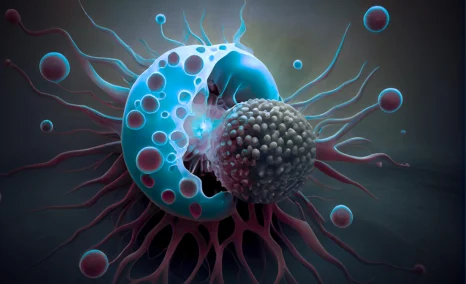
Radioligand therapies work by attaching a radioactive particle to a ligand, typically a small molecule, peptide, or antibody, that selectively binds to specific biomarkers expressed on tumor cells. Once administered into the bloodstream, the ligand seeks out these biomarkers and transports the radioactive payload directly to malignant cells. The localized radiation damages the DNA of the targeted tumor cells, inhibiting growth and ultimately leading to cell death.
Downloads
Click Here To Get the Article in PDF

Recent Articles
- Biogen-Eisai’s Aduhelm; Quidel acquires Ortho Clinical Diagnostics; Accutar Biotechnology’s...
- The Next Wave of Radioligand Therapies: 5 Candidates to Watch
- Radioligand Therapies: A Rapidly Emerging Pillar in the Oncology Market
- Snippet
- Phase III RUBY Trial of Jemperli Plus Chemotherapy Updates; FDA Approves Roche’s Vabysmo for RVO;...
From a healthcare business perspective, RLT in oncology is gaining rapid traction due to its potential to treat previously hard-to-manage cancers. Regulatory milestones and clinical advancements are accelerating its adoption. For example, the U.S. Food and Drug Administration (FDA) has approved several radioligand therapies, including lutetium-177 dotatate (LUTATHERA) for neuroendocrine tumors and lutetium-177 vipivotide tetraxetan (PLUVICTO) for metastatic prostate cancer.
With more than 400 clinical trials investigating Radioligand Therapies across multiple tumor types, the technology is emerging as a cornerstone of next-generation oncology treatment strategies.
8 Applications Positioning Radioligand Therapies as a Market Disruptor
Radiopharmaceuticals are a cornerstone of precision medicine, enabling clinicians to visualize disease at the molecular level while delivering targeted radionuclide therapy to tumors and other pathological tissues. Their combined diagnostic and therapeutic capabilities have positioned them as a transformative modality in modern healthcare. Building on this foundation, RLTs have emerged as a highly targeted subclass in which ligands selectively bind to tumor-specific receptors and transport radioactive payloads directly to cancer cells. The integration of AI in radiopharmaceuticals is further advancing this field by streamlining processes such as target identification, ligand design, image interpretation, personalized dosimetry, and adaptive treatment planning, ultimately improving diagnostic precision and therapeutic safety.
Prostate Cancer Treatment
Prostate cancer represents one of the most advanced clinical applications of radioligand therapies. Many prostate cancer cells overexpress a biomarker known as prostate-specific membrane antigen (PSMA). Radioligand therapies targeting PSMA can selectively deliver radiation to these tumor cells. The FDA approved PLUVICTO for adults with PSMA-positive mCRPC who have already received other treatments, such as androgen receptor pathway inhibitors or chemotherapy.
Clinical trials demonstrated that patients receiving PLUVICTO alongside standard therapy experienced significant improvements in overall survival compared with standard therapy alone. In one pivotal study, median survival increased to approximately 15.3 months versus 11.3 months in the control group. More recently, the FDA expanded the indication for this therapy to include patients earlier in the treatment pathway, allowing physicians to delay chemotherapy in certain cases.
From a business and healthcare systems perspective, PSMA-targeted radioligand therapies provide several important advantages. It enables highly selective targeting of prostate cancer cells, which helps reduce systemic toxicity compared with conventional chemotherapy while improving patient survival outcomes. In addition, the therapy can be integrated with advanced diagnostic imaging technologies to identify suitable patients and monitor treatment response. Considering the high global prevalence of prostate cancer, this targeted approach represents a significant market opportunity for pharmaceutical companies and nuclear medicine providers.
Neuroendocrine Tumors
Another well-established application of RLTs is the treatment of gastroenteropancreatic neuroendocrine tumors (GEP-NETs). These tumors arise from hormone-producing cells in organs such as the pancreas, stomach, and intestines. Many neuroendocrine tumors express somatostatin receptors, making them ideal targets for radioligand therapies. The FDA approved LUTATHERA for patients with somatostatin receptor-positive GEP-NETs. In clinical trials, LUTATHERA significantly increased progression-free survival, meaning that tumors remained stable or did not grow for longer periods after treatment.
The therapy works by attaching the radionuclide lutetium-177 to a somatostatin analog that binds to tumor receptors. Once the ligand attaches to the cancer cell, the radioactive isotope delivers localized radiation that destroys the malignant tissue.
From a healthcare-management perspective, radioligand therapies are transforming the treatment approach for neuroendocrine tumors by providing an effective option for patients with inoperable or metastatic disease. It offers a more targeted treatment compared with traditional systemic therapies and contributes to improved long-term disease management outcomes. The success of Lutathera has validated the Radioligand Therapies model and encouraged the development of similar treatments targeting other tumor-specific biomarkers.
Targeted Treatment for Thyroid Cancer
Thyroid cancers have historically been treated using radioactive iodine therapy, a form of nuclear medicine that exploits the thyroid gland’s natural ability to absorb iodine. However, certain thyroid cancers become resistant to conventional radioactive iodine therapy. Radioligand Therapies is emerging as a next-generation strategy to address this challenge. By targeting molecular markers expressed in thyroid tumors, radiopharmaceuticals can deliver therapeutic radiation directly to cancer cells.
Regulatory agencies such as the FDA have approved targeted therapies for specific genetic forms of thyroid cancer, reflecting the broader trend toward precision oncology approaches. Future radioligand therapies are expected to complement existing thyroid cancer treatments by targeting specific receptors or molecular pathways present in tumor cells. This approach can enhance precision treatment for patients with advanced or metastatic disease and may improve outcomes for those who are resistant to conventional therapies. As targeted radiopharmaceuticals continue to evolve, they are likely to expand the role of nuclear medicine in the management of thyroid cancer.
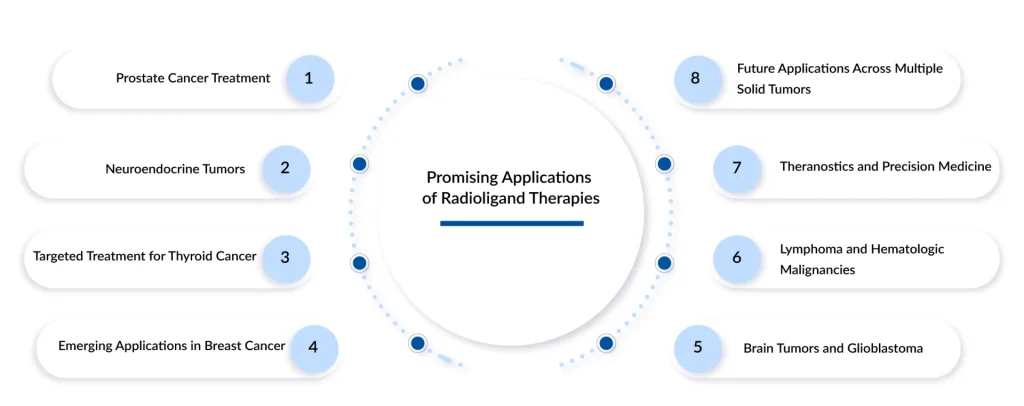
Emerging Applications in Breast Cancer
Breast cancer is one of the most prevalent cancers worldwide, and researchers are exploring radioligand therapies as a potential treatment option, particularly for metastatic or treatment-resistant cases. Several investigational radioligands target gastrin-releasing peptide receptors (GRPR) and other molecular markers found in certain breast tumors. Early clinical trials are evaluating the safety and efficacy of these therapies in patients with advanced disease.
Although these treatments are not yet widely approved, they illustrate the expanding potential of radioligand therapies beyond their current indications. From a strategic healthcare perspective, integrating Radioligand Therapies into breast cancer treatment could provide new therapeutic options for patients with resistant tumors and complement existing hormone or targeted therapies. This approach also supports highly personalized treatment strategies based on tumor characteristics. Considering the large global burden of breast cancer, successful radioligand therapies could significantly transform the future of oncology care.
Brain Tumors and Glioblastoma
Brain tumors, particularly glioblastoma, remain among the most challenging cancers to treat due to their aggressive growth and the difficulty of delivering drugs across the blood-brain barrier. Radioligand Therapies offers a promising strategy for targeting brain tumors by delivering radiation directly to tumor cells while sparing healthy brain tissue. Research is currently exploring radioligands targeting receptors expressed in glioblastoma cells. Early studies suggest that these therapies could potentially improve tumor control and extend survival in patients with limited treatment options.
Radioligand therapies offer several potential advantages in the treatment of brain tumors. It enables precise targeting of tumor-specific biomarkers and delivers localized radiation directly to cancer cells, which may help reduce damage to surrounding healthy brain tissue. In addition, it has the potential to work synergistically with existing treatments such as surgery and conventional radiation therapy. Although still largely in the research phase, this application highlights the versatility of radioligand therapies in addressing complex oncological conditions.
Lymphoma and Hematologic Malignancies
Radioligand therapies also have significant potential in the treatment of hematologic cancers, including lymphoma and certain leukemias. These cancers often express surface markers that can be targeted by antibodies or ligands carrying radioactive isotopes. Once the ligand binds to the malignant cell, the radioactive payload delivers cytotoxic radiation to the tumor. Historically, radioimmunotherapy has been used in lymphoma treatment, and the newer generation of radioligand therapies is building upon these principles with improved targeting capabilities.
Radioligand therapies offer several potential benefits in the treatment of hematologic malignancies. It provides enhanced selectivity for malignant cells, which helps reduce systemic toxicity compared with conventional chemotherapy. This targeted approach may also improve disease control in patients with relapsed or refractory conditions. As targeted radiopharmaceuticals continue to evolve, they are expected to play an increasingly important role in hematologic oncology.
Theranostics and Precision Medicine
One of the most significant innovations associated with RLTs is the concept of theranostics, which combines diagnostic imaging and targeted therapy within the same molecular platform. In a theranostic approach, a diagnostic radiotracer is first used to identify tumors expressing a specific biomarker through imaging techniques such as PET scans. If the tumor demonstrates sufficient uptake of the tracer, the patient can then receive a therapeutic version of the radioligand. For example, in prostate cancer treatment, imaging agents can identify PSMA-positive lesions and determine whether patients are eligible for PSMA-targeted therapy.
Theranostics represents a major shift toward personalized medicine by enabling clinicians to select the most appropriate patients for targeted treatments, monitor therapeutic responses through advanced imaging, and adjust treatment strategies based on the molecular characteristics of tumors. This integration of diagnostics and therapy is expected to become a central component of precision oncology.
Future Applications Across Multiple Solid Tumors
The future of radioligand therapies lies in expanding their use beyond current indications. Researchers are exploring new molecular targets and isotopes that could enable RLT to treat a wide range of cancers. Emerging targets include receptors and proteins associated with various tumor types, such as fibroblast activation protein (FAP) and gastrin-releasing peptide receptors.
Radioligand therapies are being explored for several additional cancer types, including lung, pancreatic, colon, ovarian, and kidney cancers. Ongoing advancements in molecular biology, radiochemistry, and imaging technologies are expected to accelerate the development of next-generation radioligands targeting these tumors. For healthcare organizations and pharmaceutical companies, the expansion of Radioligand Therapies into multiple solid tumors presents a valuable opportunity to develop innovative treatment options and further strengthen oncology research and therapeutic portfolios.
Conclusion
Radioligand therapies are rapidly emerging as one of the most promising innovations in modern oncology. By combining molecular targeting with radioactive isotopes, this technology enables highly precise delivery of radiation directly to tumor cells while minimizing damage to healthy tissues.
With FDA-approved beta-emitting therapies LUTATHERA and PLUVICTO, Novartis has positioned itself as a leader in the radioligand therapy space. The company is advancing a robust pipeline, with more than 15 ongoing or planned clinical trials and multiple next-generation candidates under development. However, Novartis will face competition from AstraZeneca, Bayer, Eli Lilly, Curium Pharma, and ITM Isotope Technologies Munich, among others.
Radioligand therapies have already transformed the management of prostate cancer and neuroendocrine tumors, providing improved survival outcomes and new hope for patients with advanced disease. Beyond these established indications, ongoing research is expanding the potential of RLTs across numerous cancers, including breast cancer, thyroid cancer, brain tumors, and hematologic malignancies. The integration of theranostics and precision medicine further enhances the ability to personalize treatment and optimize patient outcomes.
From a healthcare business perspective, radioligand therapies represent a rapidly growing market segment within oncology. Investments in radiopharmaceutical production, nuclear medicine infrastructure, and clinical research are expected to accelerate over the coming decade. As technological advancements continue and clinical evidence grows, radioligand therapies are poised to play a central role in the future of cancer treatment, delivering targeted, effective, and personalized care for patients worldwide.

Downloads
Article in PDF
Recent Articles
- A Quick Recap from ASCO GU 2023: Prostate and Urothelial Cancer Highlights
- J&J’s 2-in-1 Tablet for Prostate Cancer; FDA Approves TALVEY for Heavily Pretreated Multiple ...
- Fusion Biopsy: The Next Generation of Prostate Cancer Detection
- 12 Breakthrough Prostate Cancer Drugs in Late-Stage Development
- The Next Wave of Radioligand Therapies: 5 Candidates to Watch