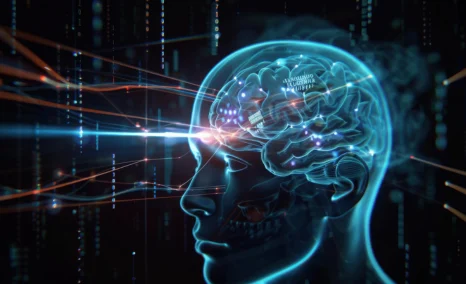
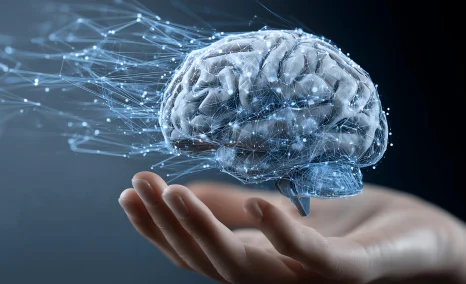
For most of medical history, the brain has been the one organ we could describe but barely touch. Today, that's changing fast. A new wave of devices, implants, and algorithms is learning to listen to the brain's electrical language, and, increasingly, to talk back to it. This convergence of neuroscience, engineering, and artificial intelligence is called neurotechnology, and it's quietly becoming one of the most consequential frontiers in modern medicine.
From helping a paralyzed patient move a cursor with a single thought, to calming the tremors of Parkinson's disease, to detecting a seizure before it starts, neurotechnology is rewriting what's possible in brain h...