Advances in Varicose Vein Treatment Devices: Technologies Shaping Modern Venous Care
As we look toward 2032, the trajectory of varicose vein treatment is clear: maximum efficacy with minimum intervention. The convergence of nanotechnology, in which nanobots could potentially repair damaged venous valves, and robotic-assisted vein procedures suggests a future in which human error is minimized.
Sanofi Strengthens Amlitelimab’s Position in Atopic Dermatitis; Corcept Announces Statistically Significant Overall Survival Benefit in Phase 3 ROSELLA Study; CORXEL Raises $287M Series D1 for Cardiometabolic Pipeline Expansion; IntraBio’s Levacetylleucine Demonstrates Positive Results in Pivotal Ataxia-Telangiectasia Trial; Otsuka Secures FDA Acceptance and Priority Review for Centanafadine in ADHD
Notizia - Recent Pharma, Healthcare and Biotech Happenings
Jan 27, 2026
ASPAVELI Fuels Sobi’s Growth Strategy in Europe for C3G and IC-MPGN
Articles
Jan 26, 2026
JPM 2026 Recap: Who’s Winning, Who’s Catching Up, and Who’s at Risk?
Articles
Jan 23, 2026
Sonomotion Secures FDA Clearance for Break Wave™ Lithotripsy System; Aidoc Earns FDA Clearance for Comprehensive AI Foundation Model in Healthcare; BD and Ypsomed Deepen Partnership to Serve Expanding Biologics Market; Omnia Medical Launches FDA-Approved PsiF DNA™ System to Market; Kardium Publishes PULSAR Pivotal Trial Findings in JACC; NEURO PMR Data Validates Hyperfine’s Diagnostic Precision and Patient-Centered Care
Notizia - Recent Pharma, Healthcare and Biotech Happenings
Jan 22, 2026
The Evolution of Vascular Access Devices in Modern Medicine
Articles
Jan 21, 2026
Nov 04, 2025
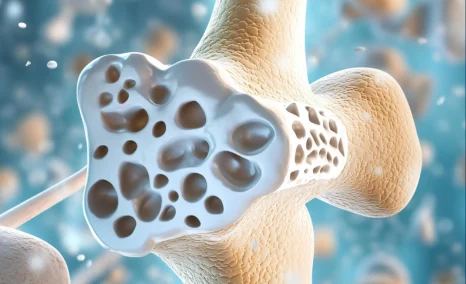
Understanding Bone Densitometers: Technology, Applications, and Impact on Bone Health
Nov 04, 2025
Nanomedicine’s Impact: Transforming the Future of Healthcare Industry Dynamics
Aug 28, 2025
Navigating the Most Use Cases of Robotic Process Automation (RPA) in Healthcare
Understanding Bone Densitometers: Technology, Applications, and Impact on Bone Health
Nov 04, 2025
Wireless Brain Sensors: Revolutionizing Neuroscience and Healthcare
Oct 28, 2025
Discover How Learning Disability Treatment Landscape is Evolving with the Emergence of Digital Assistant Technologies
Jul 04, 2025
A New Era for Multiple Myeloma Treatment: Bispecific Antibodies Enter the Fray
Jun 10, 2025
Newsletter/Whitepaper
The therapy for aHUS is primarily supportive, focusing on managing acute kidney injury and systemic complications, with renal replacement therapy required for patients with uremia, fluid overload, or electrolyte abnormalities. Specific treatments include plasma exchange and complement inhibitors like eculizumab and ravulizumab, the only two approved drugs for aHUS treatment. In 2023, the total market size for aHUS in the United States was ~USD 900 million and is projected to surpass USD 1.5 billion by 2034, growing at a CAGR of 4.5% from 2020 to 2034. Among emerging therapies, PIASKY (crovalimab) and FABHALTA (iptacopan) are expected to significantly impact the market.
A mid pharma client based in Germany, involved in late-stage development of a therapy for PID, with effective marketing and commercialisation presence in Europe, wanted to assess the launch readiness of competitors involved in the same arena for strategic positioning of their product. They wished to identify and evaluate the launch timelines, geographies of launch, First Launch company, commercial readiness, and salesforce of competitors.
A large pharma client was working to develop their cyclophosphamide API and FD and was interested to assess competitive products in the same domain and area to provide benchmarking of their asset in comparison to their competitors The client requested periodic reports (Quarterly) on the developmental milestones of competitor companies, thorough assessment of the competitor products through Secondary and Primary CI inputs.
A mid-sized pharma client was working to develop their asset portfolio and was interested in assessing best possible asset for atrial fibrillation for future development and licensing needs. The client requested evidence-based priorities in assets and products for Phase II development in atrial fibrillation, through potential licensing collaborations. Also, the client wanted to prioritise research efforts to determine the best possible asset to leverage their research portfolio.
A small pharmaceutical client based at Sweden, Europe with capabilities around a neonatal mesenchymal cells involved DelveInsight to identify a licensing partner for their stem cells product, from across the globe. They wished to identify a potential list of companies, to become a fit for their neonatal high quality MSCs and can prove to be a good business partner as a licensee for their proprietary “API” of the stem cell therapy domain.
A large client based in the USA, involved in drug delivery devices, with effective marketing and commercialisation presence across the globe, wanted to in-license potential dMTS based drug delivery asset from companies involved in microneedle technology research for delivering therapeutic products. They wished to identify and assess the technological competencies, clinical capabilities and commercial readiness of potential companies with a novel and non-invasive way of delivering drugs, which can include a variety of drugs/vaccines in their patch and successfully develop the product for commercial purposes, were of client’s interest.
A medium pharmaceutical client based in the United States with biosimilar commercial capabilities involved DelveInsight to identify commercial processes and strategies to launch their biosimilar in Europe through Competitive Assessment of their EU based competitors in the same area of interest. They wished to identify manufacturing sites, logistic operations, distribution network, salesforce assessment and their sales targets.