Evaluating the Key Trends and Technologies Shaping the Future of Dentistry
Jul 29, 2026
Table of Contents
Dentistry is undergoing one of the most profound transformations in its history. Once defined by manual impressions, film-based radiography, and clinician-dependent chairside decision-making, the field is rapidly evolving into a data-driven, digitally connected ecosystem. Technologies such as artificial intelligence (AI), intraoral scanners, 3D printing, robotics, and teledentistry have moved beyond experimental research and are becoming integral components of routine clinical practice. Across general dental practices, specialty clinics, and dental laboratories, these innovations are enhancing diagnostic accuracy, streamlining workflows, enabling personalized treatment planning, and improving patient outcomes. As digital technologies continue to mature and integrate, they are fundamentally reshaping the delivery of dental care, driving greater efficiency, precision, and accessibility across the oral healthcare landscape.
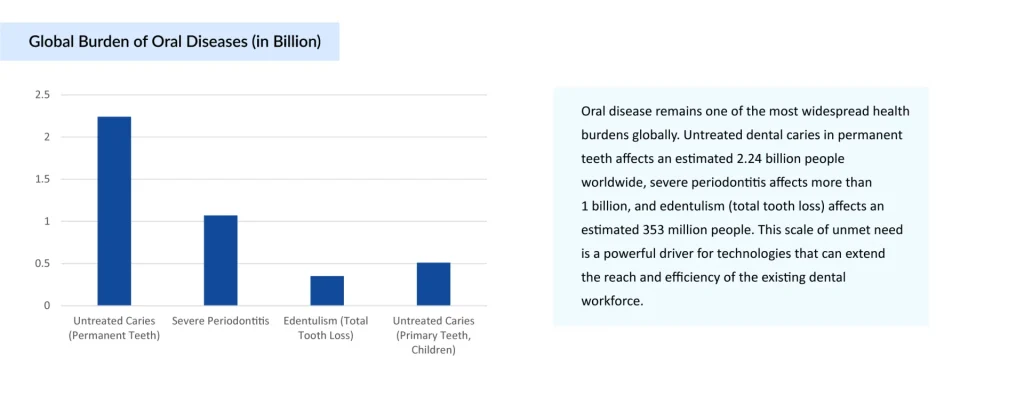
This shift is driven by a convergence of forces: rising global demand for oral healthcare, a persistent shortage of dental professionals in many regions, growing patient expectations for speed, comfort, and aesthetics, and rapid advances in computing power, materials science, and imaging hardware. According to the World Health Organization, oral diseases affect nearly 3.7 billion people worldwide, making untreated dental caries the single most common health condition on the planet. Meeting this demand with the existing dental workforce is simply not possible without technology-enabled efficiency gains.
Downloads
Click Here To Get the Article in PDF

Recent Articles
- Evaluating the Essential Factors Building the Value-Based Healthcare Model
- Top healthcare innovations changing the healthcare dynamics
- Top 5 Surgical Simulation Companies Revolutionizing Surgical Education
- Security Breach: A Growing Concern For The Healthcare Industry
- Navigating the Emerging Trends and Technologies in the Spinal Cord Injury Rehabilitation Segment
This article evaluates the major trends and technologies reshaping the future of dentistry, from digital workflows and AI diagnostics to CAD/CAM, intraoral scanning, 3D printing, robotics, teledentistry, digital smile design, advanced imaging, regenerative dentistry, lasers, smart devices, precision dentistry, nanotechnology, digital orthodontics, implant innovation, next-generation biomaterials, sustainability, cybersecurity, and the investment and market forces accelerating (or slowing) adoption. Wherever possible, recent statistics, survey data, and clinical study findings are used to ground the discussion in evidence rather than speculation, and each section closes by connecting the technology back to real-world clinical and practice-management outcomes.
Digital Transformation in Dentistry
Digital Workflows
A digital dental workflow replaces the traditional chain of physical impressions, plaster models, and paper charts with an unbroken digital thread: an intraoral scan or CBCT capture feeds directly into design software, which in turn drives a 3D printer or milling unit, with the patient record, images, and treatment plan all stored and shared electronically. The defining feature of a true digital workflow is that data never has to be re-entered or physically transported between steps; it moves as a file.
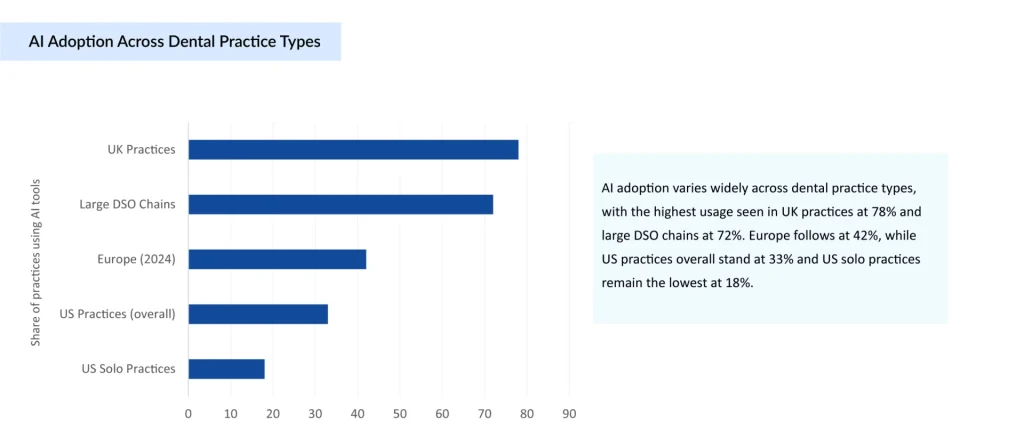
Adoption is uneven but accelerating: large dental service organizations (DSOs) have moved fastest because they can centralize purchasing, training, and IT support across many locations, while solo and rural practices adopt more gradually due to upfront capital costs. Even so, digital impression-taking, digital radiography, and cloud-based charting are now considered baseline infrastructure in most newly established practices rather than premium add-ons.
Digital Imaging Technologies
Digital imaging has replaced film-based radiography in the majority of modern practices, encompassing intraoral sensors, digital panoramic and cephalometric units, cone beam computed tomography (CBCT), and intraoral cameras. Digital sensors reduce radiation dose by roughly 50-80% compared with traditional film, produce an image within seconds instead of minutes, and integrate directly with practice management and AI-analysis software.
Beyond convenience, digital imaging enables entirely new capabilities: images can be enhanced, measured, and annotated instantly; they can be shared securely with specialists or insurers in seconds; and they form the raw data that AI diagnostic models are trained and run on. This tight linkage between digital imaging and AI is one of the most important structural changes in modern diagnostic dentistry.
Cloud-Based Dental Practice Management
Cloud-based practice management systems host scheduling, charting, billing, imaging, and patient communication on remote servers rather than an in-office server closet. This removes the burden of local IT maintenance, enables secure access from multiple locations, supports automated backups and disaster recovery, and allows multi-site DSOs to standardize workflows and reporting across dozens or hundreds of locations from a single dashboard.
Cloud platforms also make it far easier to layer on newer capabilities AI charting assistants, automated insurance verification, patient-facing scheduling apps, and teledentistry modules because these can be added as software integrations rather than requiring new on-premises hardware.
Benefits of Digital Dentistry
Taken together, digital workflows, digital imaging, and cloud infrastructure deliver measurable benefits: fewer remakes due to impression error, shorter chair time, improved case acceptance through visual patient communication, reduced physical storage needs, and better continuity of care when patients move between providers. Digital record-keeping also strengthens compliance and auditability, which matters increasingly as regulatory scrutiny of healthcare data grows.
The transition is not without friction; initial training time, software subscription costs, and integration challenges between different vendors’ systems remain real barriers, but the direction of travel is unambiguous. Digital dentistry has moved from a competitive differentiator to a baseline expectation of modern clinical practice.
|
Traditional vs. Digital Dental Workflow |
||
|---|---|---|
|
Workflow Step |
Traditional Approach |
Digital Approach |
|
Impressions |
Alginate / PVS impression, physical tray |
Intraoral scan, digital 3D model |
|
Models |
Plaster/stone cast, physical storage |
Digital file, stored in cloud |
|
Imaging |
Film-based X-ray, chemical processing |
Digital sensor / CBCT, instant image |
|
Design |
Manual wax-up by technician |
CAD software design on screen |
|
Manufacturing |
Hand-layered or cast restoration |
CAD/CAM milling or 3D printing |
|
Records |
Paper charts, physical filing |
Cloud-based electronic dental records |
|
Patient Communication |
Verbal description, static photos |
Intraoral camera, DSD mock-ups, 3D previews |
Artificial Intelligence (AI) in Dentistry
Artificial intelligence is arguably the single most talked-about trend in dentistry today, moving from experimental pilots to commercially deployed, FDA-cleared clinical tools within a few short years.
AI-Based Diagnostics
AI diagnostic tools analyze radiographs, intraoral photographs, and scans to flag caries, bone loss, fractures, and other pathology, typically presenting findings to the clinician as an overlay for review rather than an autonomous diagnosis. Multiple platforms, including Pearl, Overjet, VideaHealth, and Diagnocat, have received regulatory clearance in various markets and are now used in day-to-day practice.
Independent studies report strong performance: one large-scale evaluation of over 10,000 radiographs found AI-assisted caries detection reached roughly 94% accuracy, outperforming unaided general dentists by a meaningful margin, while a separate multi-center trial found AI detected substantially more interproximal caries than dentists working without assistance. These tools are best understood as a ‘second set of eyes’ that reduces missed findings rather than a replacement for clinical judgment.
AI in Dental Imaging Analysis
Beyond simple flagging, AI imaging analysis increasingly performs automated segmentation of anatomical structures on CBCT scans (nerve canals, sinus floors, root morphology), bone density mapping for implant planning, and airway analysis for sleep medicine referrals. A 2024 meta-analysis pooling 25 studies found AI algorithms achieved roughly 92.5% sensitivity and 88.7% specificity for detecting periodontal bone loss on panoramic radiographs, performance that rivals experienced specialists on this specific task.
For CBCT-based root and fracture analysis, AI has also demonstrated real value: one evaluation of 2,500 CBCT scans found an AI platform identified a majority of root fractures that had been missed by human observers on first review, illustrating how automated analysis can act as a systematic quality check on high-volume imaging workloads.
AI in Orthodontic Treatment Planning
In orthodontics, AI is used to predict tooth movement, generate clear-aligner staging automatically from an intraoral scan, and simulate post-treatment facial and smile outcomes for patient consultations. This reduces the manual staging time orthodontists and lab technicians previously spent building each aligner sequence by hand, while also giving patients an immediate visual preview that supports case acceptance.
AI-assisted planning is increasingly paired with remote monitoring apps, so that a treatment plan generated by an algorithm can also be tracked and adjusted throughout treatment based on photos the patient submits from home, closing the loop between planning and delivery.
AI for Clinical Decision Support
Clinical decision support tools go beyond image analysis to help clinicians weigh treatment options, for example, flagging drug interactions, suggesting differential diagnoses for ambiguous symptoms, or scoring overall disease severity and estimated treatment cost from a combination of radiographic and periodontal charting data. One large 2025 evaluation of an AI severity-scoring system tracked outcomes across more than 2,500 U.S. dental practices and over 340,000 patients, demonstrating this kind of tool can be deployed at national scale.
Despite this growth, most practitioners still treat AI as an advisory layer rather than a decision-maker: surveys consistently find that only a small minority of dentists say they trust an AI recommendation over their own clinical judgment, even when they use the tool regularly.
AI in Practice Management
On the operational side, AI is used for automated appointment scheduling and no-show prediction, insurance eligibility verification, automated charting and clinical note generation from voice dictation, and patient communication chatbots that handle routine questions and recall reminders. Some practices report chair-time utilization improving substantially after implementing AI-driven scheduling, since gaps and overbooking are reduced algorithmically rather than manually.
The two biggest reported adoption barriers are cost and poor integration with existing practice management software survey data shows a meaningful share of practices that tried an AI tool abandoned it within the first few months, most often citing these two issues rather than dissatisfaction with the underlying technology itself.
|
Overview of AI Applications in Dentistry |
||
|---|---|---|
|
Application Area |
Function |
Example Use Case |
|
Radiographic diagnostics |
Detects caries, bone loss, fractures on X-rays/CBCT |
Flagging suspected interproximal caries on bitewings |
|
Orthodontic planning |
Automates aligner staging and outcome simulation |
Generating a full clear-aligner treatment sequence |
|
Clinical decision support |
Scores disease severity, suggests differentials |
Estimating periodontal risk and treatment cost |
|
Practice management |
Automates scheduling, billing, and communication |
Predicting no-shows and optimizing the day’s schedule |
|
Patient communication |
Chatbots and automated recall reminders |
Answering routine FAQs and confirming appointments |
CAD/CAM Technology
Digital Design and Manufacturing
Computer-Aided Design/Computer-Aided Manufacturing (CAD/CAM) systems allow a clinician or technician to design a restoration on screen from a digital scan and manufacture it via milling or 3D printing, without a physical model ever being required. This digital design-to-manufacture pipeline has become the backbone of modern restorative and prosthetic dentistry, replacing wax-up and casting techniques that had changed little for decades.
Chairside Dentistry
Chairside CAD/CAM systems (such as CEREC-type units) combine an intraoral scanner, design software, and an in-office milling or printing unit, enabling a crown, veneer, or inlay to be designed and fabricated during a single patient visit. This eliminates the traditional two-appointment crown workflow, temporary restorations, and the turnaround delay of sending a case to an external laboratory.
Applications in Restorative Dentistry
CAD/CAM is now used for crowns, bridges, inlays, onlays, veneers, full dentures, and implant abutments. Restorative materials milled or printed via CAD/CAM lithium disilicate, zirconia, and hybrid ceramics, offer strength and aesthetics that are difficult to achieve consistently with hand-layered techniques, while digital design also allows precise control of occlusal contacts before the restoration is ever placed in the mouth.
Advantages of CAD/CAM Systems
Reported advantages include fewer clinical appointments, elimination of messy conventional impressions, more consistent fit due to reduced manual fabrication error, faster turnaround, and the ability to store a digital library of a patient’s dental anatomy over time for comparison. On the laboratory side, digital manufacturing survey data shows milling-system adoption climbed from roughly 39% of dental labs in 2014 to about 67% by 2022, reflecting a steady, sustained shift rather than a short-lived trend.
Intraoral Scanning
Evolution from Conventional Impressions
Intraoral scanners replace the traditional alginate or PVS impression tray with a small handheld wand that captures a full-color 3D digital model of the dentition in a few minutes. Early scanners in the 2000s were slow, required powder coating of the teeth, and produced comparatively low-resolution models; modern powder-free units complete a full-arch scan in under two minutes with sub-30-micron accuracy.
Clinical Applications
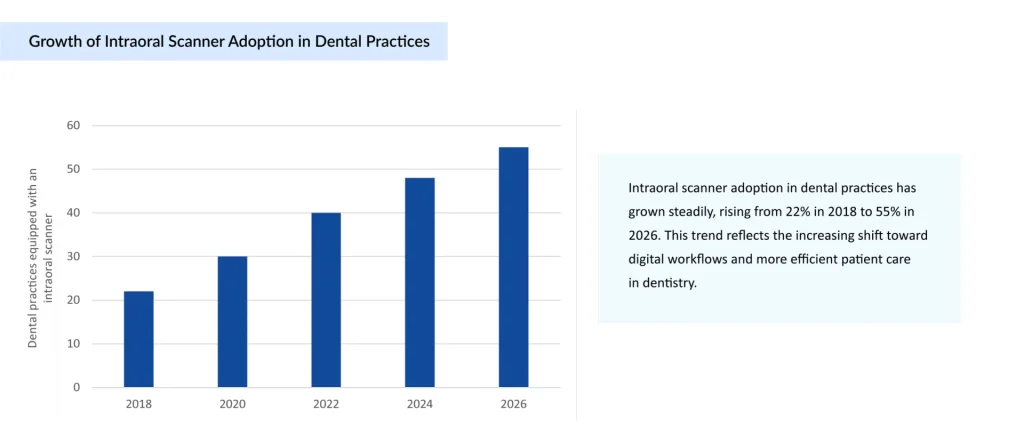
Beyond restorative impressions, intraoral scans are now used for orthodontic clear-aligner planning, implant surgical guide design, denture fabrication, sleep-appliance fabrication, and shade matching. Digital demand for intraoral scanning has grown by an estimated 40% or more since 2020, and roughly 55% of dental practices are now equipped with a scanner, up sharply from around a fifth to a quarter of practices less than a decade ago. Studies indicate digital impressions can reduce restoration remakes by 35-40% compared with conventional impressions, largely by eliminating distortion and voids common to physical materials.
Future Developments in Intraoral Scanners
Emerging developments include AI-assisted scanning that automatically detects margins and flags problem areas in real time, wireless and increasingly compact wands aimed at solo and mobile practitioners, near-infrared and fluorescence add-ons that detect early caries during the same scan, and tighter cloud integration so a scan taken chairside can be sent directly to a laboratory or milling unit anywhere in the world within minutes.
3D Printing in Dentistry
Additive Manufacturing Technologies
Dentistry uses several 3D printing technologies, most commonly vat photopolymerization (stereolithography and digital light processing) for high-detail resins, and to a lesser extent selective laser sintering and PolyJet/multi-material printing for metal frameworks and multi-color appliances. Vat photopolymerization currently accounts for the largest share of dental 3D printing applications thanks to its balance of resolution, speed, and material cost.
Dental Models and Surgical Guides
The earliest and still most common dental 3D printing application is producing study models and surgical guides, templates that fit precisely over a patient’s teeth to direct implant drill angle, depth, and position. Guided surgery printed from a CBCT-derived digital plan improves implant placement accuracy considerably compared with freehand placement, particularly in complex or aesthetically sensitive cases.
Restorations and Dentures
3D printing is increasingly used to fabricate temporary crowns and bridges, permanent restorations in newer ceramic-filled resins, and complete or partial dentures. Printed dentures can be produced with highly repeatable fit because the base file is stored digitally, if a denture is lost or damaged, a duplicate can be reprinted quickly without a new full clinical impression.
Orthodontic Applications
In orthodontics, 3D printing produces the sequential model series used to thermoform clear aligners, along with custom retainers, expanders, and indirect-bonding trays. Orthodontics represents one of the largest single application segments of dental 3D printing, reflecting the sheer volume of aligner-related models a single treatment case requires.
Bioprinting and Future Prospects
Research-stage bioprinting aims to print living tissue scaffolds seeded with cells to regenerate periodontal ligament, bone, or eventually whole tooth structures. This remains largely confined to academic and early translational research rather than routine clinical use, but it represents the long-term frontier where additive manufacturing and regenerative dentistry converge.
|
Common 3D Printing Technologies Used in Dentistry |
||
|---|---|---|
|
Technology |
How It Works |
Typical Dental Application |
|
Stereolithography (SLA) |
UV laser selectively cures liquid resin layer by layer |
Surgical guides, models, aligners |
|
Digital Light Processing (DLP) |
Projector cures an entire resin layer at once |
High-volume model and appliance printing |
|
Selective Laser Sintering (SLS) |
Laser fuses powdered metal or polymer particles |
Metal frameworks, removable partial denture frames |
|
PolyJet/Multi-material Jetting |
Print heads jet and cure multiple resins simultaneously |
Multi-color, multi-material anatomical models |
Robotics in Dentistry
Robotic-Assisted Implant Placement
Robotic systems for dental implant surgery combine a preoperative CBCT-based digital plan with a robotic arm that either guides the clinician’s hand (haptic guidance) or, in more autonomous systems, performs the drilling and placement itself under direct supervision. These systems aim to translate the digital surgical plan into the mouth with sub-millimeter positional accuracy, reducing variability between what was planned and what is delivered.
Robotic Endodontics
Robotic-assisted endodontic systems support root canal access and shaping with greater consistency of canal preparation than fully manual technique, particularly in anatomically complex canals. This is still an emerging niche relative to implant robotics, with fewer commercial systems available and adoption concentrated in specialist endodontic practices.
Microsurgical Robotics
Microsurgical robotic platforms, borrowed conceptually from general surgical robotics, are being explored for extremely fine procedures such as microvascular work in oral and maxillofacial reconstruction. These remain largely experimental in the dental context but point toward a future where robotic precision extends beyond implants into broader oral and maxillofacial surgery.
Benefits and Current Challenges
Reported benefits include improved placement accuracy, reduced surgeon fatigue on long or complex cases, and better reproducibility across multiple providers in a large clinic. Current challenges include high acquisition cost, a steep training curve, limited peer-reviewed long-term outcome data compared with conventional implant surgery, and regulatory pathways that vary significantly between countries, all of which mean robotic systems remain concentrated in larger, well-capitalized practices and academic centers rather than being widespread in general practice.
Teledentistry
Remote Consultations
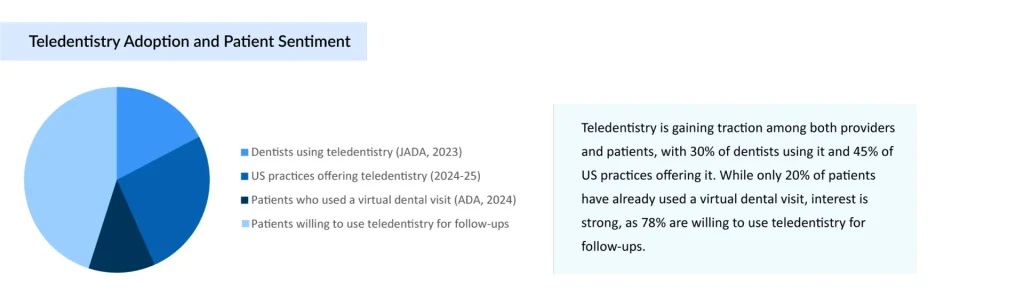
Remote consultations use live video or store-and-forward photo/image submission to let a dentist triage a concern, provide advice, or determine whether an in-person visit is needed. A 2023 ADA Clinical Evaluators Panel survey found that 30% of responding dentists used teledentistry in their practice, split between synchronous, real-time video visits (53% of users) and asynchronous, store-and-forward consultations (63% of users), with many using both models depending on the case.
Virtual Treatment Planning
Virtual treatment planning allows a specialist to review a patient’s scans, photographs, and history remotely and propose a plan before the patient ever travels for an in-person visit, particularly valuable for patients in rural areas or those seeking a second opinion from a distant specialist. Surveyed dentists cited increased patient convenience and increased accessibility to providers as the two leading reasons for offering this kind of virtual planning.
Remote Orthodontic Monitoring
Remote monitoring platforms, most notably FDA-cleared systems such as Dental Monitoring, use AI to analyze photos a patient submits from a smartphone-mounted scope, tracking tooth movement and aligner fit between in-person visits. Adoption within U.S. and Canadian orthodontic residency programs has grown steadily, reaching documented use in roughly a quarter of accredited programs by the end of 2025, reflecting both clinical uptake and its growing role in orthodontic education.
Future Scope of Teledentistry
Patient sentiment data suggests considerable room for further growth: surveys report that as many as 78% of patients say they would be willing to use teledentistry for follow-ups and consultations, citing convenience and reduced travel time as the leading benefits, yet actual patient usage around one in five patients having tried a virtual dental visit as of 2024 still lags well behind that willingness. Closing this gap will likely depend on clearer reimbursement policy, broader state-level regulatory alignment, and tighter integration between teledentistry platforms and everyday practice management software.
Digital Smile Design (DSD)
Principles of Digital Smile Design
Digital Smile Design is a structured protocol for planning cosmetic and restorative treatment by analyzing a patient’s facial photographs and video alongside intraoral scans, using proportion and symmetry guidelines to design an ideal smile digitally before any tooth is touched. The core principle is treatment planning ‘from the outside in’ starting from the desired facial and smile aesthetic and working backward to the specific restorative or orthodontic steps required to achieve it.
Workflow Integration
DSD integrates naturally with the broader digital workflow: the facial and smile analysis feeds directly into CAD design software, which can generate a 3D-printed mock-up or trial restoration the patient can view and even wear temporarily in the mouth before committing to a final treatment plan. This bridges the gap between a 2D photographic mock-up and the physical result the patient will ultimately receive.
Benefits for Cosmetic Dentistry
For cosmetic cases, DSD improves communication between dentist, laboratory technician, and patient, reduces the risk of aesthetic disappointment after final cementation, and has been associated with higher case-acceptance rates because patients can preview a realistic outcome rather than relying on verbal description alone. It also supports more predictable multidisciplinary treatment planning when a case involves orthodontics, periodontics, and restorative work together.
Advanced Dental Imaging
Cone Beam Computed Tomography (CBCT)
CBCT produces a three-dimensional volumetric image of the jaws, teeth, and surrounding structures using a fraction of the radiation dose of medical CT, and has become the imaging standard for implant planning, complex endodontics, impacted tooth assessment, and airway analysis. Field-of-view options now range from small volumes focused on a single quadrant, which minimize radiation exposure, up to full craniofacial volumes for orthodontic and orthognathic planning.
Digital Radiography
Digital sensors and phosphor plates have almost entirely replaced conventional film in modern practices, offering instant image availability, lower radiation dose, and direct compatibility with AI analysis software. Digital radiographs can also be enhanced (contrast, magnification) after capture, which is impossible with a fixed film image.
Intraoral Cameras
Small handheld intraoral cameras let clinicians show patients a magnified live view of their own teeth on a chairside monitor, widely credited with improving patient understanding of diagnoses and, in turn, treatment acceptance. Increasingly, these cameras are combined with AI overlays that highlight suspected caries or cracks directly on the live video feed.
Optical and Fluorescence Imaging
Optical and laser-fluorescence devices detect early demineralization and caries by measuring how tooth structure responds to specific wavelengths of light, often catching lesions before they are visible on a radiograph or to the naked eye. These tools are particularly useful for monitoring high-risk patients over time, since the fluorescence signal can be tracked quantitatively at each recall visit.
Near-Infrared Imaging
Near-infrared transillumination passes light through the tooth to reveal interproximal decay and cracks without any ionizing radiation at all, making it attractive for radiation-sensitive patients such as children and pregnant women, and for frequent monitoring where repeated radiographic exposure would otherwise be a concern. It is increasingly offered as a complement to, rather than a replacement for, conventional radiography.
Regenerative Dentistry
Stem Cell Therapy
Dental pulp, periodontal ligament, and exfoliated deciduous teeth all contain accessible populations of mesenchymal stem cells with regenerative potential. Research programs are investigating their use for pulp regeneration after injury, periodontal tissue repair, and even bone regeneration around implants, though most applications remain in preclinical or early clinical trial stages rather than routine practice.
Tissue Engineering
Tissue engineering combines scaffolds, growth factors, and cells to regenerate periodontal bone, gingival tissue, or pulp-dentin complexes rather than simply replacing lost tissue with an inert material. Guided bone and tissue regeneration techniques using engineered membranes and grafts are already well established in implant and periodontal surgery, while more advanced engineered constructs are progressing through research pipelines.
Biomimetic Materials
Biomimetic restorative materials are designed to replicate the mechanical and optical behavior of natural enamel and dentin rather than simply filling a cavity, to restore the tooth’s original strength distribution and reduce the risk of fracture around large restorations. This approach increasingly informs both material chemistry and cavity-preparation philosophy in modern restorative dentistry.
Tooth Regeneration Research
The most ambitious frontier in this space is whole-tooth regeneration, growing a replacement tooth from stem cells rather than fabricating an artificial one. Experimental work has demonstrated proof-of-concept tooth germ regeneration in animal models, but clinically viable, scalable whole-tooth regeneration in humans remains a long-term research goal rather than a near-term clinical option.
Laser Dentistry
Soft Tissue Applications
Diode and CO2 lasers are widely used for soft-tissue procedures such as gingival contouring, frenectomies, biopsy, and treatment of oral lesions, offering excellent hemostasis and often eliminating the need for sutures. Because these lasers seal small blood vessels as they cut, many soft-tissue procedures can be performed with minimal bleeding and reduced post-operative discomfort compared with a scalpel.
Hard Tissue Procedures
Erbium-family lasers (Er:YAG and Er,Cr:YSGG) can cut enamel, dentin, and bone, enabling cavity preparation and some minor bone-recontouring procedures with less vibration and, for many patients, less need for local anesthesia than a traditional high-speed handpiece. Hard-tissue laser use remains more specialized and equipment-intensive than soft-tissue laser use, and adoption has grown more slowly as a result.
Clinical Benefits of Dental Lasers
Across both soft- and hard-tissue applications, commonly cited benefits include reduced bleeding, decreased postoperative swelling and discomfort, reduced need for sutures, and improved patient comfort, particularly for anxious patients or children. Limitations include high equipment cost, a learning curve for safe and effective use, and the fact that lasers cannot fully replace conventional handpieces for every restorative situation, meaning most practices use lasers alongside, rather than instead of, traditional instruments.
|
Comparison of Common Dental Laser Types |
||
|---|---|---|
|
Laser Type |
Primary Use |
Key Characteristic |
|
Diode Laser |
Soft tissue surgery, gingival contouring |
Excellent hemostasis; compact and affordable |
|
CO2 Laser |
Soft tissue ablation, lesion removal |
Precise cutting with minimal thermal damage to adjacent tissue |
|
Er:YAG Laser |
Hard and soft tissue, cavity preparation |
Can cut enamel/dentin with reduced vibration and heat |
|
Er,Cr:YSGG Laser |
Hard and soft tissue procedures |
Combines water spray cooling with cutting efficiency |
Smart Dental Devices
Smart Toothbrushes
Connected toothbrushes use embedded sensors and smartphone apps to track brushing duration, pressure, and coverage across the mouth, giving patients (and, with permission, their dentist) objective feedback on home-care habits between visits. Some systems can flag consistently missed areas over time, turning routine brushing into a source of longitudinal hygiene data rather than an unmeasured daily habit.
Smart Aligners
Beyond passive plastic trays, newer clear-aligner systems embed small sensors that verify wear time and fit, feeding data back to remote-monitoring platforms so the treating clinician can confirm compliance objectively rather than relying on patient self-reporting, a long-standing challenge in orthodontic care.
Smart Mouthguards
Instrumented mouthguards, most visible in sports medicine, capture impact force and head-acceleration data during play, supporting concussion-risk assessment, while dental-focused versions can also monitor bruxism (teeth grinding) episodes overnight, giving clinicians objective data instead of relying solely on patient-reported jaw soreness or wear patterns on the appliance.
Internet of Medical Things (IoMT) in Dentistry
Collectively, these connected devices form part of the broader Internet of Medical Things, a network of sensors and software that continuously generates patient data outside the clinical setting. For dentistry, this creates the opportunity to move from a purely episodic care model (treating problems discovered at a twice-yearly checkup) toward continuous monitoring that can flag emerging issues, such as declining hygiene compliance or increasing bruxism, between visits.
Personalized and Precision Dentistry
Genetic Testing
Genetic markers associated with caries susceptibility, periodontal disease risk, and orthodontic treatment response are increasingly studied as a basis for individualized prevention plans, though routine clinical genetic testing in general dental practice remains uncommon outside research and specialist settings today.
Salivary Biomarkers
Saliva is a rich, non-invasively accessible source of proteins, DNA, RNA, and metabolites that can indicate active caries risk, periodontal inflammation, and even certain systemic conditions. Point-of-care salivary testing is gradually moving from research laboratories into chairside diagnostic kits, offering a painless complement to visual and radiographic examination.
Oral Microbiome Analysis
Advances in DNA sequencing have made it possible to characterize the specific bacterial species present in a patient’s mouth rather than relying on generic risk categories, opening the door to microbiome-targeted prevention and treatment strategies for caries and periodontal disease that account for an individual patient’s specific bacterial profile rather than a one-size-fits-all protocol.
AI-Driven Risk Prediction
Combining imaging data, clinical charting history, salivary and microbiome findings, and lifestyle factors, AI risk-prediction models aim to estimate an individual patient’s probability of developing caries or periodontal disease over the following months to years, allowing recall intervals and preventive interventions to be tailored to actual risk rather than a fixed schedule applied uniformly to every patient.
Salivary Diagnostics
Biomarker Discovery
Ongoing research continues to identify new salivary protein, RNA, and metabolite biomarkers linked to periodontal disease activity, caries risk, and oral cancer, expanding the panel of conditions that can potentially be screened from a saliva sample rather than requiring more invasive testing.
Point-of-Care Testing
Chairside salivary test kits, similar in form factor to a rapid antigen test, can now provide same-visit results for select biomarkers, allowing a clinician to discuss risk and preventive strategy with the patient immediately rather than waiting days for an external laboratory result.
Disease Detection Applications
Salivary diagnostics are being explored for early oral cancer screening, periodontal disease activity monitoring, caries risk assessment, and even some systemic disease indicators, positioning the dental visit as a potential access point for broader health screening beyond the mouth alone.
Future Opportunities
As sequencing and biosensor costs continue to fall, salivary diagnostics are expected to become a more routine part of the preventive dental visit, complementing rather than replacing visual and radiographic examination, and potentially supporting earlier referral for systemic conditions with oral manifestations.
Nanotechnology in Dentistry
Nanocomposite Restorative Materials
Nanofilled and nanohybrid composite resins incorporate filler particles at the nanometer scale, which allows manufacturers to achieve both high polish/gloss retention (important for anterior aesthetics) and good mechanical strength (important for posterior load-bearing restorations) in the same material, addressing a trade-off that limited earlier generations of composite.
Nano-Hydroxyapatite
Nano-hydroxyapatite closely mimics the mineral structure of natural enamel and is increasingly used in remineralizing toothpastes, varnishes, and some restorative materials to help repair early, non-cavitated enamel lesions and reduce sensitivity, offering a biomimetic alternative to traditional fluoride-only remineralization approaches.
Antibacterial Nanomaterials
Silver, zinc oxide, and other antibacterial nanoparticles are being incorporated into restorative materials, cements, and coatings to reduce bacterial colonization at the margins of a restoration, a common site for secondary decay. Early results are promising for reducing recurrent caries risk, though long-term clinical data across large patient populations is still accumulating.
Nanotechnology-Based Drug Delivery
Nanoparticle carriers are being explored to deliver antimicrobials, anti-inflammatory agents, or growth factors directly to periodontal pockets or pulp tissue in a controlled, sustained-release manner, potentially improving treatment outcomes for periodontal disease and pulp therapy compared with a single bulk application of a therapeutic agent.
Digital Orthodontics
Clear Aligner Technologies
Clear aligners have grown from a niche cosmetic alternative into a mainstream orthodontic treatment option, driven by intraoral-scan-based digital planning, improved thermoplastic materials, and expanding clinical evidence for their effectiveness across a widening range of malocclusions. Industry estimates suggest tens of millions of patients are in active orthodontic treatment globally at any given time, with orthodontics now the single largest application segment for intraoral scanning.
AI-Assisted Treatment Planning
AI now generates much of the initial tooth-movement staging for a clear-aligner case automatically from a digital scan, which the treating clinician then reviews and refines, substantially reducing the manual planning time required per case compared with fully manual staging.
Remote Treatment Monitoring
AI-powered remote monitoring apps let orthodontic patients submit photos from home for automated assessment of aligner fit and tooth movement, reducing the number of in-person check-up visits required and flagging cases that need earlier in-person attention, a capability increasingly built into orthodontic residency training as well as private practice.
3D Printing in Orthodontics
Direct 3D printing of aligners themselves (rather than thermoforming over a printed model) is an emerging area of active development, alongside continued reliance on 3D-printed models, retainers, and expanders as the backbone of most digital orthodontic laboratories today.
Innovations in Implant Dentistry
Guided Implant Surgery
Static guided surgery uses a 3D-printed surgical guide, generated from a CBCT-based digital plan, to control the position, angle, and depth of implant osteotomy preparation. This approach has become standard for many implant cases, particularly where precise positioning is critical for prosthetic or aesthetic outcomes.
Dynamic Navigation Systems
Dynamic navigation systems track the handpiece and patient position in real time using optical or infrared tracking, displaying live guidance on a monitor rather than relying on a fixed physical guide. This offers greater intraoperative flexibility than static guides, the plan can be adjusted mid-surgery if needed, at the cost of additional capital equipment and a learning curve.
Advanced Implant Materials
Beyond traditional titanium, zirconia implants have gained a growing following among patients and clinicians seeking a metal-free option, along with surface treatments designed to accelerate osseointegration and reduce the risk of peri-implantitis. Research into implant surface nanotexturing and bioactive coatings continues to push toward faster, more predictable healing.
Immediate Loading Technologies
Improvements in implant design, surface technology, and digital planning have expanded the clinical scenarios in which a temporary or even final restoration can be placed on the same day as implant surgery, rather than requiring the traditional multi-month healing period before loading, when case selection criteria are met.
Next-Generation Dental Biomaterials
High-Performance Ceramics
Modern zirconia and lithium disilicate ceramics offer a combination of strength and translucency that earlier all-ceramic systems could not achieve, making them suitable for both single crowns and multi-unit posterior bridges without the metal substructure required by older systems.
Bioactive Restorative Materials
Bioactive materials release ions such as calcium, phosphate, and fluoride that actively support remineralization of adjacent tooth structure, rather than functioning as a purely inert filling material. This shifts the goal of a restoration from simply sealing a cavity to actively supporting the surrounding tooth’s long-term health.
Antibacterial Dental Materials
Beyond nanoparticle additives, researchers are developing polymer chemistries with intrinsic antibacterial properties built into the resin matrix itself, aiming to reduce secondary caries at restoration margins without relying solely on added antimicrobial particles.
Self-Healing and Smart Biomaterials
Experimental ‘self-healing’ composites contain microcapsules of resin that rupture and seal microcracks as they form, potentially extending restoration lifespan, while smart materials that change color or release a signal in response to bacterial acid production are being explored as an early-warning system for developing decay beneath a restoration.
Sustainability in Dentistry
Eco-Friendly Dental Practices
Practices are increasingly adopting digital workflows partly for their environmental benefits: eliminating physical impression material, plaster models, and film processing chemicals reduces both waste volume and the hazardous-material handling associated with traditional techniques.
Sustainable Dental Materials
Manufacturers are introducing recyclable packaging, reduced single-use plastic instrument covers, and, in some cases, bio-based resin components for 3D printing, responding to both regulatory pressure and patient interest in more environmentally responsible care.
Green Manufacturing Initiatives
Some dental equipment and materials manufacturers have begun publishing sustainability reports and pursuing renewable-energy-powered manufacturing for milling blanks, resins, and consumables, mirroring broader trends in medical device manufacturing.
Waste Reduction Strategies
Digital radiography and intraoral scanning directly reduce chemical and physical waste compared with film and impression materials, while amalgam separators and proper handling protocols remain important for practices still using amalgam restorations, given ongoing regulatory phase-down of mercury-containing dental materials in many jurisdictions.
Cybersecurity and Digital Integration
Electronic Dental Records
As paper charts have been replaced almost entirely by electronic dental records, practices now hold large volumes of sensitive patient health information digitally, making records management, access control, and secure backup a core operational responsibility rather than an afterthought.
Cloud-Based Data Management
Cloud storage offers resilience against local hardware failure or physical disaster, but it also shifts part of the security responsibility to the software vendor, making due diligence on a vendor’s security certifications and data-handling practices an important part of choosing any cloud-based practice management system.
Data Privacy and Security
Dental practices are attractive targets for ransomware and data breaches because they hold protected health information but often have smaller IT security budgets than hospitals. Practices are increasingly investing in encryption, multi-factor authentication, staff cybersecurity training, and cyber-insurance coverage to manage this growing risk.
System Interoperability
A persistent challenge is that imaging systems, practice management software, and AI diagnostic tools from different vendors do not always share data seamlessly, forcing some practices to re-enter information manually or maintain multiple disconnected systems. Growing adoption of open data standards is gradually improving interoperability, but fragmentation remains a real barrier to fully realizing the benefits of a connected digital workflow.
Emerging Investment and Innovation Trends
Venture Capital and Startup Ecosystem
Investor interest in dental technology has grown substantially over the past several years, with venture funding flowing particularly into AI diagnostic imaging startups, teledentistry platforms, and practice-management software, reflecting broader investor enthusiasm for AI-enabled healthcare tools generally.
Strategic Partnerships and Acquisitions
Established dental equipment manufacturers have pursued partnerships and acquisitions with AI, scanning, and 3D printing startups to fold newer capabilities into their existing product lines rather than building every capability from scratch internally, a common pattern in mature industries facing rapid technological change.
Government and Academic Research Initiatives
Public health bodies and universities continue to fund research into regenerative dentistry, salivary diagnostics, and AI validation studies, providing an important complement to commercially driven innovation, particularly for research with longer timelines to commercial payoff, such as tooth regeneration or new biomaterial classes.
Commercialization of Emerging Technologies
Bringing a new dental technology from research to widespread clinical use typically requires navigating regulatory clearance, demonstrating cost-effectiveness to practices already juggling multiple technology investments, and building integration with existing practice workflows a process that can take years even after the underlying science is well established.
Competitive Landscape of Leading Companies in the Digital Dentistry Market
The digital dentistry market is highly competitive and characterized by the presence of established dental equipment manufacturers, digital workflow solution providers, imaging companies, and emerging AI-driven software developers. Leading companies such as Align Technology, Dentsply Sirona, 3Shape, Planmeca, Medit, Carestream Dental, Straumann Group, Formlabs Dental, SprintRay, and Henry Schein One are driving innovation through advanced intraoral scanners, CAD/CAM systems, CBCT imaging, dental 3D printing, cloud-based practice management platforms, and AI-powered diagnostic solutions. Competition is centered on enhancing workflow efficiency, improving diagnostic accuracy, integrating digital technologies across the treatment continuum, and expanding cloud-based and AI-enabled capabilities to support the growing adoption of fully digital dental practices.
|
Company |
Key Product(s) |
Product Category |
Digital Dentistry Market Segmentation |
Core Technology/Application |
|
Align Technology |
iTero Element 5D, iTero Lumina |
Intraoral Scanner |
By Digital Workflow → Intraoral Scanners |
Digital impressions, restorative & orthodontic workflow |
|
Dentsply Sirona |
Primescan, CEREC Primemill, Sidexis 4 |
Intraoral Scanner, CAD/CAM System, Imaging Software |
By Digital Workflow, By Digital Imaging, By CAD/CAM Systems |
Chairside CAD/CAM, digital imaging, prosthetic design |
|
3Shape |
TRIOS 5, Dental System, Implant Studio |
Intraoral Scanner, CAD Software |
By Intraoral Scanners, By CAD Software |
Digital impressions, implant planning, prosthetic design |
|
Planmeca |
Planmeca Emerald S, ProMax 3D, Romexis |
Scanner, CBCT, Imaging Software |
By Digital Imaging Technologies, By Practice Management Software |
CBCT imaging, digital diagnostics, cloud integration |
|
Medit |
Medit i900, Medit i700 Wireless |
Intraoral Scanner |
By Intraoral Scanners |
AI-assisted scanning and digital impressions |
|
Carestream Dental |
CS 3800, CS 9600, CS Imaging |
Scanner, CBCT, Imaging Platform |
By Digital Imaging Technologies |
Digital radiography, CBCT, imaging software |
|
Straumann Group |
Virtuo Vivo, coDiagnostiX, CARES Visual |
Scanner, Implant Planning Software |
By Implant Planning Software, By Digital Workflow |
Guided implant surgery and prosthetic workflow |
|
Envista (Nobel Biocare & KaVo) |
KaVo ProXam iOS, NobelClinician |
Scanner, Surgical Planning Software |
By Digital Workflow, By Implant Planning |
Implant planning and restorative workflow |
|
Ivoclar |
PrograMill PM7, Ivotion Denture System |
CAD/CAM Milling System |
By CAD/CAM Milling Systems |
Automated milling of crowns, bridges, dentures |
|
Roland DGA |
DGSHAPE DWX-53D, DWX-42W Plus |
Dental Milling Machine |
By CAD/CAM Milling Systems |
Precision milling of zirconia and PMMA restorations |
|
SprintRay |
Pro 2, Midas, RayWare Cloud |
Dental 3D Printer |
By Dental 3D Printing |
Chairside 3D printing for restorations and surgical guides |
Market Insight
The global digital dentistry devices market is projected to grow from USD 6.13 billion in 2025 to USD 13.49 billion by 2034, registering a strong CAGR of 9.24% during the forecast period from 2026 to 2034. This growth is primarily driven by the increasing adoption of CAD/CAM systems, intraoral scanners, and 3D printing technologies, which enable faster, more precise, and minimally invasive dental procedures. Rising demand for aesthetic and restorative dentistry, coupled with the ongoing digital transformation of dental clinics and laboratories, is further accelerating market expansion. Additionally, advances in AI-powered treatment planning, digital workflows, and chairside manufacturing are improving clinical efficiency and patient outcomes, supporting sustained market growth.
Market Drivers Accelerating Technological Adoption
Rising Demand for Cosmetic Dentistry
Growing patient interest in aesthetic outcomes, driven partly by social media and video-call visibility of one’s own smile, has increased demand for veneers, whitening, and clear aligners, in turn driving adoption of digital smile design, intraoral scanning, and CAD/CAM technologies that support faster, more predictable aesthetic treatment.
Aging Population
As populations age in many countries, demand grows for implant dentistry, full-arch restoration, and denture solutions suited to older patients with more complex medical histories, accelerating adoption of guided implant surgery, digital denture workflows, and integrated medical-dental record systems.
Growing Patient Preference for Minimally Invasive Procedures
Patients increasingly favor treatments that preserve natural tooth structure and minimize discomfort and recovery time, favoring technologies such as air abrasion, laser dentistry, bioactive materials, and early-detection imaging that catch problems before invasive treatment becomes necessary.
Expansion of Digital Dental Clinics
The growth of large multi-location dental service organizations, which can centralize capital investment in scanners, CAD/CAM systems, and AI software across many sites, has been a significant accelerant of digital technology adoption industry-wide, since these organizations often adopt new technology faster and at greater scale than individual solo practices.
Challenges and Barriers to Adoption
High Equipment Costs
Intraoral scanners, CAD/CAM milling units, 3D printers, CBCT machines, and AI software licenses all represent significant capital or recurring subscription costs, which can be a meaningful barrier for solo and small-group practices compared with well-capitalized DSOs.
Workforce Training and Skill Development
New technologies require dedicated training time for dentists, hygienists, and administrative staff, and the pace of technological change means training is an ongoing rather than one-time investment. Dental schools are increasingly incorporating digital workflow and AI-literacy training into curricula to prepare new graduates for this environment.
Regulatory and Compliance Challenges
Regulatory clearance pathways for AI diagnostic tools, teledentistry practice, and new biomaterials vary considerably by country and, in some markets, by state or region, creating a fragmented compliance landscape that can slow adoption or limit which tools are available in a given jurisdiction.
Data Privacy and Cybersecurity Risks
As discussed in the cybersecurity section above, the shift to fully digital records and cloud infrastructure increases exposure to data breaches and ransomware, requiring ongoing investment in security measures that can be a meaningful and easily underestimated cost of digital transformation.
Reimbursement and Cost Constraints
Insurance and public reimbursement systems have not always kept pace with new technologies teledentistry reimbursement policy, for example, still varies significantly by state and payer, and several newer diagnostic and AI-assisted services are not yet consistently covered, which can dampen both patient demand and practice incentive to invest, even where the underlying clinical benefit is well demonstrated.
|
Key Market Drivers vs. Adoption Barriers |
|
|---|---|
|
Market Drivers |
Adoption Barriers |
|
Rising demand for cosmetic dentistry |
High upfront equipment and software costs |
|
Growing global burden of oral disease |
Need for ongoing staff training |
|
Aging population needing restorative/implant care |
Fragmented regulatory requirements across regions |
|
Patient preference for minimally invasive care |
Data privacy and cybersecurity risk |
|
Expansion of large multi-site dental clinics |
Inconsistent insurance reimbursement policy |
Future Outlook
AI-Driven Autonomous Dental Clinics
Looking further ahead, some industry observers envision dental settings where AI handles an increasing share of routine diagnostic triage, scheduling, and even aspects of treatment planning with minimal manual clinician input for straightforward cases, freeing dentist and hygienist time for more complex clinical work and patient relationship-building. Fully autonomous clinical decision-making without clinician oversight remains both technically and regulatorily distant, however, and current AI tools are best understood as augmenting rather than replacing the dental team.
Fully Integrated Digital Dental Ecosystems
The long-term trajectory points toward tighter integration across imaging, design, manufacturing, patient communication, and records systems, so that a single scan can flow seamlessly through diagnosis, treatment planning, fabrication, and follow-up monitoring without manual data transfer at any step, reducing friction, errors, and turnaround time throughout the patient journey.
Regenerative and Personalized Oral Healthcare
As regenerative dentistry, salivary diagnostics, and microbiome analysis mature from research into clinical practice, oral healthcare is likely to become progressively more personalized with prevention, recall intervals, and even material selection tailored to an individual patient’s genetic, microbial, and salivary risk profile rather than population-wide averages.
Next-Generation Preventive Dentistry
Combining connected smart devices, salivary and microbiome diagnostics, and AI risk prediction, the direction of travel in dentistry is toward earlier, more precise prevention, catching disease processes at the molecular or early-lesion stage rather than after a cavity has already formed, which would represent a meaningful shift in the overall economics and outcomes of oral healthcare globally.
Conclusion
The future of dentistry is being shaped by the convergence of digital imaging, artificial intelligence, additive and subtractive manufacturing, robotics, connected devices, and biological science, rather than by any single breakthrough technology. Each of the trends surveyed in this article from AI-assisted diagnostics reaching accuracy rates that rival or exceed unaided clinicians, to intraoral scanning and CAD/CAM eliminating the physical impression and multi-week laboratory turnaround, to teledentistry extending access beyond the four walls of the clinic reflects the same underlying shift: dentistry is becoming a data-rich, digitally connected discipline.
Adoption remains uneven. Large dental service organizations and well-resourced practices are moving fastest, while cost, training, regulatory fragmentation, and reimbursement gaps continue to slow uptake elsewhere, particularly among solo and rural practitioners. Closing this gap matters not only for practice competitiveness but for public health: with oral disease affecting nearly half the world’s population, technologies that make dental care faster, more accurate, and more accessible have real potential to reduce a global health burden that has remained stubbornly persistent for decades.
For clinicians, practice owners, and dental students, the practical takeaway is not to chase every new technology indiscriminately, but to evaluate each trend against its actual, evidence-backed impact on diagnostic accuracy, clinical outcomes, patient experience, and practice efficiency and to build a digital foundation (accurate imaging, reliable scanning, secure data infrastructure) that can support whichever of these technologies proves most valuable for a given patient population in the years ahead.

FAQs
The global dental care market is being shaped by the rapid adoption of digital dentistry, AI-powered diagnostics, minimally invasive treatments, and personalized oral care. Growing demand for preventive dentistry, cosmetic procedures, and advanced restorative solutions is also driving innovation and market expansion.
Artificial intelligence improves diagnostic accuracy and treatment planning, while digital dentistry streamlines clinical workflows through intraoral scanning and CAD/CAM technologies. Meanwhile, 3D printing enables faster, cost-effective production of customized crowns, aligners, implants, and surgical guides, enhancing precision and patient satisfaction.
Teledentistry expands access to consultations and follow-up care, particularly in underserved regions, while smart dental devices support continuous monitoring of oral hygiene and treatment adherence. Preventive oral healthcare is gaining prominence through early screening, patient education, and personalized risk assessment, helping reduce the burden of dental diseases.
Personalized dental care uses patient-specific clinical data, digital imaging, and risk assessments to develop tailored treatment plans and preventive strategies. This proactive approach enables earlier intervention, improves long-term oral health outcomes, and reduces the need for complex restorative procedures.
Innovations such as AI-assisted imaging, cone-beam CT (CBCT), intraoral scanners, CAD/CAM systems, laser dentistry, and 3D printing are significantly improving diagnostic precision and treatment outcomes. These technologies support minimally invasive procedures, faster restorations, and greater clinical accuracy.
Digital workflows automate key clinical and administrative processes, reducing treatment times, minimizing manual errors, and improving communication between dentists and laboratories. AI-powered diagnostics further enhance decision-making through early disease detection and predictive analysis, leading to more accurate, efficient, and patient-centered dental care.
Downloads
Article in PDF
Recent Articles
- Top healthcare innovations changing the healthcare dynamics
- From Lab to Lifesaver: Advancing Artificial Blood Vessels for Healthier Tomorrows
- Top 5 Surgical Simulation Companies Revolutionizing Surgical Education
- Evaluating the Essential Factors Building the Value-Based Healthcare Model
- Assessing the Major Growth and Ongoing Developments in the Clinical Diagnostics Market